Raijin
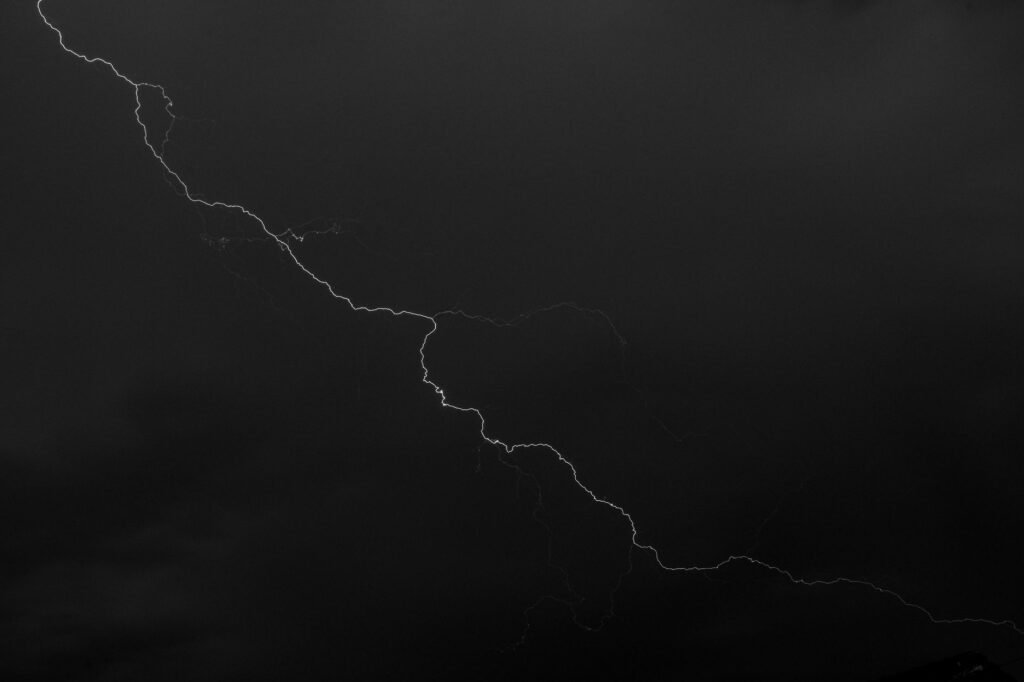
Raijin is a major deity in Japanese religion and folklore, best known as the god of thunder, lightning, storms, and sudden atmospheric power. He appears in Shinto tradition, later Buddhist-influenced cosmology, and popular Japanese art as a dramatic, often fearsome figure surrounded by drums, clouds, and bolts of lightning. Along with his close counterpart Fujin, the god of wind, Raijin has become one of the most recognizable beings in the Japanese mythological imagination.
Raijin matters not only as a religious figure but also as a cultural symbol. He represents uncontrollable natural force, divine authority, and the awe inspired by thunderstorm phenomena. Over centuries, Raijin has appeared in shrine iconography, emakimono, folk tales, lacquerware, tattoos, modern anime, manga, and video games, making him one of Japan’s most enduring mythological figures.
Origin and Meaning
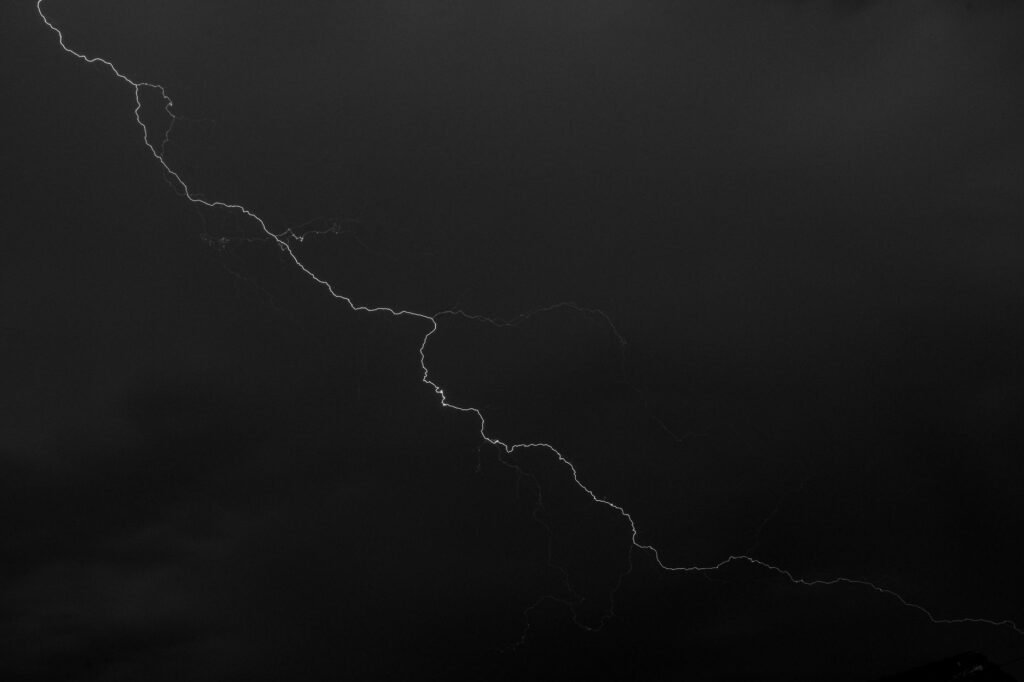
The name Raijin is commonly written with the kanji 雷神, meaning “thunder god” or “god of thunder.”
- 雷 (rai) = thunder, lightning
- 神 (jin or kami) = god, deity, divine spirit
In Japanese religious history, Raijin is not derived from a single fixed classical text in the way some Greco-Roman gods are. Rather, he developed through a combination of:
- indigenous Shinto belief in kami associated with natural forces,
- Buddhist cosmology brought from the Asian continent,
- Chinese and broader East Asian thunder-deity traditions,
- and later popular storytelling and visual culture.
Different regions and periods have presented thunder deities in slightly different forms. In some contexts, Raijin is treated as a singular god; in others, thunder is associated with a broader class of deities or spirit forces. This flexibility is typical of Japanese mythological tradition, where divine identities can overlap and evolve.
Historical Context
Raijin belongs to a religious world in which natural phenomena were understood as manifestations of spiritual power. In early Japanese belief systems, mountains, rivers, trees, storms, and unusual atmospheric events could all be associated with kami, sacred presences that were not necessarily “gods” in the strict later sense but powerful forces deserving respect and ritual attention.
Shinto and local kami belief
In Shinto, thunder and storms were understood through the lens of divine presence. Raijin fits into this worldview as a force that is at once destructive and necessary. Thunderstorms could damage crops and buildings, but rain also supported agriculture. This duality helped make Raijin both feared and respected.
Buddhist influence
With the introduction and spread of Buddhism in Japan, thunder deities were also shaped by continental iconography and esoteric ritual traditions. In Buddhist settings, protective divine figures sometimes assumed fierce, wrathful forms. Raijin’s visual image—dramatic, muscular, and energetic—reflects this broader East Asian religious environment.
Courtly and popular culture
By the medieval and early modern periods, Raijin had become a familiar subject in painting, sculpture, and theater-related imagery. He appeared in religious art, temple decoration, and later in popular ukiyo-e prints. The god’s image often served both devotional and aesthetic purposes: it communicated divine power while also showcasing the artist’s ability to portray movement, noise, and force.
Main Characteristics
Raijin is typically portrayed as a fierce, energetic deity associated with the sky during storms. His visual features are highly distinctive and widely recognized.
Common identifying traits
- a powerful, often muscular body
- a wild or fearsome expression
- drums arranged around the body or held in the hands
- cloud motifs, lightning bolts, and storm imagery
- a dynamic pose suggesting noise and movement
- sometimes a near-nude or lightly clothed appearance, emphasizing vitality and force
The thunder drums
One of Raijin’s most famous attributes is the set of drums associated with him. In Japanese art, these are often depicted as a ring of drums called taiko, which Raijin strikes to create thunder. This image visually explains thunder as an audible, rhythmic divine action.
A deity of impact and interruption
Raijin is not a calm or benevolent household deity. He embodies suddenness, disruption, and overwhelming force. His presence signals that ordinary human control has limits. At the same time, his energy is not merely chaotic; it is part of the natural order.
Family and Genealogy
Raijin’s genealogy is not fixed in a single universal version. Like many kami, his family relationships vary across traditions and later popular retellings.
Commonly associated relationship: Fujin
Raijin is most frequently paired with Fujin, the god of wind. They are usually depicted together in Japanese art, especially in screens, temple imagery, and decorative panels.
This pairing is not necessarily a family relationship in all sources. Rather, it is a strong symbolic association:
- Raijin controls thunder and lightning
- Fujin controls wind
Together they represent storm power as a complete atmospheric force.
Parentage and descendants
Unlike some mythic figures with extensive genealogies, Raijin is not consistently given a clear parentage or offspring in standard reference traditions. Different local or later accounts may assign him varying origins, but no single canonical family tree dominates the tradition.
Because of this, it is more accurate to describe Raijin as a deity defined by function and imagery than by a fully standardized mythological lineage.
Symbols
Raijin’s symbolism is rich and widely recognized in Japanese religious art and popular culture.
| Symbol | Meaning |
|---|---|
| Thunder drums | The sound of thunder; divine rhythm and force |
| Lightning bolts | Sudden power, speed, celestial energy |
| Clouds | Sky domain, storm movement, and atmospheric transformation |
| Taiko drums | Sound-making and ritual energy; visual shorthand for thunder |
| Fierce expression | Awe, danger, and divine intensity |
Color associations
No single color is universally fixed for Raijin across all traditions. However, artistic depictions often emphasize bold contrasts such as:
- red or dark skin tones,
- black or dark storm clouds,
- gold or white lightning,
- vivid accents in robes or drums.
These are artistic conventions rather than strict doctrinal rules.
Sacred Animals
Raijin is not as strongly tied to a specific sacred animal as some other deities are. However, certain animals appear in visual and symbolic association with thunder and storms.
Commonly associated animals
- Dragon: In East Asian symbolism, dragons often connect to rain, clouds, and weather power. Although not uniquely Raijin’s animal, dragons belong to the same atmospheric symbolic field.
- Raiju: In Japanese folklore, the raiju is a mythical lightning creature or “thunder beast,” sometimes imagined as a companion or manifestation of thunder energy.
- Crows and birds: In some art and folk imagination, birds may appear as sky-linked creatures, though they are not a central sacred animal of Raijin.
Because traditions vary, it is safest to say that Raijin is more strongly associated with atmospheric imagery than with a single sacred animal.
Sacred Plants
There is no universally recognized plant uniquely devoted to Raijin in the way some deities are linked to particular flowers or trees. Still, several plants appear in Japanese religious and cultural contexts connected to storms, purification, or seasonal cycles.
Plants sometimes associated in broader cultural context
- Rice: Thunderstorms and rain are crucial to rice agriculture, so Raijin’s power indirectly connects to rice cultivation and harvest concerns.
- Cedar and cypress: Sacred trees in Japanese religious landscapes may be present in shrine settings where storm deities are honored.
- Bamboo: Often associated with resilience and purification, bamboo appears in many Japanese ritual settings, though not specifically as Raijin’s plant.
In encyclopedia terms, it is more accurate to describe Raijin as indirectly linked to agriculture and sacred nature rather than to a single botanically fixed symbol.
Sacred Places
Raijin is associated with shrines, temples, and places connected to storm deities, though his worship is not limited to one exclusive site.
Temples and shrines
Different shrines and temples across Japan may include depictions or honorific references to thunder deities. Raijin is especially prominent in:
- temple gate paintings,
- guardian screens,
- shrine iconography,
- ritual spaces concerned with protection against storms and fire.
Famous artistic and religious settings
One of the most famous visual associations of Raijin is the pair of storm god figures on folding screens and temple art, where he appears with Fujin. These images are not always tied to a single sacred site, but they have become central to his cultural identity.
Weather-related sanctity
Raijin is also symbolically connected to skies, mountain tops, and open landscapes where weather feels most powerful. As with many kami, the sacred “place” is not always a permanent shrine alone but the natural phenomenon itself.
Powers and Attributes
Raijin’s powers center on the stormy sky and the forces that accompany it.
Primary domains
- thunder
- lightning
- storms
- atmospheric violence
- sudden sound and shock
- divine punishment or warning in some traditions
Functional meaning
Raijin’s power is not merely destructive. In agricultural societies, rain and storm could be both dangerous and necessary. Thunder often marks the arrival of precipitation, so Raijin can symbolize the unpredictable but life-giving side of nature.
Spiritual role
In religious imagination, Raijin may function as:
- a force of awe,
- a protector through fear,
- a reminder of divine order,
- or a being whose energy must be respectfully acknowledged.
His attributes are therefore both natural and moralized. Thunder can signal celestial power, purification, or warning.
Main Myths
Raijin does not have one single myth cycle equivalent to the Greek or Norse gods’ canonical stories. Instead, he appears in a range of narratives, artistic conventions, and religious explanations.
Thunder as drum sound
One of the most famous explanations of thunder in Japanese folklore is that Raijin creates it by striking his drums. This simple visual idea became highly influential in art and storytelling. It offers a mythic explanation for a natural phenomenon in terms understandable to audiences of all ages.
Relationship with storms and agriculture
In agrarian life, storms could destroy crops but also bring needed rain. Raijin’s presence in folklore reflects this tension. Some stories and beliefs frame storm deities as forces that must be respected through ritual, prayer, or caution.
Depictions in art as mythic narrative
Even when not attached to a specific canonical story, Raijin’s repeated depiction in screens, scrolls, and woodblock prints functions as mythic narration in visual form. His body is often shown in motion, as though the storm is happening in real time.
Raijin and Fujin as paired cosmic forces
The recurring pairing of Raijin and Fujin is itself a kind of mythic narrative. Thunder and wind are interdependent during storms, and their artistic pairing captures a broader cosmological truth: weather is a coordinated power, not a single isolated event.
Relationship with Other Mythological Figures
Raijin’s most important relationships are with other storm-related or protective deities, especially Fujin.
Fujin
Fujin is Raijin’s closest and most famous counterpart. In Japanese art they are often shown together, frequently on opposite sides of a composition. The contrast is visually effective:
- Raijin: thunder and lightning
- Fujin: wind
They are not always described as brothers or relatives in authoritative texts, but their pairing is fixed in cultural memory.
Buddhist guardians
In some Buddhist settings, Raijin may appear in the broader sphere of wrathful or protective divine figures. These are not direct equivalents but belong to a similar religious atmosphere of power used for defense and spiritual protection.
Other kami and natural forces
Raijin belongs to a larger network of kami associated with nature, including deities of:
- the sea,
- the wind,
- mountains,
- fertility,
- and purification.
His relationships with them are thematic rather than always genealogical.
Worship and Cult
Raijin has not generally been the focus of a large, independent universal cult in the way some major national deities have been. Instead, reverence for him appears through shrine worship, protective art, agricultural ritual, and popular customs.
Forms of veneration
Historically, Raijin could be honored through:
- prayers for good weather or rain,
- protective rituals against destructive storms,
- shrine offerings in weather-sensitive communities,
- temple and household images intended to ward off misfortune.
Seasonal and agricultural concerns
Because storms affect rice fields, thunder deities mattered in farming communities. Appeals to divine forces related to rain, thunder, and wind could be part of broader agricultural rites.
Protective imagery
Raijin’s image also served an apotropaic function, meaning it could repel evil. A fierce god may protect by frightening harmful forces away. This logic is common in East Asian religious art and helps explain why Raijin is so often portrayed not only as dangerous but also as guardian-like.
Ancient Sources
Raijin is not as clearly anchored in a single classical narrative source as some deities in Greek or Roman myth. His documentation is spread across religious, artistic, and later literary traditions.
Japanese sources and traditions
Key material for understanding Raijin comes from:
- Shinto and Buddhist religious practice,
- medieval and early modern visual art,
- folklore collections,
- temple and shrine iconography,
- and historical depictions in scrolls and screens.
Broader East Asian influence
Thunder deities and storm spirits appear in Chinese and continental Buddhist contexts as well, and these traditions influenced Japanese religious imagery. Because of that, Raijin should be understood in a transregional East Asian framework rather than only through one isolated Japanese text.
Classical authors
Unlike the gods of Greek or Roman antiquity, Raijin does not belong to the corpus of Homer, Hesiod, Apollodorus, Pausanias, or Ovid. Those authors are not primary sources for Raijin, though comparative mythologists may discuss thunder gods across cultures.
Roman Equivalent
Raijin does not have a direct Roman equivalent in the strict sense, because Japanese and Roman religious systems developed independently.
That said, in comparative mythology, Raijin is sometimes compared to:
- Jupiter, as a sky and thunder god,
- or other storm deities such as Thor in Norse mythology.
These are comparative analogies only, not historical identifications. The Roman god most often used for translation purposes would be Jupiter, particularly in his role as ruler of sky and thunder. However, the cultural meanings are not the same, and Raijin should not be reduced to a simple Roman counterpart.
Influence on Modern Culture
Raijin remains highly visible in contemporary culture, both in Japan and internationally.
Visual art and design
Raijin’s image appears in:
- traditional Japanese paintings,
- tattoos,
- graphic design,
- fashion motifs,
- and decorative objects.
His dramatic silhouette, drums, and storm-cloud framing make him visually compelling and easy to recognize.
Manga, anime, and games
Raijin often appears in modern fantasy media as:
- a literal character,
- a source of naming inspiration,
- a boss or summon in video games,
- or a symbolic reference to storm power.
Many Japanese and international creators use Raijin as shorthand for speed, electricity, or overwhelming elemental force.
Popular symbolism
The name “Raijin” may also be used in commercial branding, sports imagery, and entertainment contexts to convey energy, aggression, and striking force. This modern use draws on the deity’s long-standing association with power and speed.
Curiosities
- Raijin and Fujin are among the most frequently paired divine figures in Japanese art.
- The drums associated with Raijin are often portrayed in a ring, reinforcing the idea of circular storm motion.
- Raijin’s image can function both as a fearsome destroyer and a protective guardian.
- In Japanese pop culture, Raijin-inspired characters often control electricity, lightning, or atmospheric energy.
- The deity’s exact genealogy is less important than his function, which is common for many kami.
- Visual representations of Raijin are sometimes used to decorate temple gates and screens, symbolically guarding sacred spaces.
- Thunder deities in Japan reflect an older habit of explaining weather through divine action rather than through purely naturalistic terms.
Frequently Asked Questions
What is Raijin the god of?
Raijin is the Japanese god of thunder, lightning, and storms. He is associated with sudden atmospheric power and the dramatic sound of thunder.
Is Raijin part of Shinto or Buddhism?
Raijin is most commonly understood within Shinto tradition, but his image and role were also influenced by Buddhism and broader East Asian religious ideas.
Who is Raijin’s brother or companion?
Raijin is most famously paired with Fujin, the god of wind. They are usually depicted together, although sources do not always define a strict family relationship.
Why is Raijin shown with drums?
The drums symbolize thunder. In Japanese art and folklore, Raijin creates thunder by striking drums, turning a natural phenomenon into a vivid visual myth.
Does Raijin have one official myth?
No single canonical myth defines Raijin completely. He appears in multiple traditions, artworks, and folk beliefs, so his portrayal varies by source and period.
Is Raijin worshipped today?
Direct worship of Raijin as a standalone cult figure is less common than in the past, but he remains present in shrine imagery, folk tradition, and cultural expression.
What is the difference between Raijin and Fujin?
Raijin governs thunder and lightning, while Fujin governs wind. Together they represent the elements of a storm.
Is Raijin similar to Zeus or Jupiter?
Raijin can be compared to sky and thunder gods such as Zeus or Jupiter, but these are only comparative analogies. The mythological systems are separate and should not be conflated.
Conclusion
Raijin is one of the most powerful and recognizable figures in Japanese mythology. As the god of thunder and lightning, he embodies the overwhelming force of the storm, the danger and necessity of weather, and the sacred awe inspired by nature. His image has endured because it is both spiritually meaningful and visually striking: drums, lightning, clouds, and fierce energy combine to create a deity instantly identifiable across centuries.
Although Raijin does not have a single fixed narrative or genealogy, his significance is clear. He reflects the long Japanese tradition of understanding natural phenomena as expressions of divine presence. He also shows how religious symbols can survive and evolve, moving from shrine art and folklore into modern media and global popular culture. Raijin remains an enduring emblem of elemental power, divine intensity, and the human effort to make meaning from the storm.

Orin Vale has spent the better part of two decades tracing the threads that connect the world’s oldest stories — from the halls of Asgard to the banks of the Nile, from Olympus to the jungles of the Maya. What began as a childhood fascination with flood myths and trickster gods grew into years of independent study across comparative mythology and ancient religion, always chasing the same question: what did these stories mean to the people who first told them? Orin writes for readers who want more than trivia — the ones looking for the beliefs, fears, and truths that myths were built to carry.