Greek Mythology
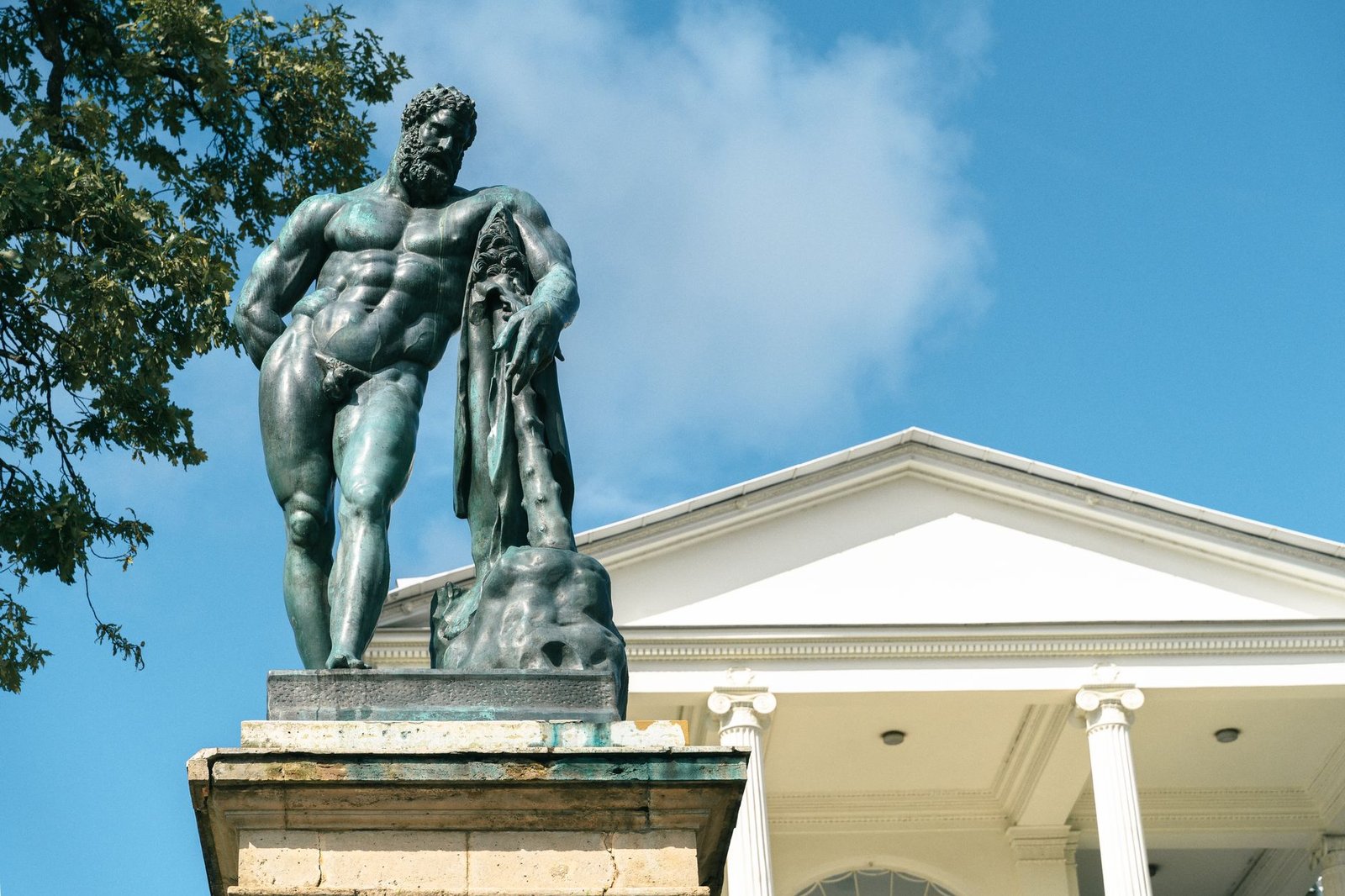
Jason and the Argonauts: Greek Mythology and the Quest
Jason and the Argonauts is a foundational Greek myth about Jason, prince of Iolcus, who sails the *Argo* with a band of heroes in quest of the Golden Fleece. Blending divine intervention, perilous travel, and political rivalry, the story reveals ancient Greek ideas about leadership, legitimacy, and the costly reach of ambition.

Bellerophon and the Chimera: Greek Mythology Story
Bellerophon and the Chimera is a classic Greek myth of heroic triumph and tragic ambition, telling how a mortal hero, aided by the gods, confronted a fire-breathing hybrid that terrorized Lycia. Beyond its dramatic battle, the story reveals Greek ideas about piety, kingship, and the limits of human power, inviting closer attention to the hero’s rise and downfall.
Atalanta’s Race: Greek Mythology and the Golden Apples
Atalantas race is a celebrated episode in Greek mythology, in which the swift heroine challenges her suitors to defeat her in a footrace or face death. Blending athletic contest, marriage, and divine intervention, the story reveals why Atalanta became a lasting symbol of independence, speed, and the unpredictable force of fate.
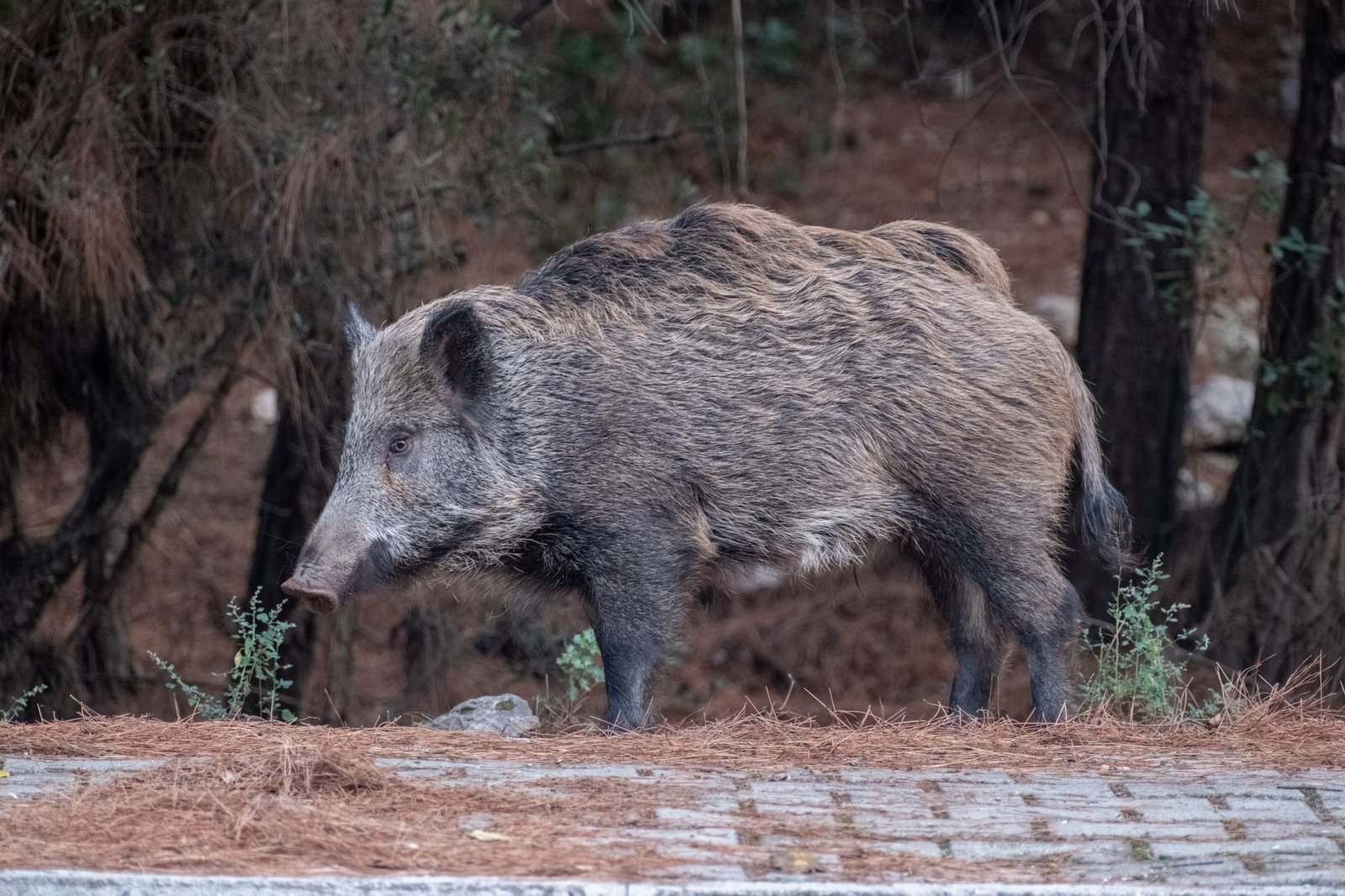
The Calydonian Boar Hunt: Greek Mythology Overview
The Calydonian Boar Hunt is a pivotal myth of Greek heroic legend, in which a divinely sent boar devastates Calydon and draws together famed figures such as Meleager, Atalanta, and Theseus. Its blend of sacred punishment, competition for honor, and family conflict explains why the story remained influential in ancient literature and art, inviting closer study of its deeper meanings.

Daedalus and Icarus: Greek Myth and Story Explained
Daedalus and Icarus stand at the center of one of Greek mythology’s most enduring moral stories, blending invention, confinement, and the peril of overconfidence. This article traces their escape from Crete, the meaning of their names, and the lasting influence of the myth on art, philosophy, and cultural ideas about ambition and restraint.
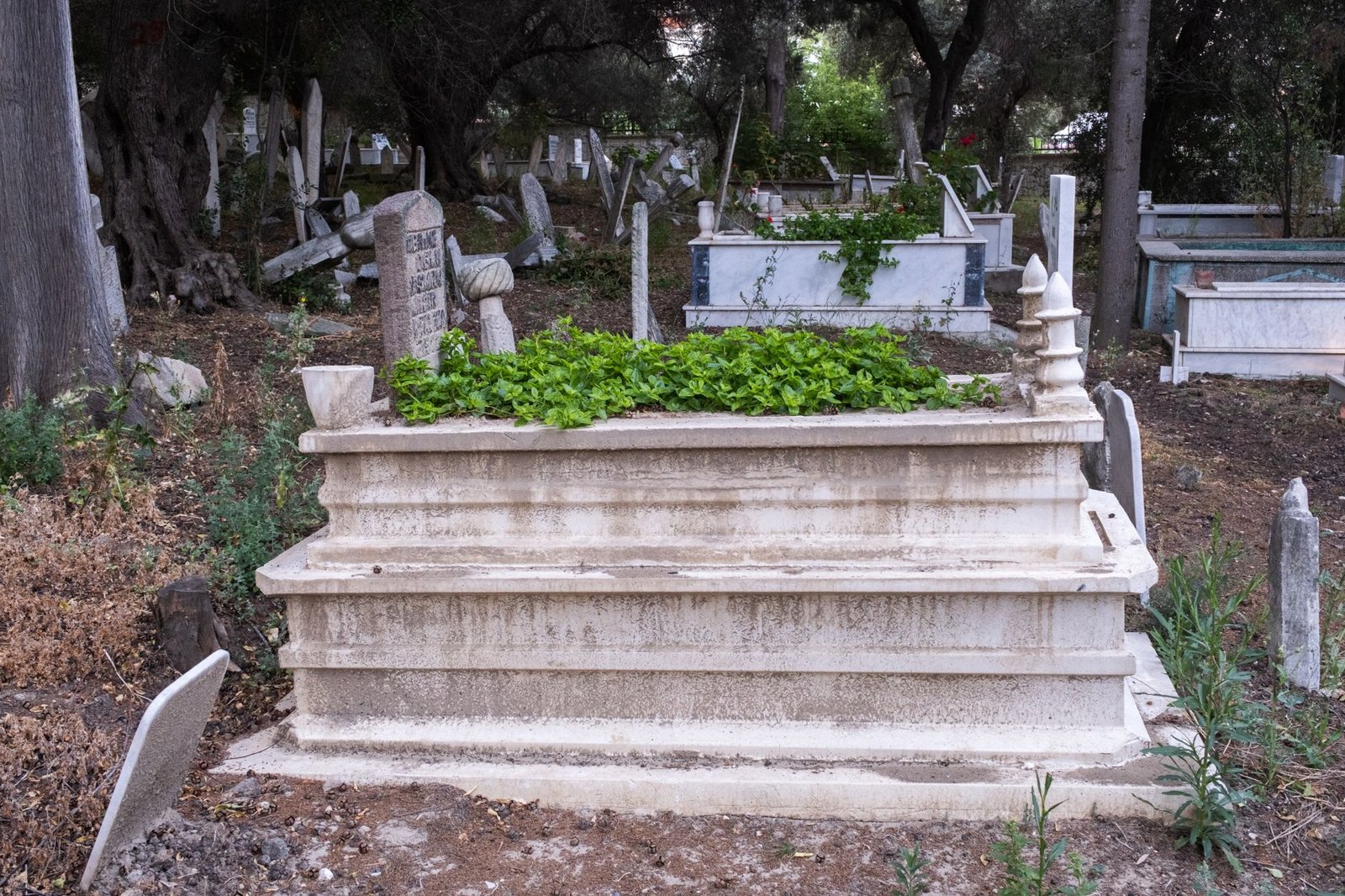
Antigone and the Burial of Polynices: Greek Tragedy
Antigone and the burial of Polynices recount a decisive clash between family loyalty, divine obligation, and the authority of the state in the Theban cycle of Greek myth. Best known from Sophocles’ *Antigone*, the episode invites readers to consider why her defiance mattered, how Polynices became a symbol of contested honor, and why the story still resonates.
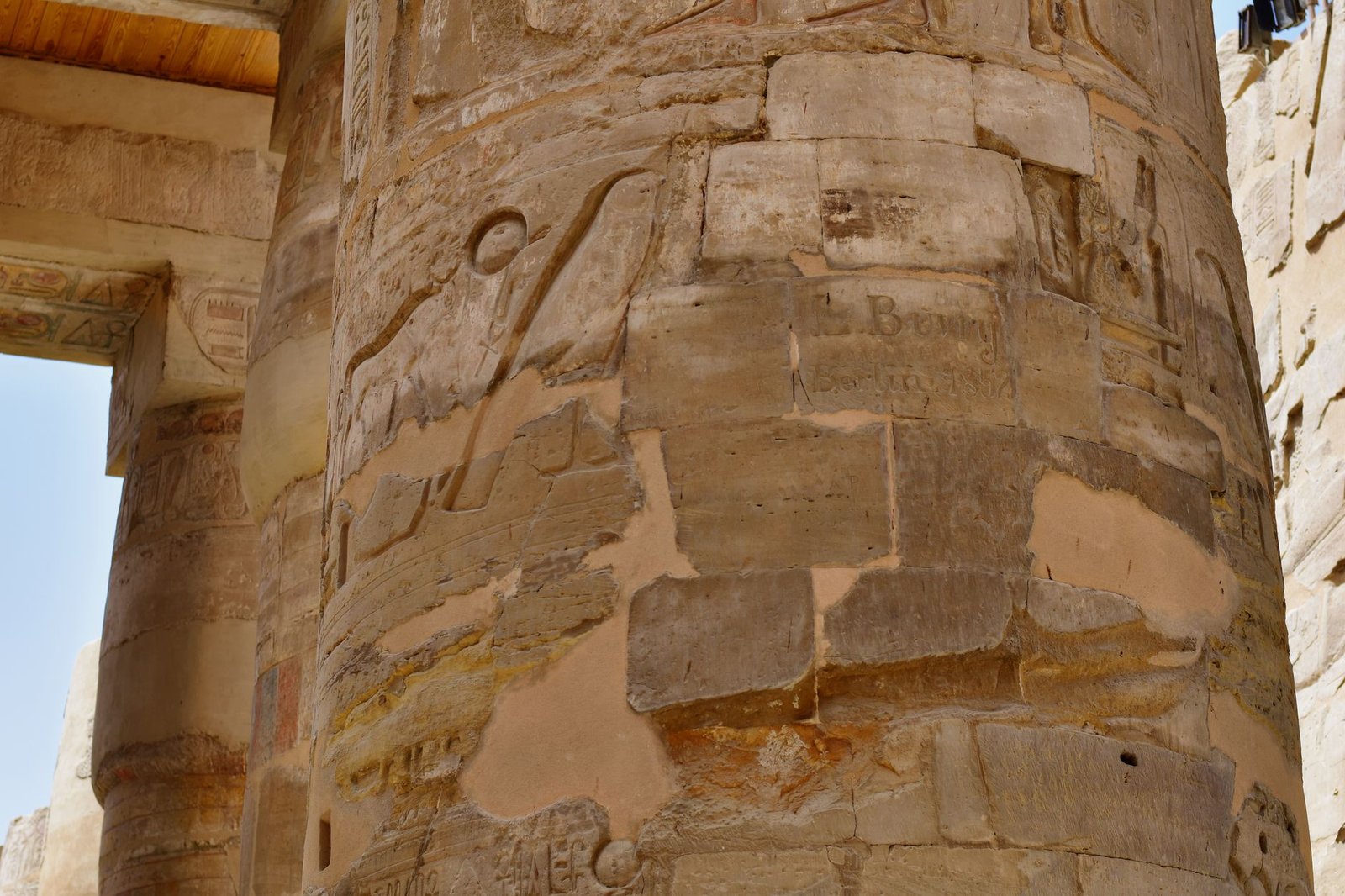
The Seven Against Thebes: Summary and Mythology
The Seven Against Thebes is a foundational myth of Greek literature, telling how Polynices assembled six champions to reclaim Thebes from his brother Eteocles amid a destructive family curse. Best known through Aeschylus’ tragedy, the story blends political rivalry, divine omens, and civic duty, offering a tense prelude to one of mythology’s most famous battles.
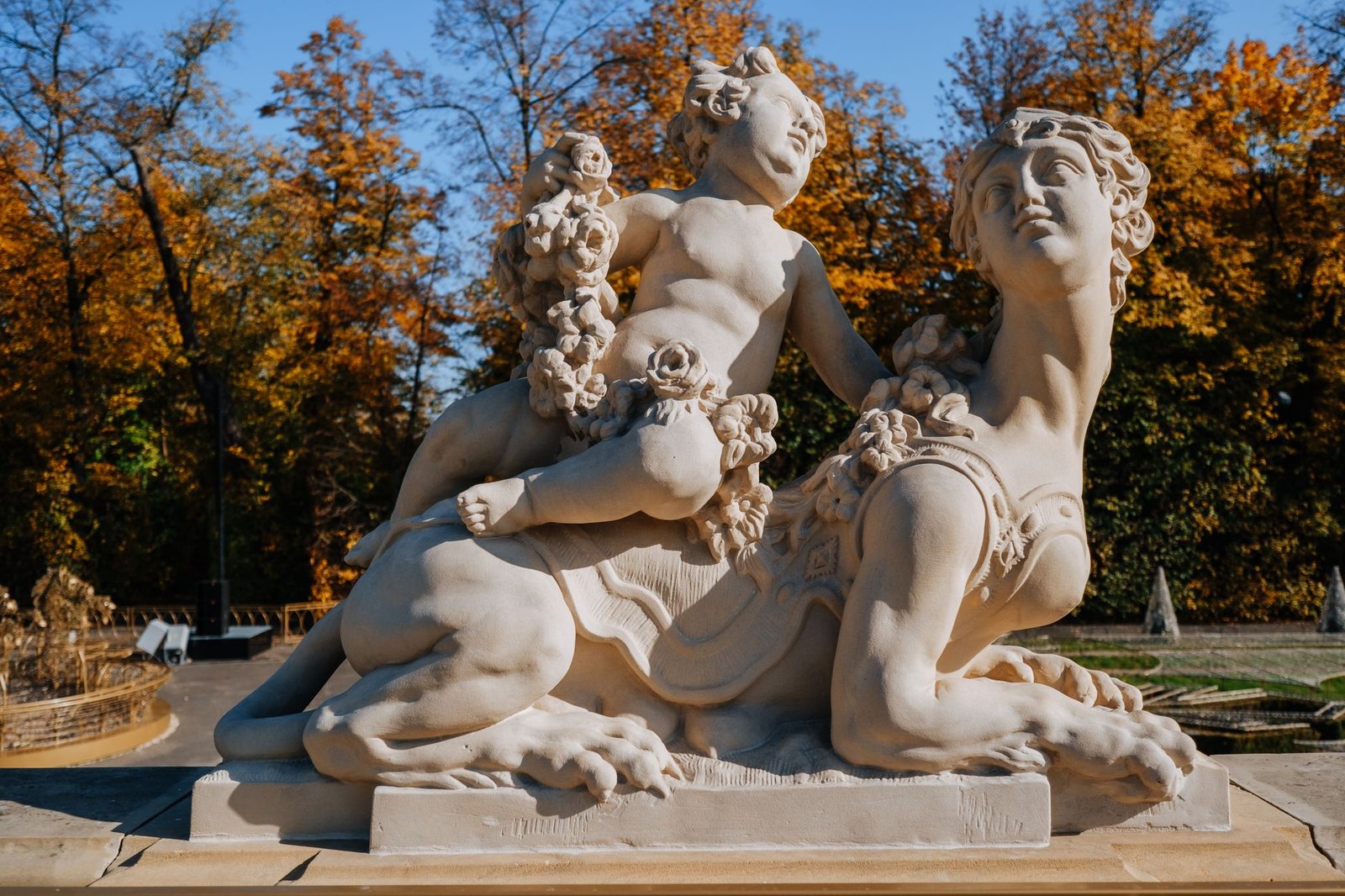
Oedipus and the Sphinx: Greek Myth and Story
Oedipus and the Sphinx is a defining episode in Greek mythology, uniting the Theban riddle, royal succession, and the tragic irony that follows Oedipus’s triumph. This article traces the myth’s literary sources, the symbolism of the Sphinx, and the larger themes of fate, identity, and human knowledge that made the story enduring.
The House of Atreus: Greek Mythology Family History
The House of Atreus is the legendary Greek dynasty whose history links Tantalus, Atreus, Agamemnon, Menelaus, and their descendants in a cycle of murder, guilt, and divine retribution. Shaped by myth, epic, and tragedy, its story reveals how inherited crime and family loyalty collide in the royal world of Mycenae and Argos.
Odysseus and the Cyclops: Summary and Analysis
Odysseus and the Cyclops is a defining episode in Homer’s *Odyssey*, where the king of Ithaca confronts the one-eyed giant Polyphemus after being trapped in his cave. Blending suspense, cleverness, and the Greek code of *xenia*, the story reveals why Odysseus survives by wit—and why Poseidon later becomes his enemy.