How Many Gods Are There in Greek Mythology?
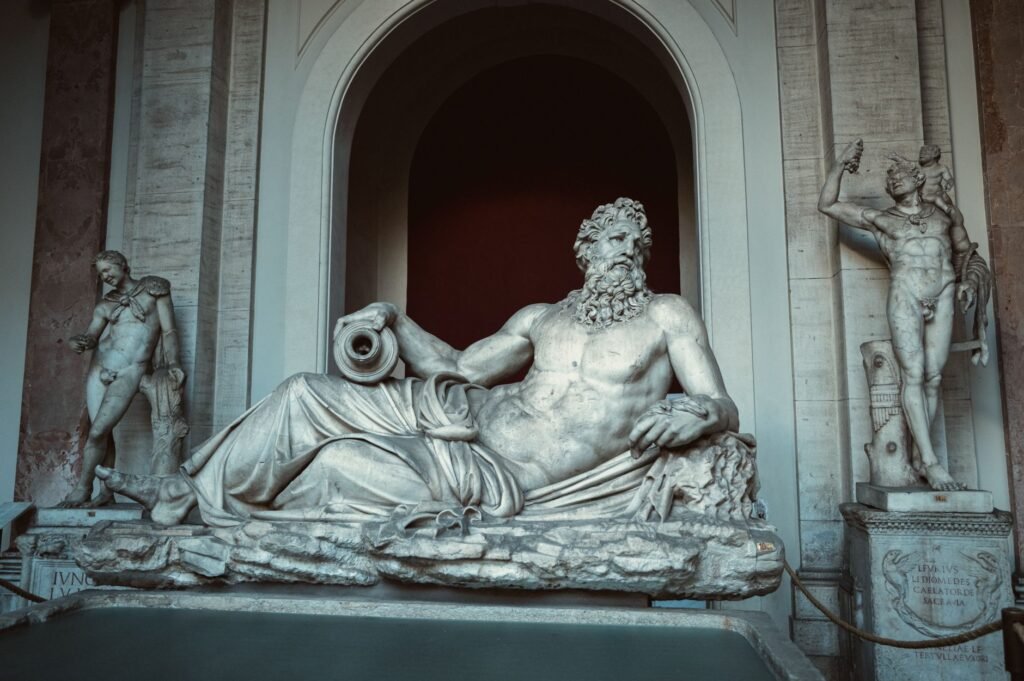
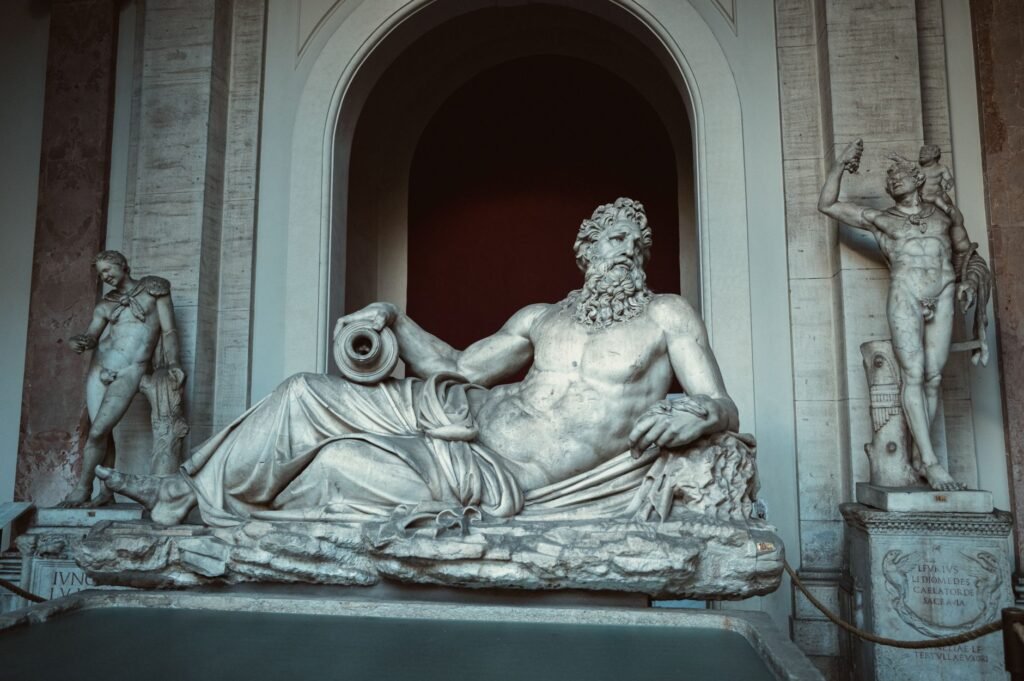
Greek mythology is filled with powerful gods, mysterious spirits, heroic figures, and countless divine beings. So, how many gods are there in Greek mythology? The simple answer is: there is no fixed number. Greek mythology includes hundreds, possibly thousands, of divine figures when major gods, minor gods, Titans, primordial deities, nature spirits, and personified concepts are counted together.
However, when most people ask about the gods of Greek mythology, they are usually thinking of the Twelve Olympians—the famous group of gods who ruled from Mount Olympus. But the mythological world of ancient Greece was much larger than those twelve figures.
The Twelve Olympian Gods
The best-known gods in Greek mythology are the Twelve Olympians. These were the major deities believed to live on Mount Olympus under the rule of Zeus.
The commonly recognized Twelve Olympians are:
- Zeus – King of the gods and god of the sky, thunder, and law
- Hera – Queen of the gods and goddess of marriage and family
- Poseidon – God of the sea, earthquakes, and horses
- Demeter – Goddess of agriculture, harvest, and fertility
- Athena – Goddess of wisdom, warfare, and crafts
- Apollo – God of the sun, music, prophecy, and healing
- Artemis – Goddess of the hunt, wilderness, and the moon
- Ares – God of war and violence
- Aphrodite – Goddess of love, beauty, and desire
- Hephaestus – God of fire, metalworking, and craftsmanship
- Hermes – Messenger of the gods and god of travel, trade, and thieves
- Dionysus – God of wine, theater, celebration, and madness
In some traditions, Hestia, goddess of the hearth and home, is included among the Twelve Olympians instead of Dionysus. This is one reason the exact list can vary depending on the source.
Why Is There No Exact Number?
The question “how many gods are there in Greek mythology” is difficult because Greek mythology developed over many centuries. Different regions of ancient Greece worshipped different deities, told different versions of myths, and sometimes gave local gods their own unique names and stories.
Greek religion was not based on one central book or official list. Instead, myths were passed down through poems, plays, local traditions, and oral storytelling. As a result, the number of gods changes depending on what you include.
For example, should the count include only the Olympian gods? Should it include the Titans? What about river gods, sea nymphs, or personifications like Sleep and Victory? Each answer gives a different total.
The Primordial Gods
Before the Olympians and even before the Titans, Greek mythology describes the primordial gods. These were ancient divine forces connected to the creation of the universe.
Some important primordial deities include:
- Chaos – The original void or emptiness from which creation began
- Gaia – The Earth
- Uranus – The Sky
- Tartarus – The deep abyss of the underworld
- Eros – A force of love and creation
- Nyx – Night
- Erebus – Darkness
- Hemera – Day
- Aether – The bright upper air
These beings were less like human-shaped gods and more like cosmic powers. They formed the foundation of the Greek universe.
The Titans
After the primordial gods came the Titans, a powerful generation of deities born from Gaia and Uranus. The Titans ruled before Zeus and the Olympians overthrew them.
The main Titans include:
- Cronus – Leader of the Titans and father of Zeus
- Rhea – Mother of the Olympian gods
- Oceanus – Titan of the world-encircling river
- Tethys – Goddess connected with fresh water
- Hyperion – Titan of heavenly light
- Theia – Titaness of sight and shining light
- Coeus – Titan of intellect
- Phoebe – Titaness associated with prophecy
- Iapetus – Father of Atlas and Prometheus
- Themis – Titaness of divine law and order
- Mnemosyne – Titaness of memory
- Crius – A lesser-known Titan connected to the stars
There were also many children of the Titans, including famous figures like Prometheus, Atlas, Helios, Selene, and Eos.
Minor Gods and Divine Spirits
Beyond the Olympians, primordial gods, and Titans, Greek mythology includes a huge number of minor gods and divine spirits. These beings often ruled over specific parts of nature, emotions, places, or human experiences.
Examples include:
- Nike – Goddess of victory
- Hypnos – God of sleep
- Thanatos – Personification of death
- Nemesis – Goddess of revenge and balance
- Iris – Goddess of the rainbow and messenger of the gods
- Hecate – Goddess of magic, crossroads, and witchcraft
- Pan – God of the wild, shepherds, and rustic music
There were also countless nymphs, river gods, sea gods, mountain spirits, and daimones, which were divine or semi-divine spirits linked to specific forces or locations.
Nature Deities and Local Gods
Ancient Greeks believed the natural world was full of divine presence. Rivers, springs, forests, winds, and mountains could all have their own gods or spirits.
For example:
- Every major river could be represented by a river god.
- Trees and forests were home to dryads and other nymphs.
- The sea contained gods like Nereus, Proteus, Triton, and the Nereids.
- Winds were personified by the Anemoi, such as Boreas, Notus, Eurus, and Zephyrus.
Because every region had its own local traditions, the total number of divine beings in Greek mythology becomes extremely large.
So, How Many Gods Are There in Greek Mythology?
If you mean the major ruling gods, there are usually twelve Olympian gods. If you include the Titans and primordial deities, the number grows to several dozen. If you include minor gods, nature spirits, river gods, nymphs, and personified powers, Greek mythology contains hundreds or even thousands of divine beings.
The best answer is that Greek mythology does not have one official number of gods. Instead, it presents a vast and complex world where almost every part of life and nature could have a divine figure connected to it.
Final Thoughts
Greek mythology is much more than a list of twelve famous gods. While Zeus, Hera, Poseidon, Athena, and Apollo are central figures, they are only part of a much larger divine family. From the ancient forces of Chaos and Gaia to the countless spirits of rivers, forests, and winds, Greek mythology contains an enormous number of gods and supernatural beings.
So when asking how many gods are there in Greek mythology, the most accurate answer is: twelve major Olympians, but hundreds or thousands of gods and divine beings overall.

Orin Vale has spent the better part of two decades tracing the threads that connect the world’s oldest stories — from the halls of Asgard to the banks of the Nile, from Olympus to the jungles of the Maya. What began as a childhood fascination with flood myths and trickster gods grew into years of independent study across comparative mythology and ancient religion, always chasing the same question: what did these stories mean to the people who first told them? Orin writes for readers who want more than trivia — the ones looking for the beliefs, fears, and truths that myths were built to carry.