Amaterasu
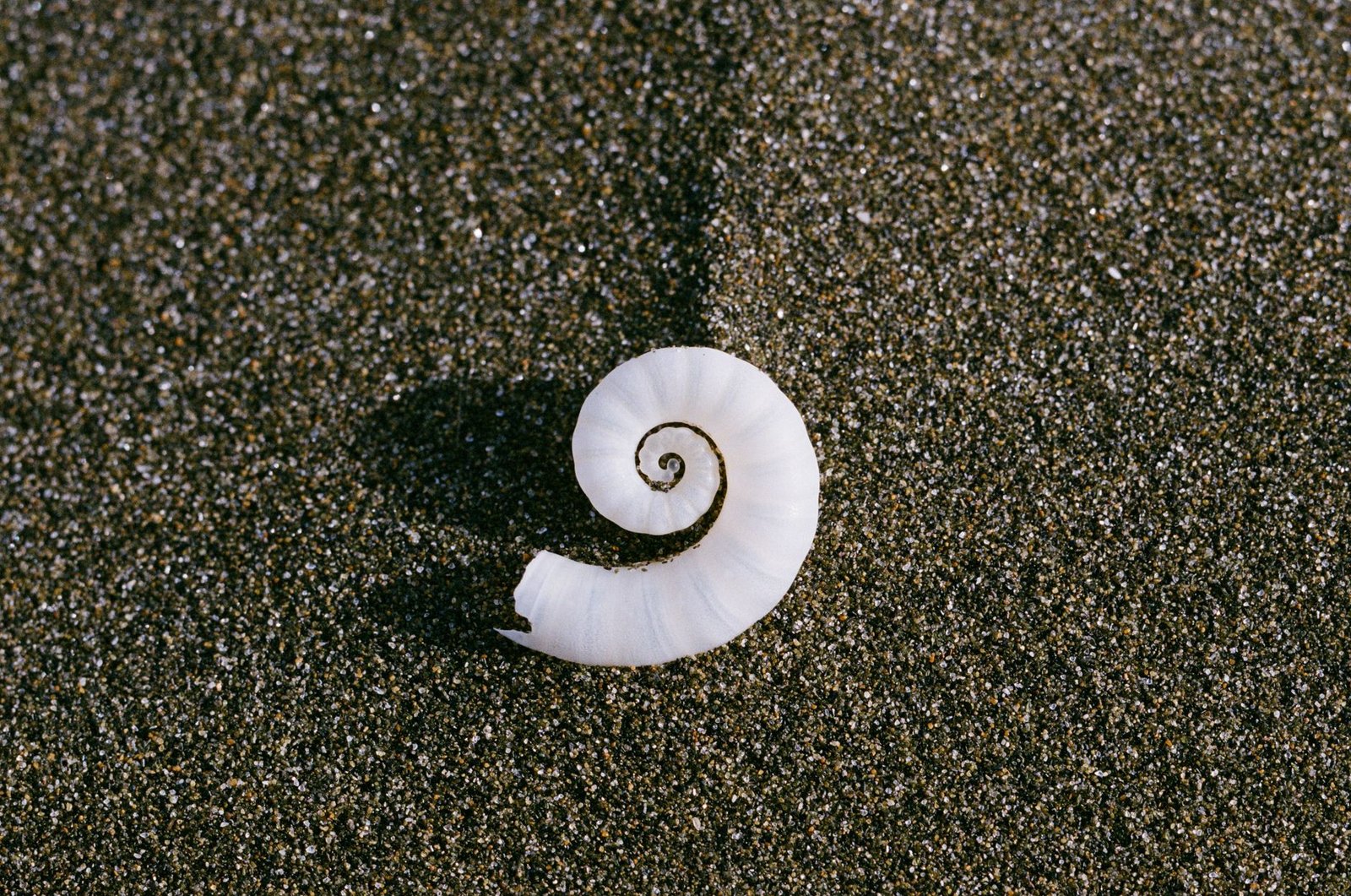
Yasakani No Magatama: Sacred Jewel of Japan
Yasakani no Magatama is a central object in Japanese mythology and imperial tradition, revered as one of the Three Imperial Regalia alongside the sword and mirror. This article traces its ancient origins, symbolic role in legitimizing imperial authority, and the mystery surrounding a sacred jewel that remains hidden from public view.
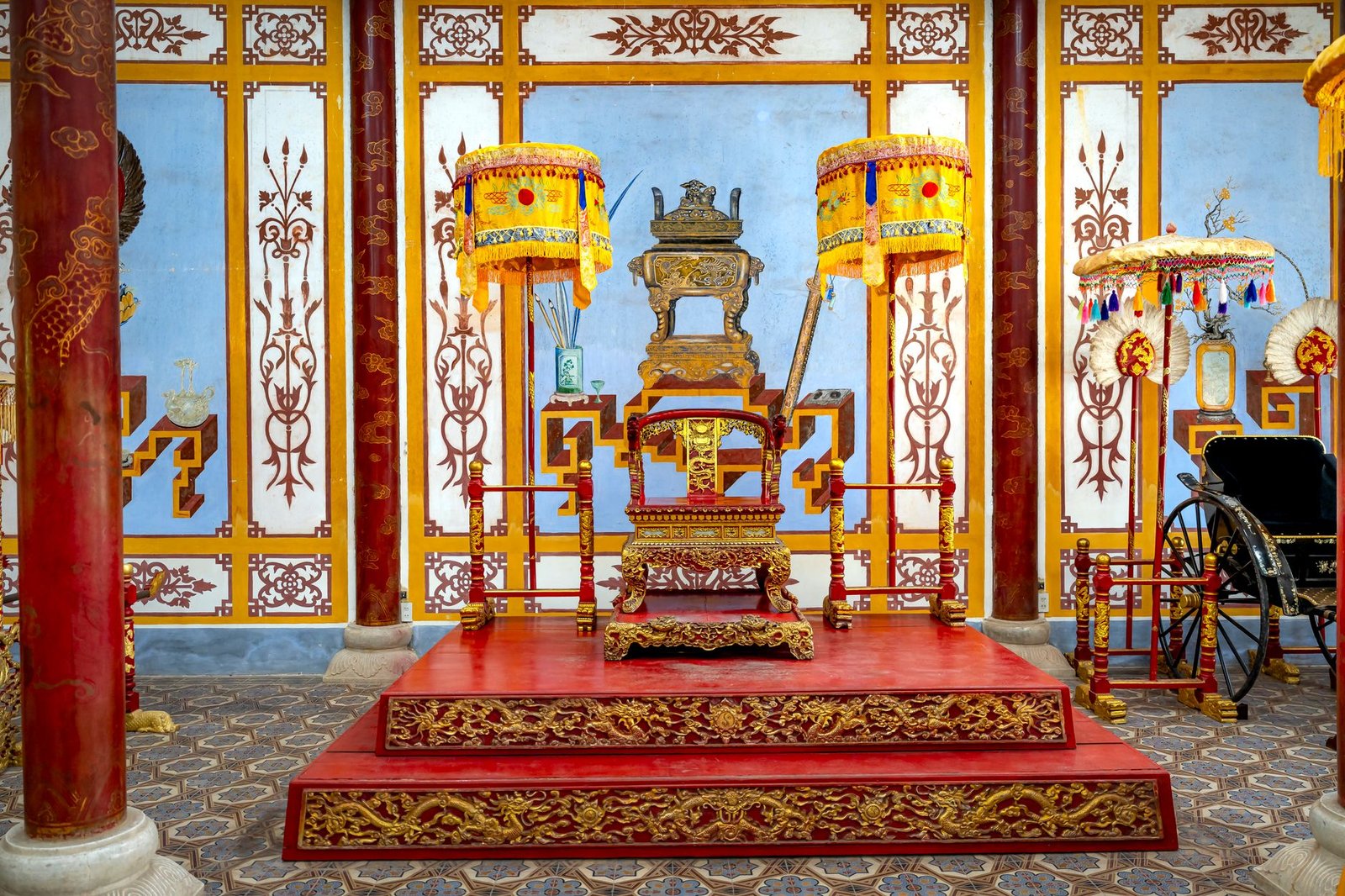
What Are the Three Imperial Regalia in Japanese History
The Three Imperial Regalia are Japan’s sacred sword, mirror, and jewel, symbols of imperial legitimacy rooted in Shinto mythology and the legends of Amaterasu. Rarely displayed and steeped in ritual secrecy, they reveal how divine authority, historical tradition, and national identity became inseparable in the Japanese imperial house.
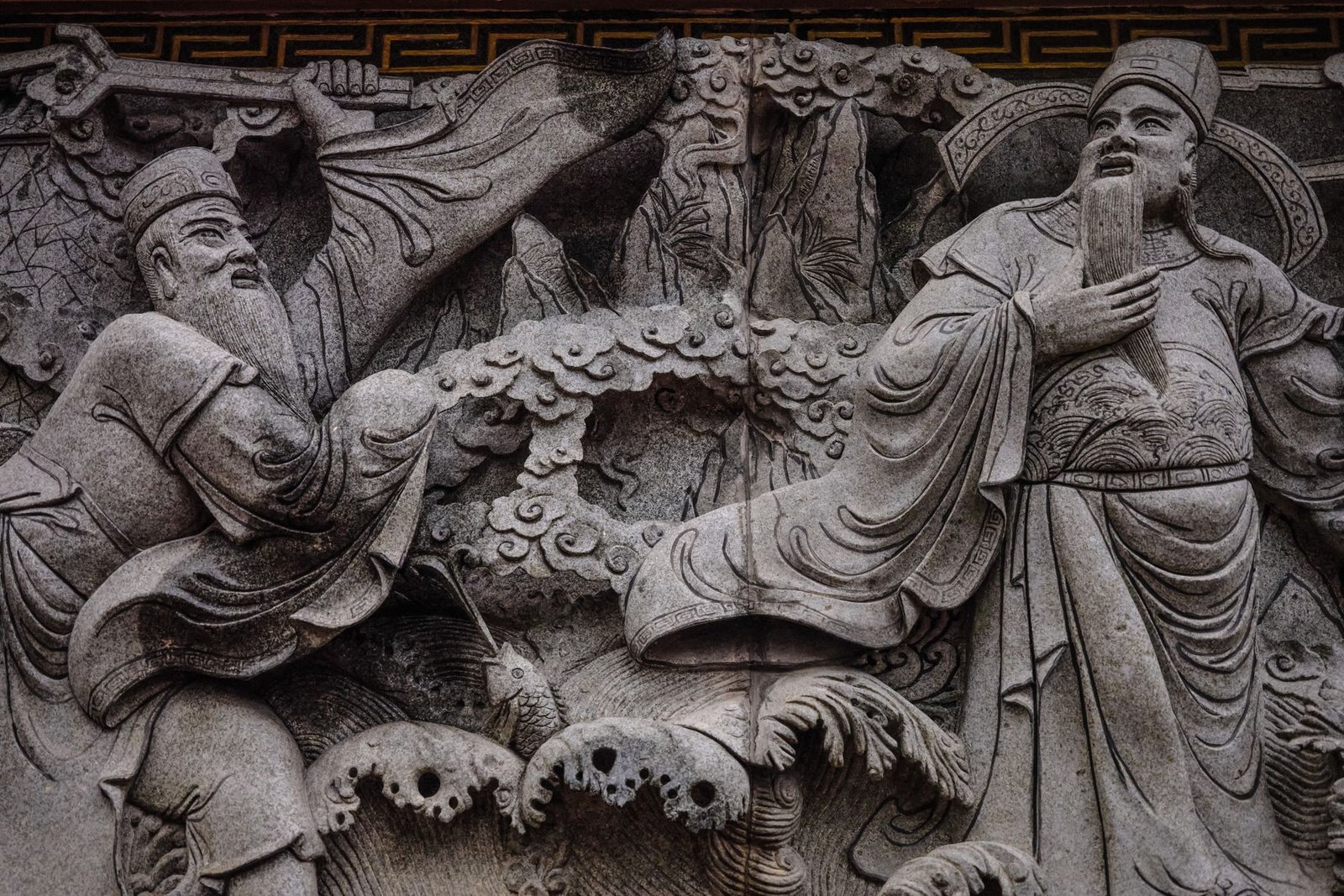
Susanoo: Japanese God of Storms and Sea
Susanoo is a central deity in Japanese mythology, remembered as a storm god, sea deity, and disruptive force whose myths appear in the Kojiki and Nihon Shoki. His conflict with Amaterasu and defeat of Yamata no Orochi reveal a figure who can bring both calamity and renewal, leaving a legacy that still shapes religion, literature, art, and popular culture.
Ninigi: Japanese Mythology Deity and Imperial Ancestor
Ninigi is a central figure in Japanese mythology, remembered as the grandson of Amaterasu and the heavenly envoy whose descent to earth links the gods with Japan’s imperial line. His story, preserved in the Kojiki and Nihon Shoki, reveals how sacred authority, the Three Sacred Treasures, and the origin of the ruling house became joined in a lasting mythic tradition.
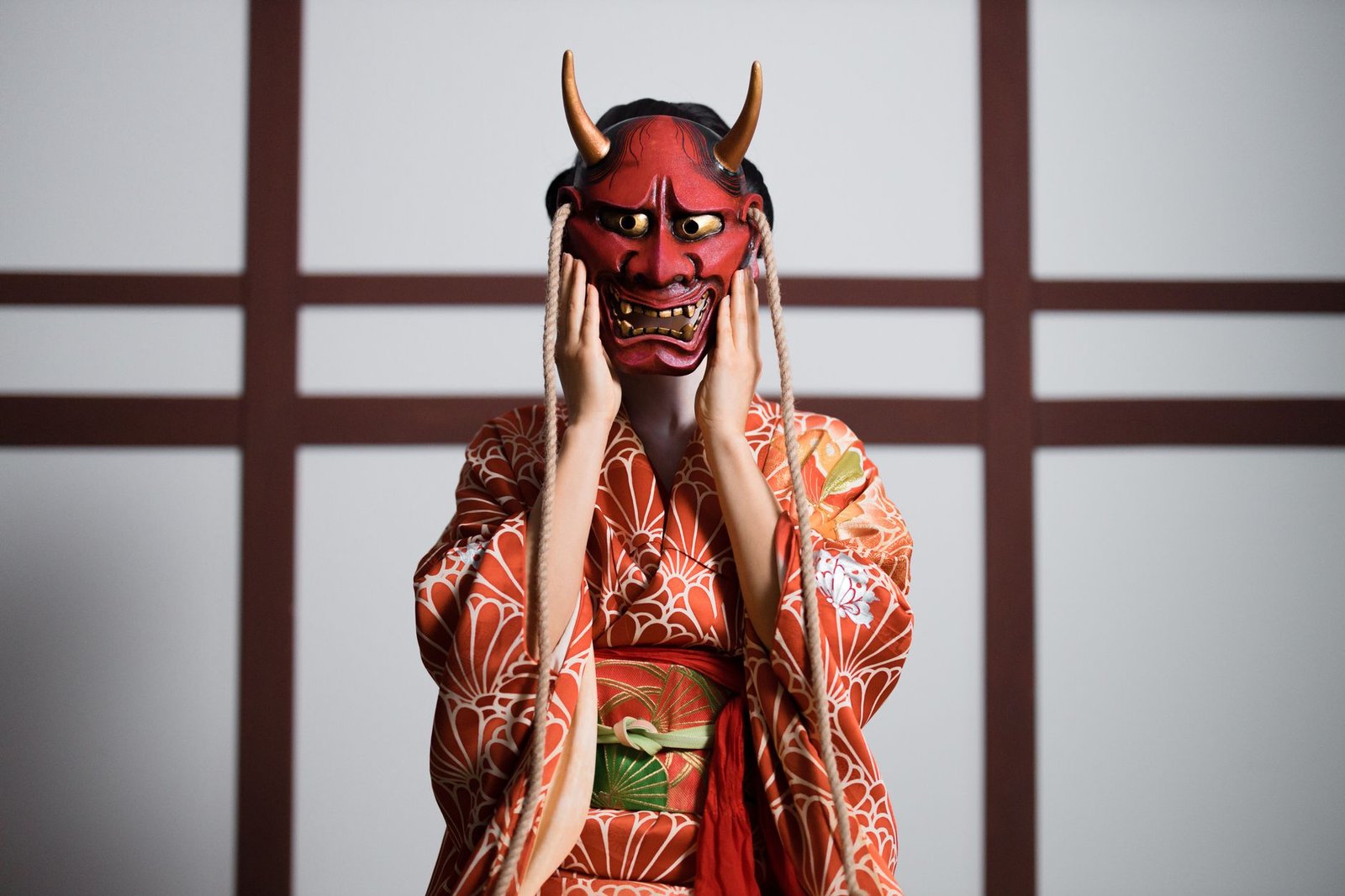
Ame-no-Uzume: Japanese Goddess of Dawn and Dance
Ame-no-Uzume, or Ame-no-Uzume-no-Mikoto, is a central deity in Japanese mythology, celebrated for dance, mirth, and the power to bring hidden things into the light. Best known for luring Amaterasu from a cave and restoring the world’s sunlight, she also shaped Shinto ritual, kagura, and traditions of performance, fertility, and renewal.
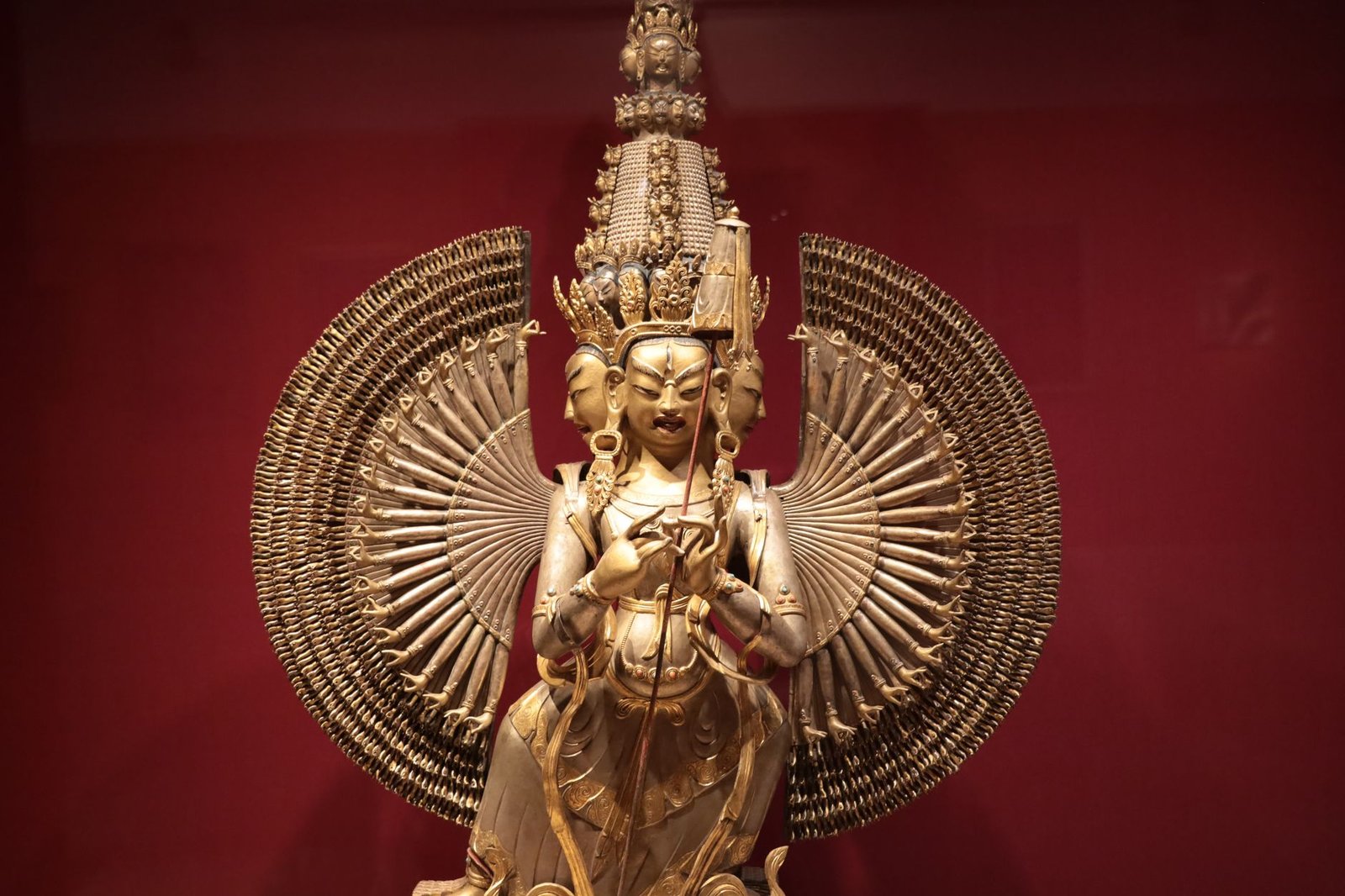
Who Is the Supreme Deity in Shinto? Explained
In answering who is the supreme deity in Shinto, many scholars point to Amaterasu Ōmikami, the sun goddess whose mythic role links light, order, and the imperial line of Japan. Yet Shinto’s flexible tradition of kami worship leaves room for regional beliefs, historical shifts, and competing interpretations that make her status more nuanced than it first appears.
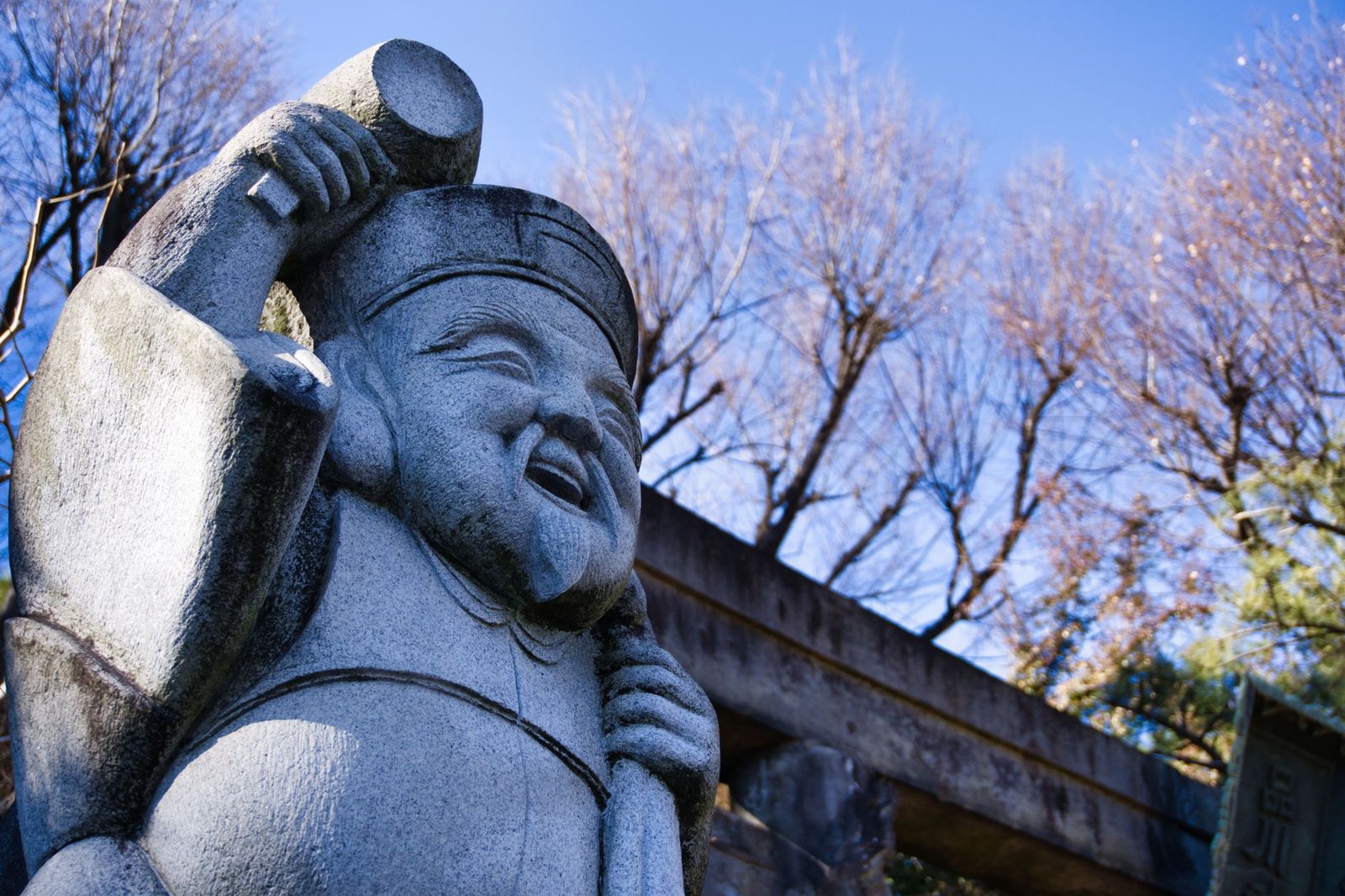
Is the Emperor of Japan Considered Descended From Gods?
The question of whether the Emperor of Japan is considered descended from the gods lies at the heart of Shinto mythology and imperial tradition. Tracing the imperial line to Amaterasu, this belief has shifted from sacred genealogy to symbolic authority, revealing how myth, history, and modern constitutional monarchy intersect in Japan.
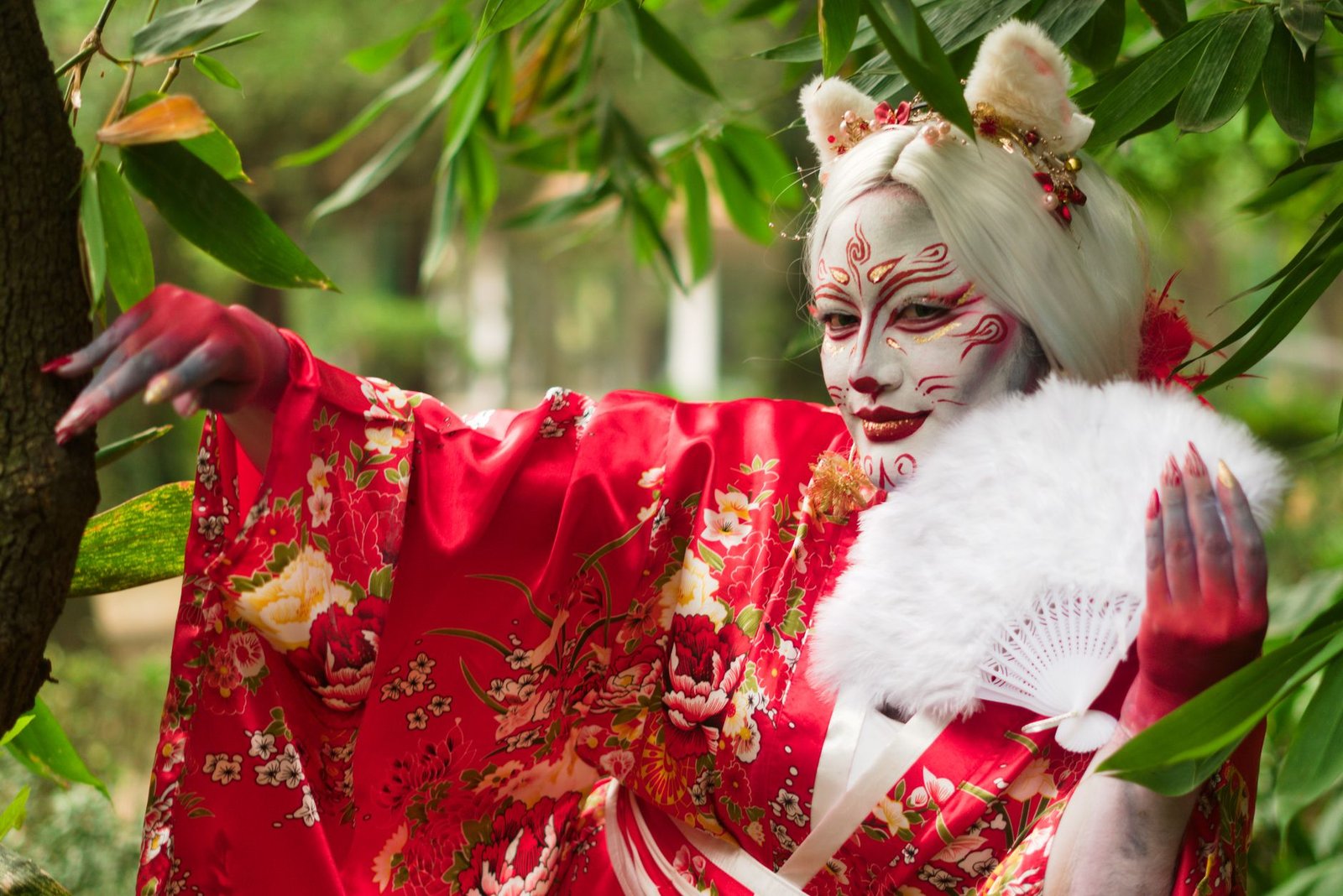
Amaterasu: Japanese Sun Goddess and Shinto Deity
Amaterasu, the Japanese sun goddess and central Shinto deity, embodies light, order, and divine sovereignty in Japan’s mythic and imperial traditions. Rooted in the Kojiki and Nihon Shoki, her origins, symbolism, and enduring influence reveal how a solar goddess became a foundation of religious life, national identity, and cultural memory.
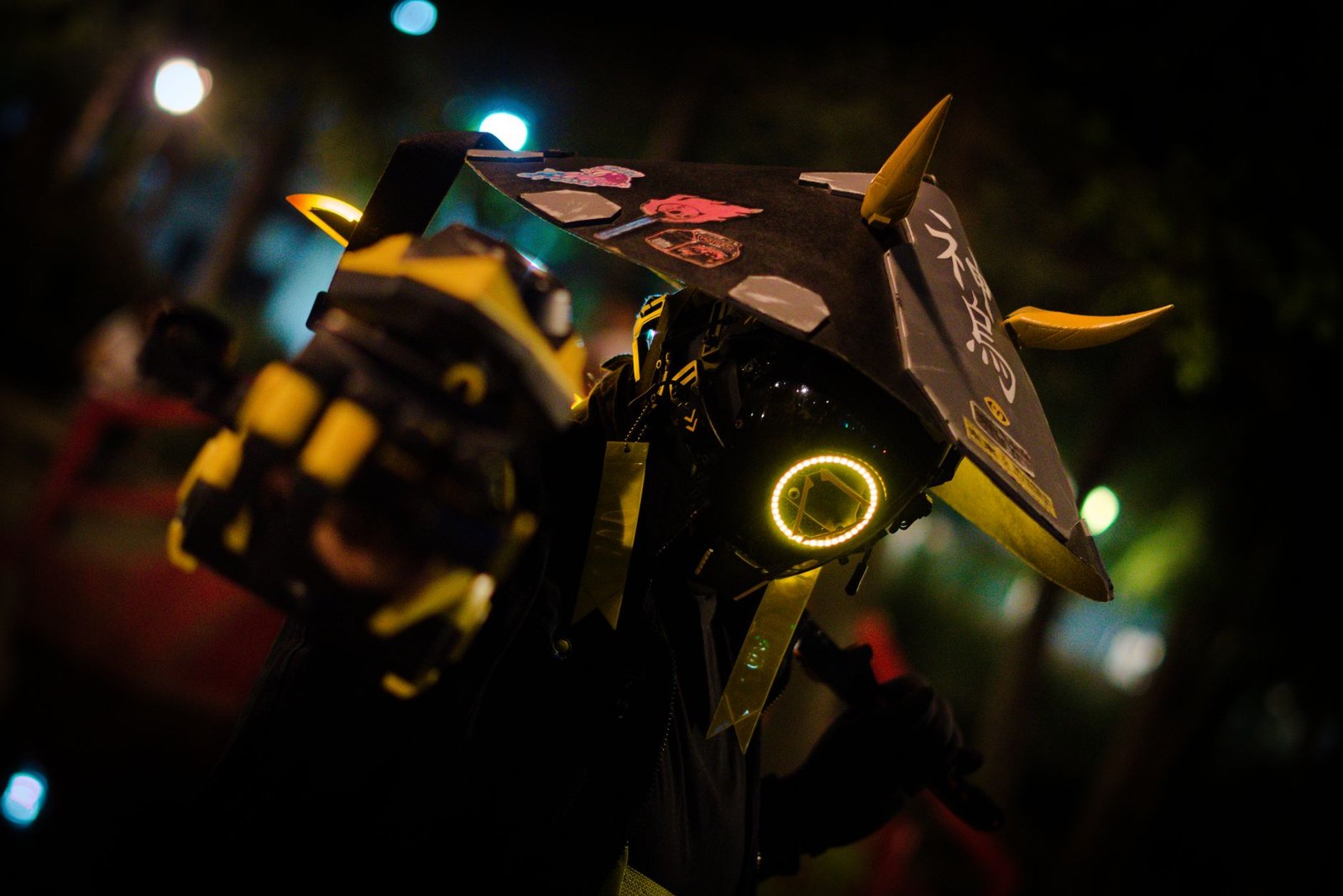
Tsukuyomi: Japanese Moon God in Shinto Mythology
Tsukuyomi, the Japanese moon god in Shinto mythology, stands among Japan’s oldest deities as the elusive sibling of Amaterasu and Susanoo. This article explores his uncertain origins, sparse appearances in the classical chronicles, and enduring role as a symbol of moonlight, night, and the ordered balance of the heavens.