ancient Greek art
Geryon: Greek Mythology Giant and Heracles Opponent
Geryon is a striking figure from Greek mythology, best known as the triple-bodied king of Erytheia whose herd of red cattle drew Heracles to the far western edge of the world. Exploring his name, shifting ancient descriptions, and lasting presence in literature and art reveals how this monster came to embody the mysteries of remote lands and heroic conquest.
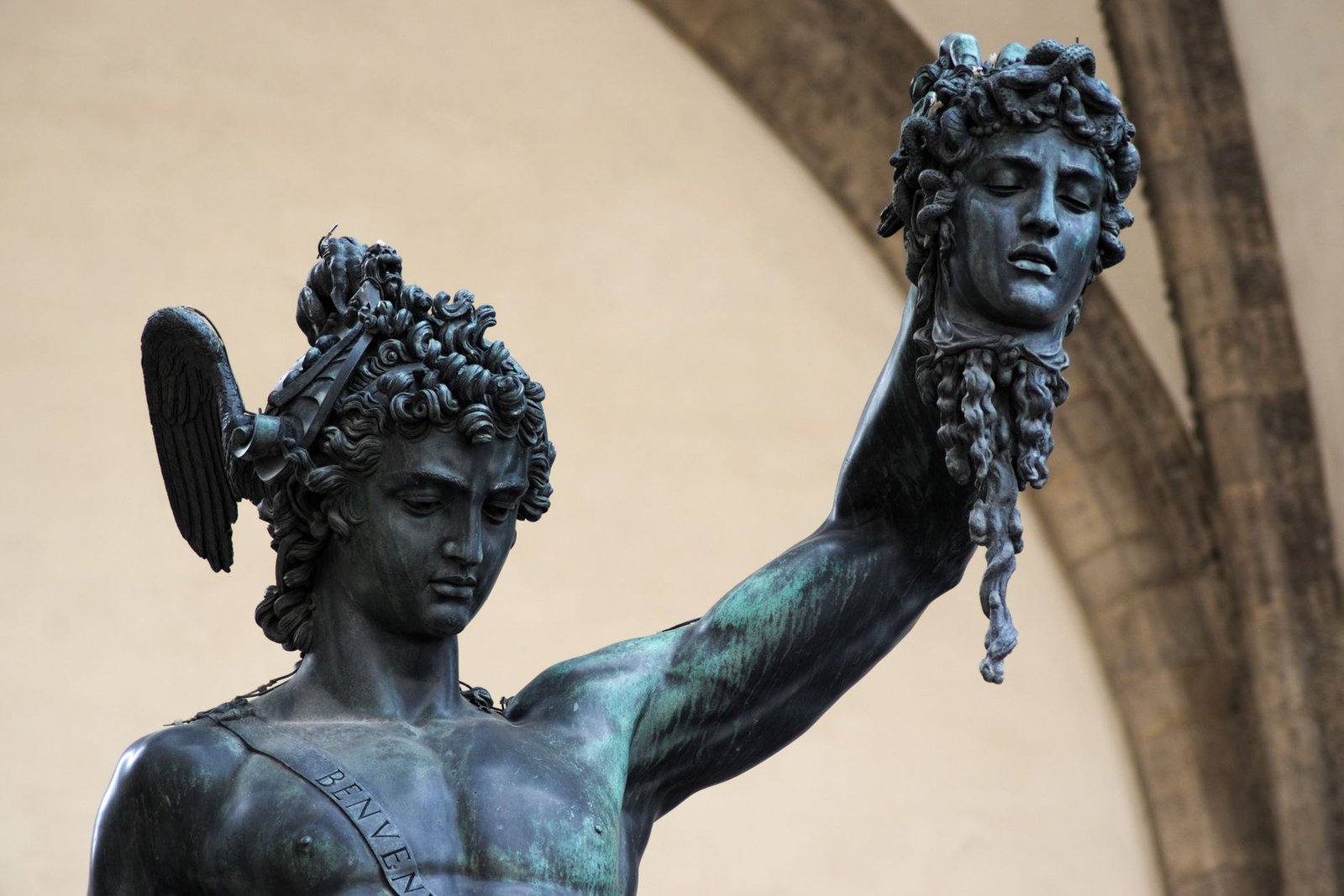
Gorgoneion: Meaning, Symbolism, and Ancient Greek Art
The Gorgoneion, the striking image of a Gorgon’s head most often linked to Medusa, served in ancient Greece and Rome as a potent apotropaic symbol meant to repel evil and protect against harm. Found on armor, temples, coins, and jewelry, it reveals how a terrifying mythic face became one of antiquity’s most enduring emblems of power and protection.
Shield of Achilles: Meaning, Description, and Mythology
The Shield of Achilles, forged by Hephaestus for Homer’s hero, is one of Greek literature’s most celebrated objects, famed not only for its divine craftsmanship but for the world it depicts. Through its scenes of war, peace, labor, and celebration, the shield offers a vivid vision of cosmic order and human life, inviting closer study of its symbolic power.
Herm Island: History, Geography, and Visitor Guide
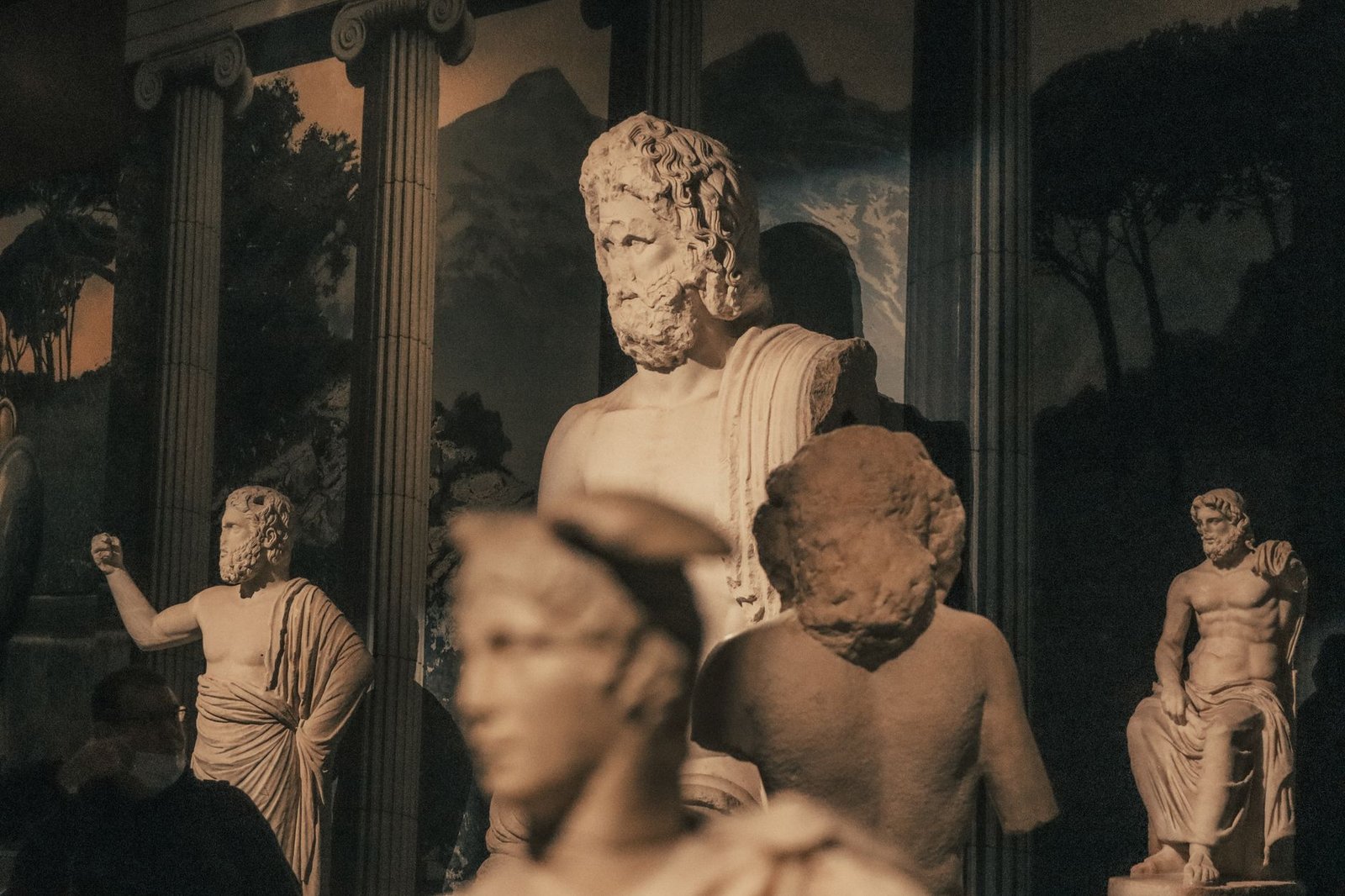
A herm was a distinctive stone boundary marker of the ancient Greek world, usually shaped as a squared pillar crowned by the head of Hermes and placed at roads, crossroads, and thresholds. Blending practical purpose with religious meaning, the herm reveals how Greeks understood travel, protection, and sacred space, and its later adaptations invite closer inspection.
Kantharos of Dionysus: Ancient Greek Wine Vessel
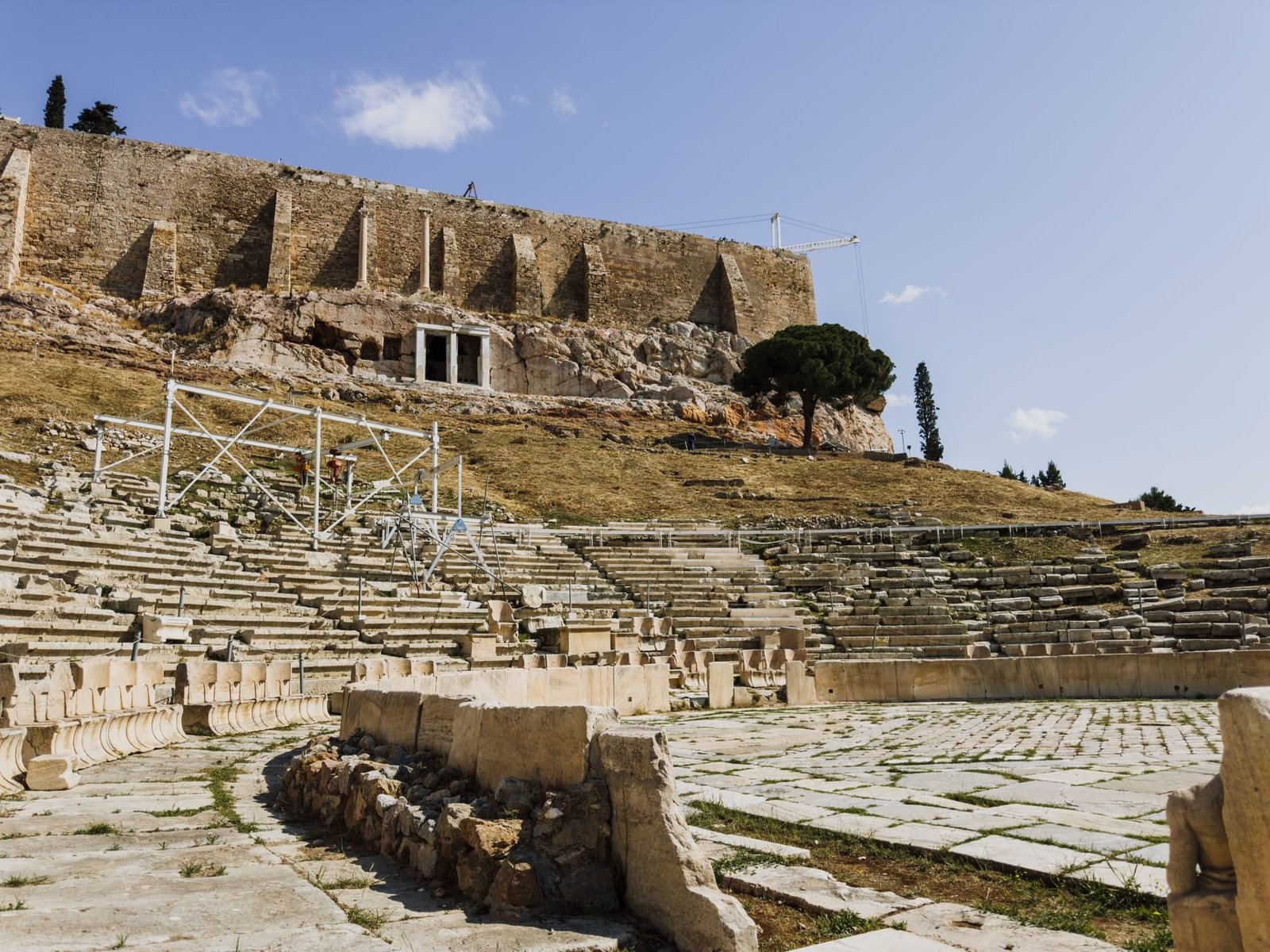
The Kantharos of Dionysus is a deep, high-handled drinking cup that became one of the god’s most enduring symbols in Greek art and religion. Exploring its origins reveals how a simple vessel came to embody wine, ritual ecstasy, fertility, and the uneasy balance between sacred celebration and divine power.
Ladon: Greek Mythology Dragon and Guardian of the Apples
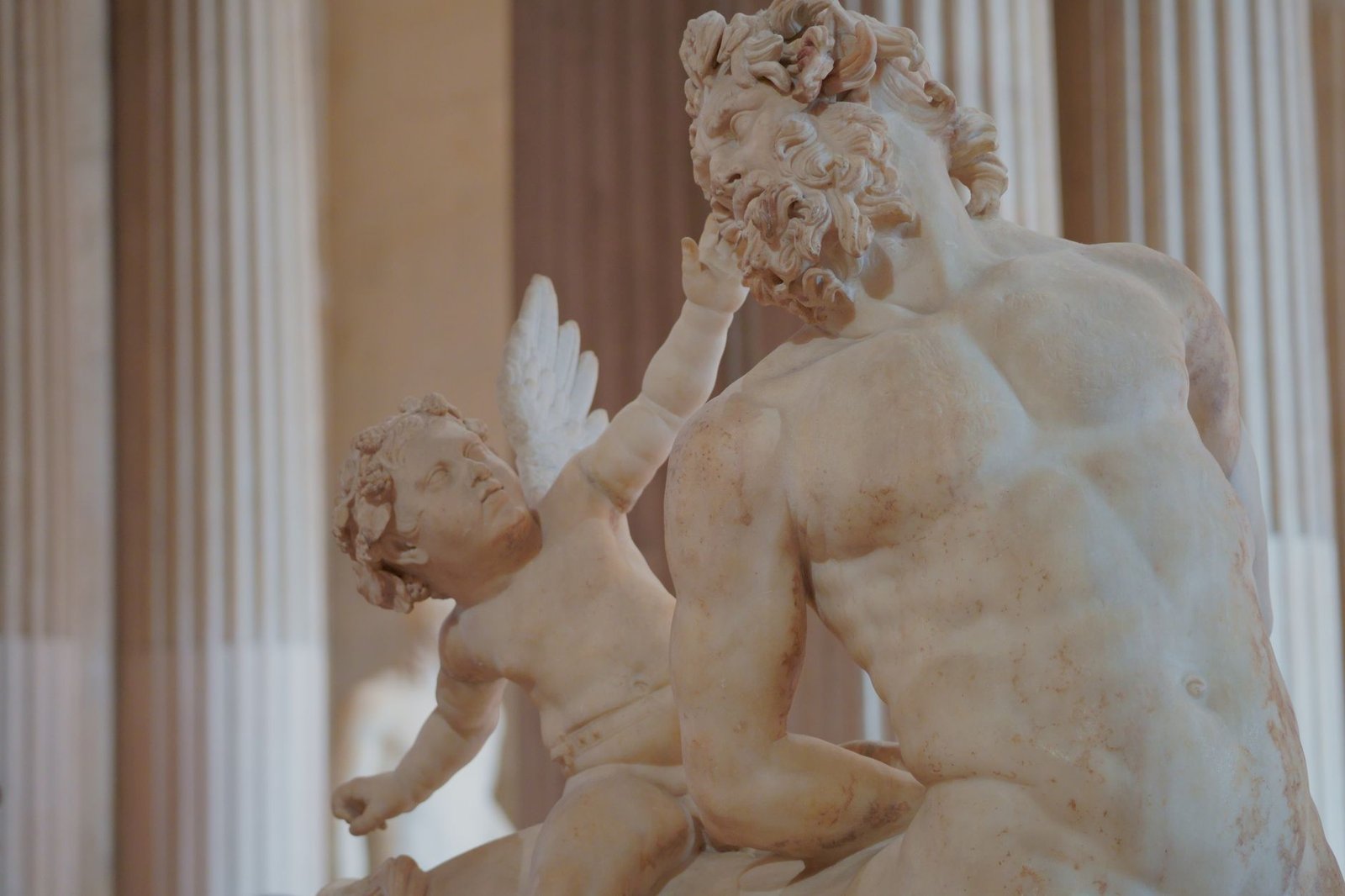
Ladon is the many-headed serpent or dragon of Greek mythology, famed for guarding the golden apples in the Garden of the Hesperides and for appearing in the stories of Heracles, Atlas, and the boundary between mortal and divine realms. His shifting portrayals in myth and art reveal a powerful ancient symbol of vigilance, danger, and the challenge of reaching what is sacredly protected.

Satyrs: Definition, Origin, and Mythology Explained
Satyrs are enduring figures of Greek mythology, portrayed as wild companions of Dionysus who embody music, intoxication, fertility, and the untamed side of nature. This excerpt traces their origins, shifting meanings, and artistic legacy, while showing how satyrs came to symbolize the uneasy boundary between civilization and instinct.