ancient Roman culture
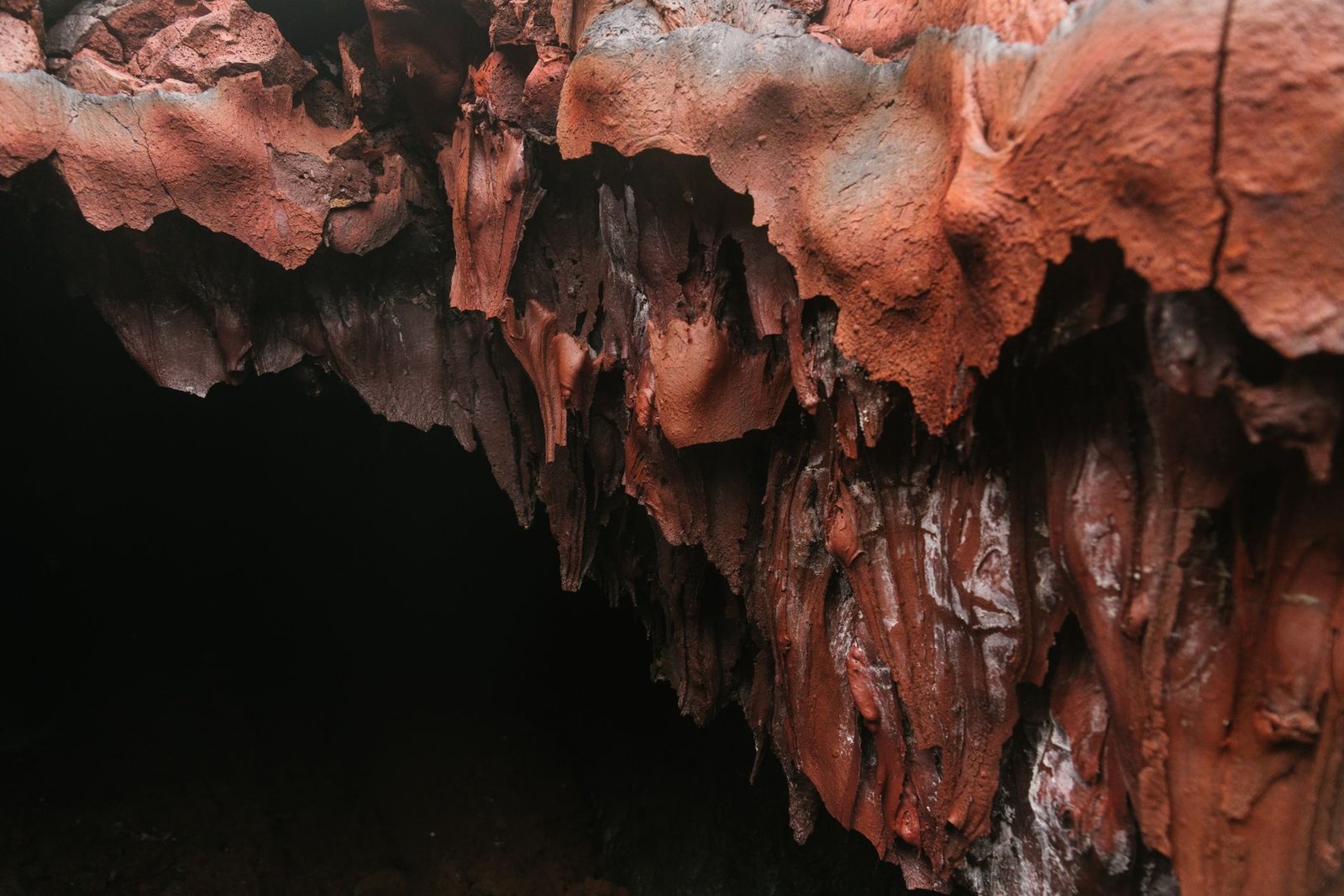
Aeneas’s Descent Into the Underworld: Meaning and Summary
Aeneass Descent into the Underworld, a central episode in Virgil’s *Aeneid*, recounts the Trojan hero’s journey into the realm of the dead under the guidance of the Sibyl of Cumae. There he seeks Anchises’s counsel, and the encounter reveals Roman ideas of fate, duty, and imperial destiny while linking Troy’s fall to the future foundation of Rome.

Roman Basilisk: History, Myth, and Symbolism
The Roman basilisk was not a formal deity, but a legendary serpent absorbed from Greek lore into Roman literature, natural history, and moral writing. Famous for its lethal gaze and royal name, the Roman basilisk reveals how antiquity blended observation, myth, and wonder in describing the world’s most feared creatures.

Two Faces of Janus: Meaning, Symbolism, and Origins
Two Faces of Janus is a concise entry into the Roman god whose double gaze symbolized thresholds, beginnings, endings, and the passage between states. This excerpt explores his religious role, the likely connection of his name to doors and January, and the lasting influence of Janus as a sign of transition, duality, and time.
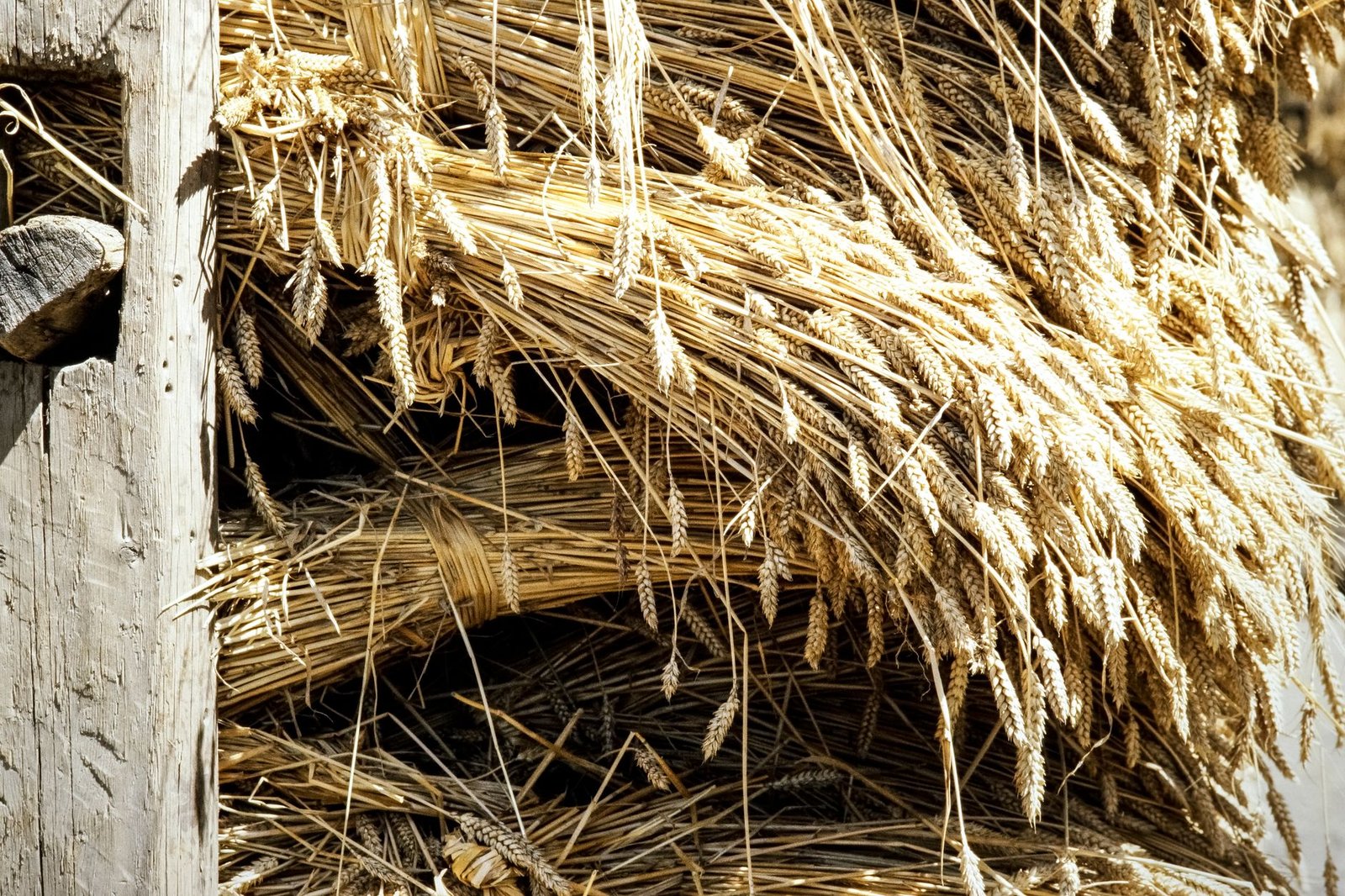
Wheat Sheaf of Ceres: Meaning, Symbolism, and History
The wheat sheaf of Ceres is a lasting symbol of Roman agriculture, embodying harvest, fertility, abundance, and the civilized order created by cultivation. Seen in ancient art, coinage, and modern heraldry, it reveals how closely grain, religion, and political stability were intertwined in the Greco-Roman world.
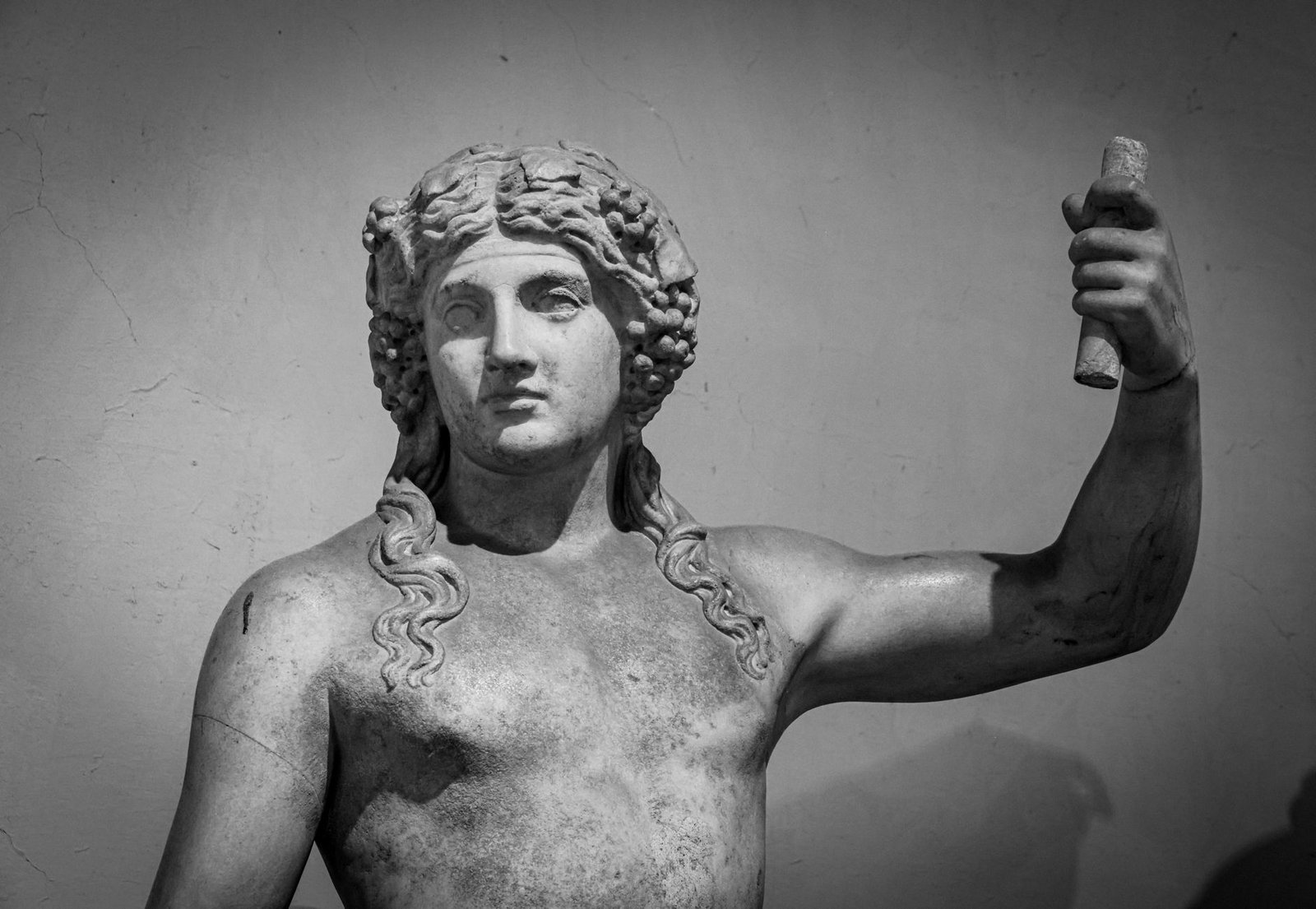
Juno: Roman Goddess of Marriage and Queenship
Juno is one of the most important deities in Roman religion and mythology, revered as queen of the gods, protector of marriage, and guardian of the Roman state. This article explores her ancient origins, shifting meanings, and enduring influence in Roman worship, showing how Juno united sovereignty, fertility, and female authority in one complex figure.
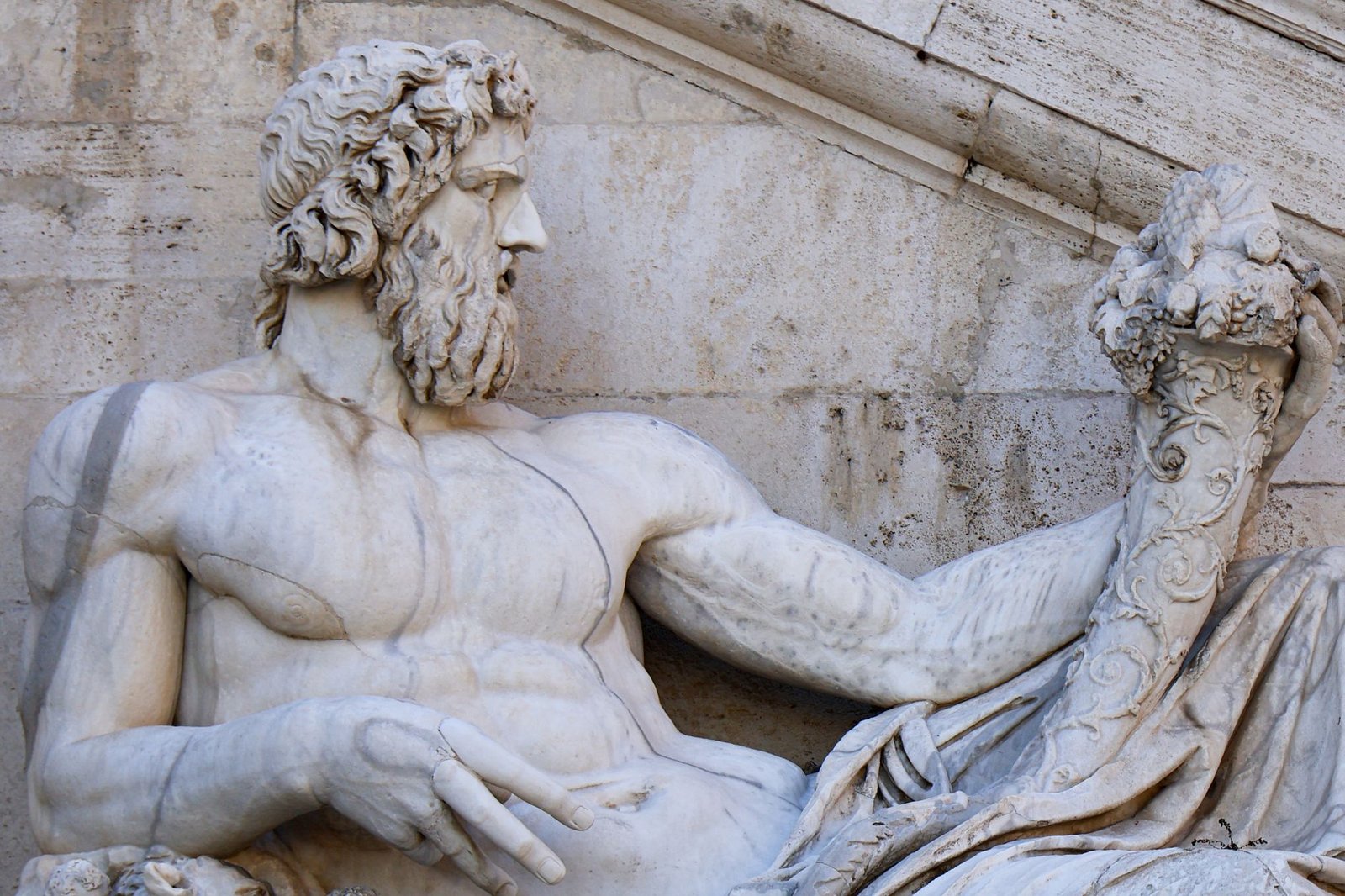
Vulcan: Roman God of Fire, Forge, and Volcanoes
Vulcan, the Roman god of fire, metalworking, and the forge, embodies both the destructive force of flames and the skilled craft that turns heat into tools, weapons, and art. This article traces his uncertain origins, his place in Roman religion and the Volcanalia festival, and his later identification with Hephaestus, revealing a deity central to ancient beliefs about danger and invention.
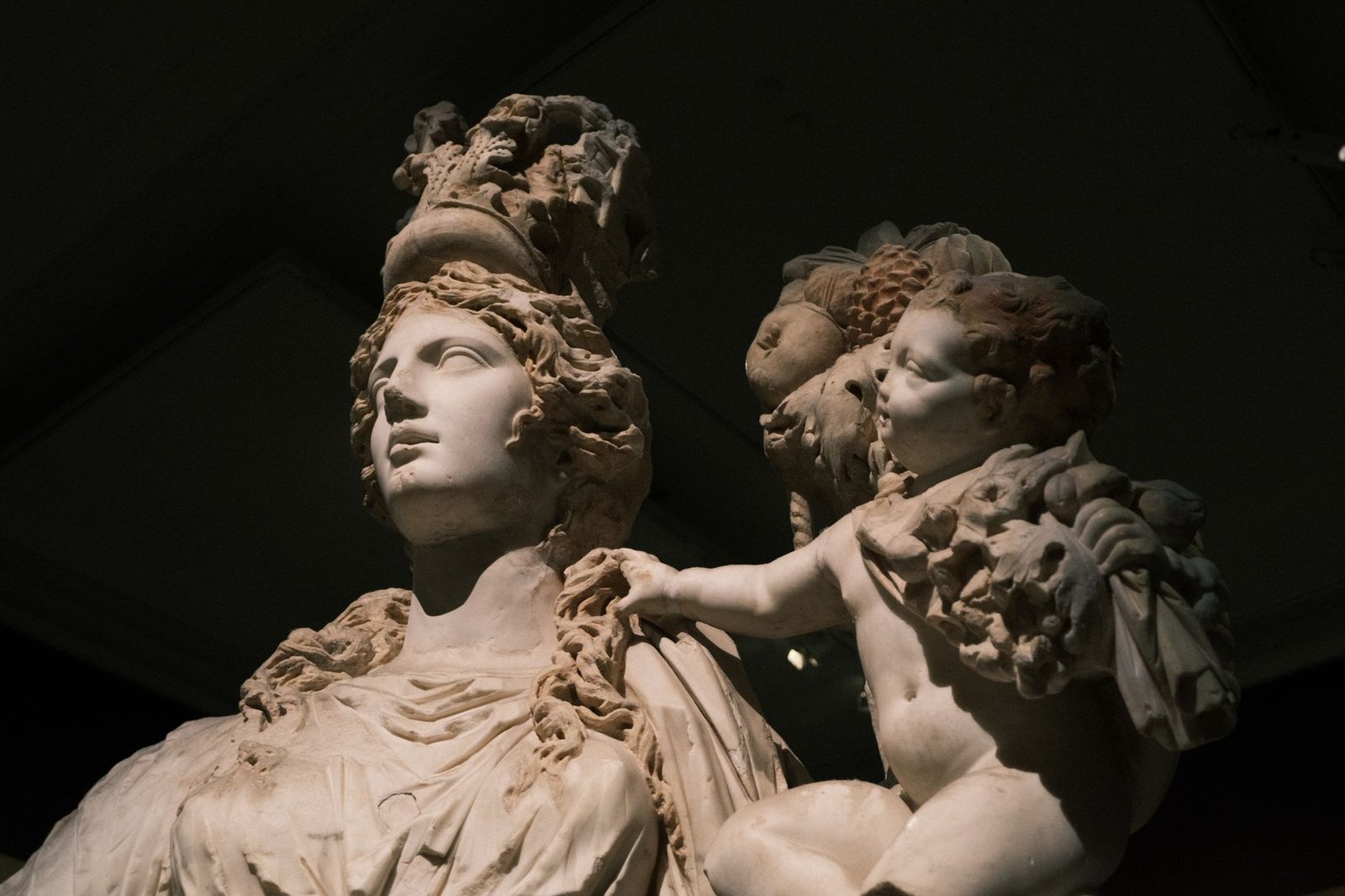
Bellona: Roman Goddess of War and Mythology
Bellona is the ancient Roman goddess of war, associated with battle, military fury, and the violent force that accompanied conquest in Roman religion and politics. Her name, linked to *bellum*, reflects a complex history of Italic tradition, cult practice, and later symbolism that reveals how Romans understood war itself.
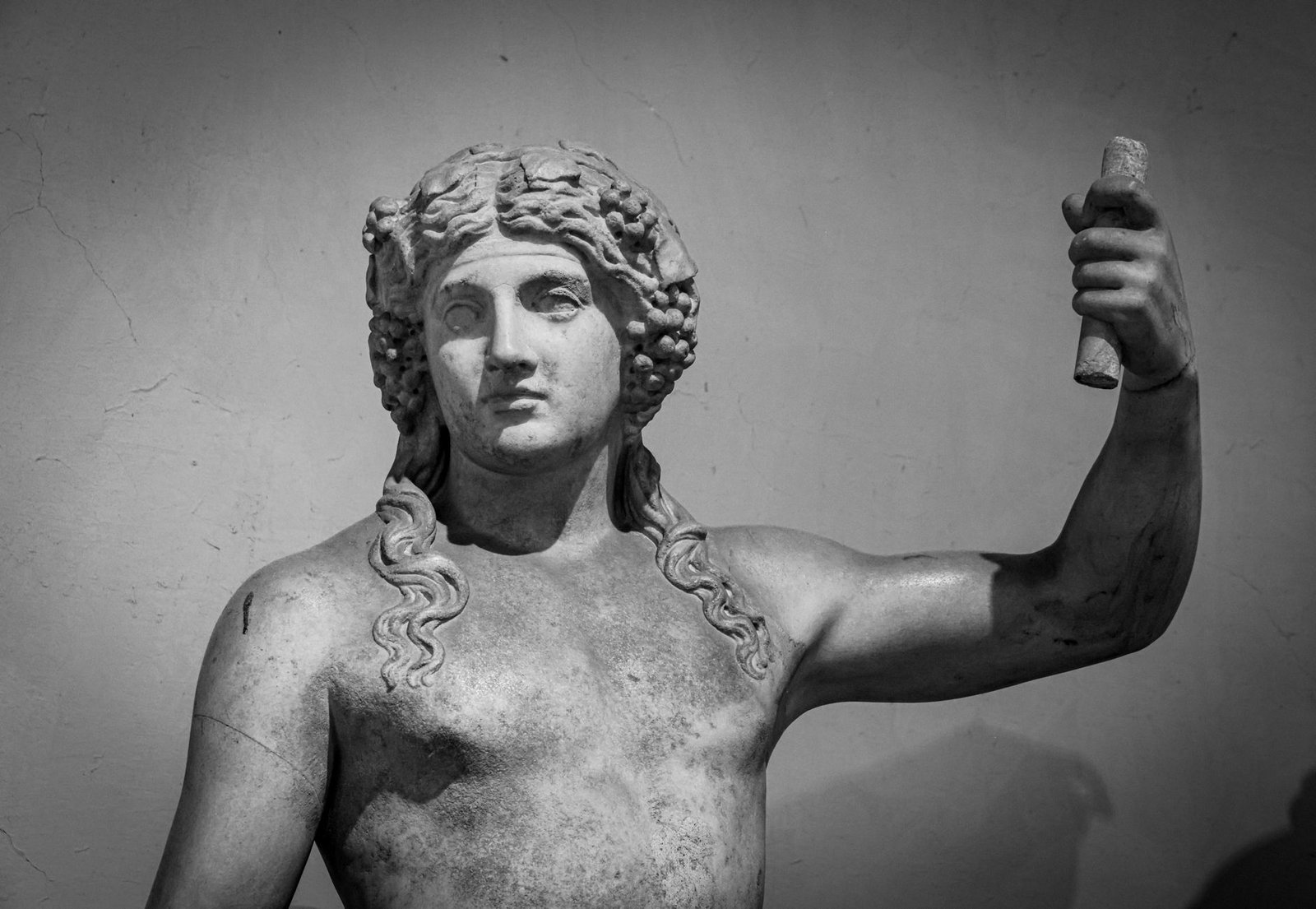
Venus: Roman Goddess of Love, Beauty, and Fertility
Venus (Roman god) was among the most influential figures in Roman religion, embodying love, beauty, fertility, prosperity, and the life-giving powers that shaped both private devotion and public life. This article traces her origins, evolving cult, and political importance, showing how Romans linked Venus to their own identity, divine favor, and enduring cultural imagination.
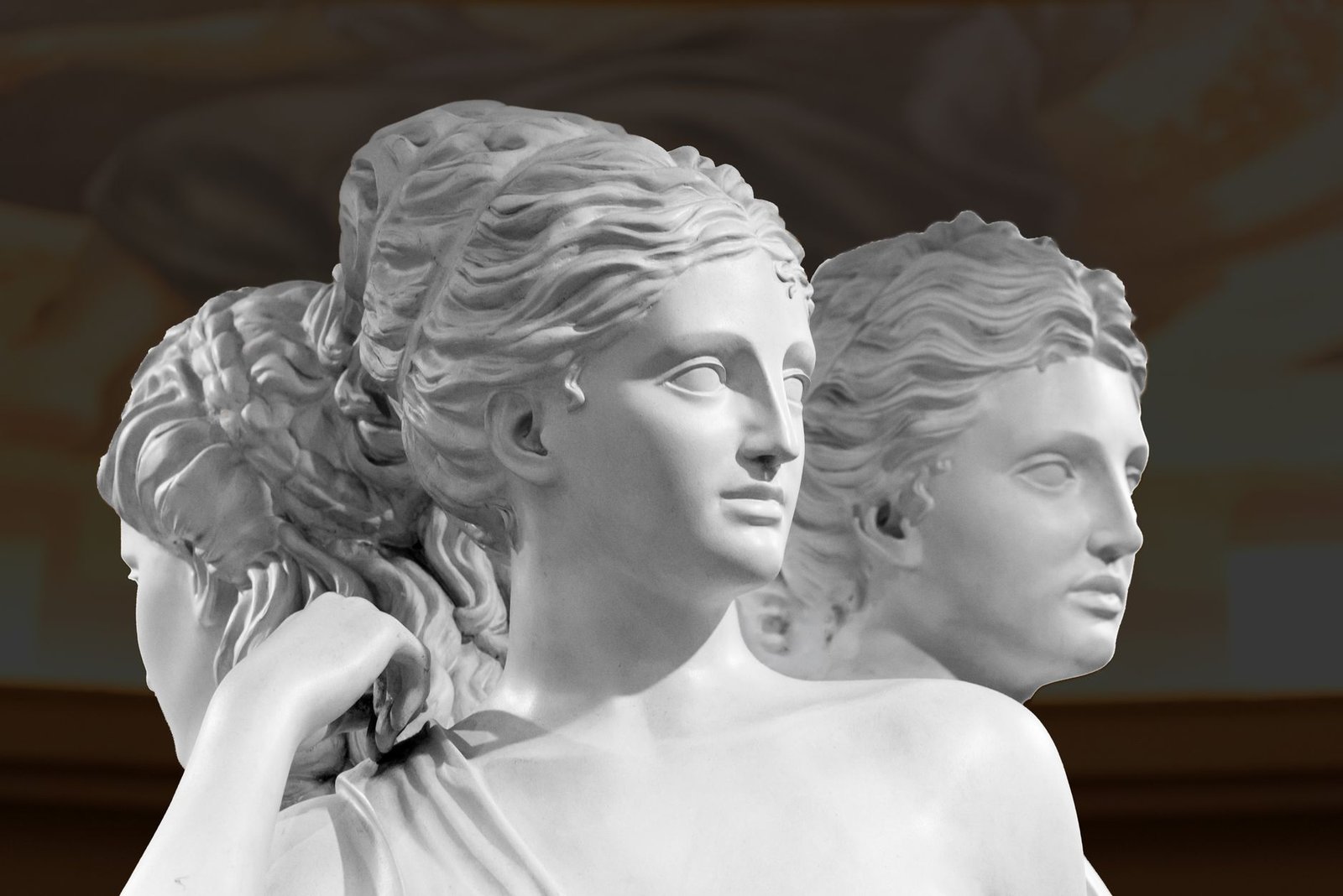
Flora: Definition, Types, and Ecological Importance
Flora, the Roman goddess of flowers, blossoms, spring, and fertility, embodies the renewal of nature after winter and the abundance that follows growth. This article traces her origins, the significance of the Floralia, and her lasting influence in art, literature, and the modern use of flora to describe a region’s plant life.
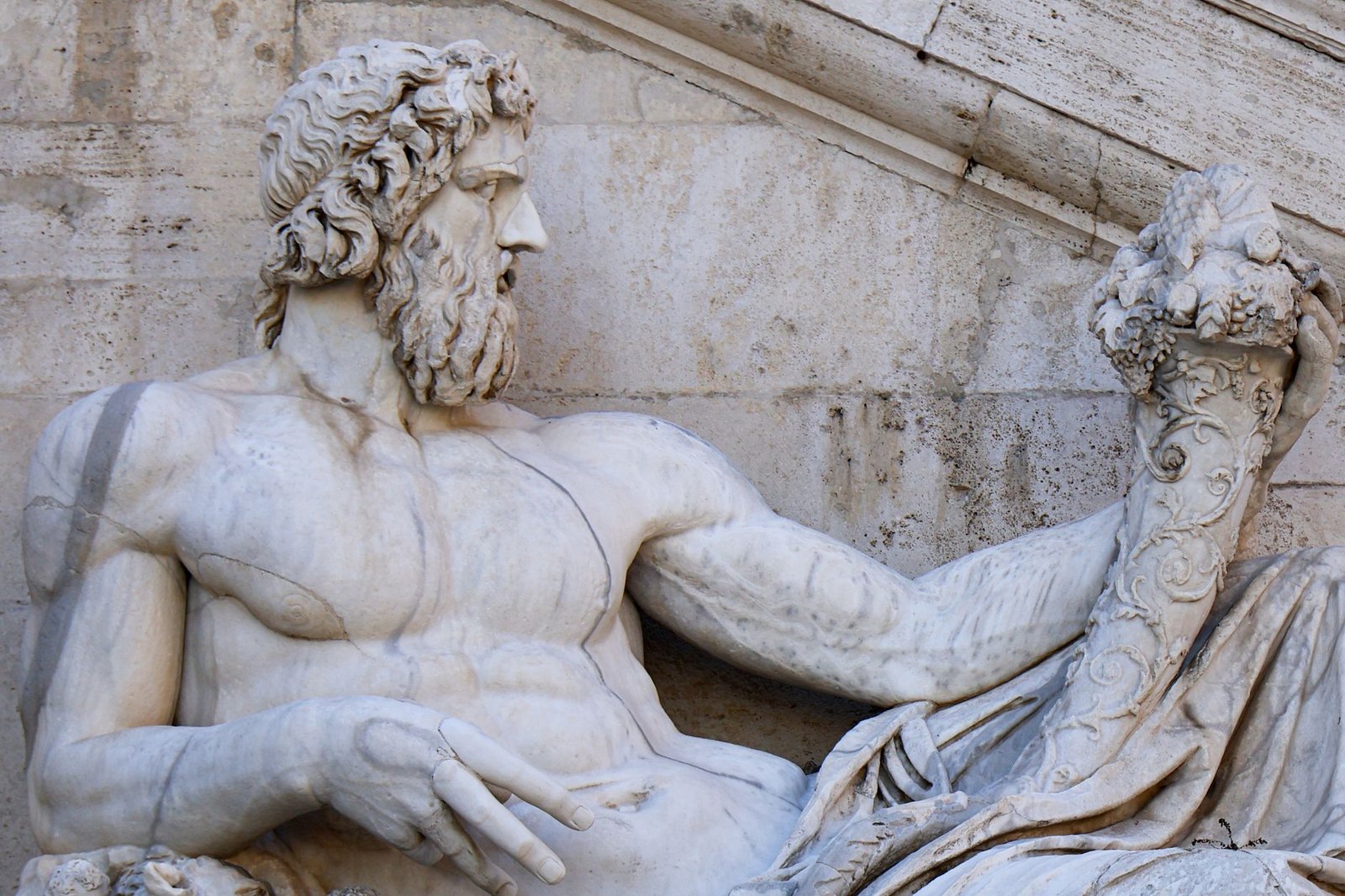
Saturn (Roman God): Roman Mythology and Agriculture
Saturn, the Roman god of agriculture, wealth, and time, stood at the center of some of Rome’s oldest religious traditions and its memory of a Golden Age of abundance. Often linked with Cronus yet rooted in Italian belief, Saturn’s cult, festivals, and uncertain origins reveal a deity far richer than later summaries suggest.