Capitoline Hill

The Founding of Rome by Romulus and Remus Explained
The founding of Rome by Romulus and Remus is the enduring Roman foundation myth, blending divine lineage, royal conflict, abandonment, survival, and brotherly rivalry into a story that explained the city’s sacred origins. Though not verifiable history, it shaped Roman identity and continues to illuminate how legends can serve politics, memory, and cultural authority.

The Death of Remus: Roman Mythology and Meaning
The death of Remus is a central episode in Roman foundation myth, portraying the fatal conflict between the twin brothers Remus and Romulus as a turning point in the birth of Rome. Told in multiple ancient versions, the story explores themes of boundary, authority, and fratricide, inviting readers to examine how myth shaped Roman ideas of law and power.
Capitoline Geese: History, Legend, and Roman Significance
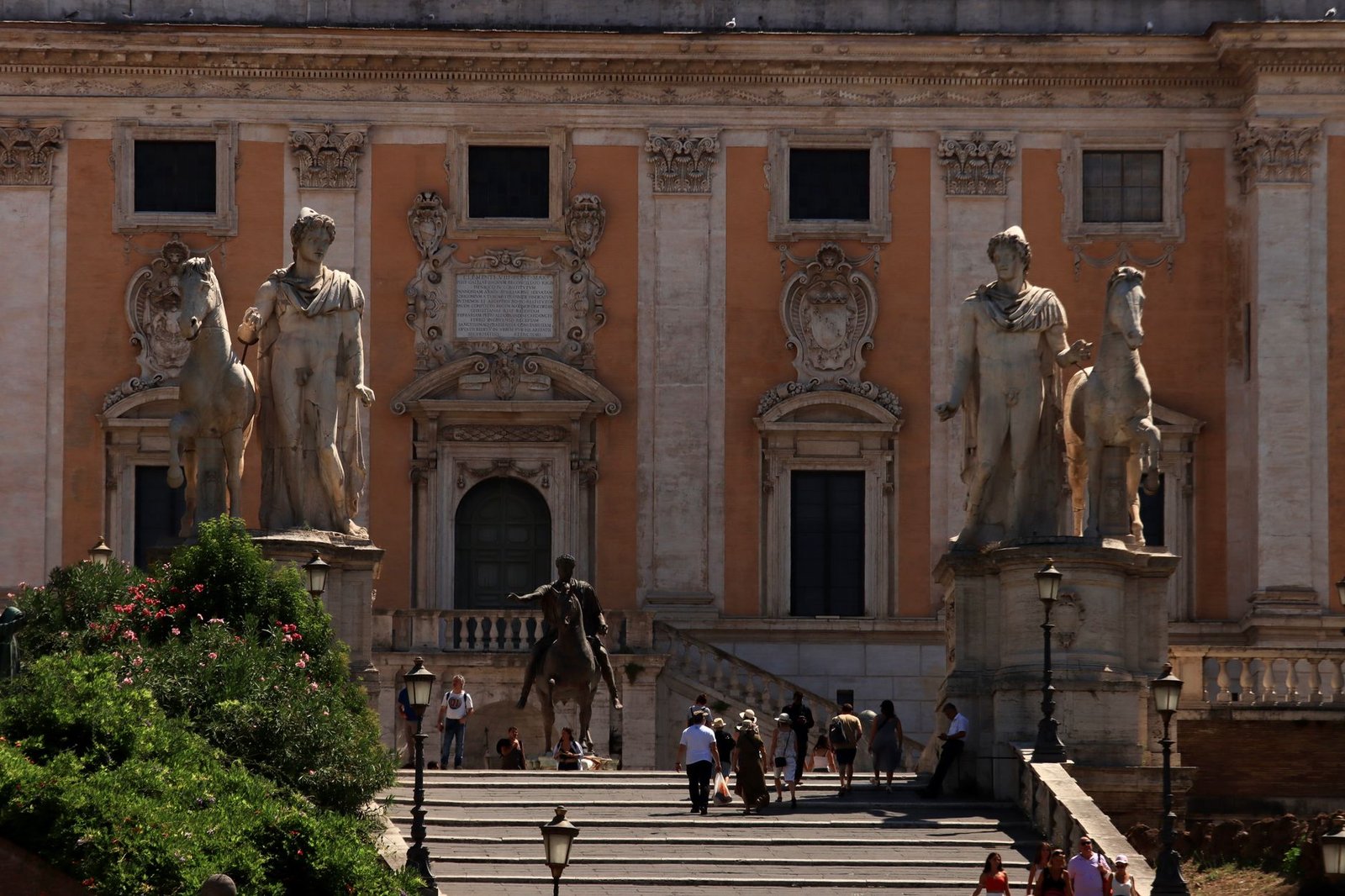
The Capitoline Geese are remembered in Roman tradition as the temple birds whose sudden cries warned the city of a Gallic assault on the Capitoline Hill, an episode that became a lasting emblem of vigilance and divine protection. Blending legend, religion, and civic memory, their story reveals how ancient Romans understood sacred animals and omens—and why this celebrated tale continued to resonate long after the siege itself.

She-Wolf of Rome (Lupa Capitolina): History and Meaning
The She-Wolf of Rome, or Lupa Capitolina, is a powerful emblem of the city’s legendary origins, combining the myth of Romulus and Remus with a bronze image that has shaped Roman identity for centuries. Its debated dating, layered meanings, and enduring political and artistic influence reveal why this familiar figure continues to invite closer study.
Jupiter: Roman God of Sky, Thunder, and Kingship
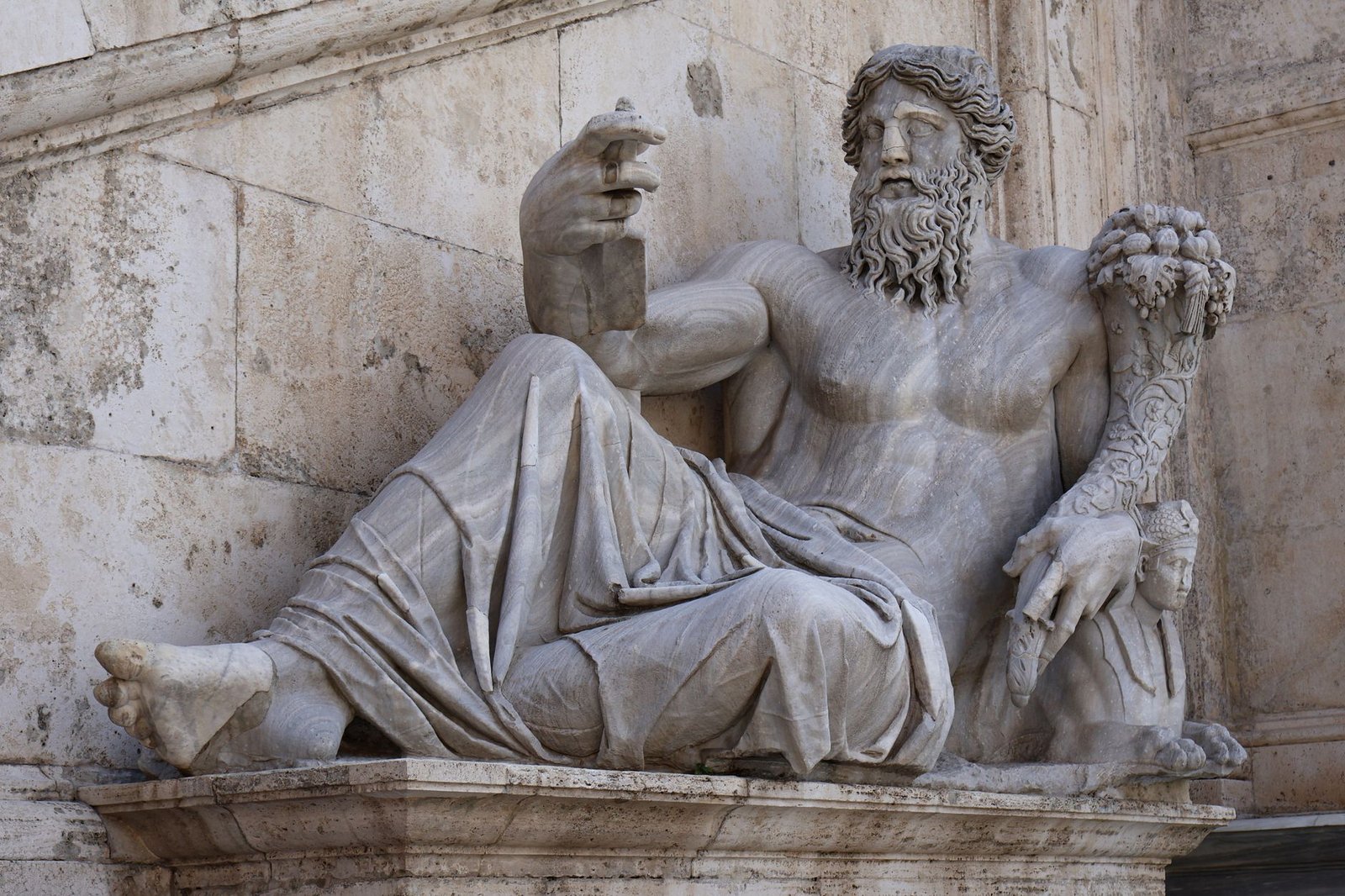
Jupiter, the chief god of ancient Rome, embodied sovereignty, law, oath-taking, and the protection of the state, while also ruling the sky, thunder, and lightning. Though often compared with Zeus, Jupiter emerged from an older Italic tradition, and his cult reveals how Roman religion linked divine authority with public order, military power, and the destiny of the city.
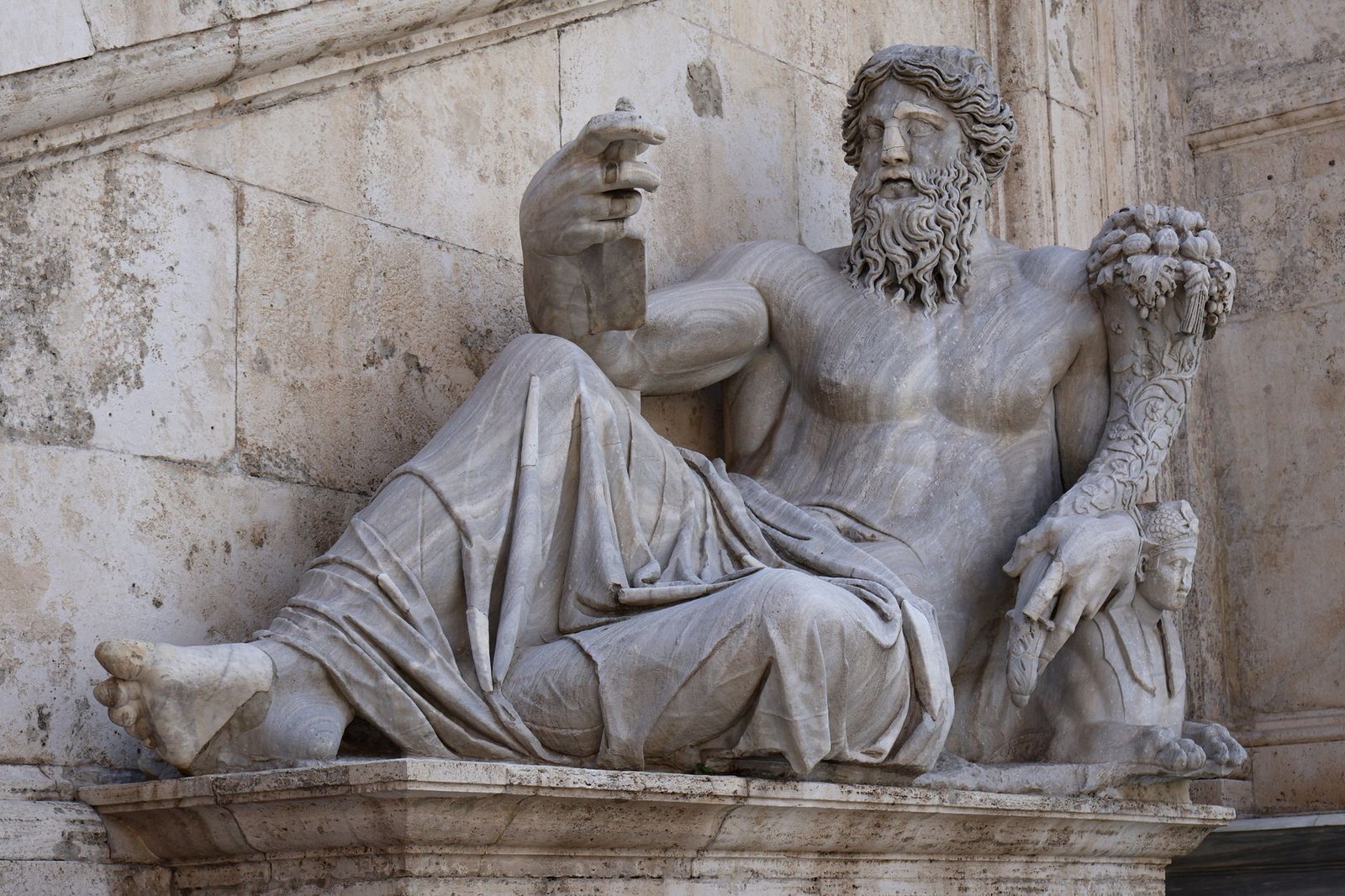
King of the Roman Gods: Jupiter in Roman Mythology
King of the Roman gods, Jupiter stood at the center of Roman religion as ruler of the sky, guardian of oaths, and protector of the state. This article traces his ancient origins, his role in law and power, and the lasting influence that made him one of Rome’s most enduring divine figures.