Classical Antiquity

Aeneas’s Flight from Troy: Myth and Story Explained
Aeneass Flight from Troy recounts the Trojan hero’s escape from the burning city with his family, sacred relics, and the burden of preserving Troy’s legacy. Central to both Greek myth and Roman identity, the episode blends divine intervention, filial duty, and survival, setting in motion the legendary journey that would lead to Italy and, ultimately, Rome.
Roman Manticore: Mythology, Origins, and Symbolism
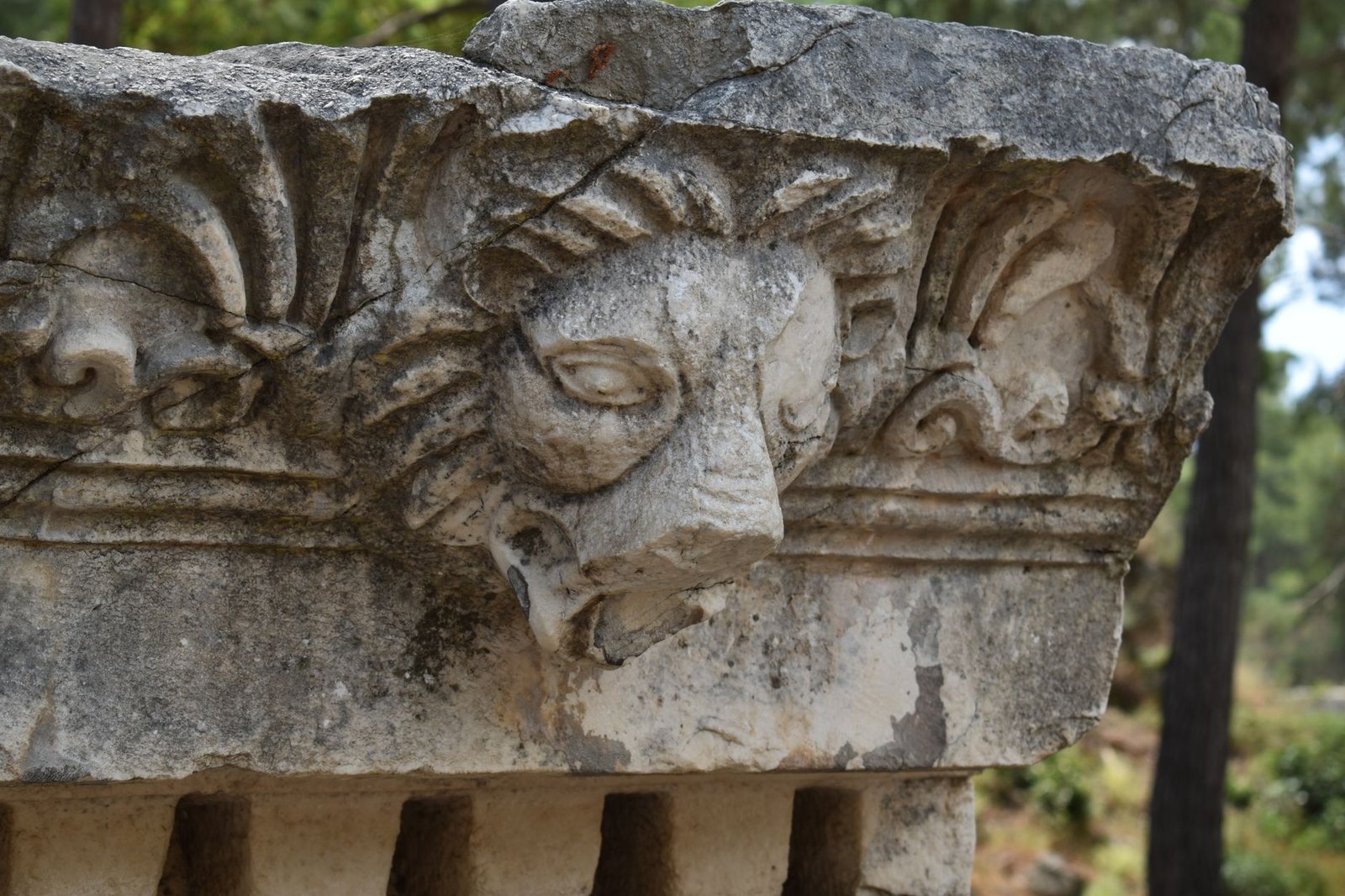
The Roman manticore is a striking example of how classical writers transformed eastern marvels into part of their own encyclopedic world, blending Greek natural history, Persian lore, and Roman curiosity. This article traces its shifting name, fearsome appearance, and literary afterlife, revealing why the creature endured as a powerful symbol of the exotic and monstrous.
Fasces: Meaning, History, and Symbolism
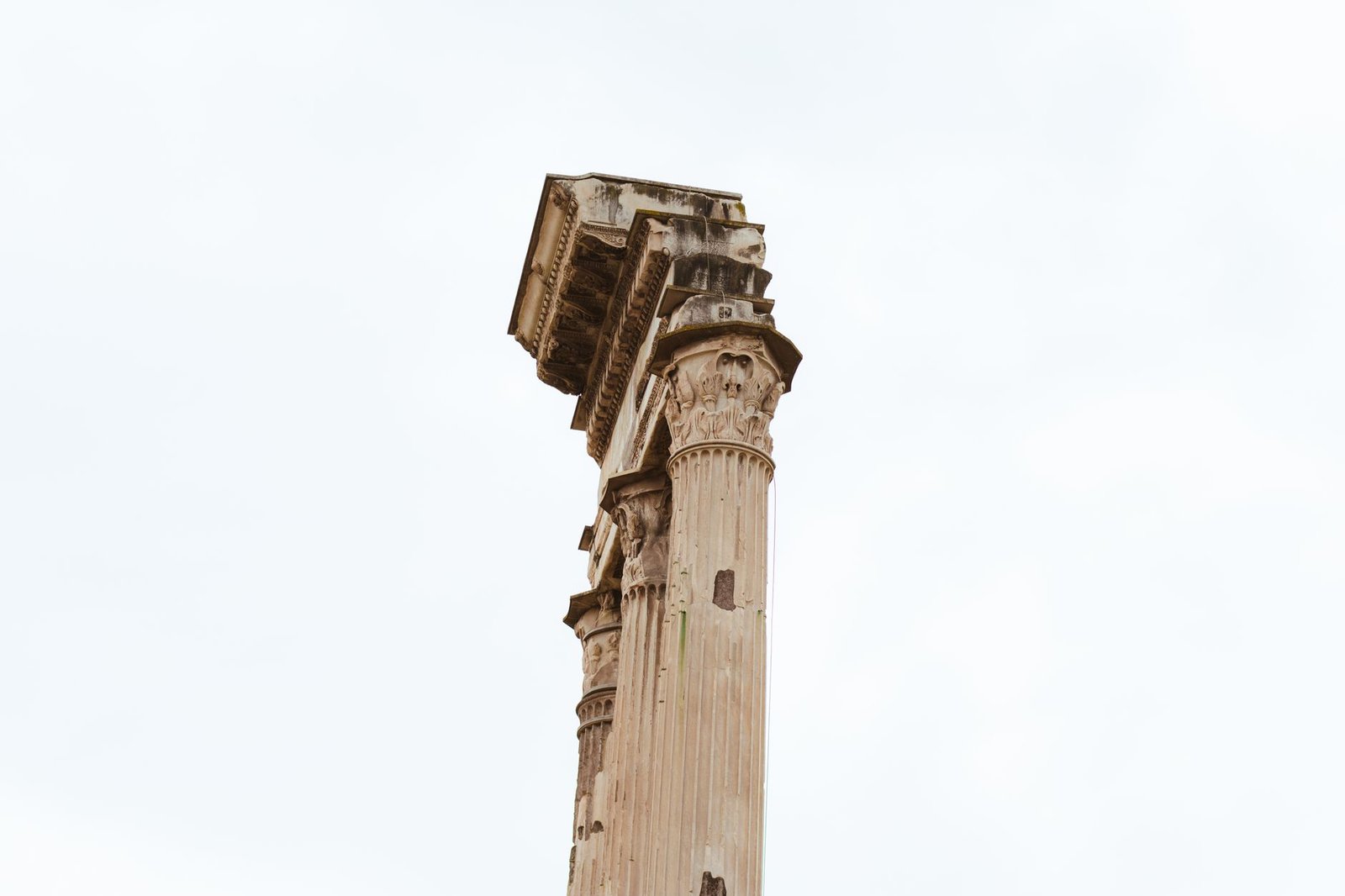
The fasces is an ancient Roman symbol of bundled rods, often with an axe, that signified authority, judicial power, and the state’s coercive force. Carried before magistrates by lictors and later revived in art and politics, it reveals how a Roman emblem could acquire new and contested meanings across centuries.

Wheel of Fortuna: Meaning, Origins, and Symbolism
The Wheel of Fortuna is a lasting symbol of fate’s unpredictability, linking Roman ideas of Fortuna with medieval philosophy, literature, and art. Its turning wheel captures the rise and fall of human fortune, inviting readers to explore how this powerful image shaped Western ideas of luck, destiny, and loss.

The Twelve Dii Consentes: Roman Gods and Goddesses
The Twelve Dii Consentes were the principal gods of Roman religion, a prestigious council of twelve deities broadly aligned with the Greek Olympians but shaped by Roman custom and political life. This article traces their origin, meaning, and changing composition, showing how these gods reflected Roman ideas of divine order, public worship, and cultural adaptation.
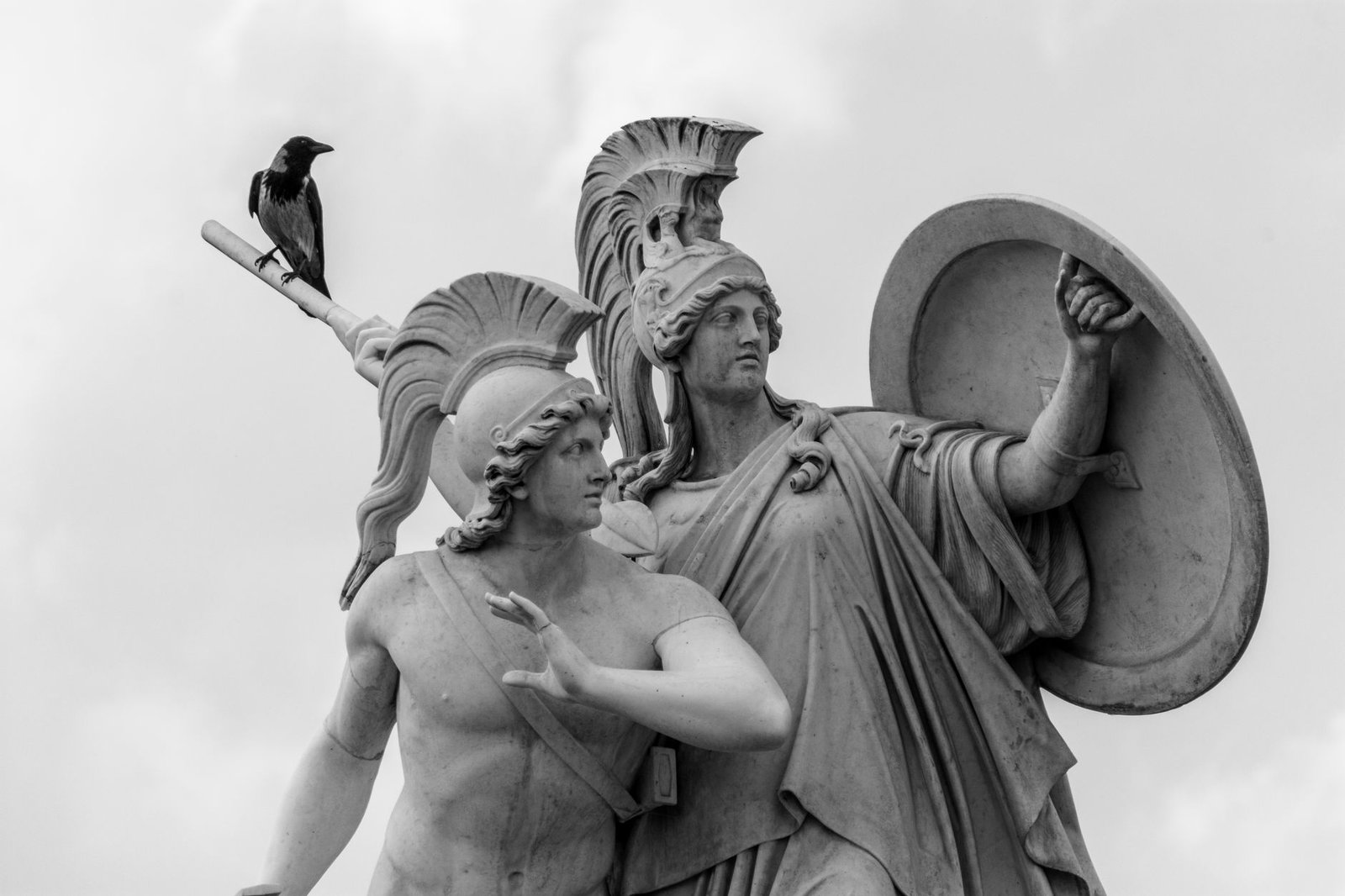
Athena’s Owl: Symbolism, Mythology, and Meaning
Athenas Owl is one of the most recognizable animal symbols in ancient Greek culture, closely linked with Athena, goddess of wisdom, strategy, and civic order. Appearing in art, coinage, and civic imagery, the little owl embodied watchfulness and judgment, while also revealing how Greeks blended myth, religion, and public identity.
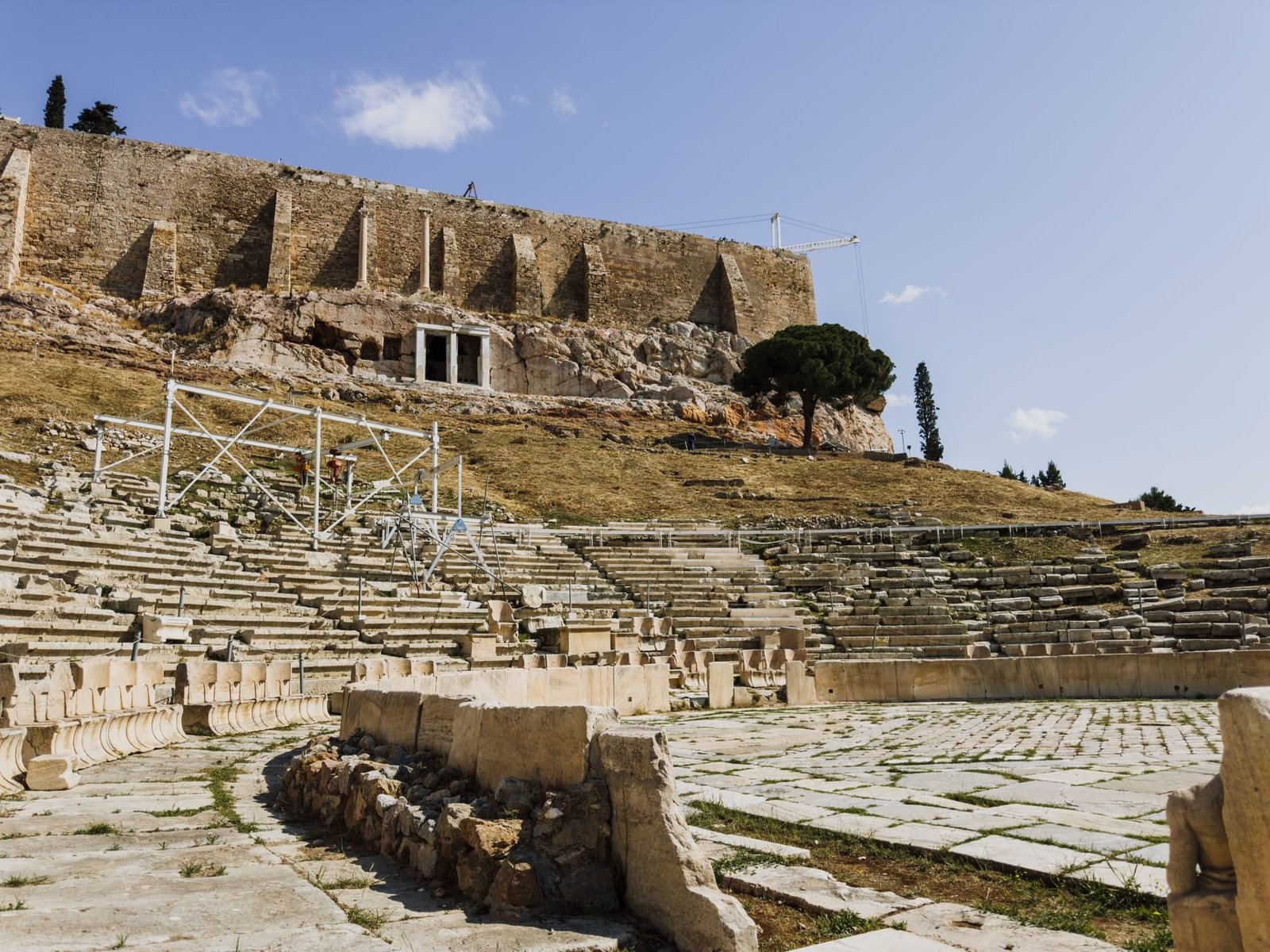
Kantharos of Dionysus: Ancient Greek Wine Vessel
The Kantharos of Dionysus is a deep, high-handled drinking cup that became one of the god’s most enduring symbols in Greek art and religion. Exploring its origins reveals how a simple vessel came to embody wine, ritual ecstasy, fertility, and the uneasy balance between sacred celebration and divine power.