classical mythology
Eros’s Bow: Meaning, Mythology, and Symbolism
Eros’s bow is a central symbol in Greek mythology, linking the god of love and desire to the sudden force of attraction. This article traces its origins, changing representations in ancient literature and art, and the lasting cultural idea that love can strike unexpectedly, like an arrow.
Palladium: Properties, Uses, and Chemical Characteristics
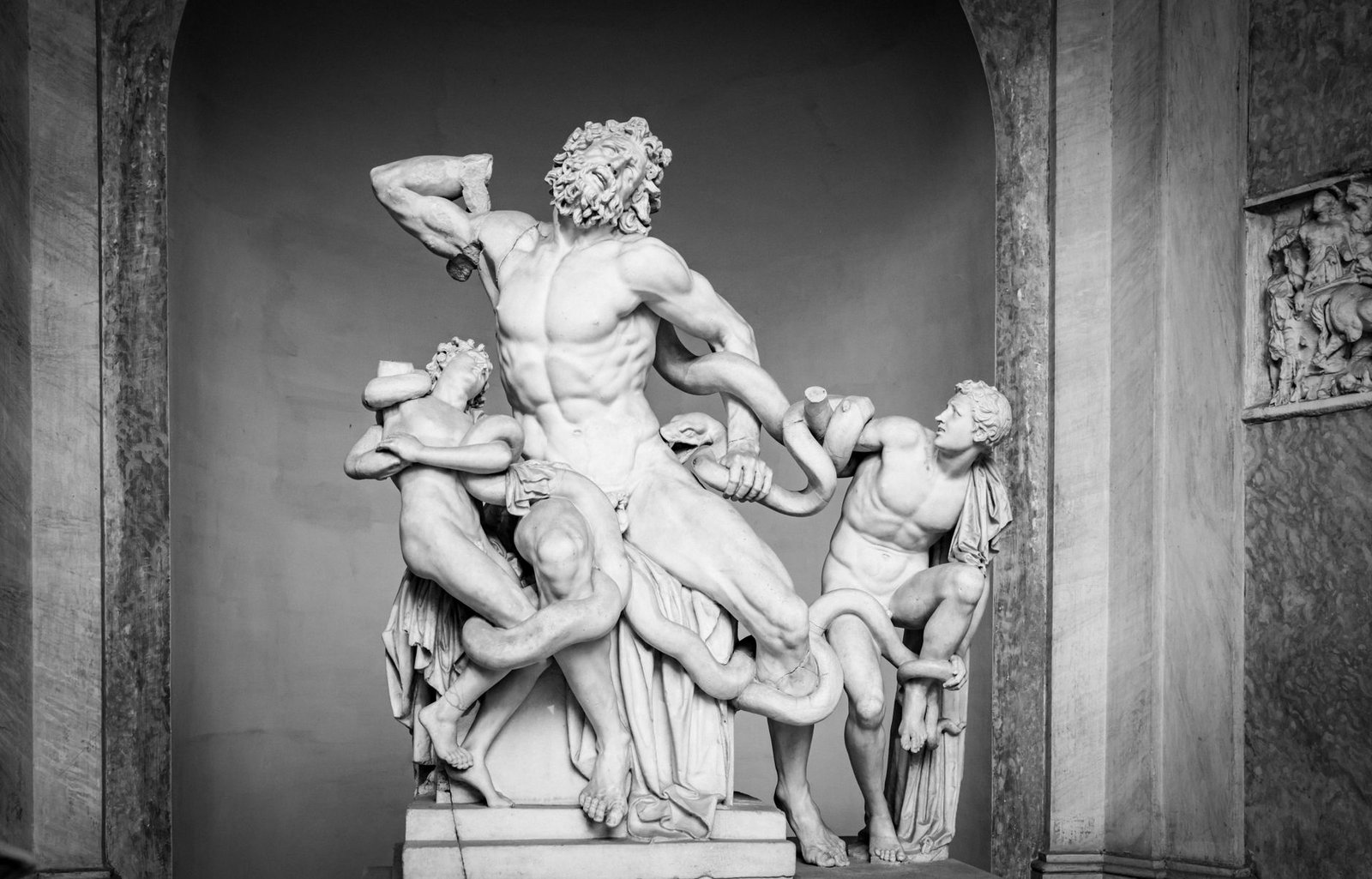
Palladium is the legendary sacred image of Athena, famed in Greek myth as the guardian of cities and a token of divine protection. From Troy to Rome, its story reveals how religion, kingship, and civic identity could merge into a symbol of legitimacy whose meaning still invites closer study.
Chariot of Helios: Greek Mythology Sun God Chariot
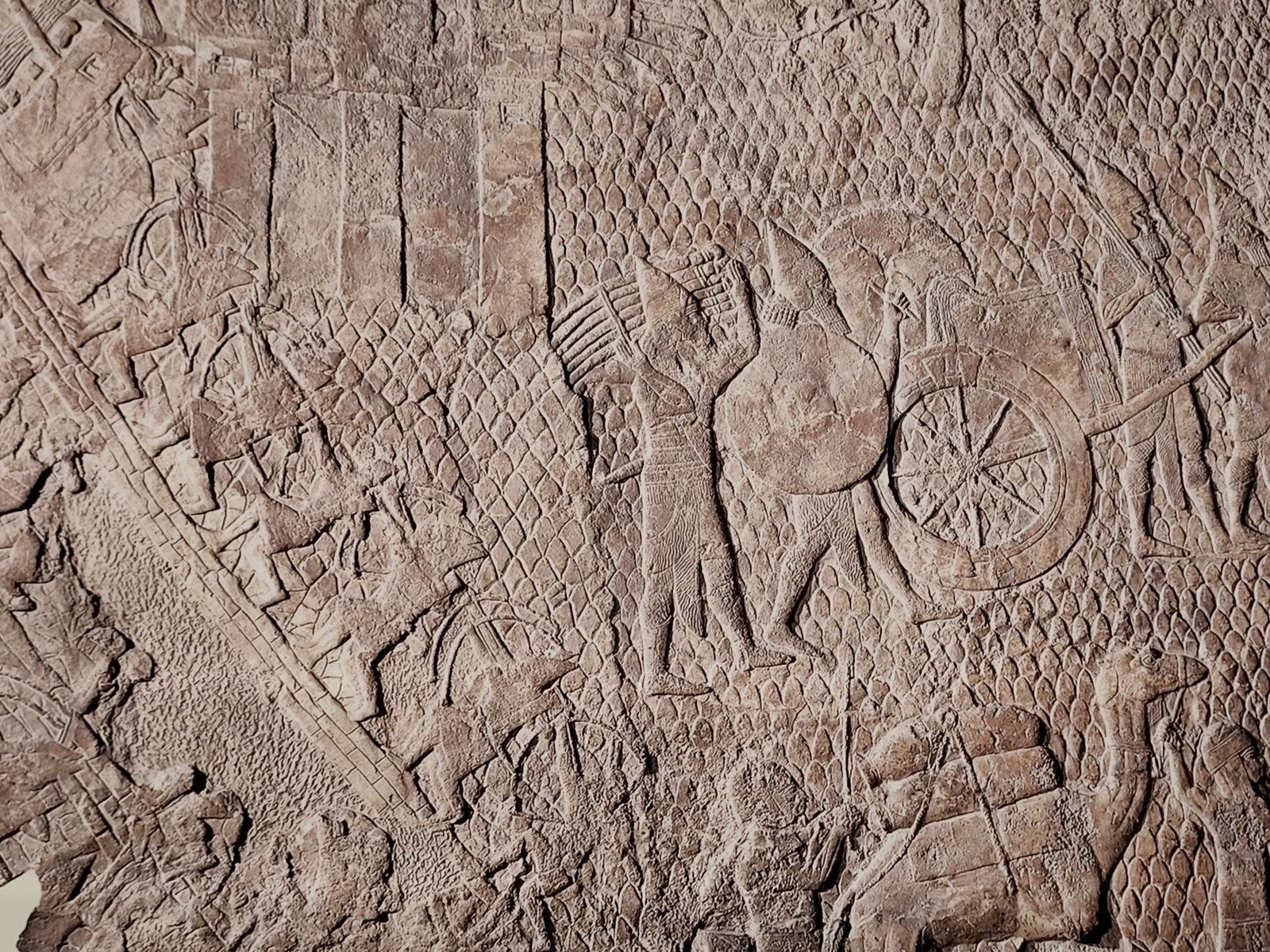
The Chariot of Helios is the mythic sun-vehicle that carries Helios across the sky, linking daily light with divine order, cosmic movement, and the Greeks’ understanding of time. Its story also reaches beyond astronomy into literature and legend, especially the dramatic tale of Phaethon, where the sun-chariot reveals both celestial power and human peril.

Lernaean Hydra: Greek Mythology’s Many-Headed Serpent
The Lernaean Hydra is a central figure in Greek mythology, remembered as a many-headed serpent of the marshes of Lerna and a formidable foe of Heracles. Its ability to regenerate heads has made it a lasting symbol of recurring, difficult-to-eradicate problems, while its ancient origins and varied depictions invite closer study.
Medusa: Greek Mythology Gorgon and Legend
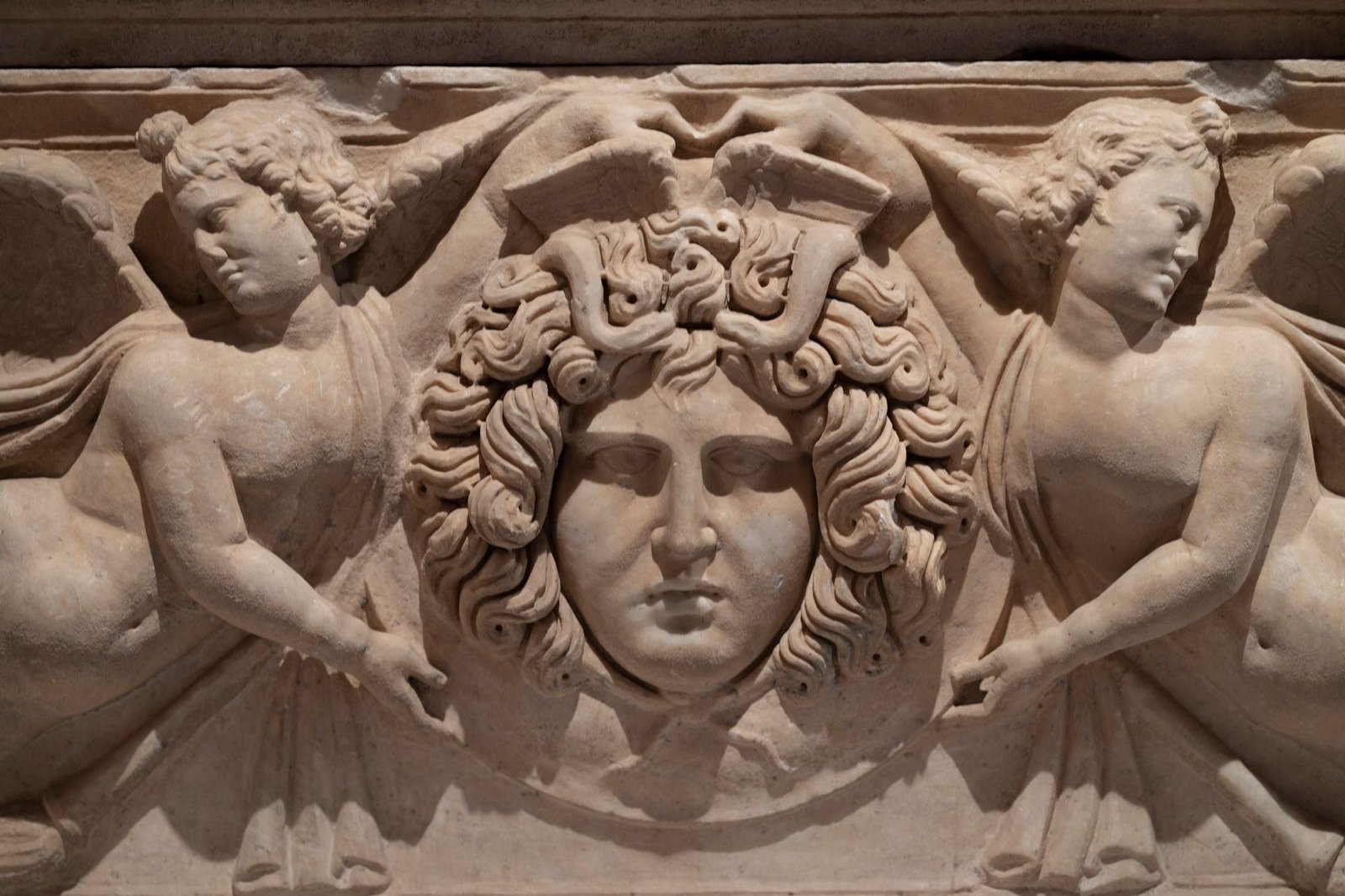
Medusa is one of the most enduring figures in Greek mythology, a Gorgon whose deadly gaze, complex origins, and shifting meanings have fascinated audiences for centuries. From ancient fears of monstrosity and sacred taboo to modern interpretations of beauty, victimhood, and power, her story reveals far more than a simple monster tale.
Harpies: Mythology, Origins, and Cultural Significance
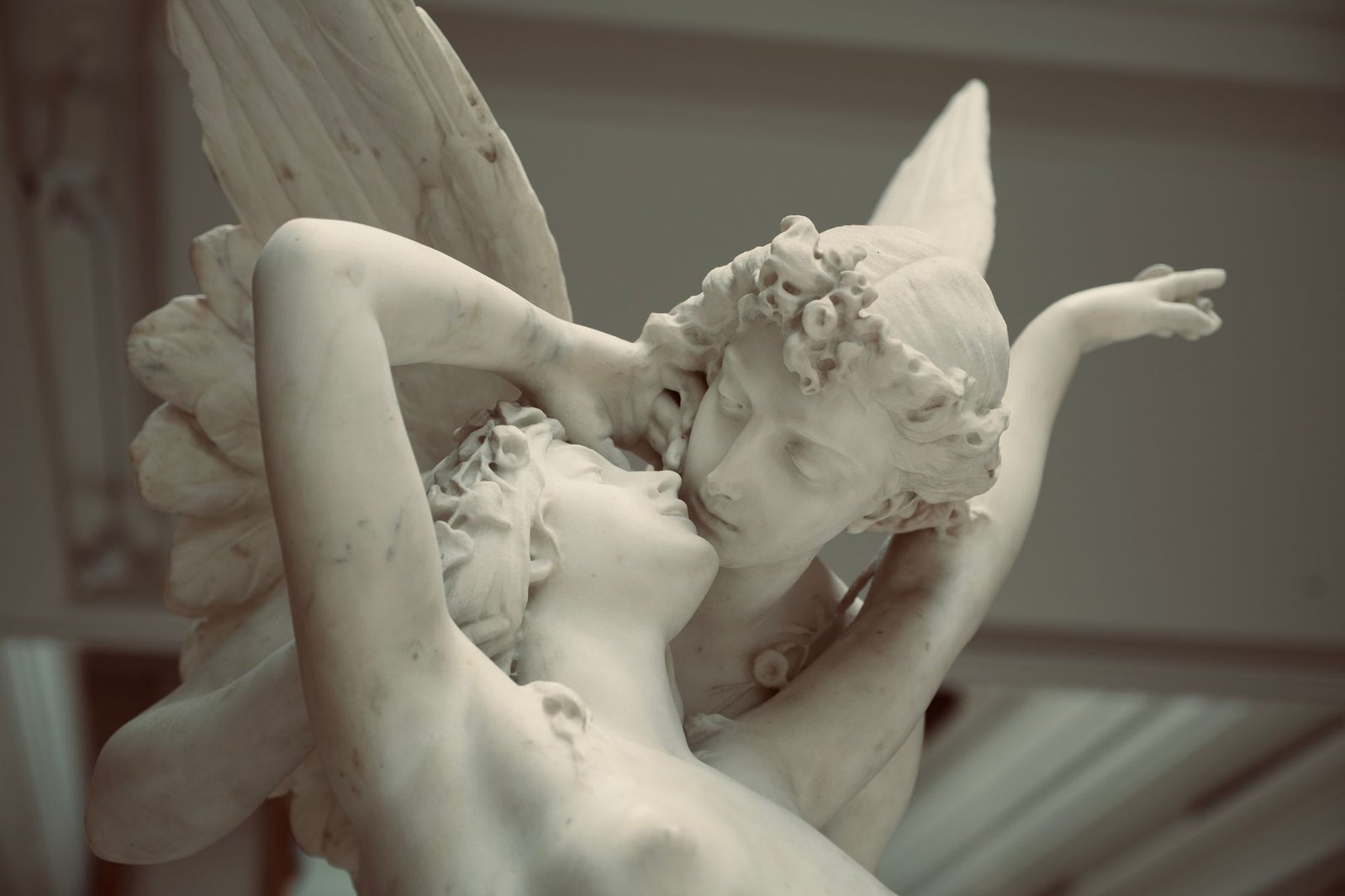
Harpies are enduring figures of Greek mythology, described as swift spirits of violent wind, sudden seizure, and divine punishment rather than merely bird-women in later art. Tracing their changing roles from early poetry to Roman literature reveals how ancient Greeks used harpies to explain loss, contamination, and the hidden force of stormy air.

Satyrs: Definition, Origin, and Mythology Explained
Satyrs are enduring figures of Greek mythology, portrayed as wild companions of Dionysus who embody music, intoxication, fertility, and the untamed side of nature. This excerpt traces their origins, shifting meanings, and artistic legacy, while showing how satyrs came to symbolize the uneasy boundary between civilization and instinct.
Cyclops: Greek Mythology One-Eyed Giant Explained
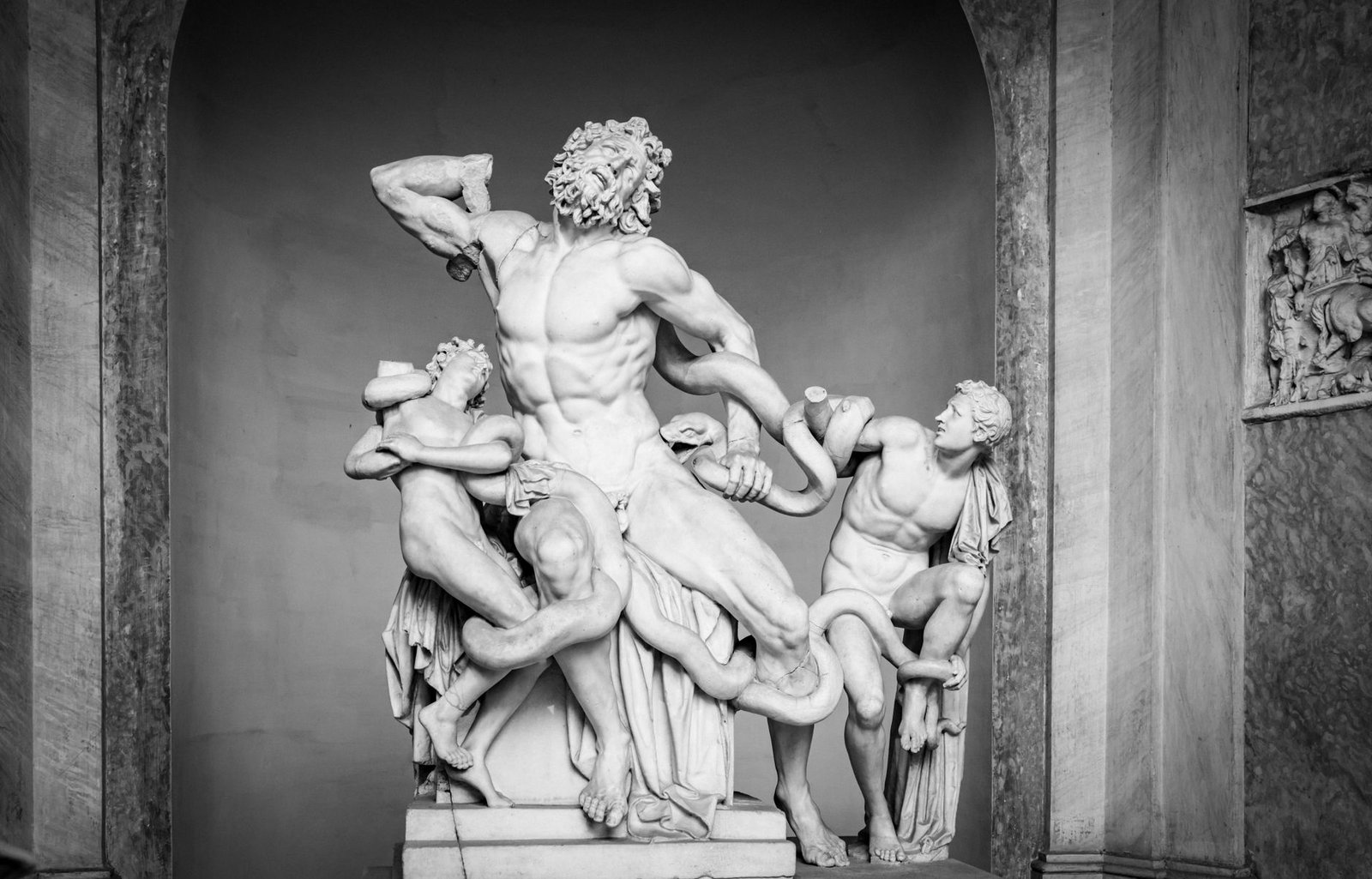
Cyclops are among the most striking figures in Greek mythology: one-eyed giants associated with immense strength, divine craftsmanship, and the uneasy boundary between civilization and wilderness. From Homer’s Polyphemus to the older traditions of thunderbolt-forging smiths, the Cyclops reveals how ancient Greeks imagined power, isolation, and the monstrous.
Difference Between Giants And Monsters In Greek Mythology
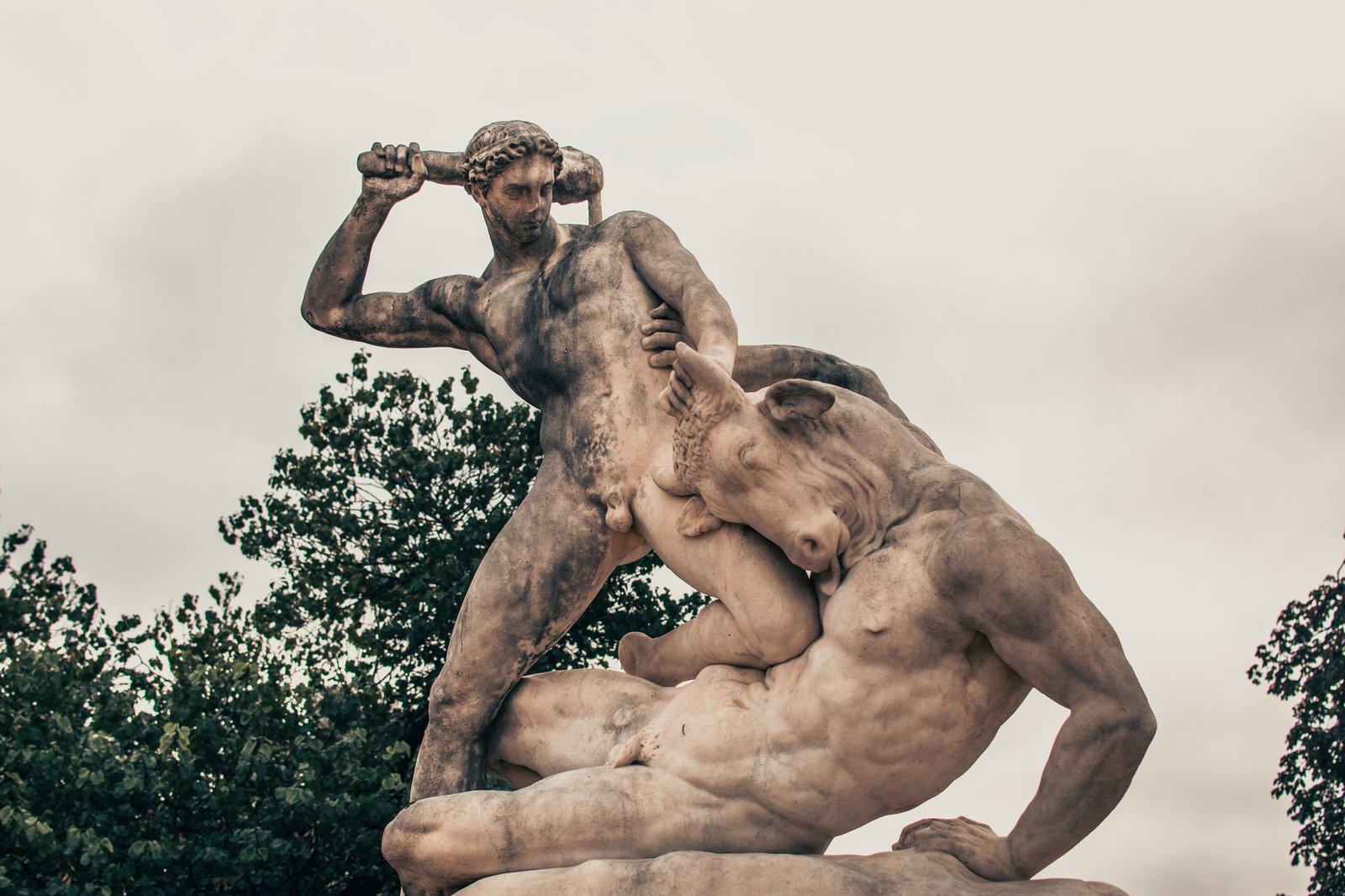
In Greek mythology, the difference between a giant and a monster is more than a matter of size: giants, especially the Gigantes, are a specific race tied to earth and rebellion against the gods, while monsters form a wider category of unnatural, fearsome beings. Exploring how ancient writers used these terms reveals a more subtle system of mythic classification than modern readers often expect.

Midas and the Golden Touch: Myth, Meaning, and Origin
Midas and the golden touch is a classic Greek myth about King Midas of Phrygia, who receives the power to turn everything he touches into gold, only to find that wealth can quickly become a burden. Exploring its ancient sources, symbolic meanings, and lasting influence, the story reveals why this tale still fascinates readers as a meditation on desire, power, and regret.