classical mythology
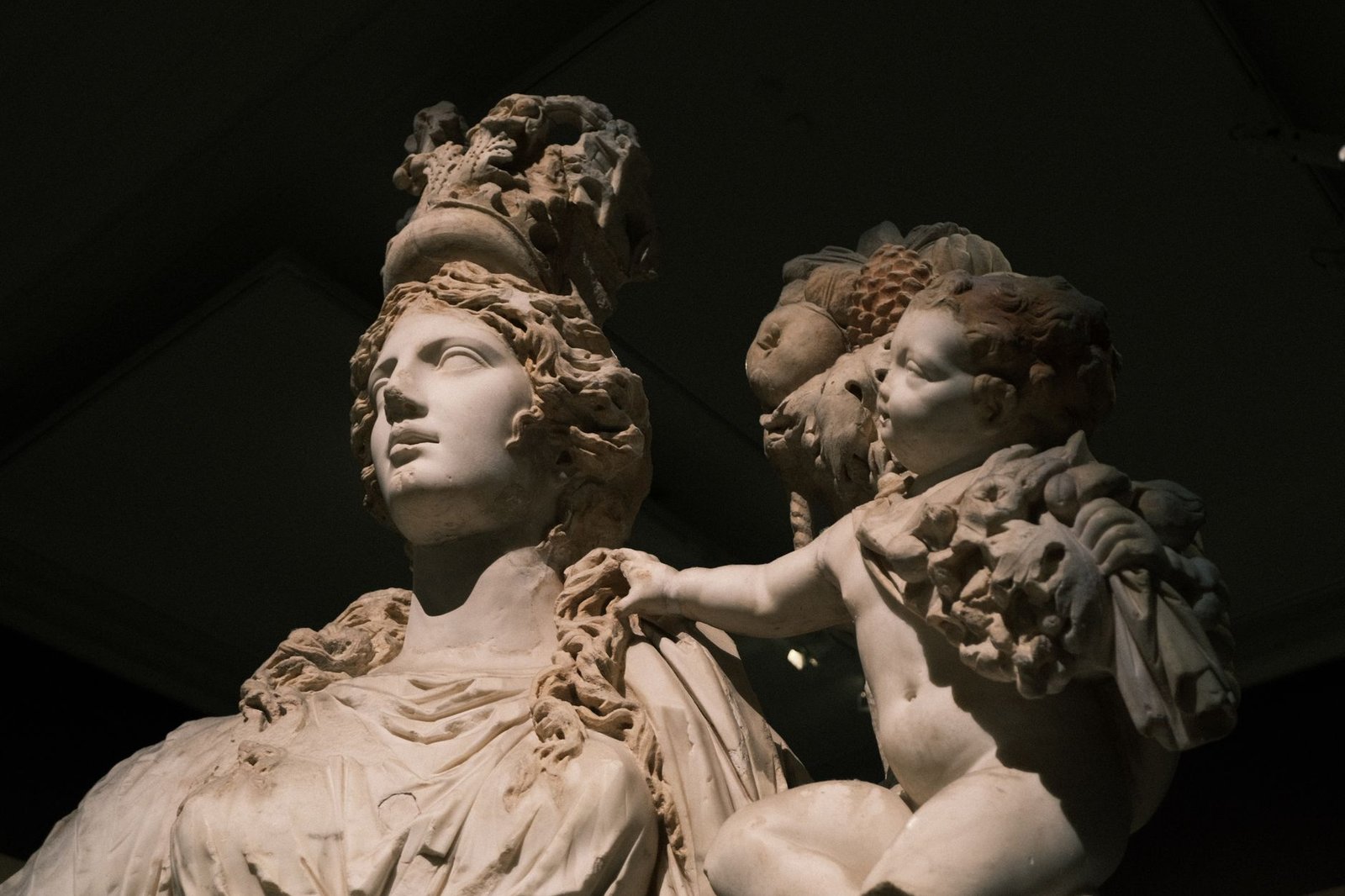
Apollo and Daphne: Myth, Summary, and Meaning
Apollo and Daphne is one of classical mythology’s most enduring tales, recounting how the nymph Daphne was transformed into a laurel tree to escape Apollo’s pursuit. Rooted in Ovid’s *Metamorphoses*, the myth explores desire, resistance, and metamorphosis while explaining why the laurel became sacred to Apollo and influential in later art and culture.
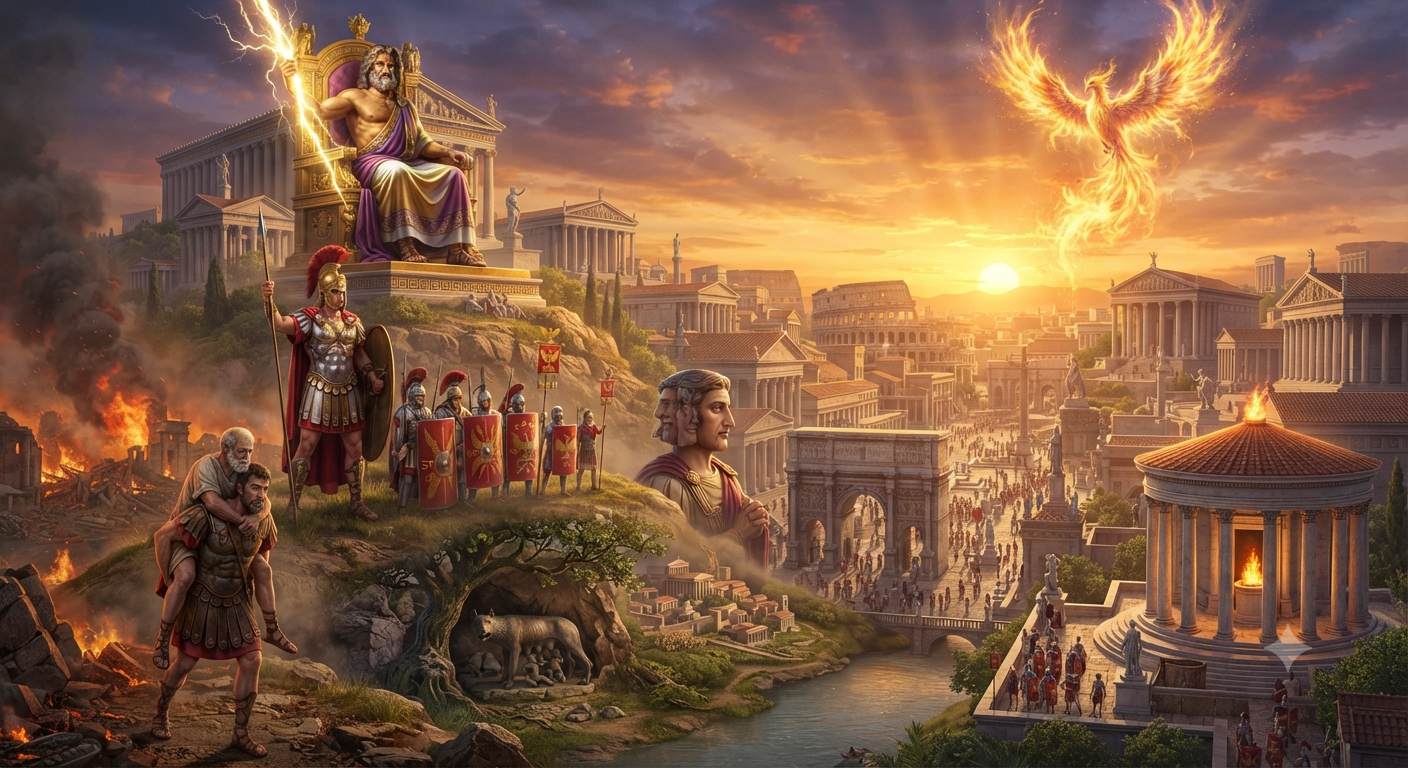
Roman Mythology: The Complete Guide to the Gods, Symbols, Creatures, and Myths of Ancient Rome
Historical and Geographic Context Roman mythology developed across more than a thousand years, from the legendary founding of Rome in ...
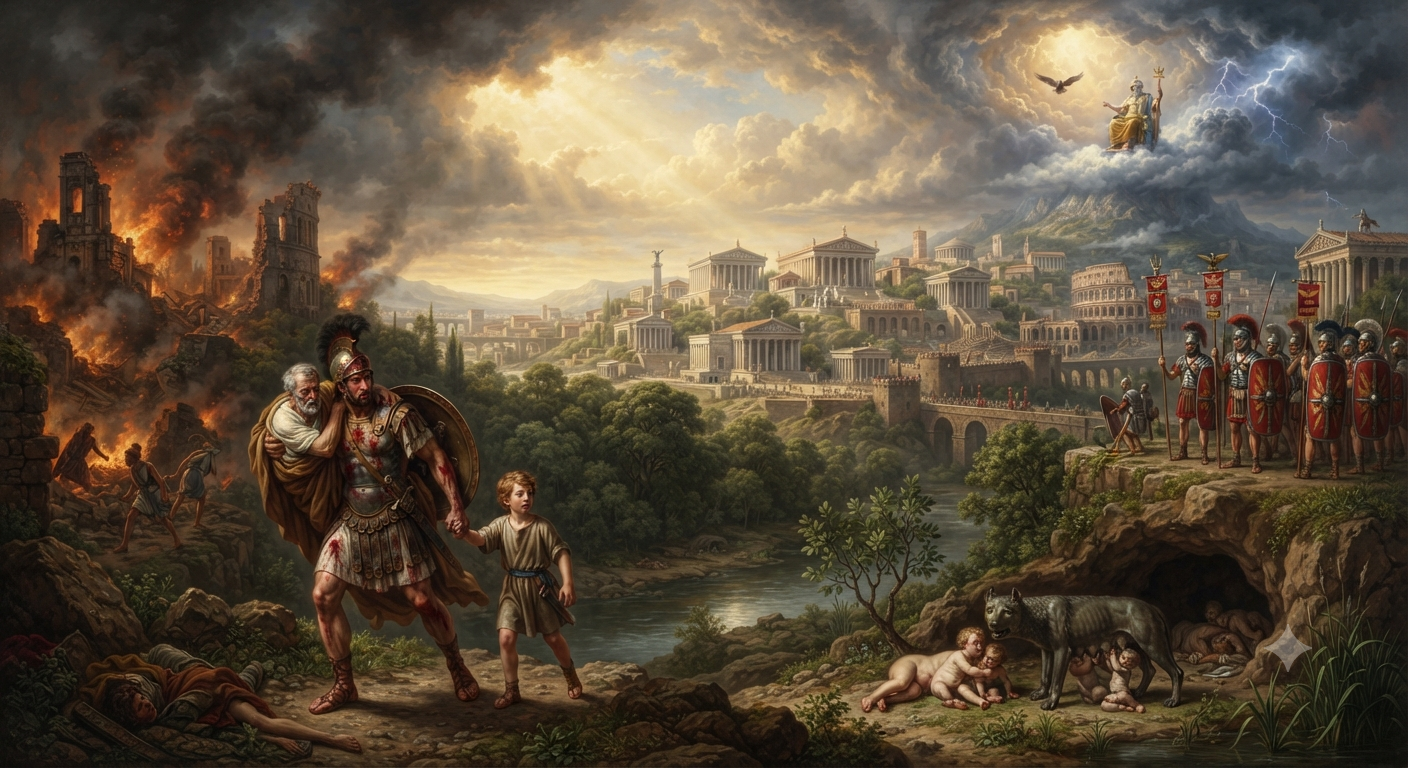
Roman Myths and Legends: The Complete Guide
Roman mythology’s greatest narratives are stories of founding — of a city, a people, and a set of values. This ...

Spear of Mars: Definition, History, and Mythology
The Spear of Mars is not a single artifact but a powerful symbol of Roman martial authority, divine sanction, and the disciplined force of war. This article traces its origins in Roman religion and literature, explaining why the spear became an enduring emblem of Mars and a key motif in broader ancient mythology.

Peacock of Juno: Mythology, Symbolism, and Meaning
The Peacock of Juno is a renowned symbol in Greco-Roman mythology, linking the Roman queen of the gods with a bird revered for splendor, vigilance, and imperial dignity. Tracing its origins through myth, art, and religious meaning, the article explores how this emblem came to represent divine authority and the enduring legacy of Juno’s power.

Caduceus of Mercury: Meaning, Symbol, and History
The caduceus of Mercury is a herald’s staff entwined with two serpents, often crowned by wings, and in classical mythology it signified messengership, safe conduct, negotiation, and practical intelligence. Though frequently mistaken for the symbol of healing, its history is distinct from the Rod of Asclepius, and its long artistic and cultural afterlife reveals why this ancient emblem still invites careful study.
Psyche: Greek Goddess of the Soul and Mythology
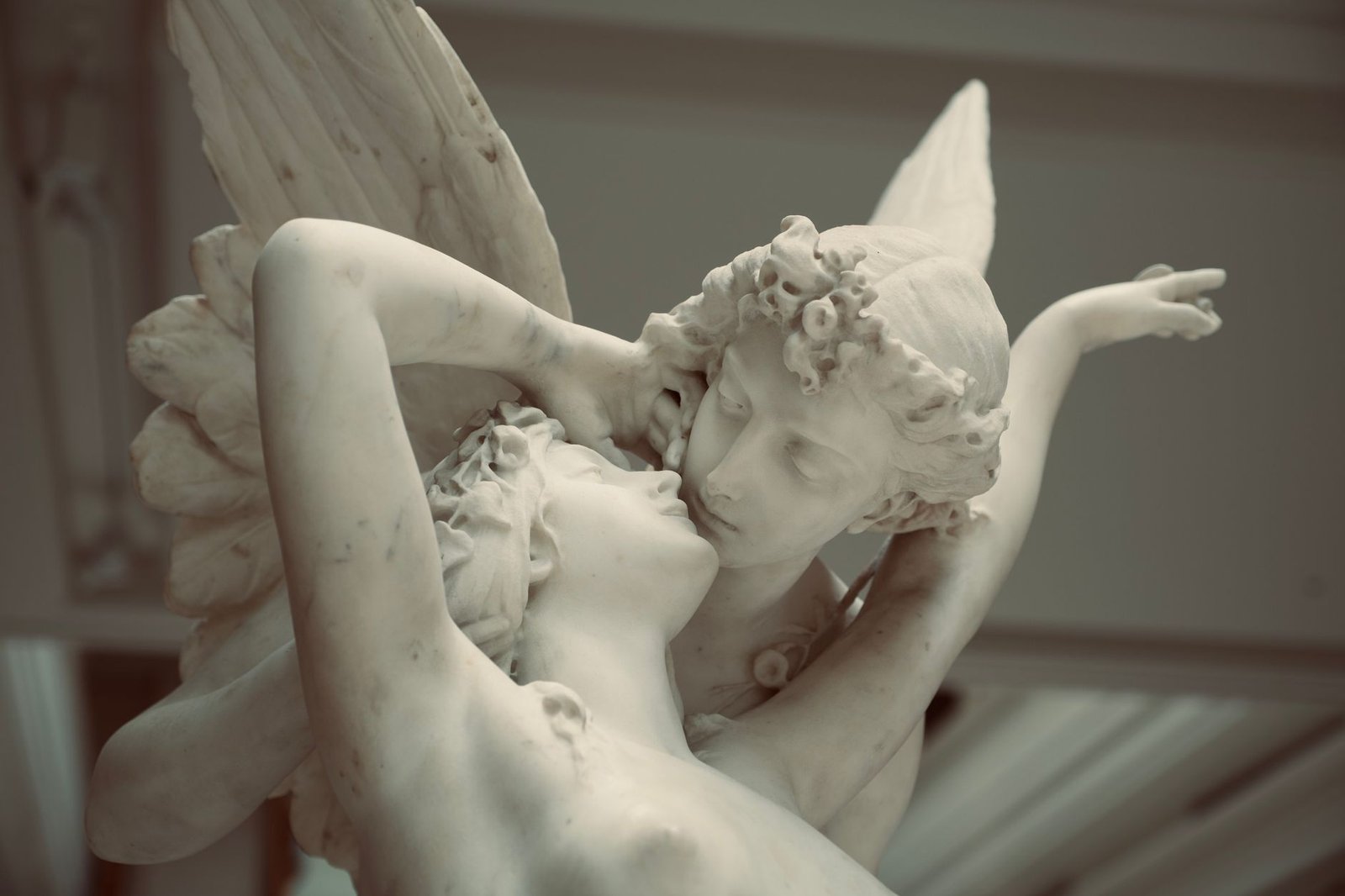
Psyche is a central figure in Greek mythology and a lasting symbol of the soul, whose story of love, loss, and transformation has shaped Western literature, philosophy, and art. From her origin as the “breath of life” to her union with Eros and eventual immortality, the myth of Psyche reveals why her name remains important in both ancient tradition and modern thought.
Roman vs Greek Gods: Key Differences Explained
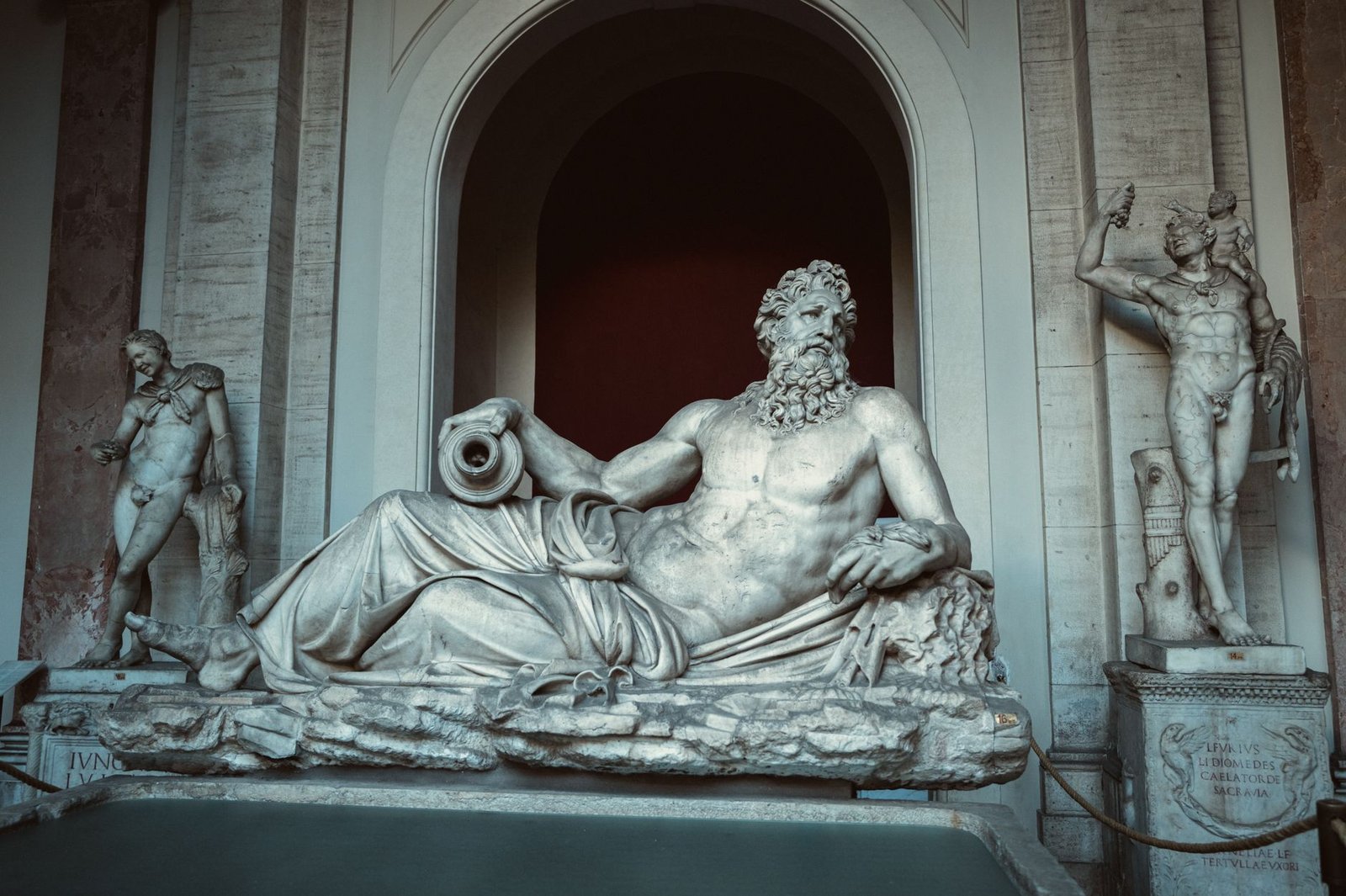
The difference between Roman and Greek gods lies not only in their names but also in the religions that shaped them, from Greek city-state traditions to Rome’s highly organized civic cult. Although many deities were closely matched, their origins, functions, and cultural meanings reveal important distinctions that continue to intrigue historians and readers alike.

Jupiter vs. Zeus: Key Differences and Similarities
The difference between Jupiter and Zeus lies not only in name, but in the distinct Greek and Roman traditions that shaped each god’s role, symbolism, and religious meaning. Exploring their origins, epithets, and cultural functions reveals why these sky fathers are closely related yet far from identical.

Poseidon’s Trident: Meaning, Origins, and Symbolism
Poseidons Trident is one of Greek mythology’s most enduring symbols, identifying the sea god as ruler of the oceans, earthquakes, and hidden marine forces. More than a weapon, it embodies divine authority and the unpredictable power of the deep, a legacy reflected in ancient art, literature, and modern culture.