Cú Chulainn
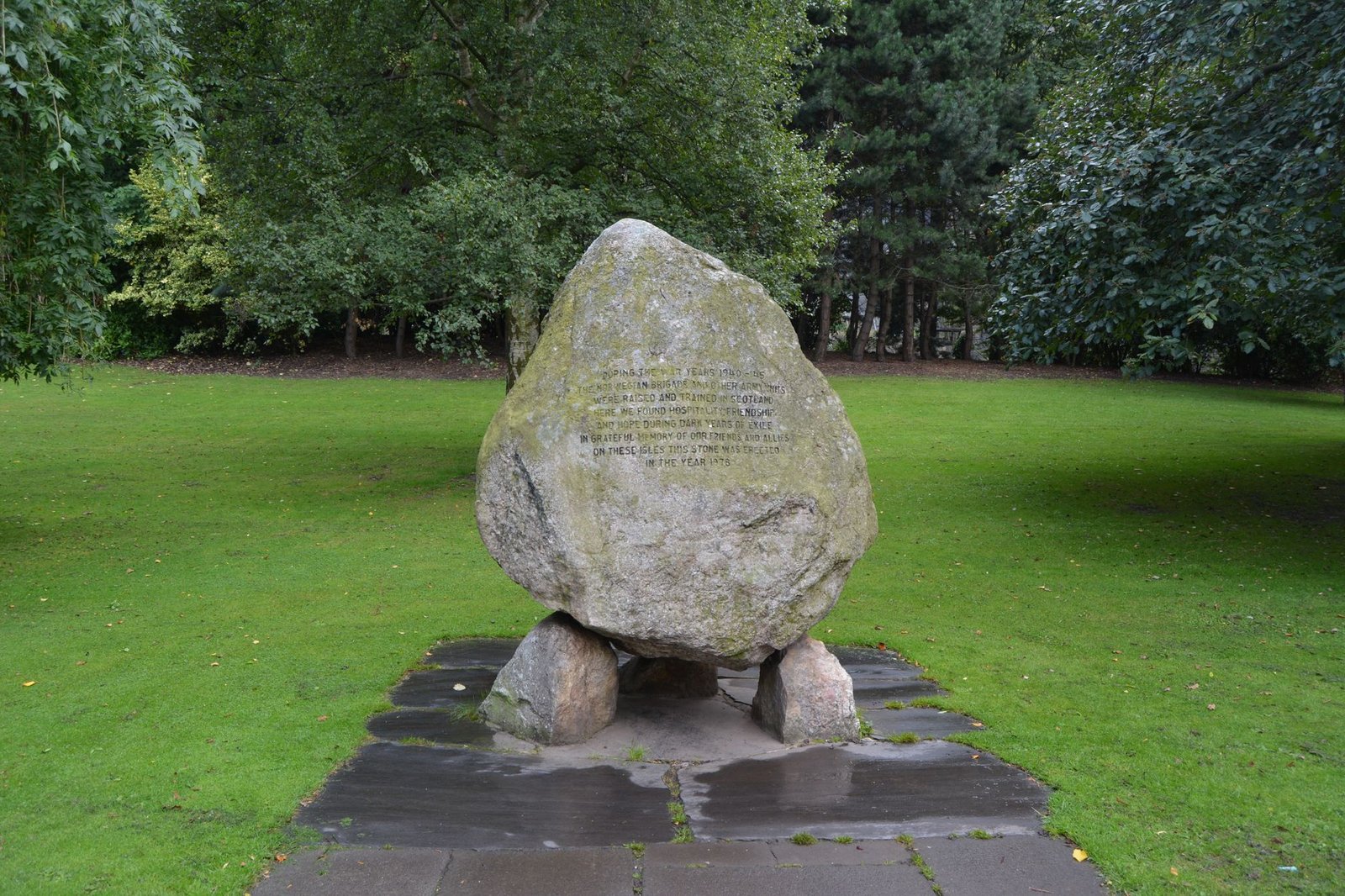
Cú Chulainn’s Boyhood Deeds: Summary and Meaning
*Cú Chulainns Boyhood Deeds* recount the formative exploits of Sétanta, the future hero of Ulster, whose extraordinary strength, temper, and sense of honor emerge through prophecy, combat, and initiation. Centered on the episode that gave him the name “the Hound of Culann,” these tales reveal how early Irish tradition shaped one of its most enduring warrior figures.
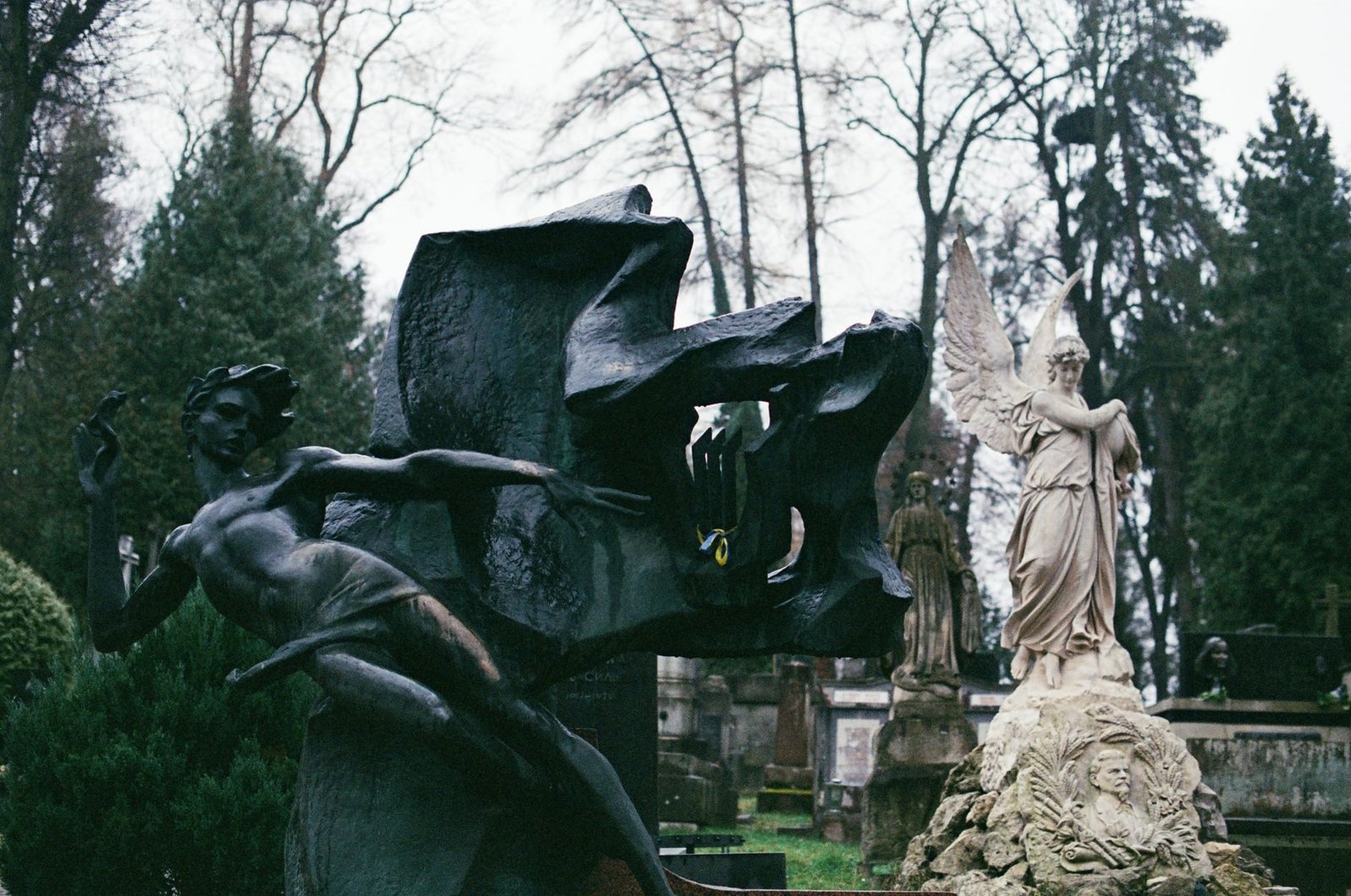
The Death of Cú Chulainn: Summary and Meaning
The death of Cú Chulainn is among the most enduring episodes in Irish myth, bringing the Ulster hero’s career to a tragic close through prophecy, geasa, and relentless fate. This article traces the multiple medieval versions of his final stand, including the famed image of him dying upright, and shows why the tale remains central to the Ulster Cycle.
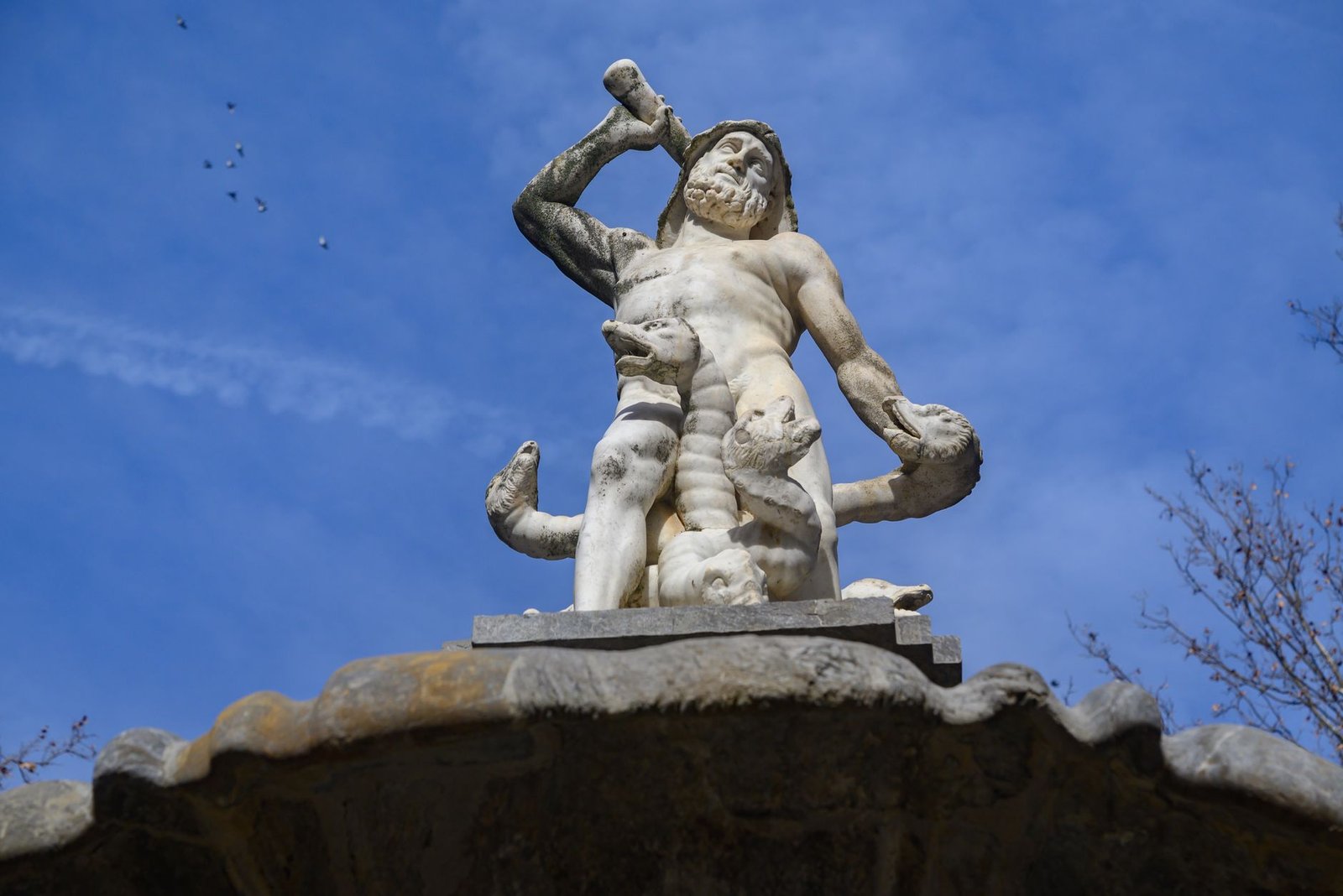
Is Cú Chulainn a God or a Hero? Explained
Cú Chulainn a god or a hero is a question that lies at the heart of Irish mythology, where his extraordinary feats, fierce loyalty, and semi-divine aura blur the line between mortal champion and supernatural being. This article examines his origins, symbolic name, and medieval sources to show why he is best understood as a heroic warrior shaped by legend rather than a god in the strict sense.
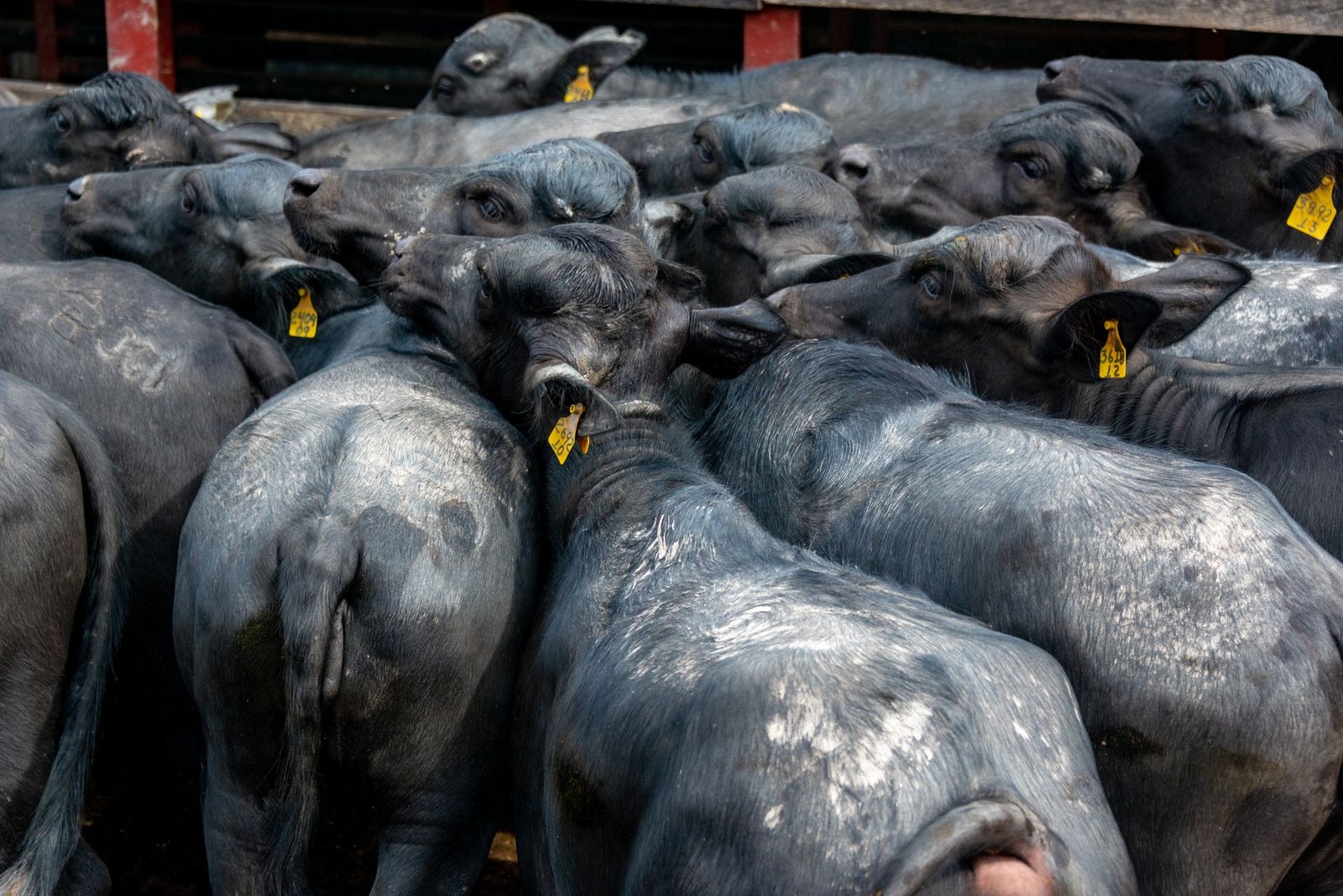
The Táin Bó Cúailnge: Cattle Raid of Cooley Explained
The Táin Bó Cúailnge, or Cattle Raid of Cooley, is the central epic of the Ulster Cycle, recounting Queen Medb’s attempt to seize the famed brown bull of Cooley and the resistance led by Cú Chulainn. This excerpt explores the story’s origins, cultural meaning, and heroic themes, revealing why it remains a cornerstone of early Irish literature.
The Táin Bó Cúailnge: Cattle Raid of Cooley Explained
The Táin Bó Cúailnge, or Cattle Raid of Cooley, is the central epic of the Ulster Cycle, recounting Queen Medb’s attempt to seize the famed brown bull of Cooley and the resistance led by Cú Chulainn. This excerpt explores the story’s origins, cultural meaning, and heroic themes, revealing why it remains a cornerstone of early Irish literature.
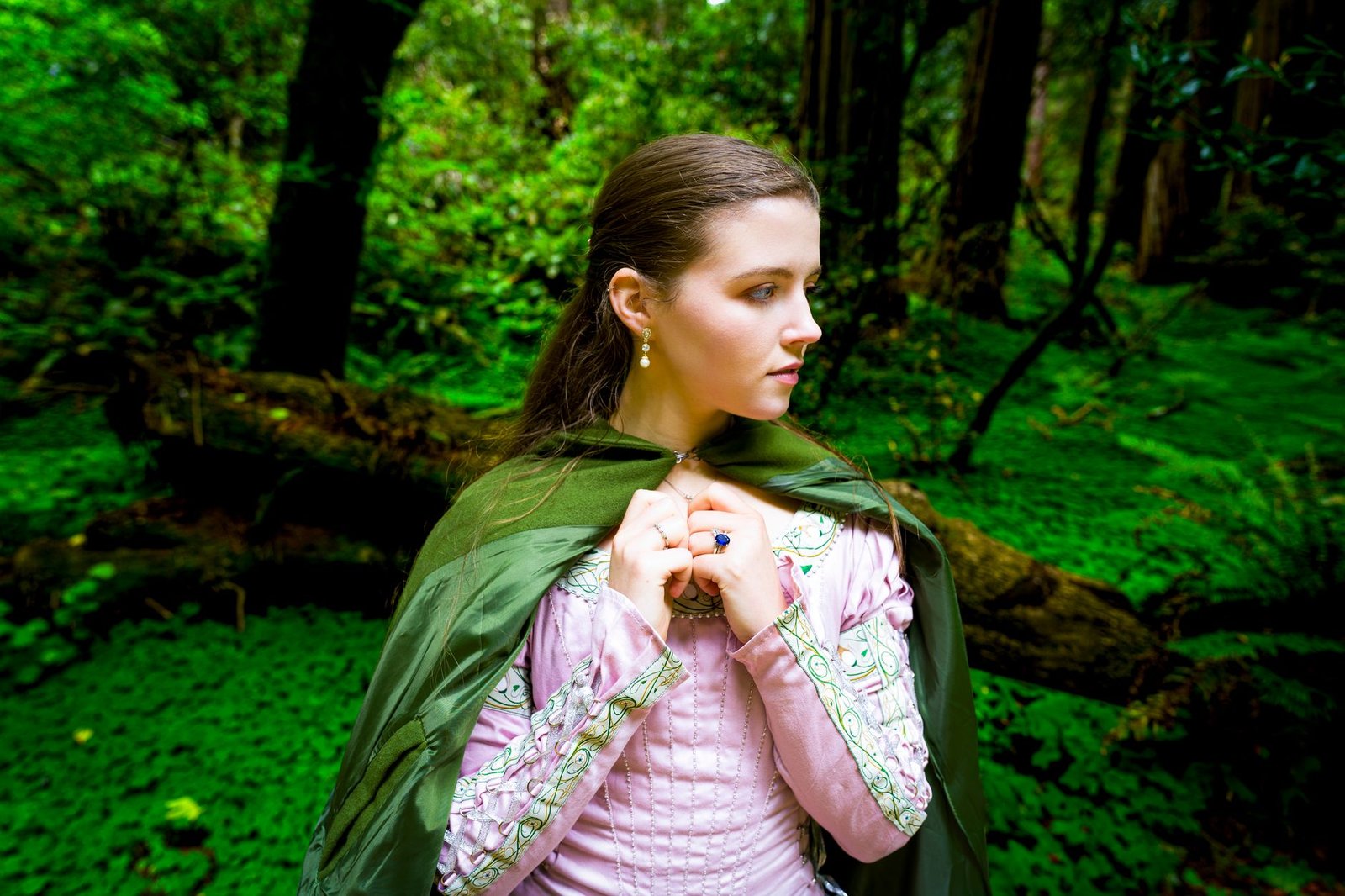
The Wooing of Emer: Irish Mythology and Cú Chulainn
The Wooing of Emer, or Tochmarc Emire, is a central tale of the Ulster Cycle, recounting how Cú Chulainn seeks Emer’s hand through feats, negotiations, and tests of worth. Blending heroic romance with early Irish ideas of honor, marriage, and female agency, the story reveals much about the mythic world behind its surviving medieval texts.

Difference Between the Mythological Cycle and the Ulster Cycle
The Difference between the Mythological Cycle and the Ulster Cycle lies in their focus, themes, and place within early Irish tradition: one presents Ireland’s supernatural origins, sacred kingship, and divine peoples, while the other centers on heroic warfare, honor, and the exploits of Cú Chulainn. This article explains how scholars distinguish these cycles, why the categories matter, and where their narratives overlap in medieval manuscripts.
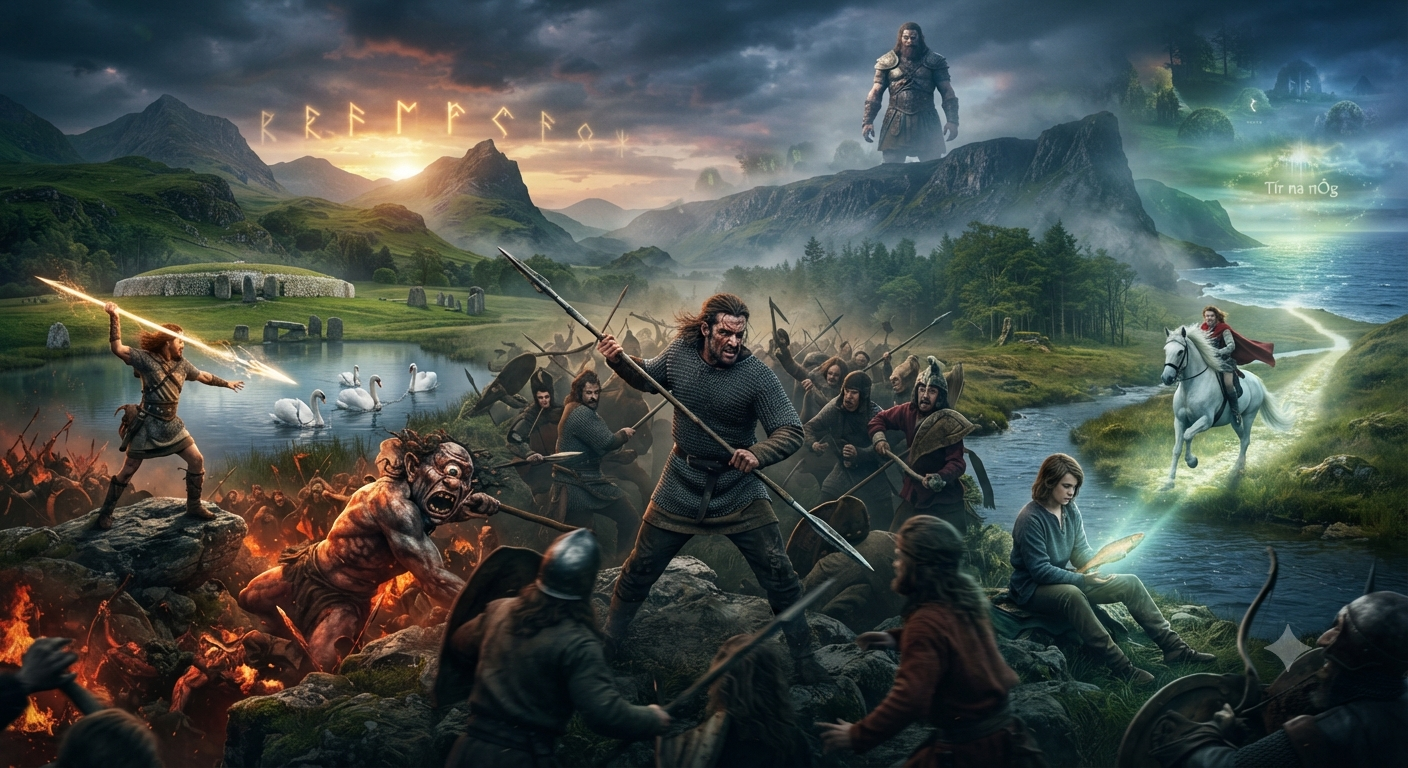
Celtic Myths and Legends: The Complete Guide
Celtic mythology’s greatest stories are organized into distinct cycles — the divine Mythological Cycle, the heroic Ulster Cycle, the adventurous ...