Celtic Mythology
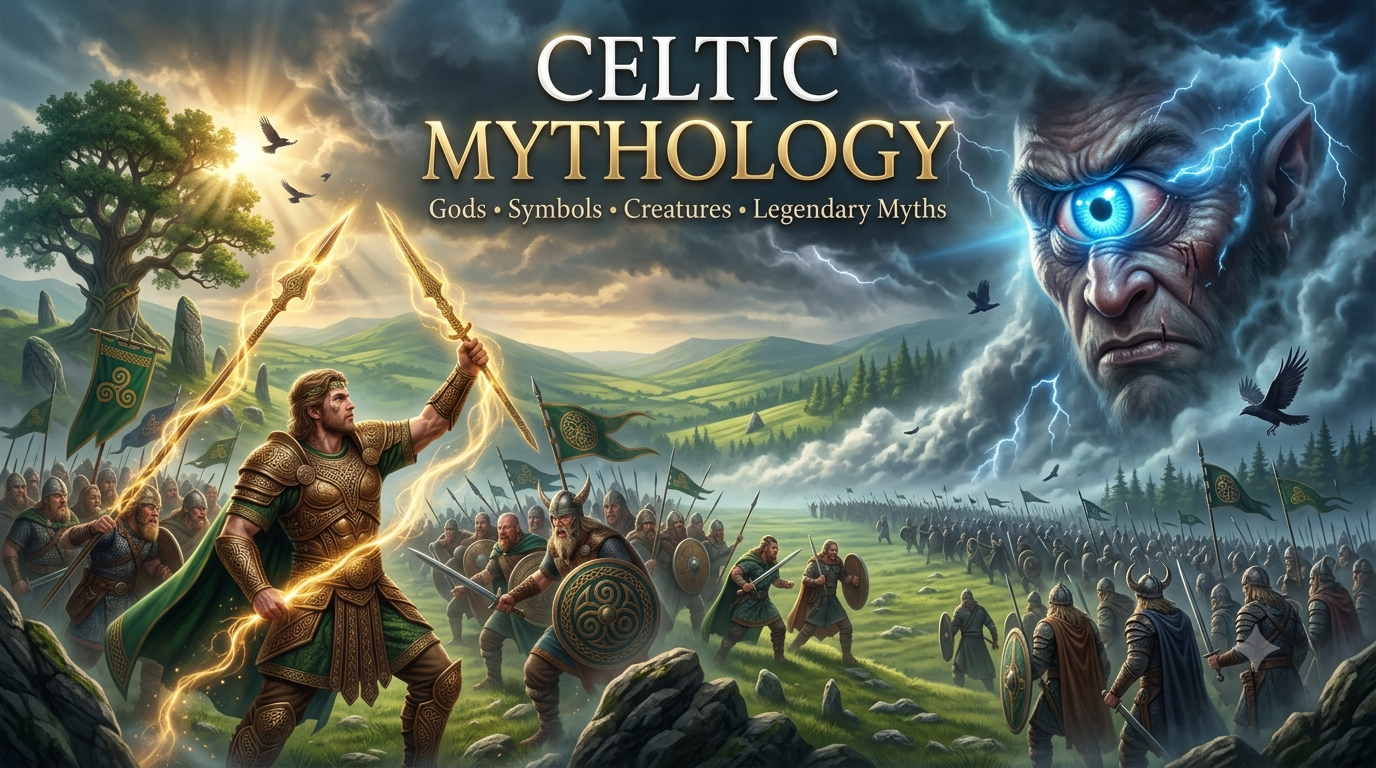
Celtic Mythology: The Complete Guide to the Gods, Symbols, Creatures, and Myths of the Celtic World
Historical and Geographic Context Celtic culture and religion spread across much of pre-Roman Iron Age Europe, from Gaul and Britain ...
The Second Battle of Mag Tuired: History and Mythology
The Second Battle of Mag Tuired is a foundational myth of early Irish literature, recounting the struggle between the Tuatha Dé Danann and the Fomorians in a drama of sovereignty, craft, and cosmic order. At its center stands Lugh’s rise against Balor, but the tale’s enduring significance lies in the deeper questions it raises about power, hospitality, and the forces that shape a society.
The First Battle of Mag Tuired: Celtic Mythological Battle
The First Battle of Mag Tuired is a foundational episode in early Irish mythology, recounting the clash between the Tuatha Dé Danann and the Fomorians on the mythic plain of Mag Tuired in western Ireland. Preserved in medieval literature, the story illuminates themes of sovereignty, conflict, and the shaping of Ireland’s legendary past, while raising questions about its place in the broader mythological cycle.
The Children of Lir: Irish Mythology and Legend
The Children of Lir is a central tale in Irish mythology, recounting how four royal siblings are turned into swans by a jealous stepmother and condemned to wander lakes and seas for centuries. Blending tragedy, transformation, and survival, the story reveals how medieval Irish writers reshaped older mythic material into a lasting legend that still invites closer reading.
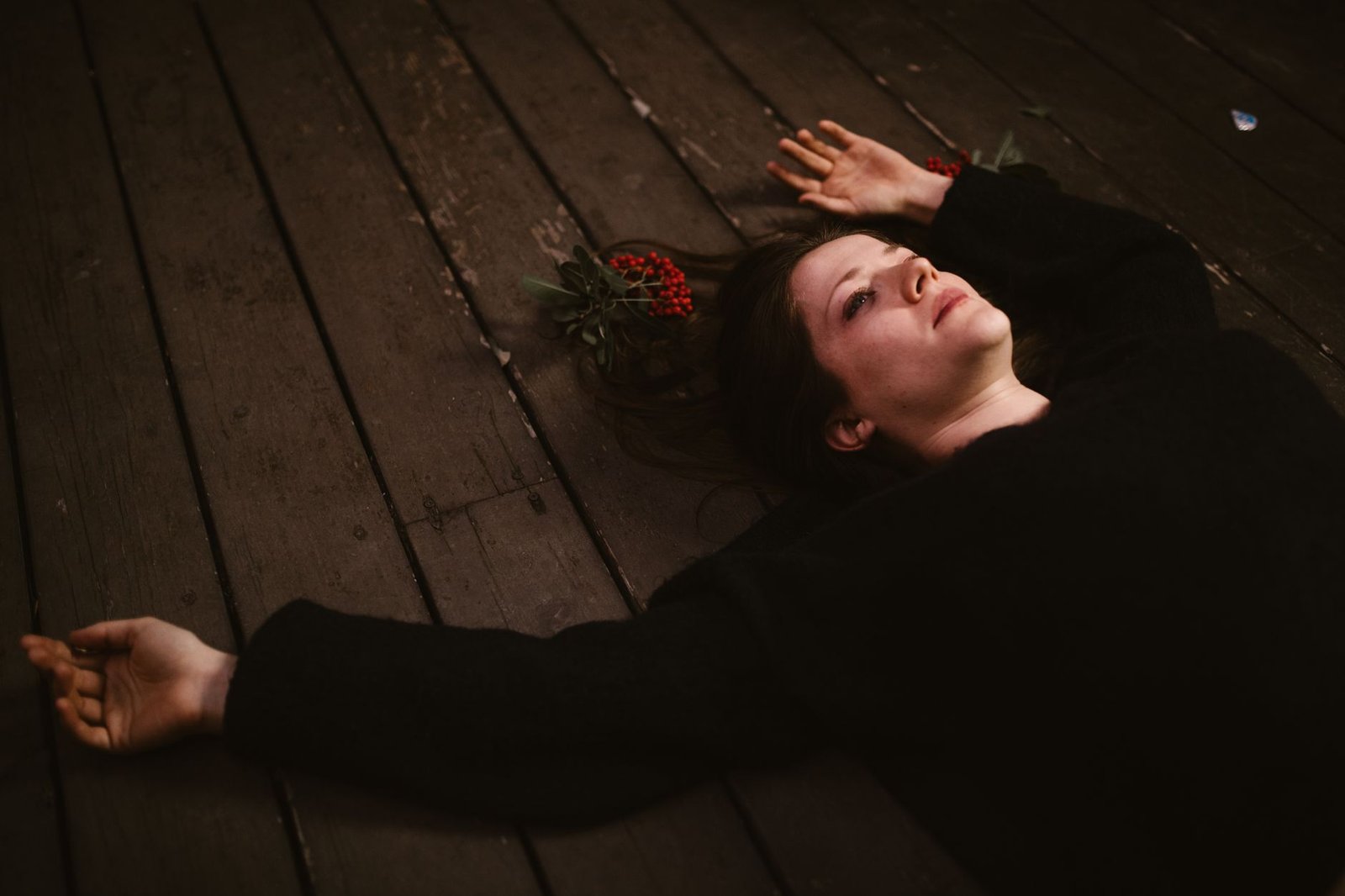
The Tragic Story of Deirdre: Irish Mythology Explained
Deirdre, the tragic heroine of Irish legend, stands at the center of a tale of prophecy, forbidden love, exile, and betrayal that became one of the best-known narratives of the Ulster Cycle. Often called the tragic story of Deirdre, her account reveals how beauty and loyalty collide with heroic violence, leaving readers to discover why she endures as a symbol of doomed love.
Cú Chulainn’s Boyhood Deeds: Summary and Meaning
*Cú Chulainns Boyhood Deeds* recount the formative exploits of Sétanta, the future hero of Ulster, whose extraordinary strength, temper, and sense of honor emerge through prophecy, combat, and initiation. Centered on the episode that gave him the name “the Hound of Culann,” these tales reveal how early Irish tradition shaped one of its most enduring warrior figures.
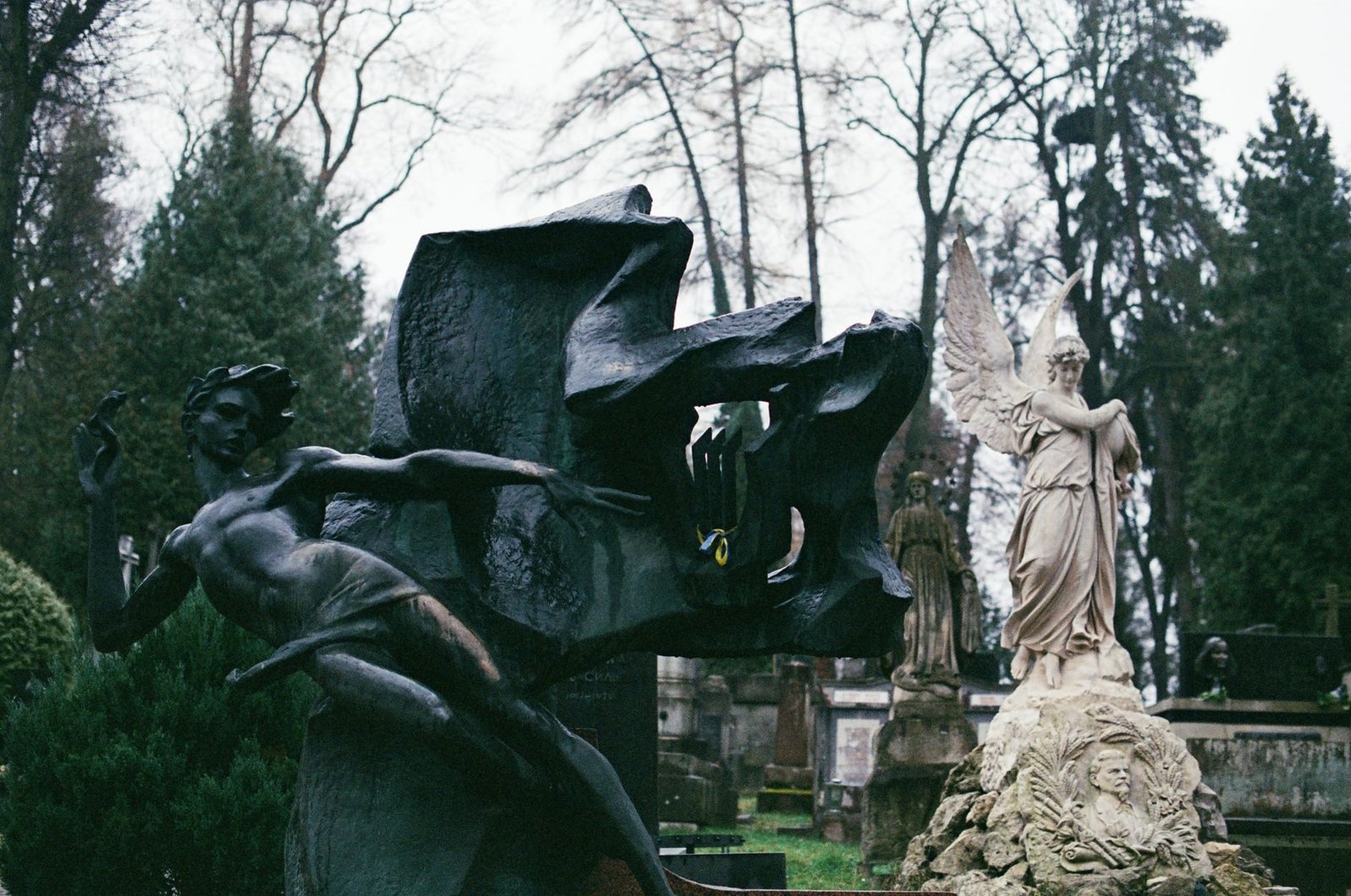
The Death of Cú Chulainn: Summary and Meaning
The death of Cú Chulainn is among the most enduring episodes in Irish myth, bringing the Ulster hero’s career to a tragic close through prophecy, geasa, and relentless fate. This article traces the multiple medieval versions of his final stand, including the famed image of him dying upright, and shows why the tale remains central to the Ulster Cycle.

Fionn Mac Cumhaill and the Salmon of Knowledge Explained
Fionn mac Cumhaill and the Salmon of Knowledge form one of the most enduring episodes in Irish mythology, explaining how the young hero unexpectedly gained the wisdom that shaped his legendary status. This article traces the tale’s medieval sources, symbolic meanings, and lasting place in the Fenian Cycle, revealing why the story remains central to Celtic tradition.
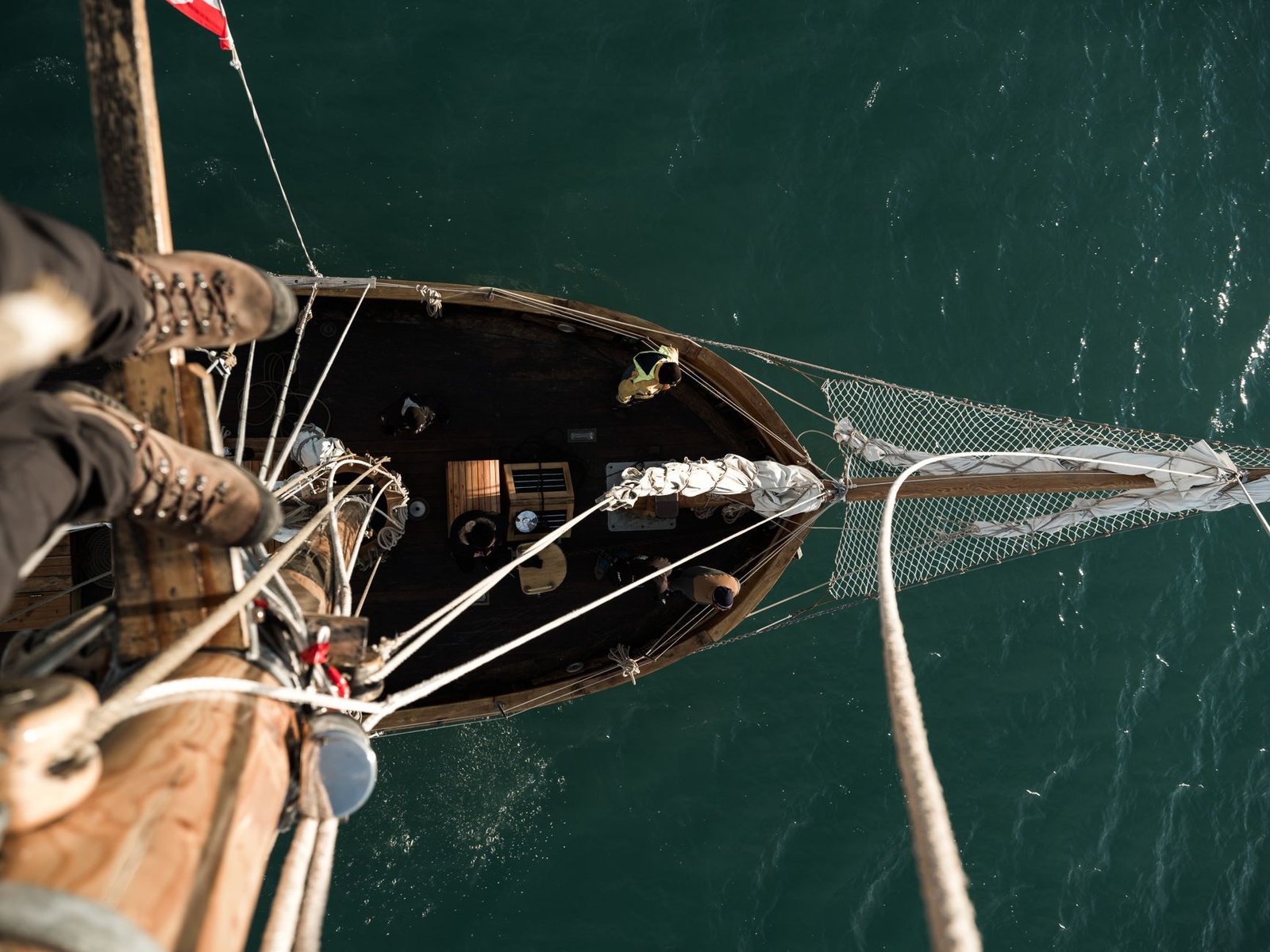
The Voyage of Bran: Irish Mythology and Otherworld Journey
The Voyage of Bran (*Immram Brain*) is a foundational early Irish voyage tale in which Bran crosses the sea to encounter enchanted islands, supernatural beings, and unsettling visions of time and mortality. Preserved in medieval manuscripts yet rooted in older tradition, it reveals how Celtic myth and Christian-era learning shaped a story that still invites close reading.
Tochmarc Étaíne (The Wooing of Étaín): Irish Mythology
Tochmarc Étaíne, or The Wooing of Étaín, is a major work of medieval Irish saga literature that weaves together kingship, divine love, jealousy, transformation, and fate. Centered on the enigmatic Étaín and the Tuatha Dé Danann, the tale reveals how Irish writers shaped older mythic material into a sophisticated narrative of memory, sovereignty, and otherworldly power.