The Tragic Story of Deirdre
Introduction
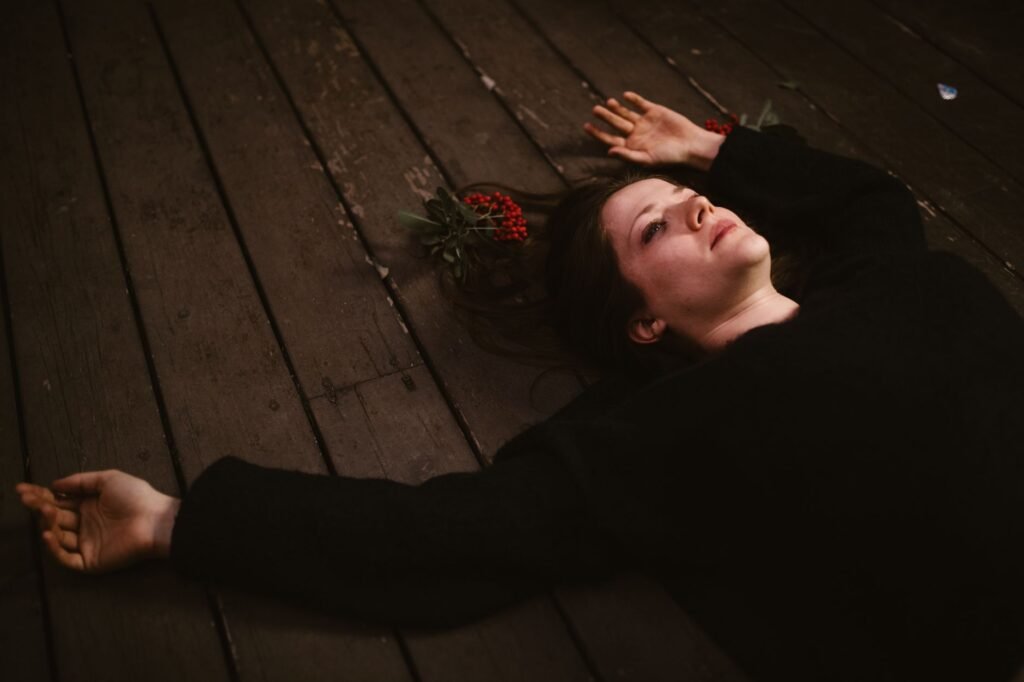
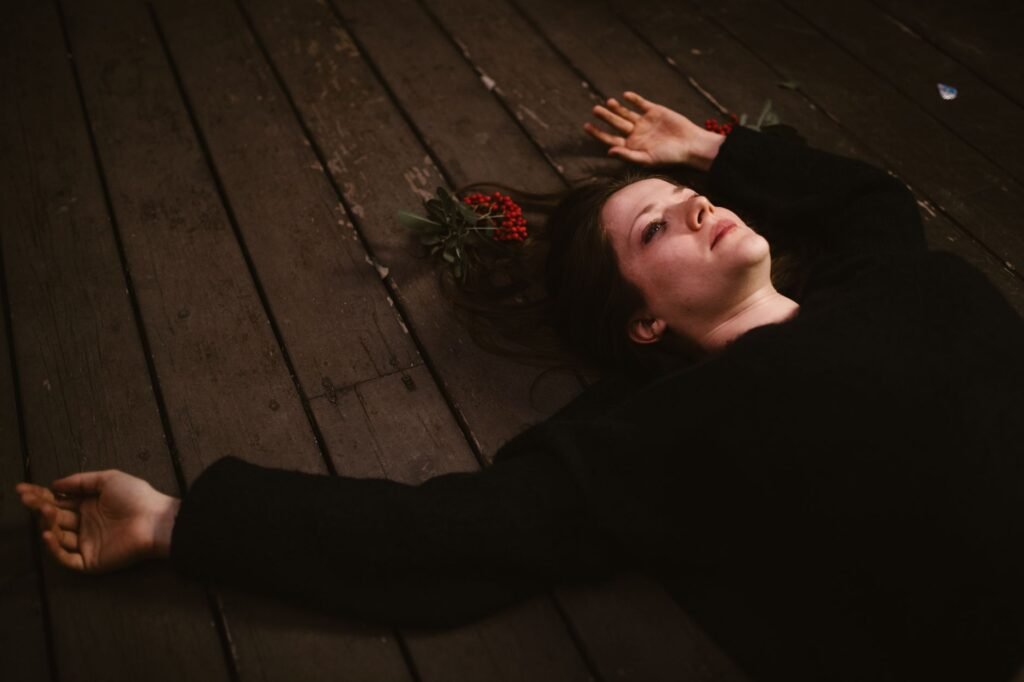
Deirdre is one of the most celebrated tragic heroines in the Irish mythological cycle. Her story, often known as the tragic story of Deirdre or Deirdre of the Sorrows, combines prophecy, beauty, political conflict, forbidden love, exile, and fatal loyalty. In Irish literary tradition, she is associated above all with the Ulster Cycle, where her life becomes a moving narrative about the consequences of destiny and the violence of heroic society.
Unlike many mythological figures who appear primarily as warriors, queens, or divinities, Deirdre is remembered for the emotional and moral force of her story. Her fate has made her a symbol of doomed love and one of the most enduring characters in medieval Irish literature and later cultural adaptations.
Origin and Meaning
The name Deirdre is of early Irish origin, though its exact etymology is uncertain and has been the subject of scholarly discussion. Medieval and modern interpretations have proposed different derivations, but no single explanation is universally accepted.
Some traditional explanations connect the name with ideas of fear, sorrow, or anxiety, which suits later literary readings of her tragic destiny. However, because the form of the name appears in early Irish sources in ways that do not allow a secure etymology, its original meaning remains disputed.
Deirdre’s story survives in medieval Irish manuscripts, but it almost certainly rests on older oral traditions. The tale became one of the best-known legends in Irish literature, especially in the form commonly called Longes mac n-Uislenn (“The Exile of the Sons of Uisliu”), where Deirdre’s fate is central.
Historical Context
Deirdre belongs to the mythological and heroic world of early Ireland, not to documented history in the modern sense. Her story is set in the court of Conchobar mac Nessa, king of Ulster, in a society described through a blend of myth, genealogy, warrior culture, and royal politics.
The tale reflects several features of early Irish tradition:
- the importance of honor and kingship
- the role of prophecy
- the tension between individual desire and social obligation
- the violent consequences of feud and retaliation
- the centrality of poetry and lamentation
Although the setting is mythic, the story preserves the atmosphere of an aristocratic warrior culture. Kings host poets, warriors swear loyalty, and women may be at the center of dynastic and political tensions. Deirdre’s tragedy is not only personal; it is also social, since it exposes the instability and moral costs of a heroic order.
Main Characteristics
Deirdre is usually described as exceptionally beautiful, intelligent, and deeply loyal. Her defining characteristics are shaped by the narrative itself.
Key traits commonly associated with Deirdre
- Extraordinary beauty: her beauty is said to be so great that it provokes fear and desire.
- Prophetic significance: her birth is linked to a prophecy that her loveliness will bring disaster.
- Romantic devotion: she loves Naoise and remains committed to him despite danger.
- Tragic nobility: even when displaced and hunted, she preserves dignity.
- Lamenting voice: later tradition especially emphasizes her grief and poetic sorrow.
Unlike a simple passive victim, Deirdre often appears as a figure of resolve. Some versions give her greater agency than others, especially in choosing Naoise and resisting Conchobar’s attempts to claim her. Her story therefore functions not only as tragedy but also as a narrative of constrained autonomy.
Family and Genealogy
Deirdre’s family background is part of the mythic framework of the Ulster Cycle.
Immediate family
- Father: Fedlimid mac Dall
- Mother: not always emphasized in surviving versions; some traditions do not foreground her
- Guardian/royal environment: she is raised in the household associated with Conchobar
Related figures
- Conchobar mac Nessa: king of Ulster, who seeks to marry Deirdre in some versions
- Naoise: Deirdre’s lover and later husband
- The sons of Uisliu: Naoise, Ainnle, and Ardan, who aid Deirdre in her escape
- Ainle and Ardan: Naoise’s brothers, who share his exile and fate
Children
Different versions of the legend vary in what they say about Deirdre’s descendants. Some later traditions mention children or future lineage, but the best-known early narrative focuses mainly on her relationship with Naoise and the destruction of the household that sheltered her. Where descendants are mentioned, the details are not consistent across sources.
Symbols
Deirdre is not primarily a deity with a fixed iconographic system, but later tradition associates her with several recurring symbolic elements.
Common symbolic motifs
| Symbol | Meaning |
|---|---|
| Beauty | The power of desire, but also a source of danger and catastrophe |
| The color red | Often linked in Irish tradition to passion, blood, and fate |
| Exile | Separation from home, social order, and safety |
| Lament | Grief, memory, and the dignity of mourning |
| The enclosed chamber or sanctuary | Seclusion, control, and the attempt to contain prophecy |
Because Deirdre is a literary figure rather than an object of formal cult, these symbols are primarily narrative and thematic rather than ritual.
Sacred Animals
No sacred animal in the strict religious sense is universally and securely attached to Deirdre. However, Irish mythological storytelling frequently uses animal imagery to describe beauty, nobility, speed, and danger.
In some literary and later artistic interpretations, Deirdre is linked indirectly to animals such as:
- swans, as a symbol of beauty and tragic transformation
- deer, because the name Deirdre has sometimes been associated in popular imagination with softness or wild grace, though this is not a firm ancient tradition
- birds, especially in the context of longing, flight, and exile
It is important to note that these are symbolic associations rather than established ancient cultic connections.
Sacred Plants
As with sacred animals, there is no confirmed ancient sacred plant specifically tied to Deirdre. Still, plant imagery appears in Irish poetic and literary environments surrounding her legend.
Plants often associated with Irish heroic and elegiac tradition
- Hazel: linked broadly to wisdom in Irish tradition
- Rowan: often associated with protection
- Yew: connected with death, endurance, and grave landscapes
- Flowers and woodland imagery: frequently used in later retellings of Deirdre’s beauty and grief
Because Deirdre’s story is primarily literary, any plant symbolism should be understood as part of the broader imaginative world of Irish myth rather than as evidence of formal worship.
Sacred Places
Deirdre’s story is tied to several important locations in Ulster and in the wider mythic geography of Ireland.
Principal places in the tale
| Place | Importance |
|---|---|
| Emain Macha | The royal seat of Ulster and the court where Deirdre is raised |
| Scotland / Alba | The place of exile for Deirdre and the sons of Uisliu in some versions |
| Forest and wilderness landscapes | Sites of flight, concealment, and survival |
| Ulster royal halls | The setting of political conflict, hospitality, and betrayal |
Emain Macha
Emain Macha, the legendary capital of Ulster, is the most important center in Deirdre’s story. It symbolizes royal power, social order, and the danger of life under a king whose wishes can become coercive.
Exile landscapes
The wilderness, foreign territory, and remote dwelling places are essential to the story’s emotional structure. They represent both freedom and vulnerability. Deirdre and Naoise’s love flourishes outside courtly control, but their exile also leaves them exposed to betrayal.
Powers and Attributes
Deirdre does not have divine powers in the way of a goddess. However, the narrative gives her an almost supernatural significance.
Her narrative “powers” include:
- the force of prophecy surrounding her birth
- the ability to inspire devotion and conflict
- moral endurance under suffering
- the power of lament, especially in later retellings
- a symbolic role in exposing political corruption and betrayal
In mythological terms, Deirdre functions like a catalyst. Her presence reveals the character of others: Conchobar’s possessiveness, Naoise’s loyalty, and the fragility of social order.
Main Myths
The central myth associated with Deirdre is one of the most famous tragedies in Irish literature.
The prophecy of Deirdre’s birth
According to the tale, Deirdre’s birth was accompanied by a prophecy that she would grow into a woman of great beauty and that kings and warriors would suffer because of her. In some versions, Conchobar intended to take her for himself when she was old enough.
To prevent this, she was raised in seclusion. However, her fate could not be avoided. Even in isolation, she became the focus of fascination and desire.
The choice of Naoise
Deirdre falls in love with Naoise, one of the sons of Uisliu. The story commonly portrays her as choosing him rather than submitting to Conchobar. Naoise and his brothers help her escape, and the lovers flee into exile.
This part of the narrative is crucial because it transforms Deirdre from an object of royal planning into an active participant in her own destiny. Her decision creates the emotional core of the tale.
Exile and wandering
Deirdre and Naoise live for a time in hiding and exile, often accompanied by the sons of Uisliu. Their life away from court is portrayed as comparatively happy, but it is precarious. Conchobar later lures them back with promises of safety.
The return is a trap.
Betrayal and death
Once back in Ulster, Naoise and his brothers are betrayed and killed. Different versions vary in details, but the outcome is the same: Deirdre loses the man she loves because of royal deceit and political violence.
Deirdre’s final grief
After Naoise’s death, Deirdre’s sorrow becomes the focus of the tale. In many versions, she is forced into a new marriage or is placed under Conchobar’s power. Her final years are marked by humiliation, captivity, or despair.
The most poignant episode is often her death, which follows a final act of lament or defiance. One version presents her as dying after throwing herself from a chariot or after smashing her head against a rock; however, the details vary across manuscripts and later tellings. What remains constant is the tragic conclusion: Deirdre cannot be reconciled to the loss and betrayal she has endured.
Relationship with Other Mythological Figures
Deirdre’s story depends on a small but powerful set of relationships.
Conchobar mac Nessa
Conchobar is the dominant political figure in the tale. His desire for Deirdre drives much of the conflict. Depending on the version, he appears as a king asserting authority, a suitor pursuing a bride, or a tyrant unwilling to accept her independence.
Naoise
Naoise is Deirdre’s lover and husband in the best-known account. Their relationship is the emotional center of the story. He represents both love and vulnerability, since his loyalty leads him into danger.
The sons of Uisliu
Ainnle and Ardan stand with Naoise in exile and share his fate. Their presence reinforces the theme of brotherhood and mutual loyalty.
Fergus mac Róich
In some versions, Fergus serves as an intermediary whose presence is used to guarantee safe conduct. His role is significant because it highlights the theme of broken hospitality and violated trust.
The women of Ulster
Later retellings and dramatic adaptations often emphasize the reactions of women around Deirdre, especially in relation to beauty, jealousy, pity, or lament. However, the older sources are more focused on the political and heroic men surrounding her.
Worship and Cult
Deirdre was not the object of a formal ancient cult in the way that a goddess or local deity might be. There is no evidence of temples, ritual sacrifices, or public worship dedicated to her.
Instead, her significance lies in:
- oral storytelling
- medieval manuscript tradition
- poetic retelling
- later literary and dramatic adaptation
In Irish cultural memory, Deirdre became almost sacred in a literary sense. She was lamented, admired, and reimagined by poets and writers, but not worshipped as a deity.
Ancient Sources
Deirdre is known chiefly from early Irish textual tradition, especially manuscript literature preserved by medieval scribes.
Important sources and textual witnesses
| Source | Relevance |
|---|---|
| Longes mac n-Uislenn | The principal old-Irish tale of Deirdre and the sons of Uisliu |
| The Book of Leinster | Contains important early Irish material related to Ulster Cycle narratives |
| The Book of the Dun Cow | Preserves older mythological and heroic texts |
| Later recensions and manuscripts | Offer expanded or altered versions of the story |
| Standish O’Grady, Lady Gregory, and later translators | Influential modern transmitters, though not ancient sources |
Because the surviving material is textual rather than archaeological, scholars compare versions carefully. Some details are stable across traditions, while others differ significantly.
Classical authors
Deirdre does not appear in Greek or Roman classical mythology, and therefore there are no Homeric, Hesiodic, or Ovidian references to her in the strict sense. Her myth belongs to the Irish tradition, preserved in medieval Irish literature rather than classical Mediterranean sources.
Roman Equivalent
There is no true Roman equivalent to Deirdre. She is a figure from Irish heroic tradition and should not be confused with a Roman goddess or heroine.
That said, modern readers sometimes compare her story to tragic women from Greco-Roman literature, such as:
- Dido in Virgil’s Aeneid
- Medea in Greek tragedy
- Phaedra in later classical myth
These comparisons are literary rather than historical. They help explain why Deirdre’s story resonates internationally: it combines beauty, prophecy, betrayal, and fatal love in a way familiar to many tragic traditions.
Influence on Modern Culture
Deirdre has had a major afterlife in modern literature, drama, music, and visual art. Her story became especially important in the revival of interest in Irish mythology.
Major areas of influence
- Irish literary revival: writers used Deirdre as a symbol of national feeling, tragic beauty, and cultural memory.
- Drama: the story has been adapted for the stage in several versions.
- Poetry: her lament and exile have made her a powerful subject for lyric treatment.
- Opera and music: the tale has inspired musical settings and vocal works.
- Visual art: painters and illustrators have depicted Deirdre as an emblem of sorrowful beauty.
- Modern fiction and retellings: her name appears in novels and reinterpretations of Celtic legend.
Why she remains influential
Deirdre continues to attract writers and artists because her story speaks to enduring themes:
- the pressure placed on women by power
- the conflict between love and politics
- exile and loss
- the tragedy of broken trust
- the beauty of lament as an artistic form
For Irish culture in particular, she has come to represent the emotional depth of the mythic past.
Curiosities
Lesser-known facts about Deirdre
- She is often called “Deirdre of the Sorrows”, a title that emphasizes later literary interpretation.
- Her story is one of the most frequently translated narratives from the Ulster Cycle.
- The tale survives in multiple versions, and the ending is not always identical in detail.
- Deirdre has been read both as a symbol of romantic love and as a critique of male power.
- Her myth became especially popular in the Irish Literary Revival, when writers sought figures who could embody national identity and tragedy.
- In some interpretations, Deirdre’s apparent passivity is misleading; she can also be seen as making crucial choices under extreme constraint.
- The story is often studied alongside other tragic lover narratives from world literature because of its emotional structure and fatal outcome.
Frequently Asked Questions
Who was Deirdre in Irish mythology?
Deirdre was a legendary heroine from the Irish Ulster Cycle, best known for her beauty, her love for Naoise, and the tragic events that followed their exile and betrayal.
Why is Deirdre called “of the Sorrows”?
The title reflects the sorrow and tragedy associated with her life, especially the deaths of Naoise and the sons of Uisliu and her own final grief.
Is Deirdre a goddess?
No. Deirdre is not a goddess in the surviving sources. She is a mythological and literary heroine from Irish tradition.
What is the main source for Deirdre’s story?
The main early source is Longes mac n-Uislenn (“The Exile of the Sons of Uisliu”), preserved in medieval Irish manuscript tradition.
Who did Deirdre love?
Deirdre loved Naoise, one of the sons of Uisliu. Their relationship is central to the legend.
Was Deirdre’s story based on history?
There is no secure historical evidence that Deirdre was a real person. Her narrative belongs to mythology and heroic legend, though it may reflect older social values and cultural patterns.
What themes does Deirdre’s story explore?
It explores prophecy, love, exile, betrayal, honor, fate, and the destructive cost of power.
Why is Deirdre still important today?
She remains important because her story continues to resonate as a tragic account of love under political pressure, and because she has become a lasting symbol in Irish cultural memory.
Conclusion
The tragic story of Deirdre endures because it combines personal love with public catastrophe. In the mythic world of early Ireland, she stands at the intersection of beauty, prophecy, and political violence. Her tale is not only a romance but also a lament for broken trust, exile, and the fragility of human happiness under power.
As a literary figure, Deirdre has influenced centuries of storytelling and remains one of the most recognizable heroines in Irish mythology. Her legacy lies in the emotional force of her tragedy and in the way her story continues to speak to readers across cultures and generations.

Orin Vale has spent the better part of two decades tracing the threads that connect the world’s oldest stories — from the halls of Asgard to the banks of the Nile, from Olympus to the jungles of the Maya. What began as a childhood fascination with flood myths and trickster gods grew into years of independent study across comparative mythology and ancient religion, always chasing the same question: what did these stories mean to the people who first told them? Orin writes for readers who want more than trivia — the ones looking for the beliefs, fears, and truths that myths were built to carry.