divine kingship

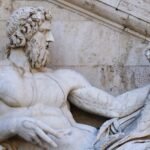
Jupiter vs. Zeus: Key Differences and Similarities
The difference between Jupiter and Zeus lies not only in name, but in the distinct Greek and Roman traditions that shaped each god’s role, symbolism, and religious meaning. Exploring their origins, epithets, and cultural functions reveals why these sky fathers are closely related yet far from identical.
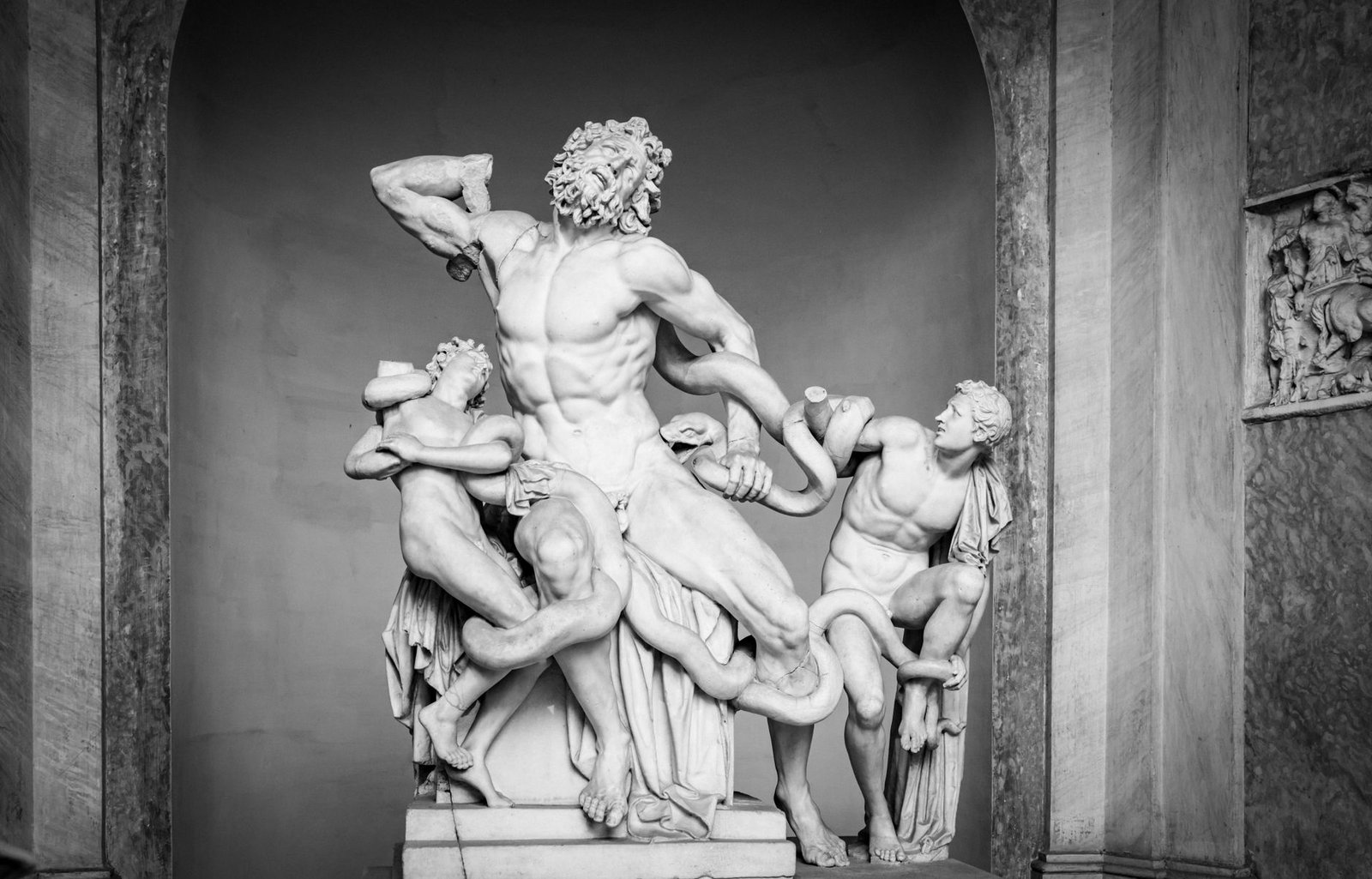
Titanomachy: Greek Mythology’s War of the Titans
Titanomachy is the legendary Greek mythic war in which Zeus and the younger Olympian gods overthrew the Titans, ending an older divine order and establishing cosmic rule. This article explores its origins, meaning, and cultural legacy, showing how the conflict became a foundational story of succession, sovereignty, and the shaping of the Greek universe.
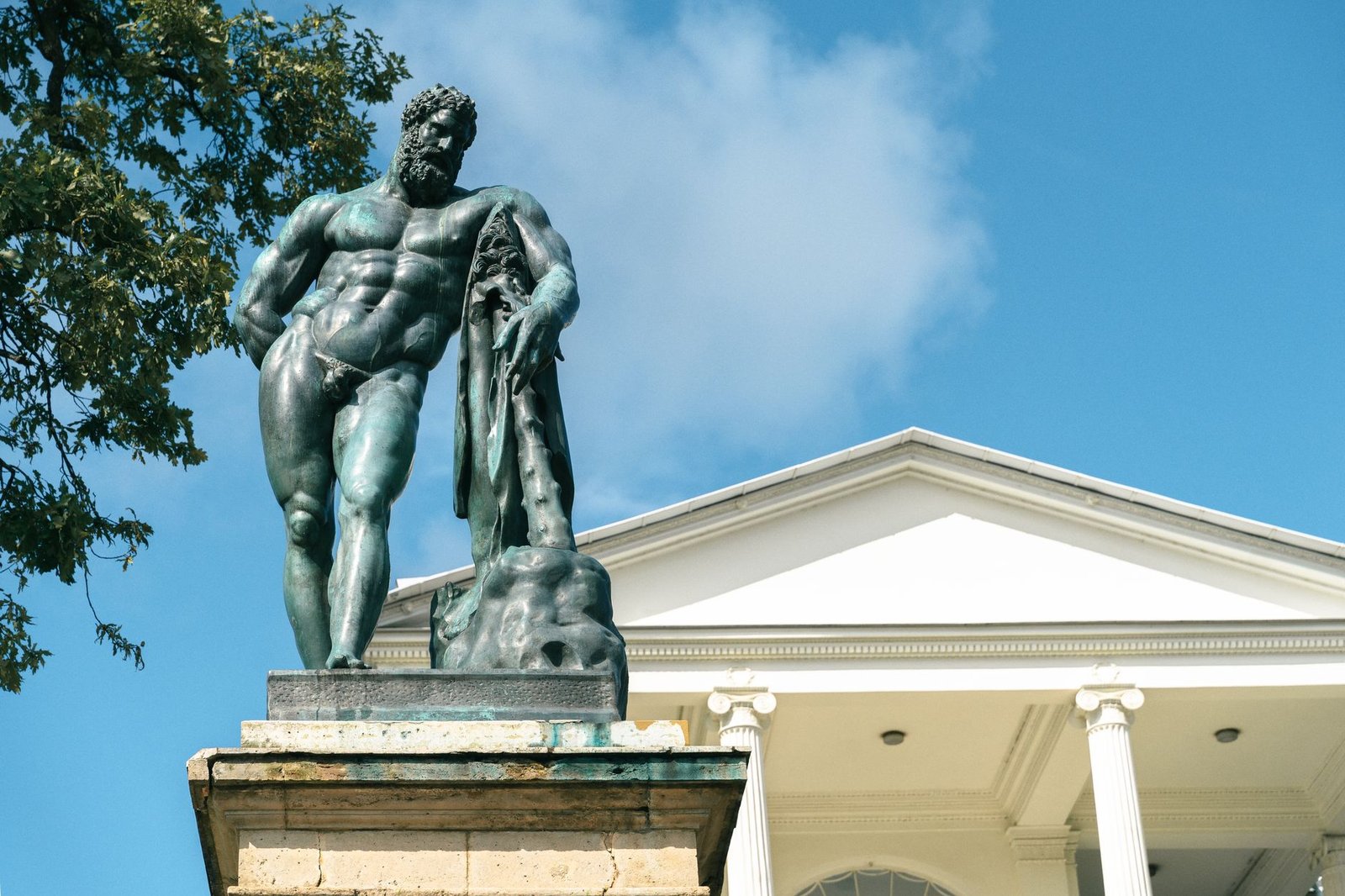
Typhon’s Rebellion Against Zeus in Greek Mythology
Typhons rebellion against Zeus stands among the great conflicts of Greek mythology, pitting the king of the gods against a monstrous challenger who threatened the order of the cosmos. Rooted in ancient traditions and retold by later writers, the myth explores divine kingship, chaotic force, and the struggle that secured Zeus’ supremacy.
Penelope and the Suitors in Greek Mythology
Penelope and the suitors is a central episode in Homer’s *Odyssey*, portraying Odysseus’ wife as she withstands persistent nobles who occupy her household and demand marriage during his long absence after the Trojan War. The episode explores fidelity, intelligence, and authority, while setting the stage for the suitors’ eventual downfall and the restoration of order.
Eye of Horus in Egyptian Mythology: Meaning and Origins
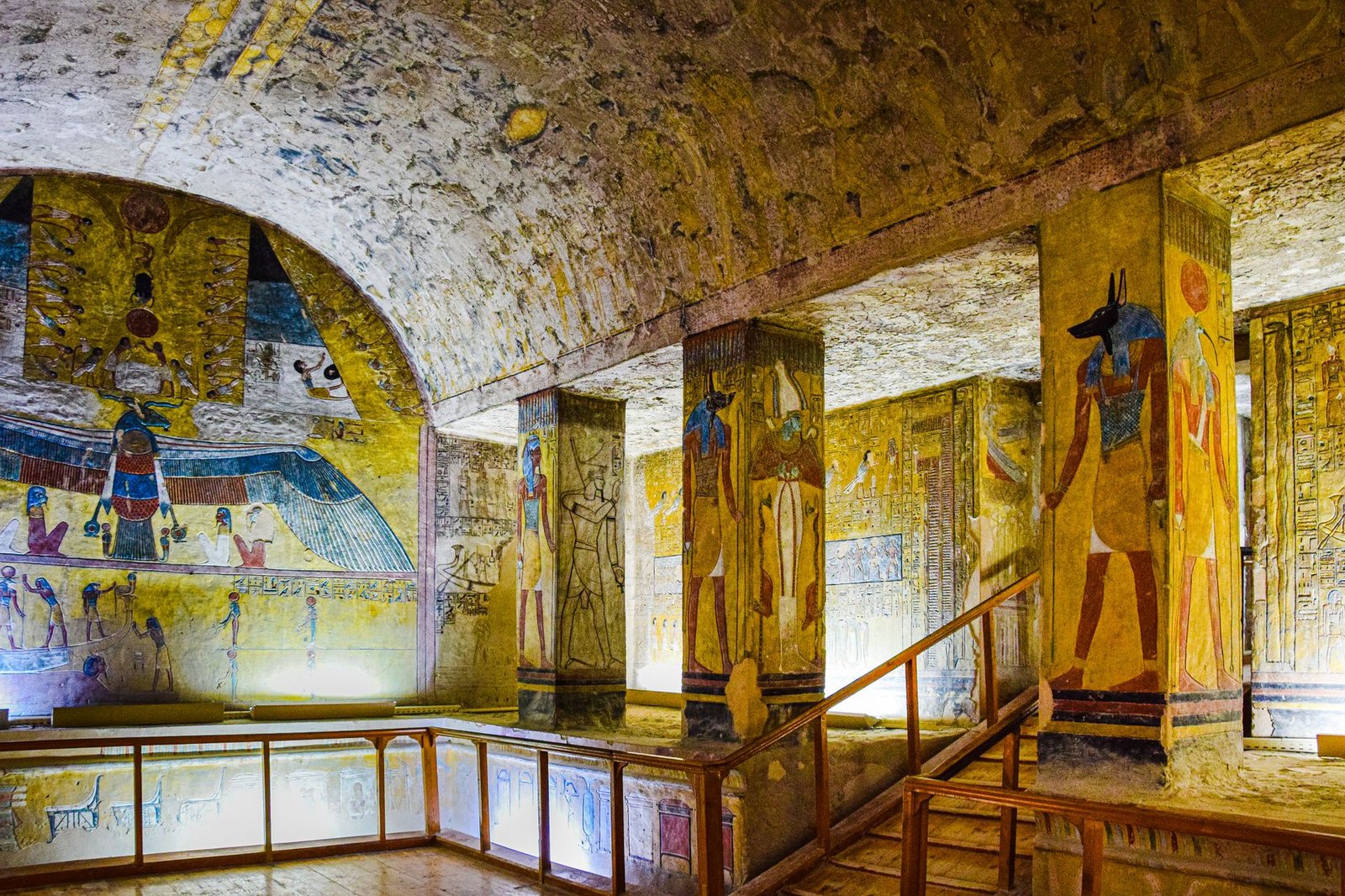
The Eye of Horus in Egyptian mythology is a powerful symbol of healing, protection, royal authority, and restored wholeness, rooted in the story of Horus’s injured eye and its divine repair. Its long history in amulets, funerary art, and temple imagery reveals how a single emblem came to embody both personal wellbeing and cosmic order.

What Is the Red Crown of Egypt in Egyptian Mythology
The red crown of Egypt, known as the Deshret, was the emblem of Lower Egypt and a powerful sign of kingship, sovereignty, and the unity of the Two Lands. Rooted in ancient ideas of the “red land,” it carries layered meanings of authority, desert power, and divine rule, inviting closer study of its place in Egyptian mythology and royal symbolism.
What Is the Atef Crown in Egyptian Mythology?
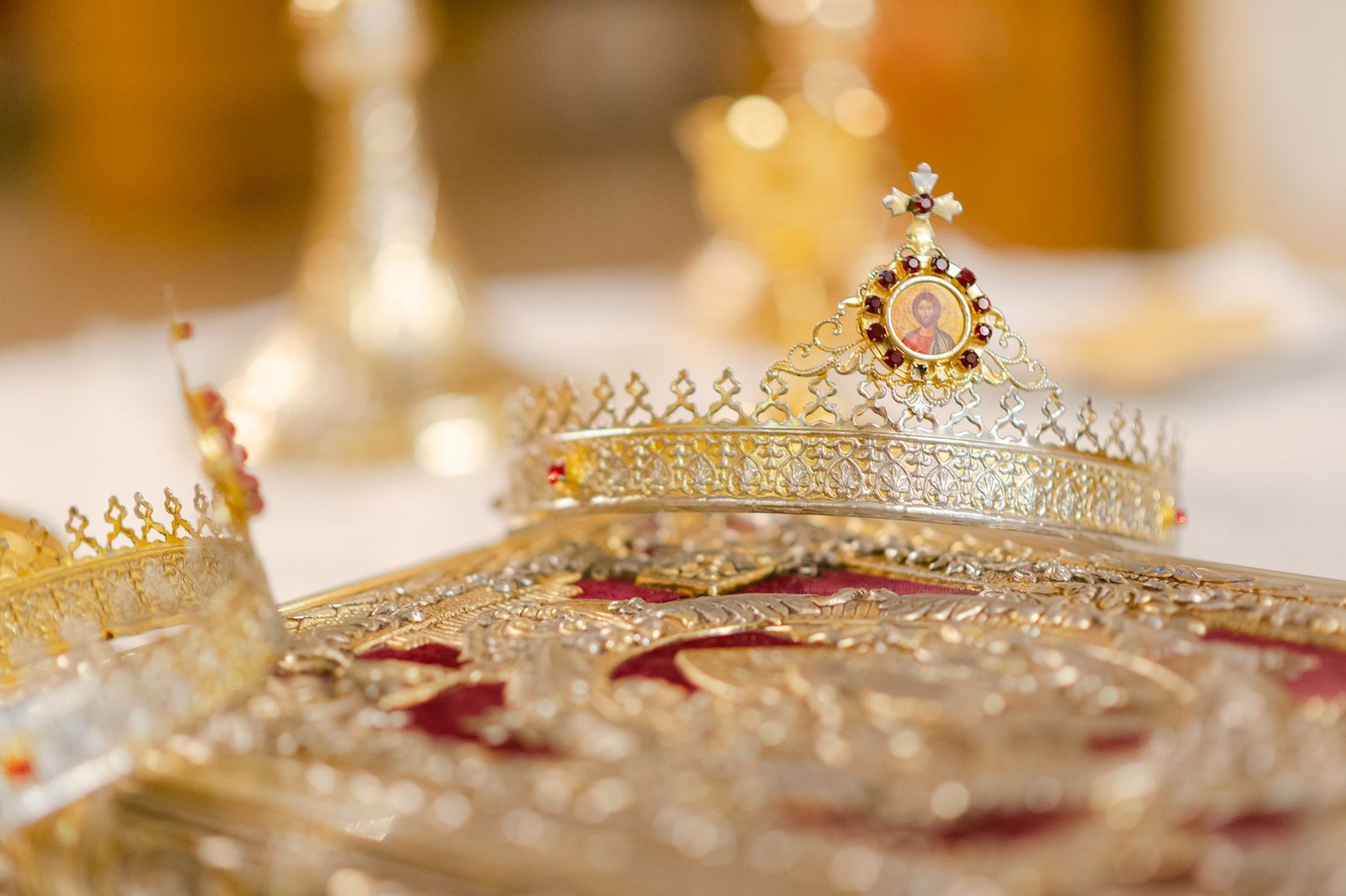
The Atef crown is a distinctive headdress in Egyptian mythology, most closely associated with Osiris and the themes of afterlife, kingship, and resurrection. This article explains its symbolic components, historical development, and appearance in temple and tomb art, revealing why it became such a powerful sign of divine authority and renewal.
What Is the Uraeus in Egyptian Mythology?
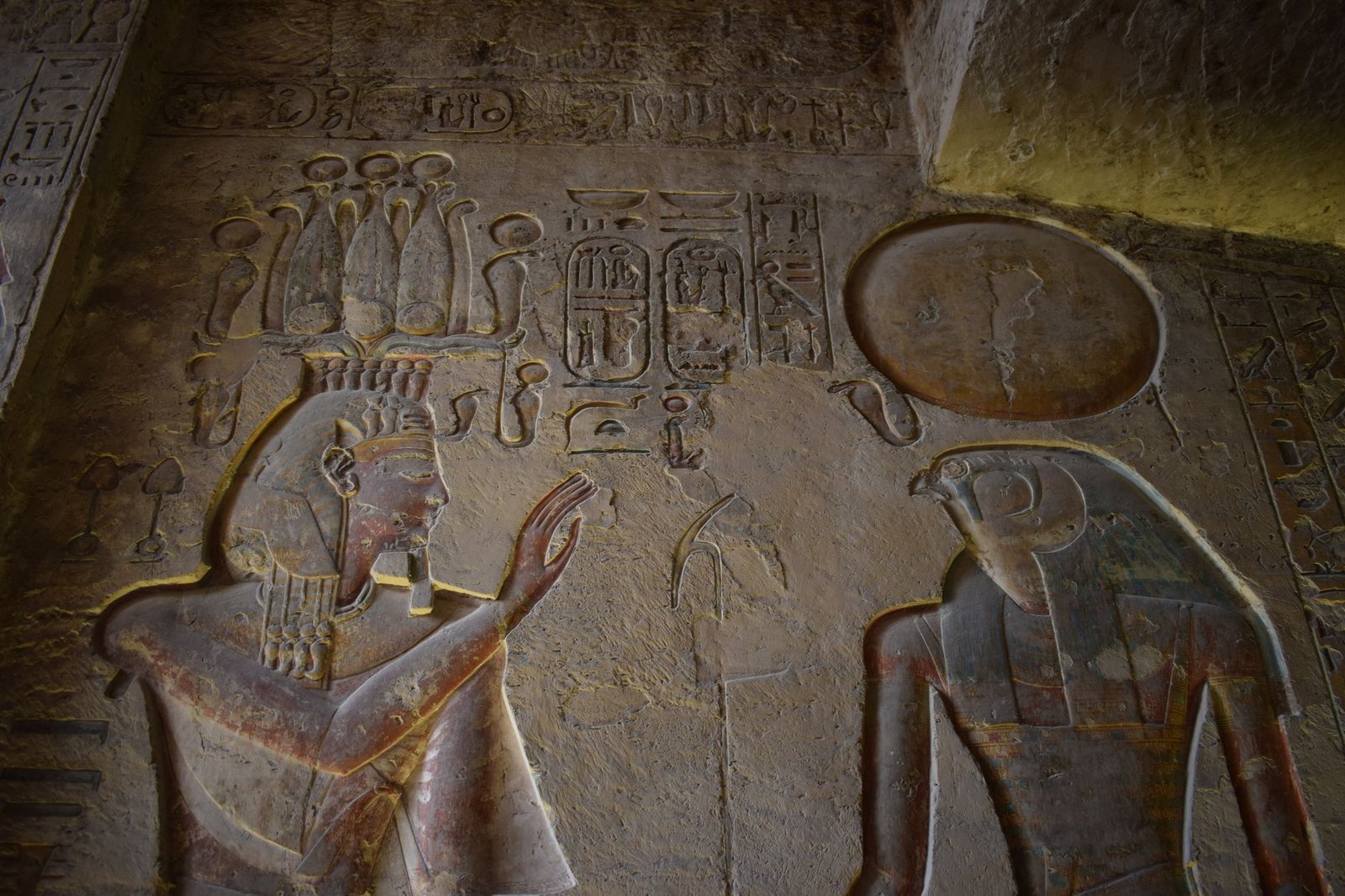
The uraeus in Egyptian mythology is the rearing cobra emblem associated with divine authority, royal protection, and the power to repel enemies, most often linked to the goddess Wadjet and the pharaoh’s crown. Its long history in art and ritual reveals how one small image came to express legitimacy, sacred power, and the close bond between rulers and the gods.
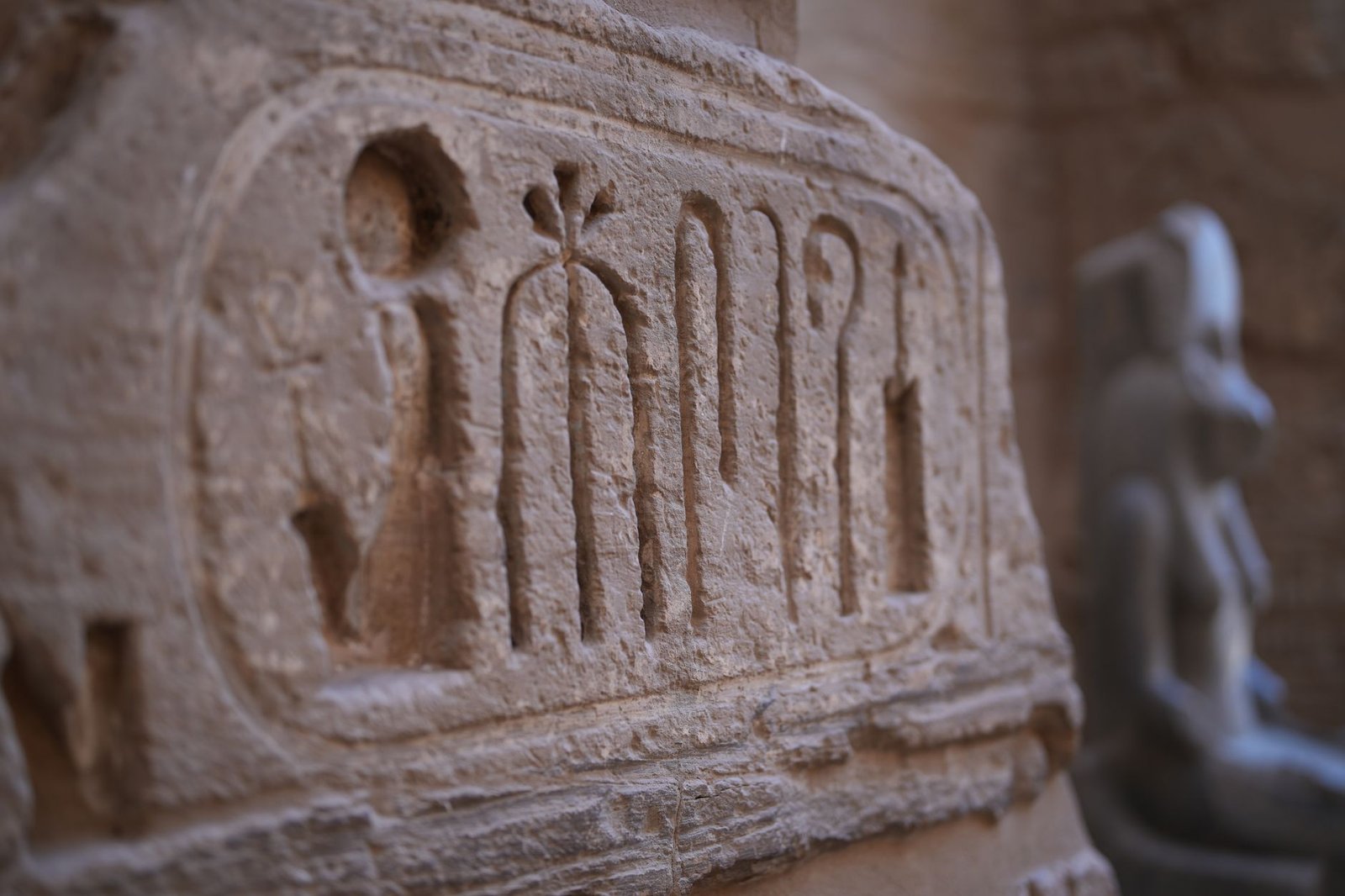
What Is a Cartouche in Egyptian Mythology?
A cartouche in Egyptian mythology is not a deity or magical relic, but an oval hieroglyphic frame used to enclose royal names and express ideas of protection, legitimacy, and eternity. Understanding what is a cartouche in Egyptian mythology reveals how ancient Egyptians linked writing, divine kingship, and the enduring power of a name.