Egyptian Mythology
Who Is Osiris in Egyptian Mythology? Meaning and Role
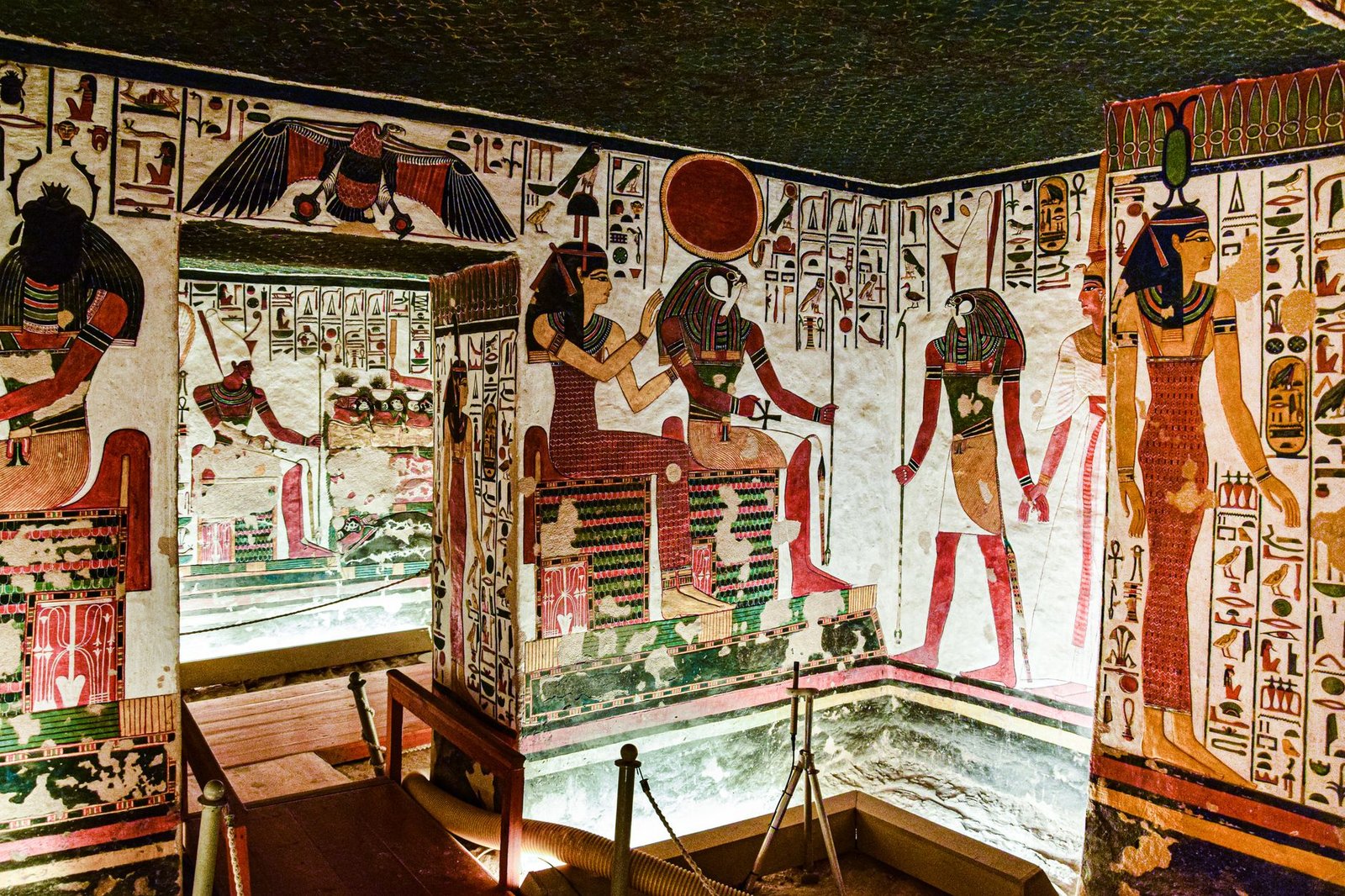
Osiris is a central figure in Egyptian mythology, revered as the god of death, resurrection, fertility, kingship, and the afterlife. His story of death and renewal shaped ancient Egyptian funerary beliefs, royal authority, and ideas about how ordered life could return after destruction.
Who Is Isis in Egyptian Mythology? Meaning and Role
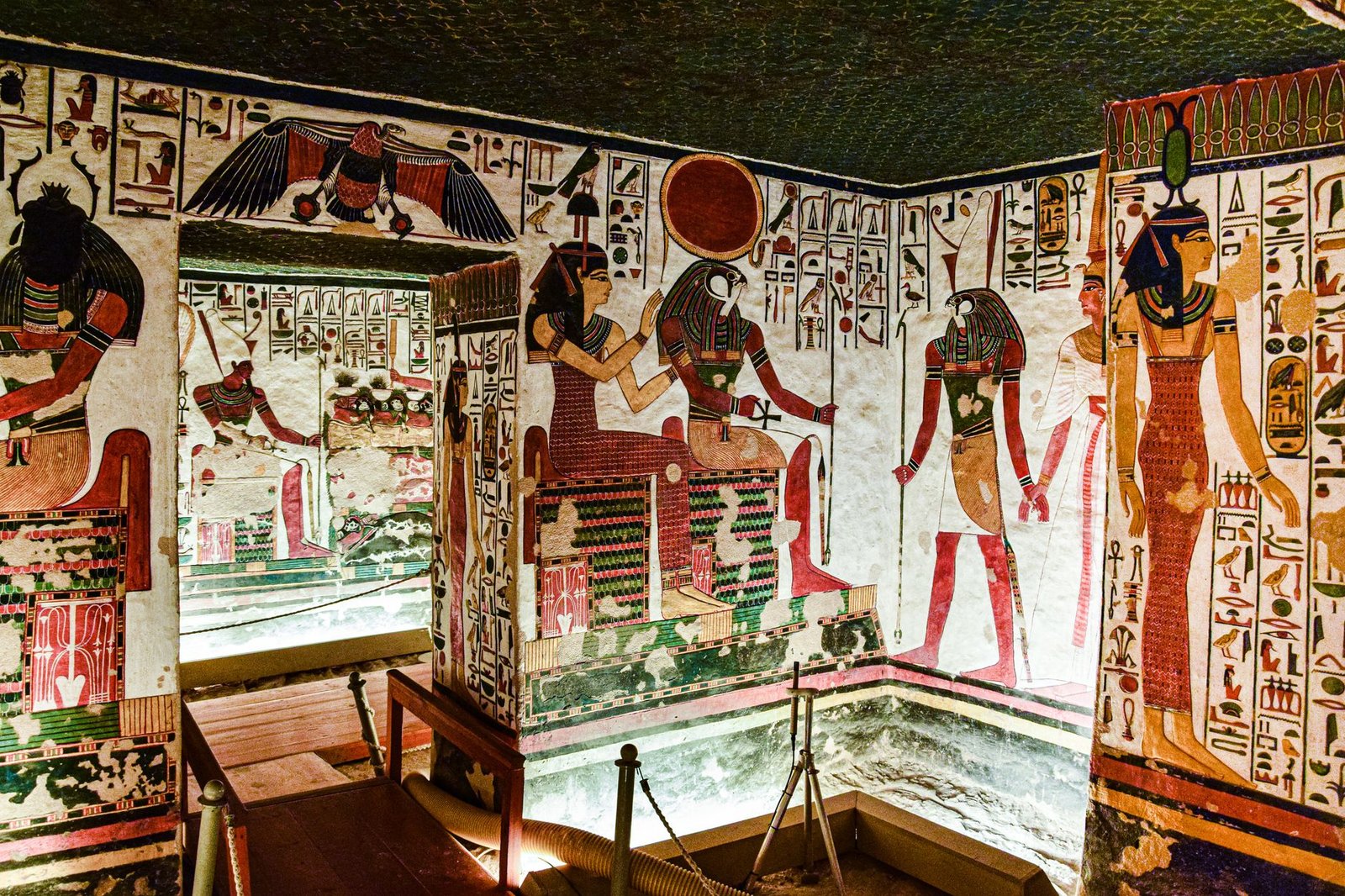
Isis is a central goddess in Egyptian mythology, known as a divine mother, magician, mourner, and protector whose power was tied to kingship, rebirth, and the afterlife. Her name, linked to the throne, hints at a long religious history that transformed her from a royal figure into a widely revered universal deity.
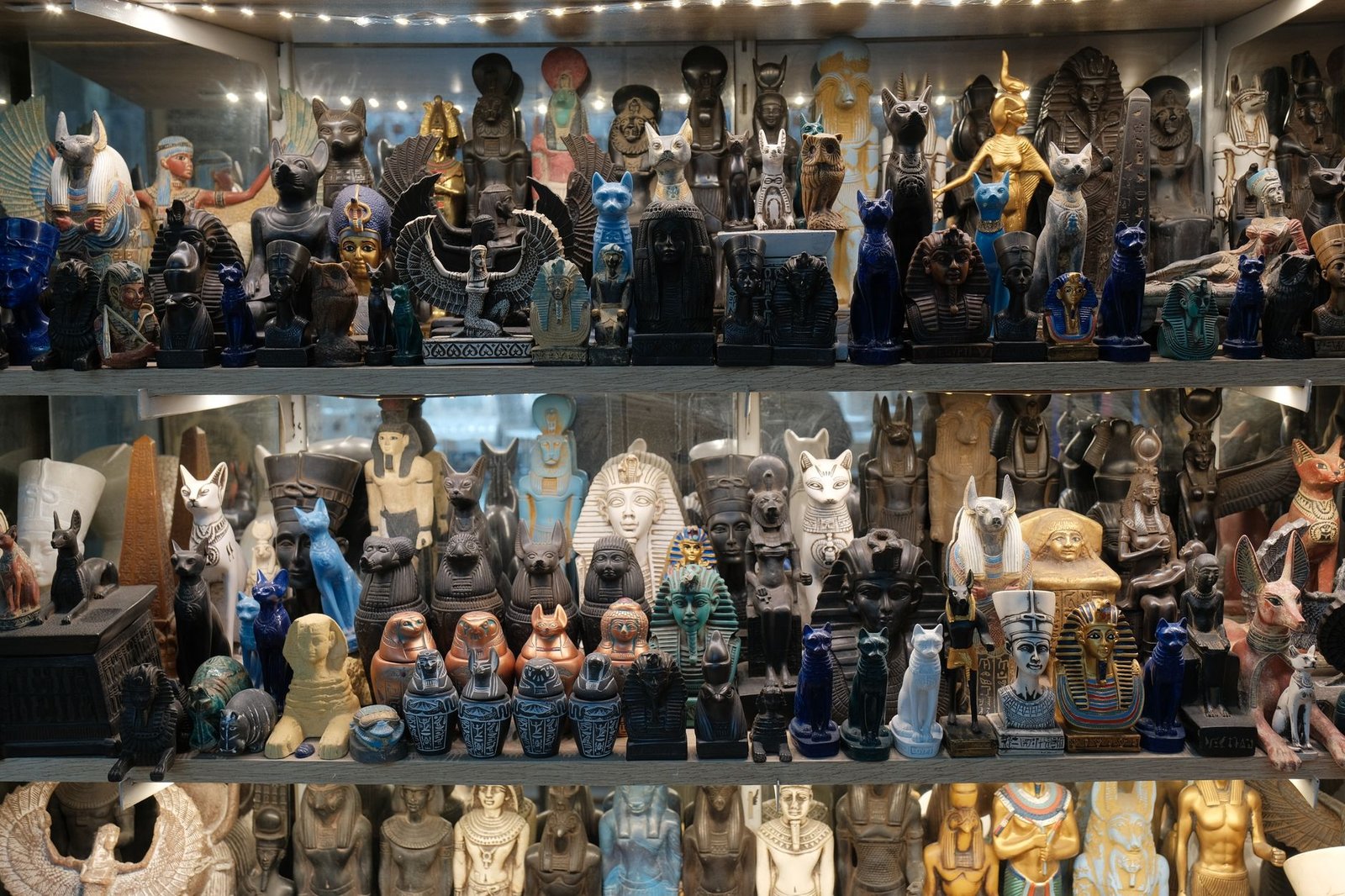
Who Is Set in Egyptian Mythology? Origins and Role
Set in Egyptian mythology is one of ancient Egypt’s most complex gods, associated with chaos, storms, the desert, and violent upheaval, yet also capable of protecting Ra on his perilous nightly journey. This excerpt traces how Set—also called Seth or Sutekh—moved from an early frontier deity to a central figure in myths of Osiris, Horus, and kingship, revealing why his legacy remains so debated.
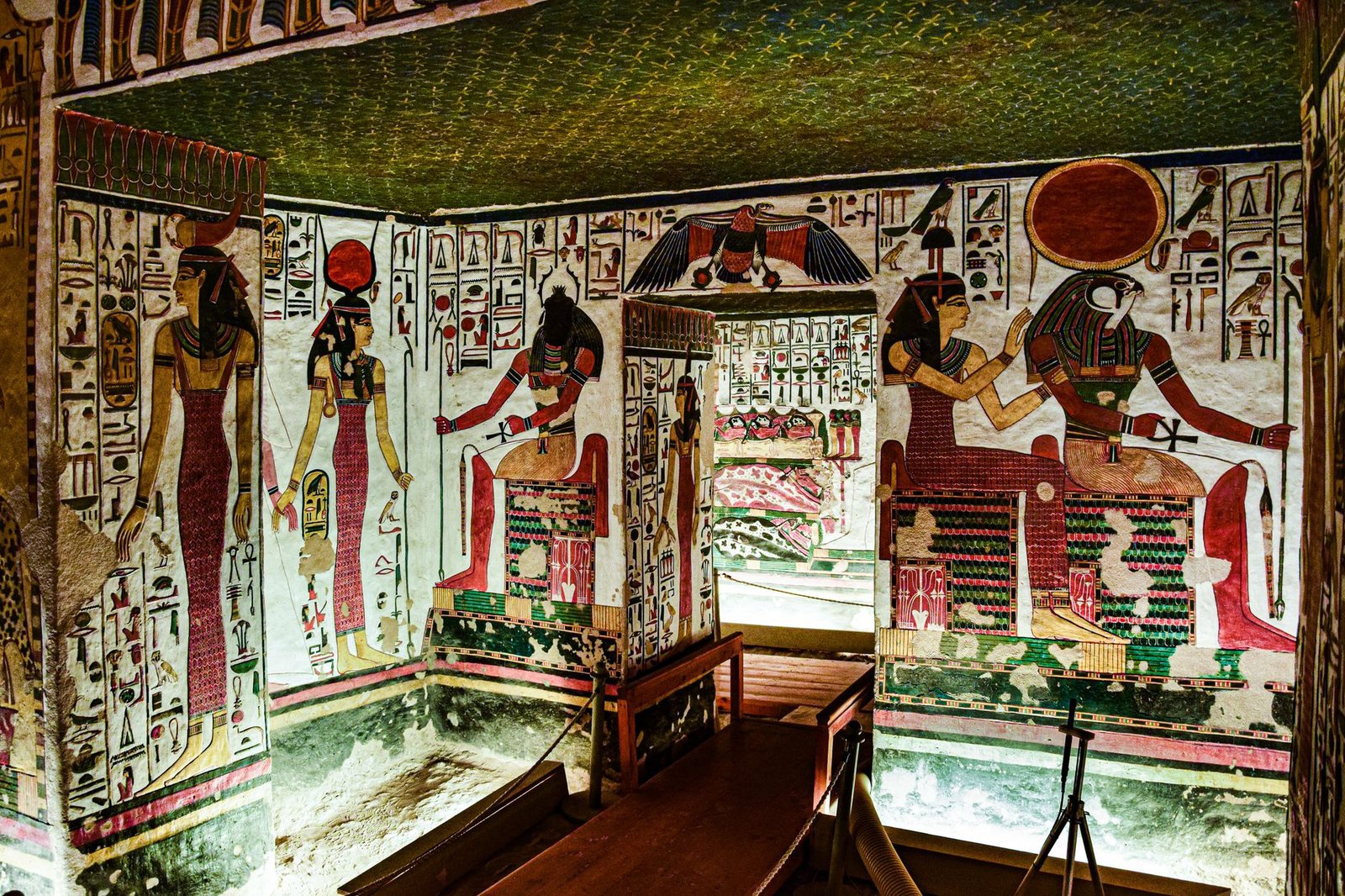
Who Is Nephthys in Egyptian Mythology? Role and Meaning
Who is Nephthys in Egyptian mythology? She is an important goddess of death, protection, and mourning, a member of the Heliopolitan Ennead whose presence shaped funerary belief and temple theology for centuries. Though often overshadowed by Isis and Osiris, her role in Egyptian myth reveals how ancient Egyptians understood the fragile boundary between life, death, and cosmic order.
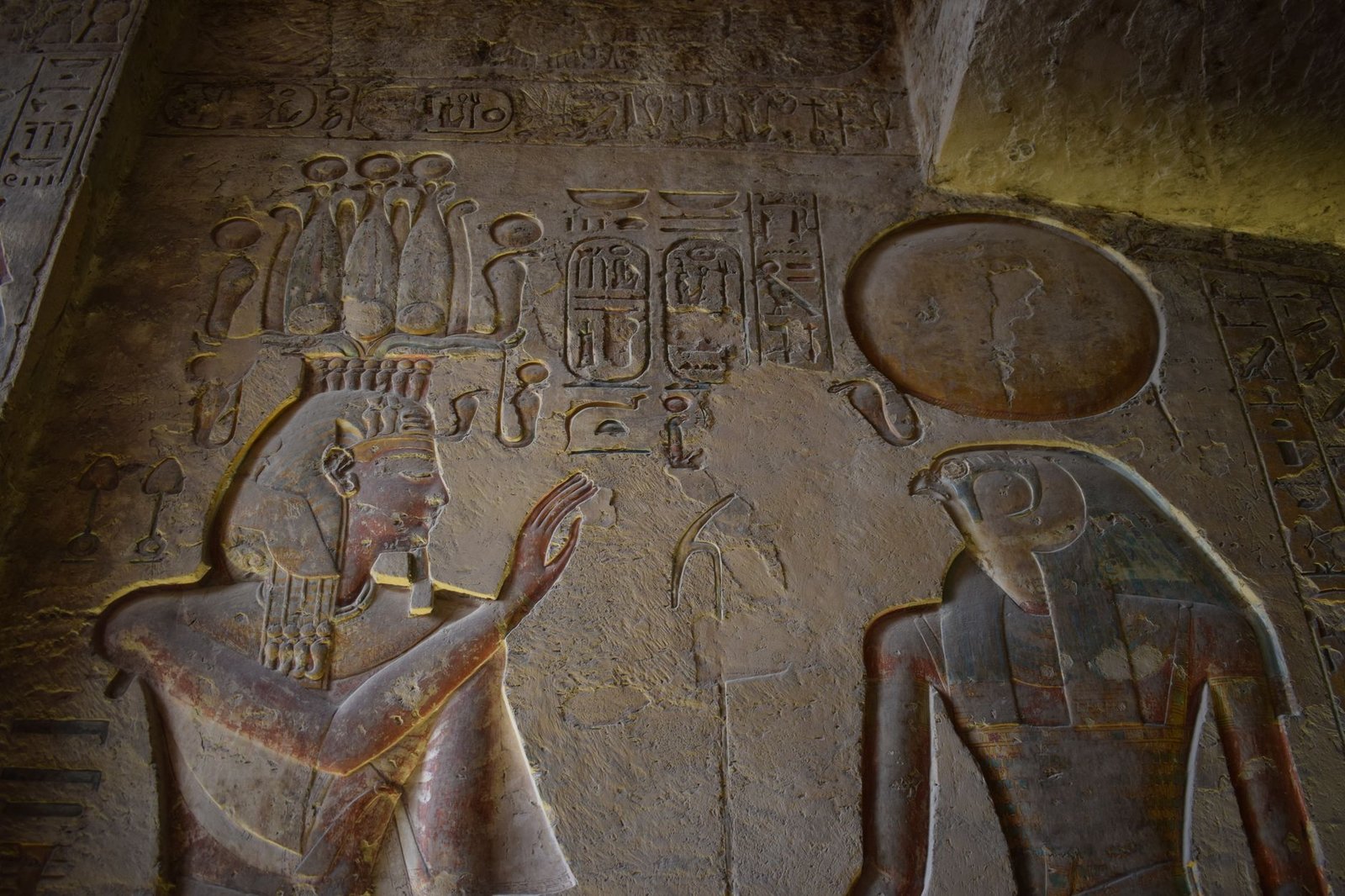
Who Is Horus in Egyptian Mythology? God of the Sky
Who is Horus in Egyptian mythology? He is a multifaceted sky god, falcon deity, and divine heir of Osiris and Isis, closely tied to kingship, protection, and the restoration of order. Across Egypt’s long religious history, Horus took on different forms and meanings, from the avenging rival of Seth to the enduring symbol behind the Eye of Horus.
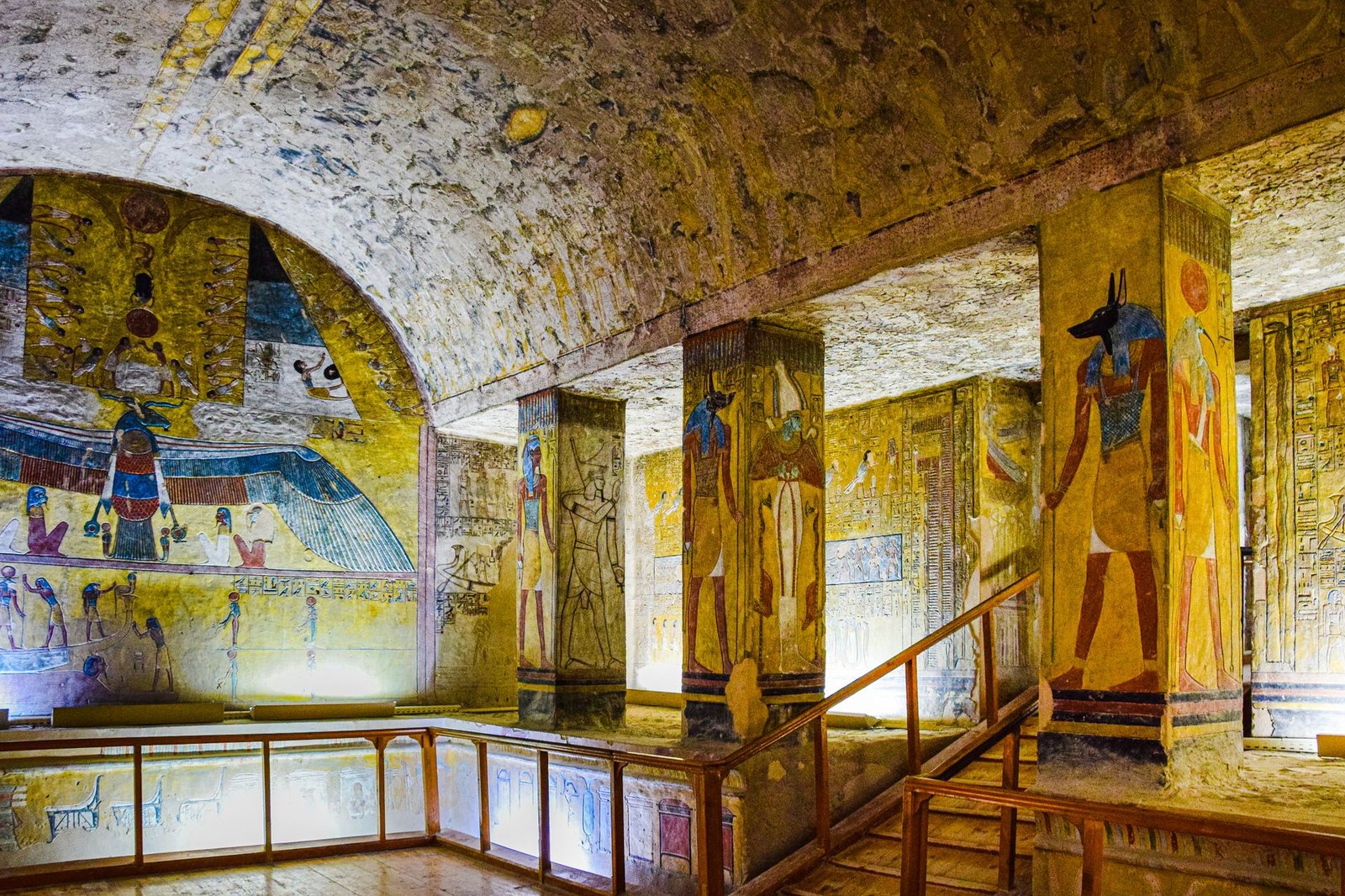
Who Is Anubis in Egyptian Mythology? Guide to the God
Anubis in Egyptian mythology is the jackal-headed god associated with mummification, tomb protection, and the guidance of souls into the afterlife, making him a central figure in ancient funerary belief. From his early appearance in Egyptian religion to his enduring role in burial rituals and sacred imagery, Anubis reveals how the Egyptians understood death, preservation, and divine order.
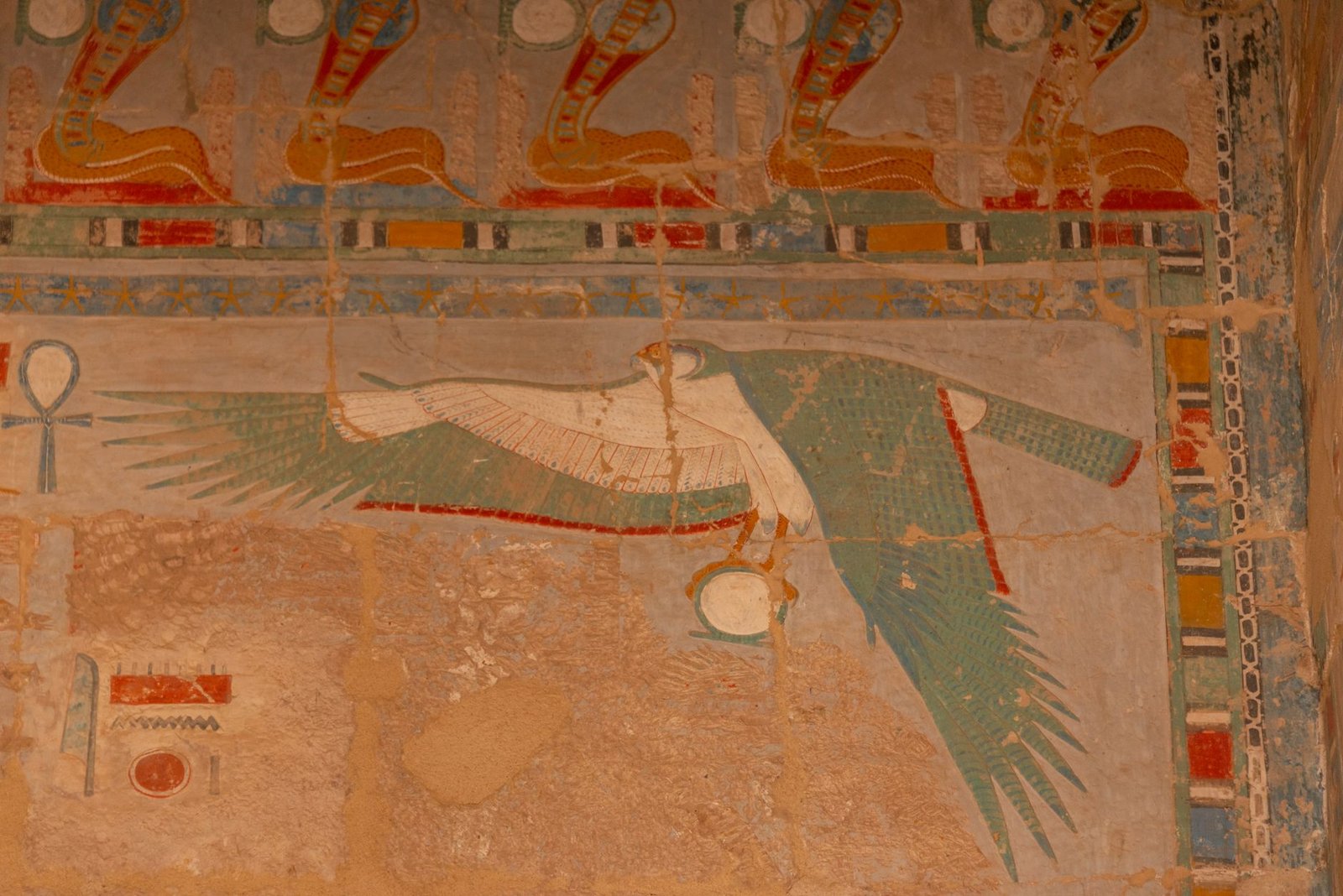
Who Is Ma’at in Egyptian Mythology? Meaning and Role
Ma’at in Egyptian mythology is both a goddess and a guiding principle embodying truth, justice, order, and cosmic balance. Understanding her reveals how the ancient Egyptians connected kingship, morality, and the afterlife to the stability of the universe, with much more waiting beneath this foundational idea.
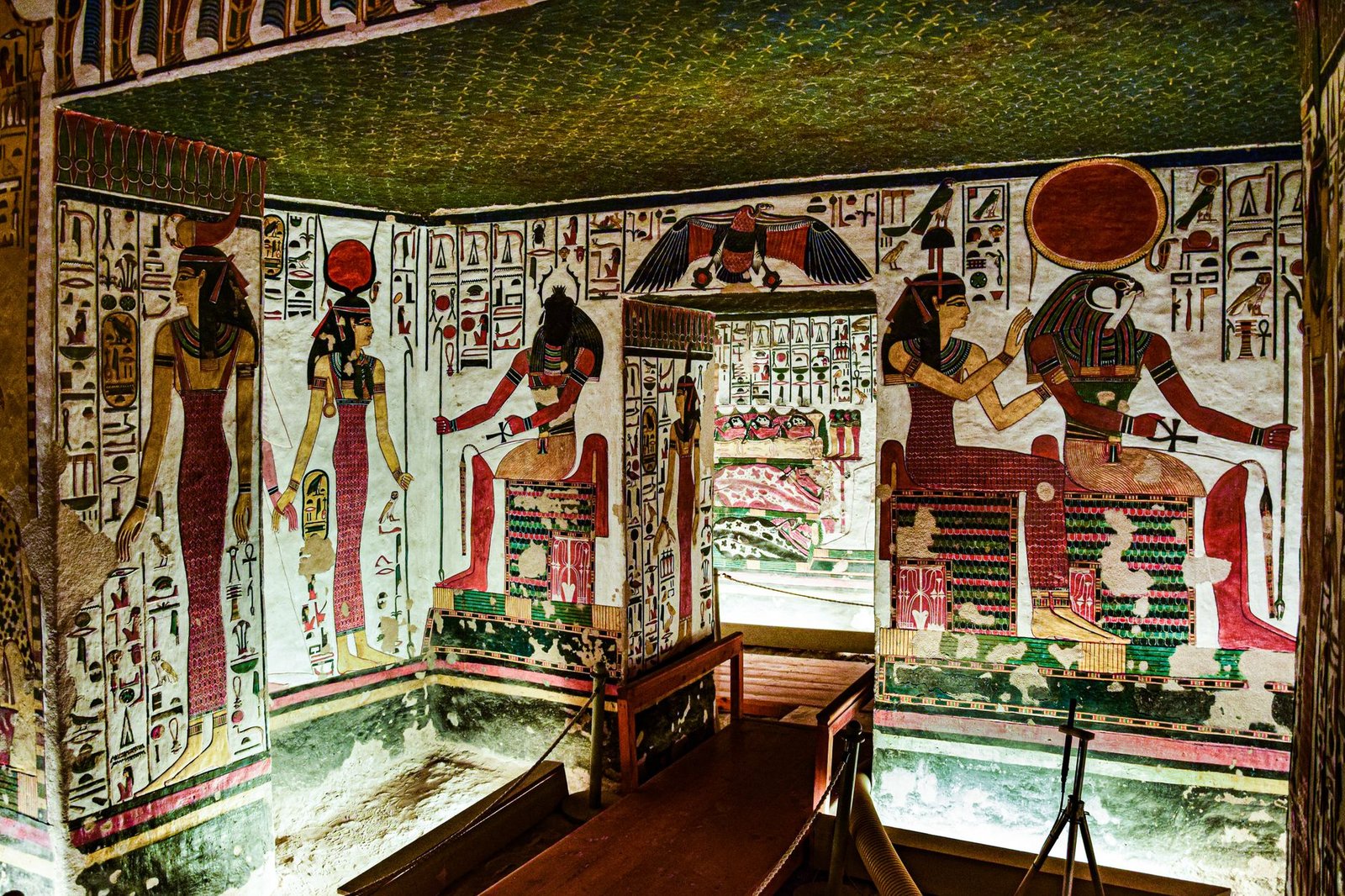
Who Is Heka in Egyptian Mythology? Meaning and Role
Who is Heka in Egyptian mythology? He is both a divine force and a personified deity linked to magic, ritual power, and the spoken word, shaping religion, healing, kingship, and cosmic order. Understanding Heka reveals how ancient Egyptians explained the unseen power behind creation and sacred action.
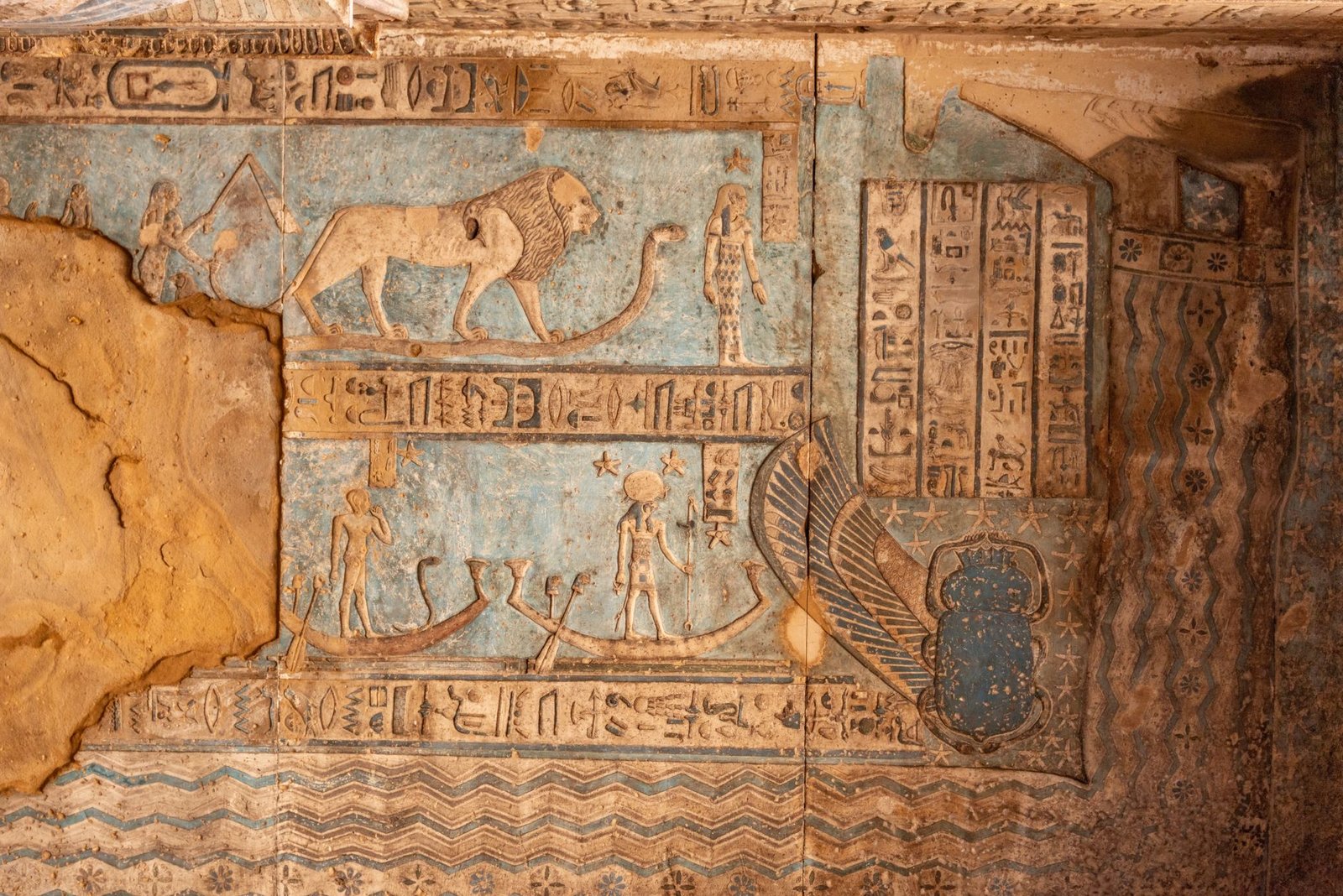
Who Is Seshat in Egyptian Mythology? History and Meaning
Seshat in Egyptian mythology was the goddess of writing, measurement, record-keeping, and sacred knowledge, a specialized deity whose influence shaped both temple ritual and royal administration. Often called the “Female Scribe,” she reveals how the ancient Egyptians linked literacy, surveying, and cosmic order—and why her role deserves closer study.
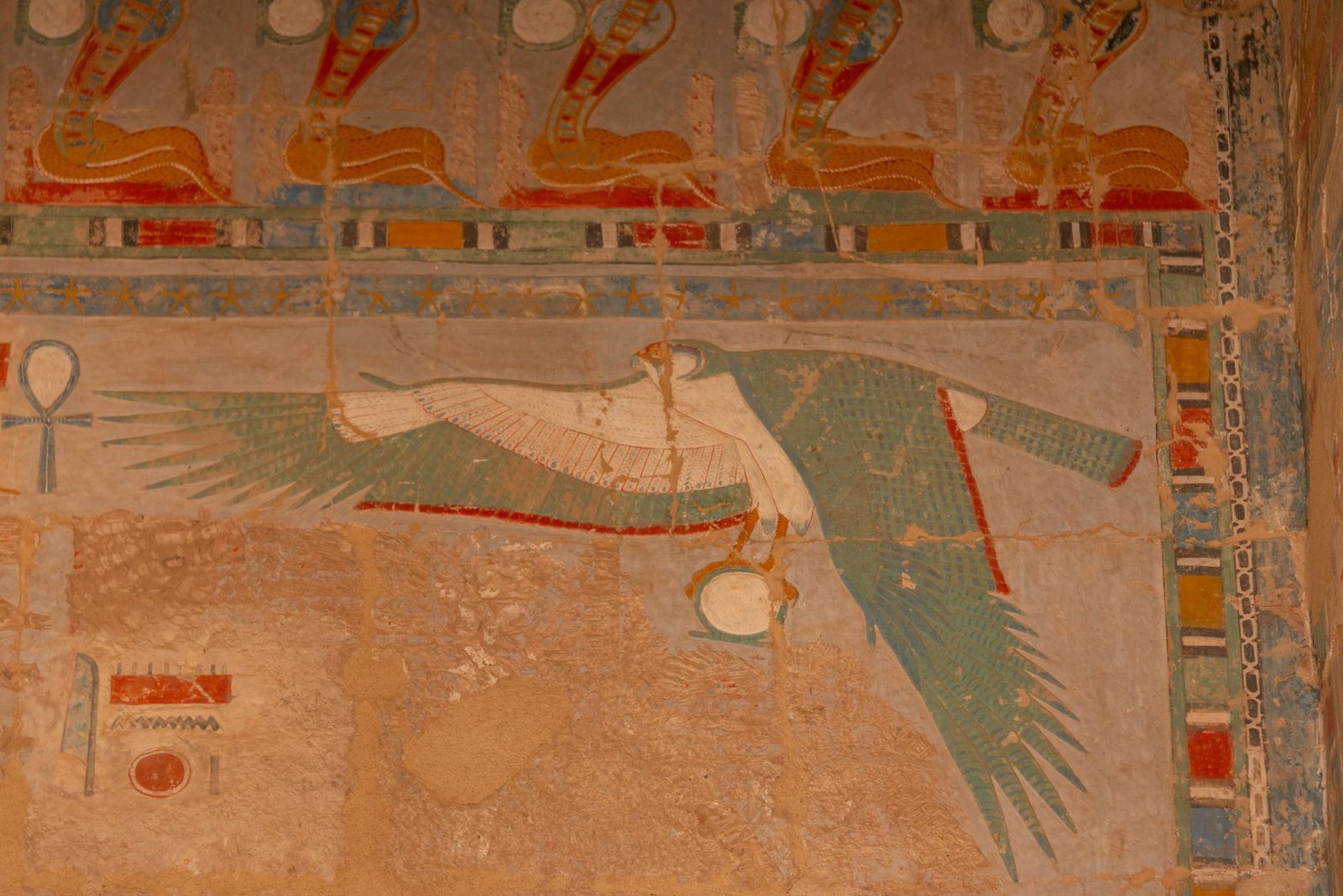
Who Is Nekhbet in Egyptian Mythology? Meaning and Role
Nekhbet, the vulture goddess of Upper Egypt, was a major protective deity who embodied royal authority, maternal guardianship, and the divine unity of the Egyptian state. This excerpt explores who is nekhbet in Egyptian mythology, tracing her links to El Kab, her role beside Wadjet, and the enduring symbolism that made her a constant presence in kingship and temple art.