Egyptian Mythology

Winged Sun Disk in Egyptian Mythology: Meaning and Symbolism
The winged sun disk is a major symbol in Egyptian mythology, combining the solar disk, outspread wings, and often protective serpents to express divine power, kingship, and cosmic order. Closely associated with Horus and Ra, it appears across temples, monuments, and sacred objects, revealing how one image could carry layered religious meaning.
What Is the Ba in Egyptian Mythology? Definition and Meaning
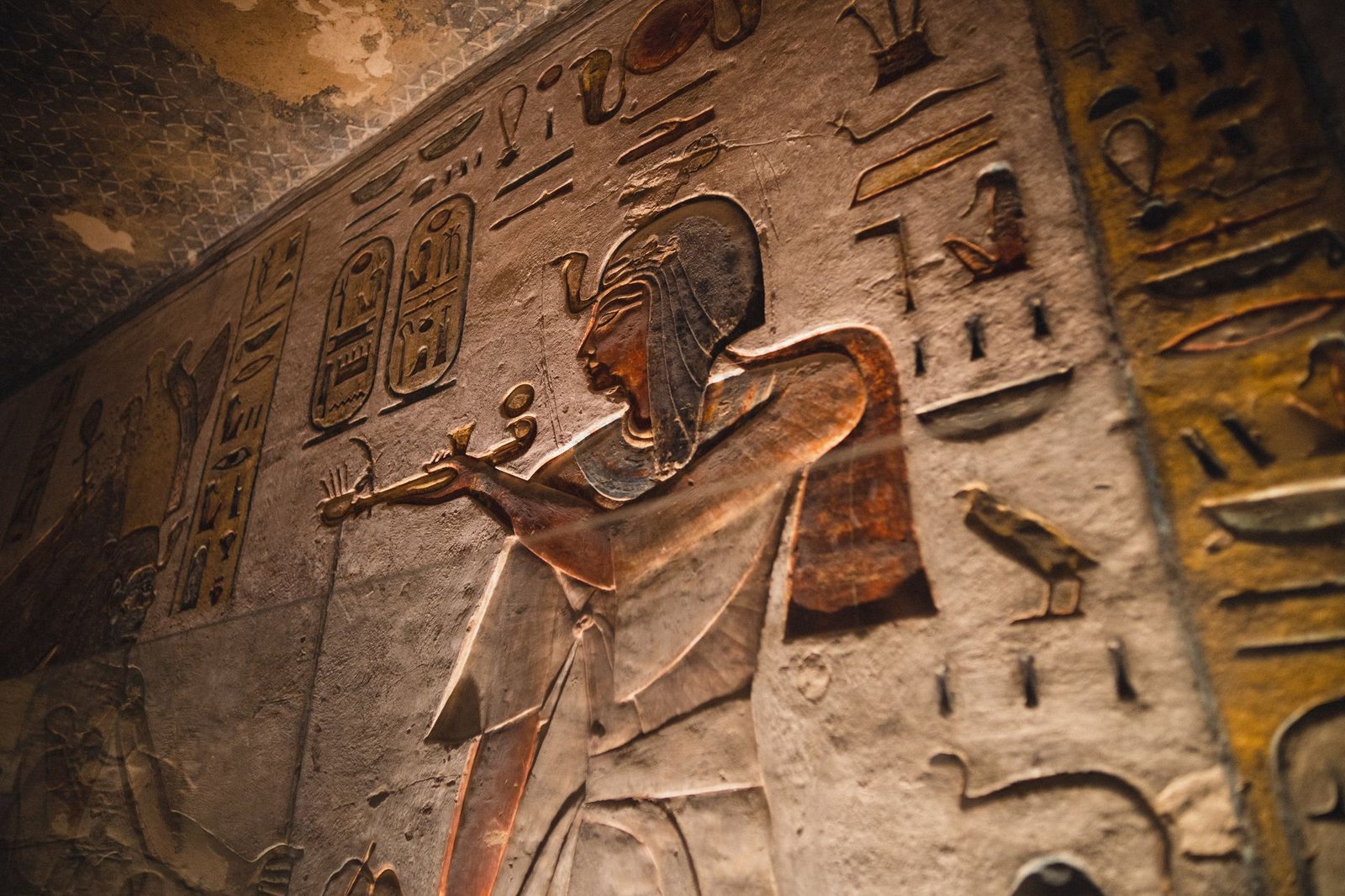
The ba in Egyptian mythology was a vital aspect of identity, often translated as “soul” but better understood as a mobile force that linked a person to life, death, and the afterlife. Its role in funerary texts, temple belief, and ancient symbolism reveals a far more complex view of the self than modern readers might expect.
What Is the Ka in Egyptian Mythology?
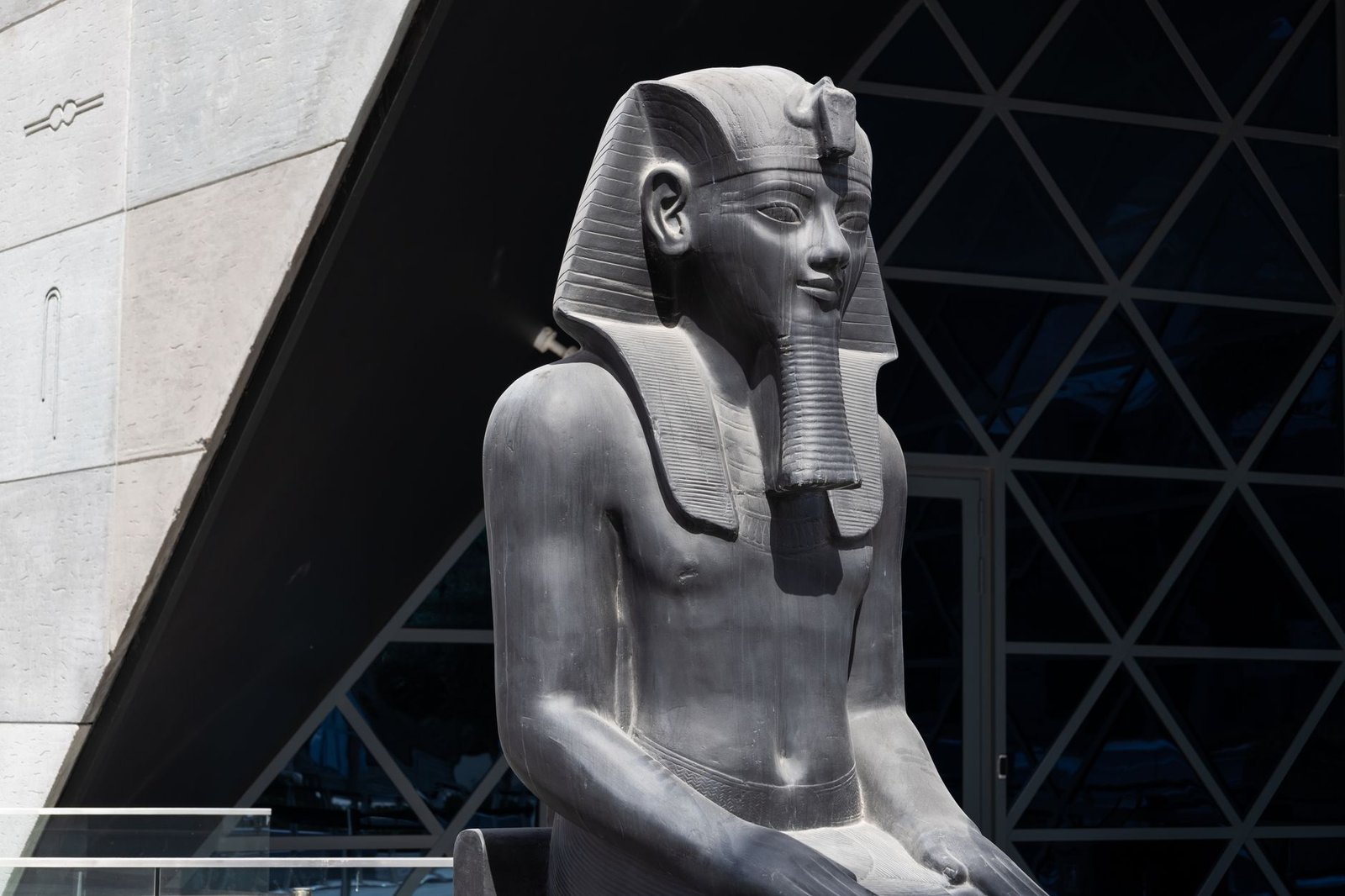
In Egyptian mythology, the ka was the vital force or spiritual double that gave a person life and endured after death, making it central to ideas of identity, offerings, and the afterlife. Exploring the ka reveals how ancient Egyptians understood human beings as complex spiritual wholes and why funerary ritual mattered so deeply.
Menat Necklace in Egyptian Mythology: Meaning and Symbolism
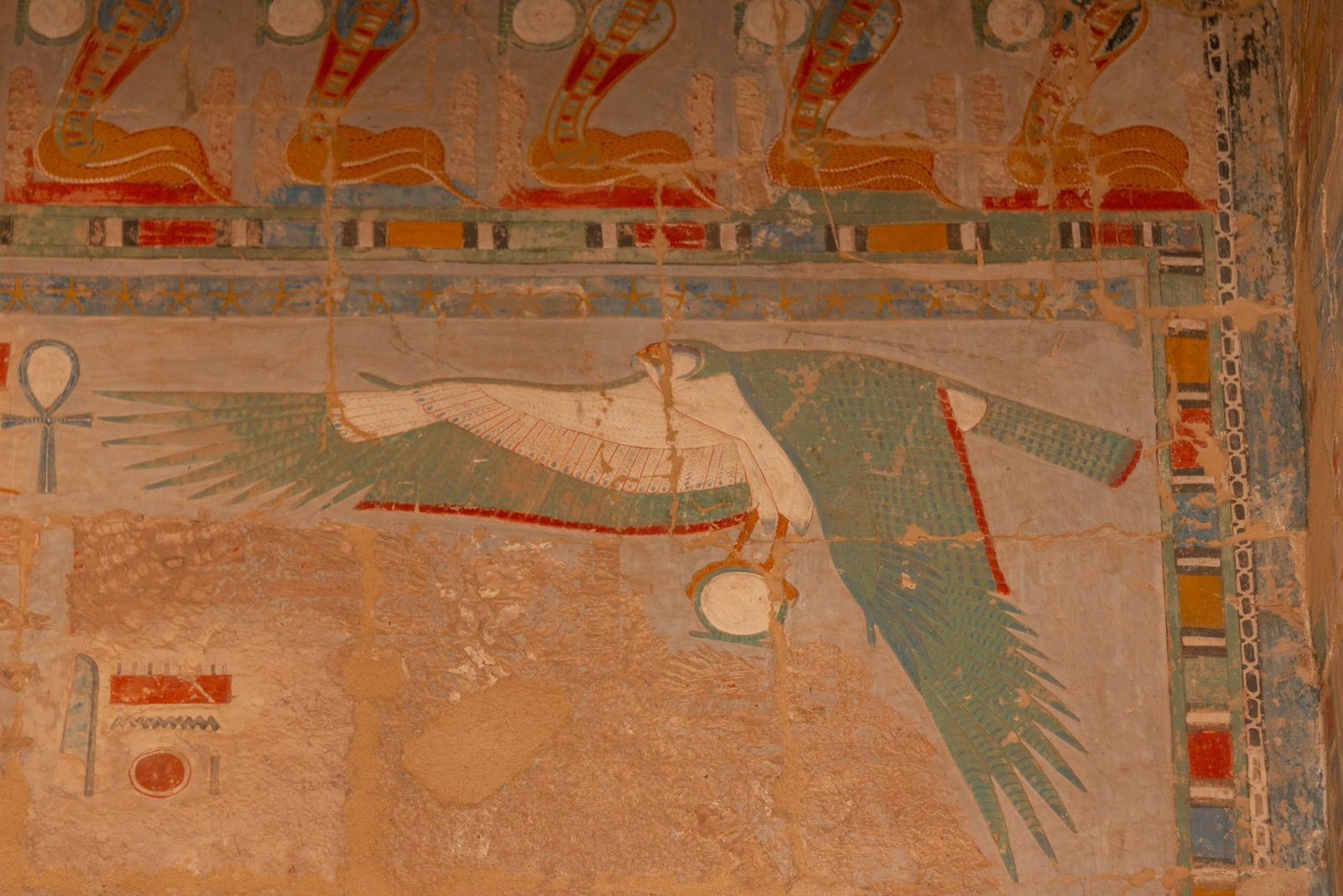
The menat necklace in Egyptian mythology was far more than ornament: it was a sacred ritual object linked to Hathor, Isis, fertility, protection, and divine nourishment. This excerpt explores its origins, symbolic meanings, and ceremonial uses, revealing why the menat remains essential to understanding ancient Egyptian religion.
What Is the Sistrum in Egyptian Mythology?
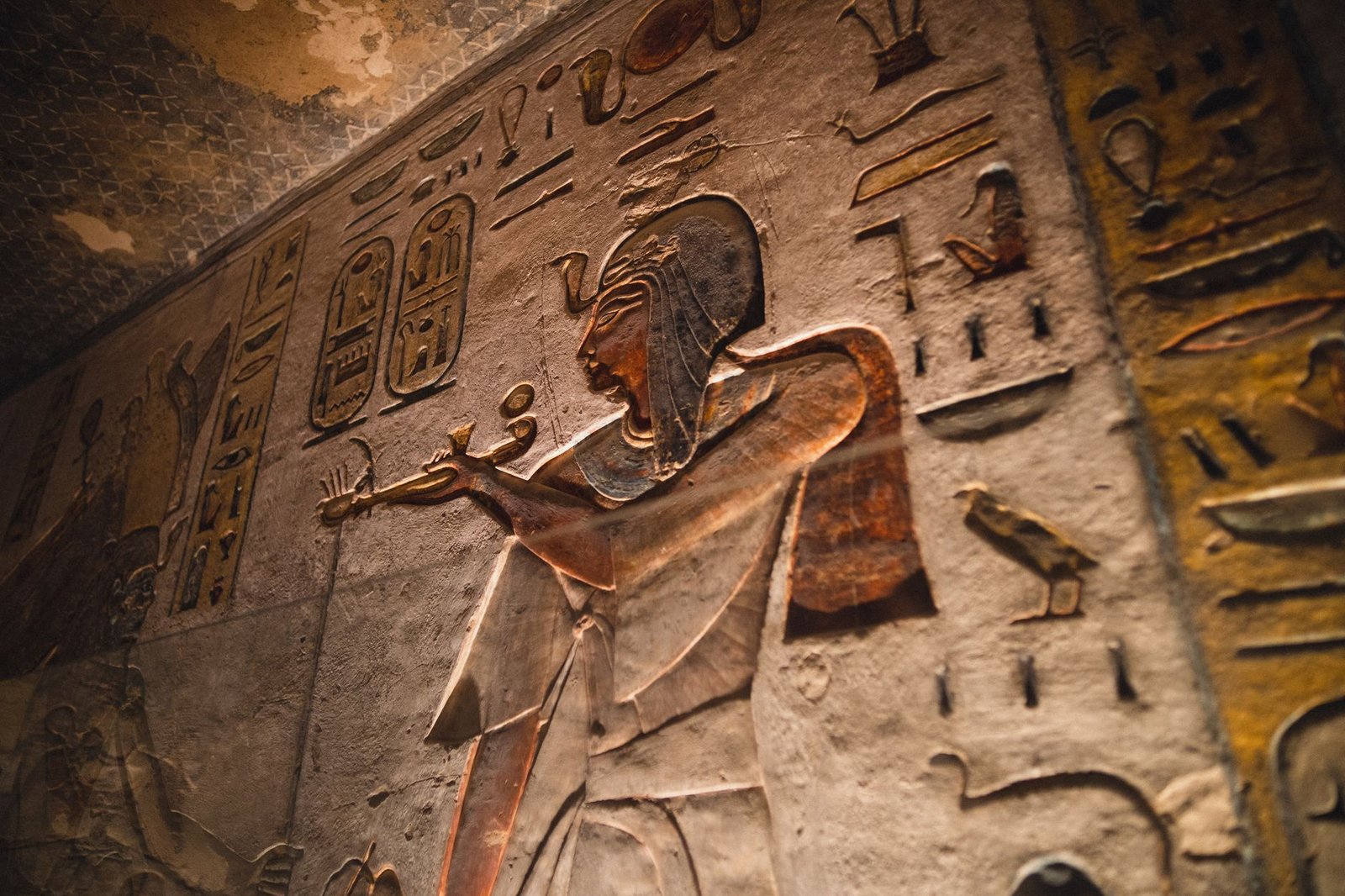
The sistrum in Egyptian mythology was a sacred rattle used in temple rituals, processions, and ceremonies, especially in honor of Hathor and later Isis. More than a musical instrument, it symbolized the power of sound to delight deities, protect against harmful forces, and sustain sacred order, revealing why it appears so often in Egyptian art and ritual scenes.
Egyptian Symbols: The Complete Guide to Ancient Egypt’s Sacred Signs and Their Meanings
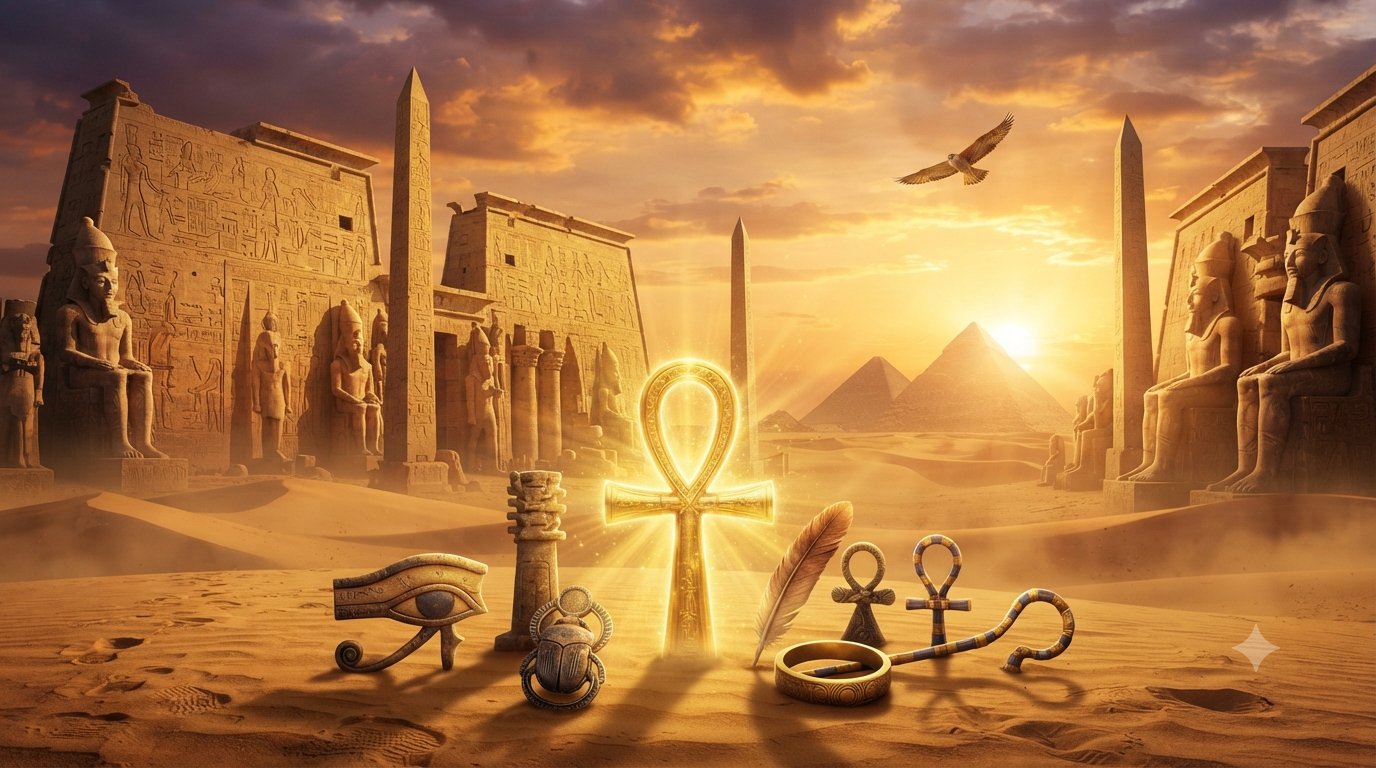
Ancient Egypt communicated its deepest religious beliefs through images long before most of its population could read a single hieroglyph. ...
Who Is Ra in Egyptian Mythology? Sun God Explained
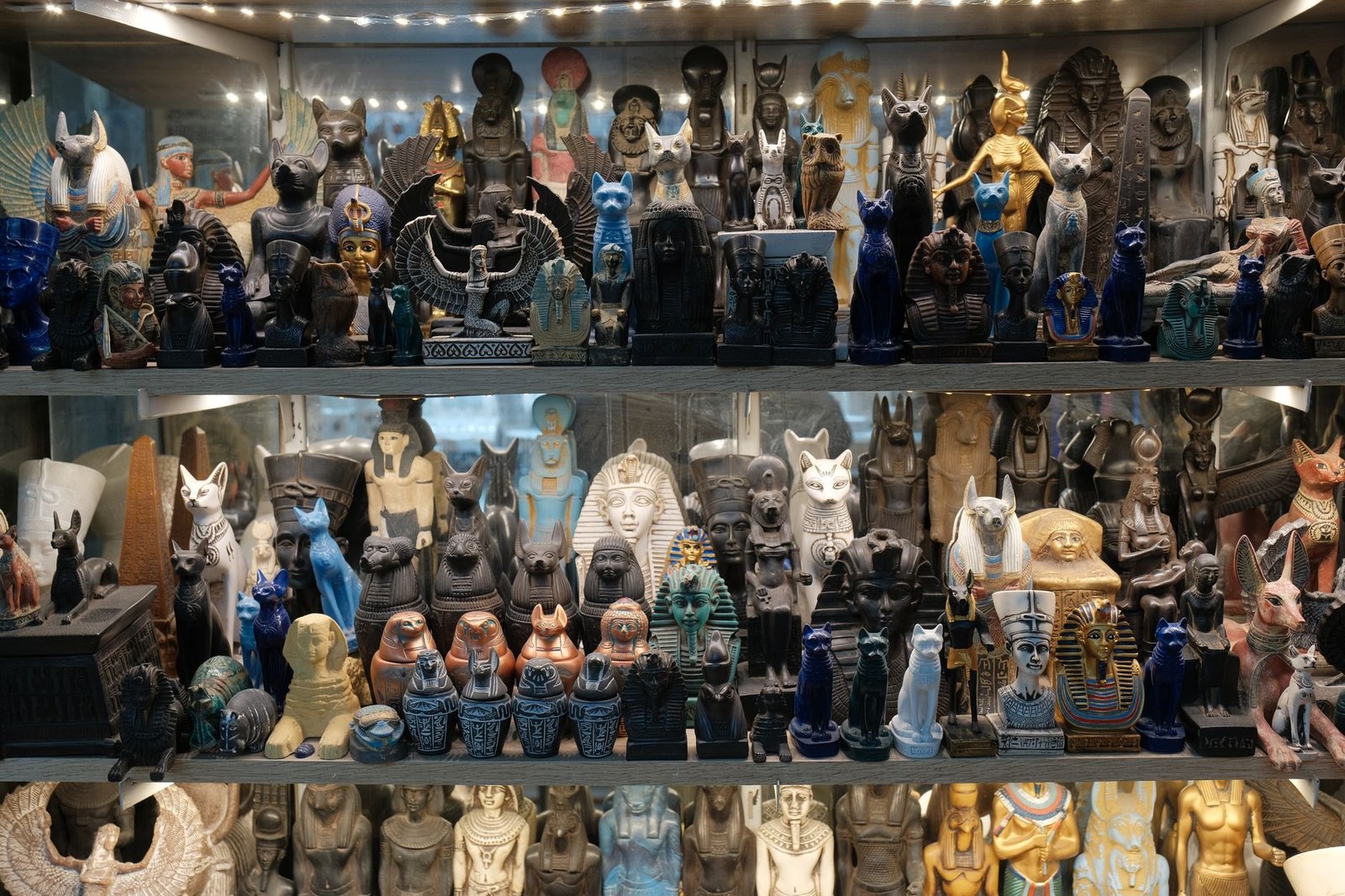
Ra is one of the central gods of ancient Egyptian mythology, revered as the sun deity, creator, and guardian of cosmic order. This article explores how who is ra in egyptian mythology became a question tied to kingship, daily renewal, and shifting religious traditions that shaped Egypt for thousands of years.
Who Is Amun in Egyptian Mythology? Origins and Meaning
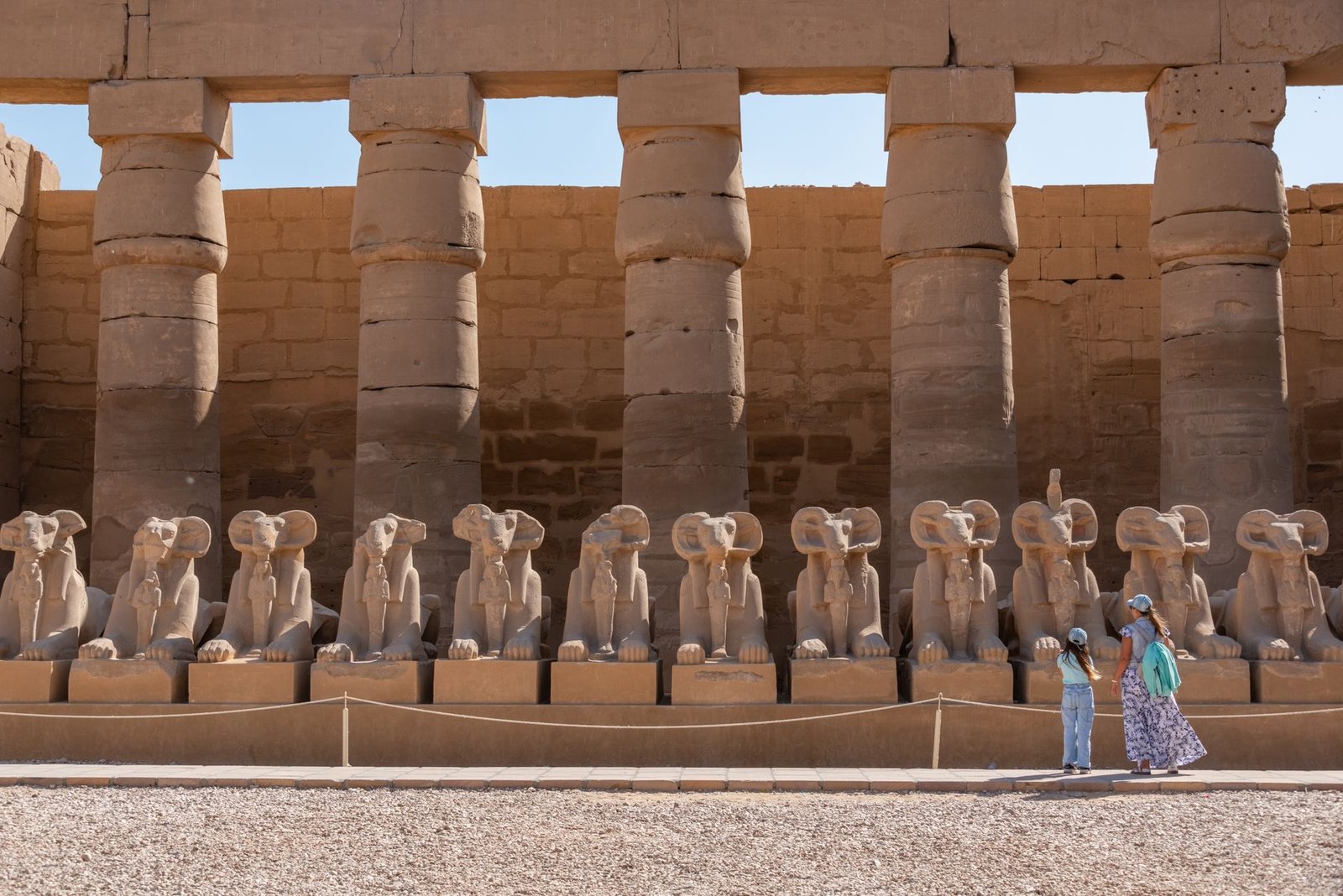
Who is Amun in Egyptian mythology? A god of hidden power and royal authority, Amun rose from a local Theban deity to one of ancient Egypt’s chief divine figures, later joined with Ra as Amun-Ra. This excerpt traces his meanings, cult, and political influence, revealing why his worship shaped Egyptian religion and kingship for centuries.
Who Is Shu in Egyptian Mythology? Meaning and Role
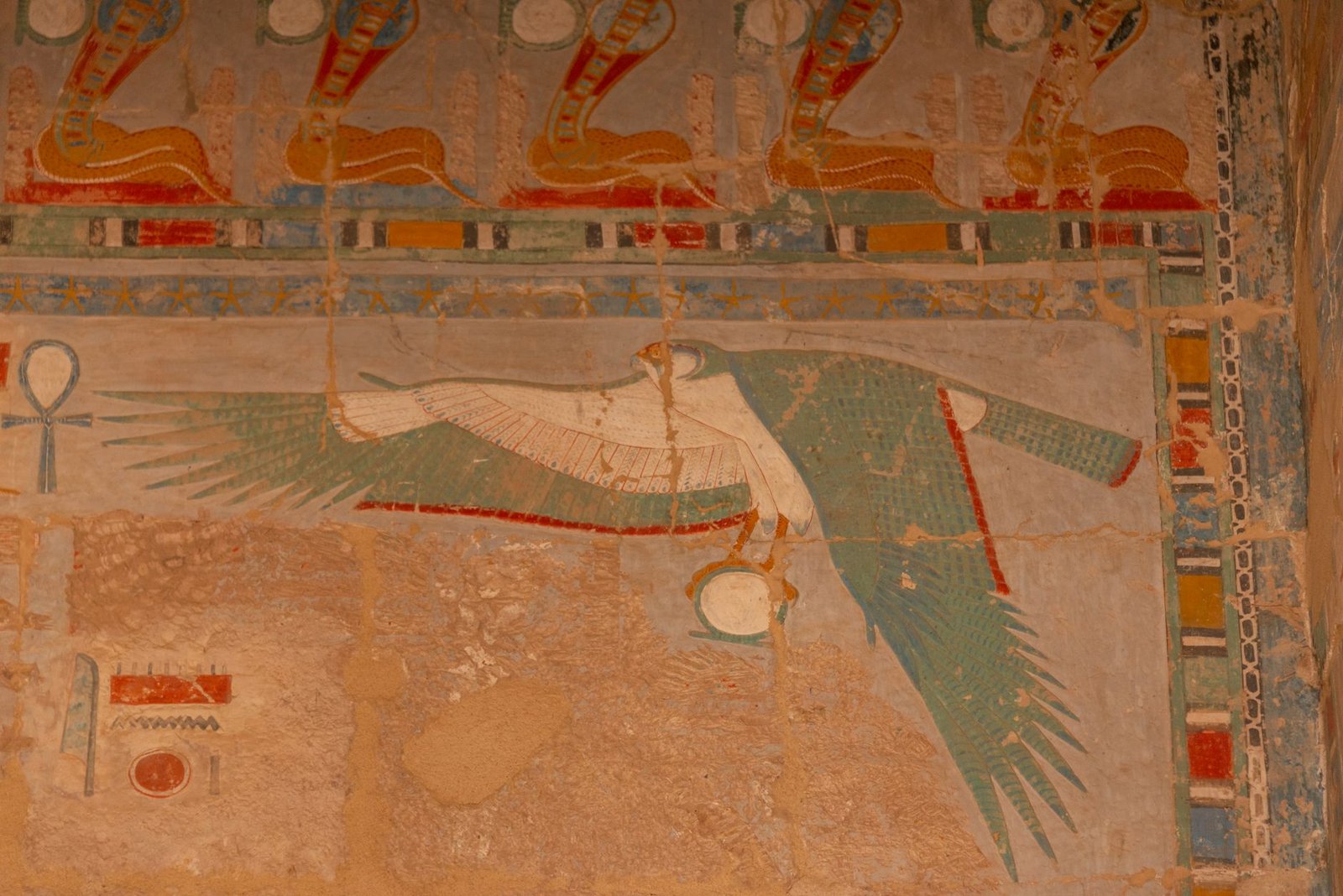
Who is Shu in Egyptian mythology? He is the ancient Egyptian god of air, light, and the space between heaven and earth, famed for lifting Nut away from Geb and helping establish cosmic order. This article explores his name, origins, role in creation myths, and lasting place in Egyptian religious thought.
Who Is Geb in Egyptian Mythology? Facts and Meaning
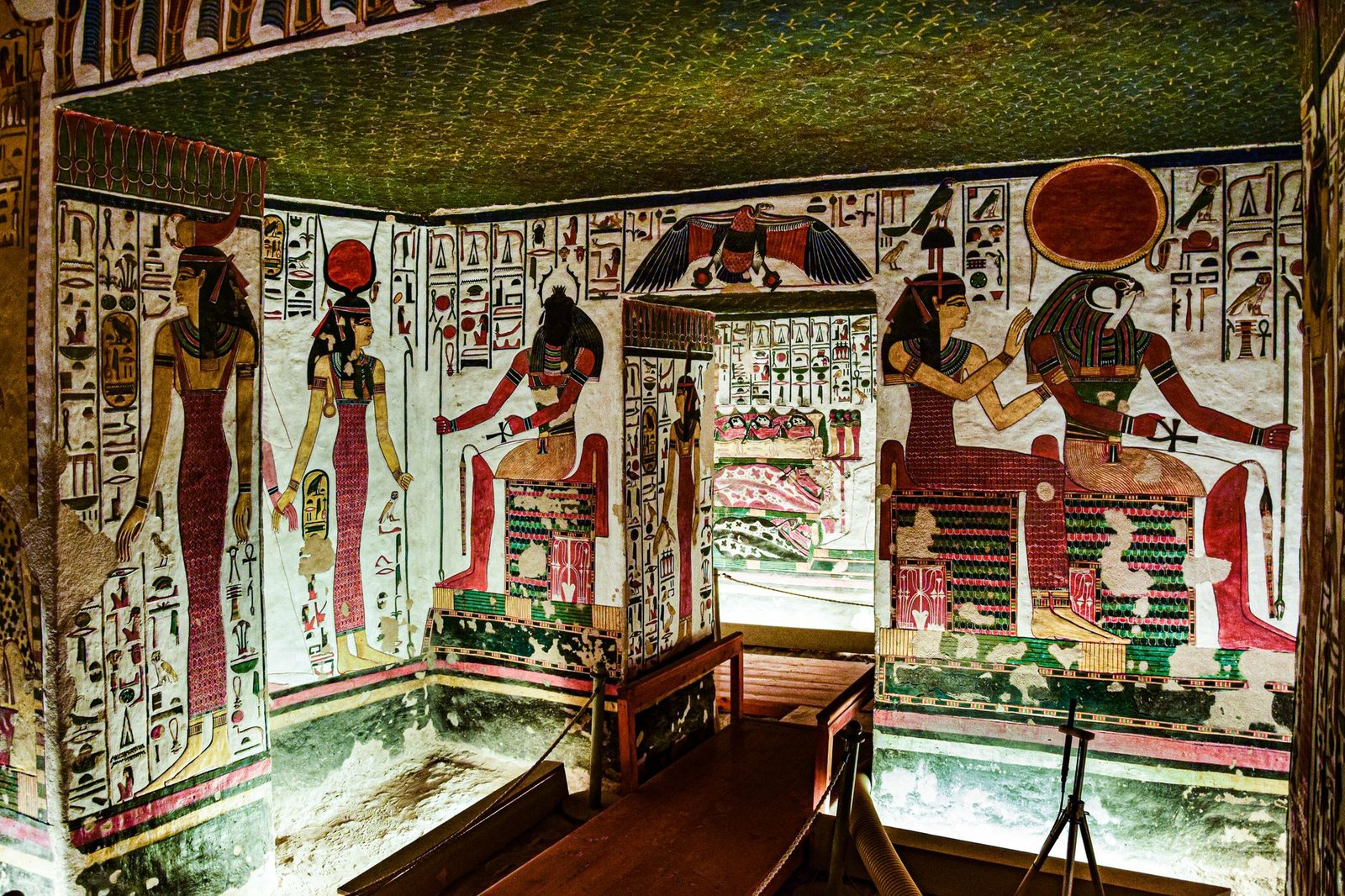
Who is Geb in Egyptian mythology? He is the ancient earth god, a central figure tied to fertility, vegetation, kingship, and the ordered cosmos, and one member of a powerful divine family that includes Nut, Osiris, Isis, Set, and Nephthys. Exploring Geb reveals how Egyptians understood the land itself as a living force, shaping myths of creation, inheritance, and rebirth.