fertility goddess
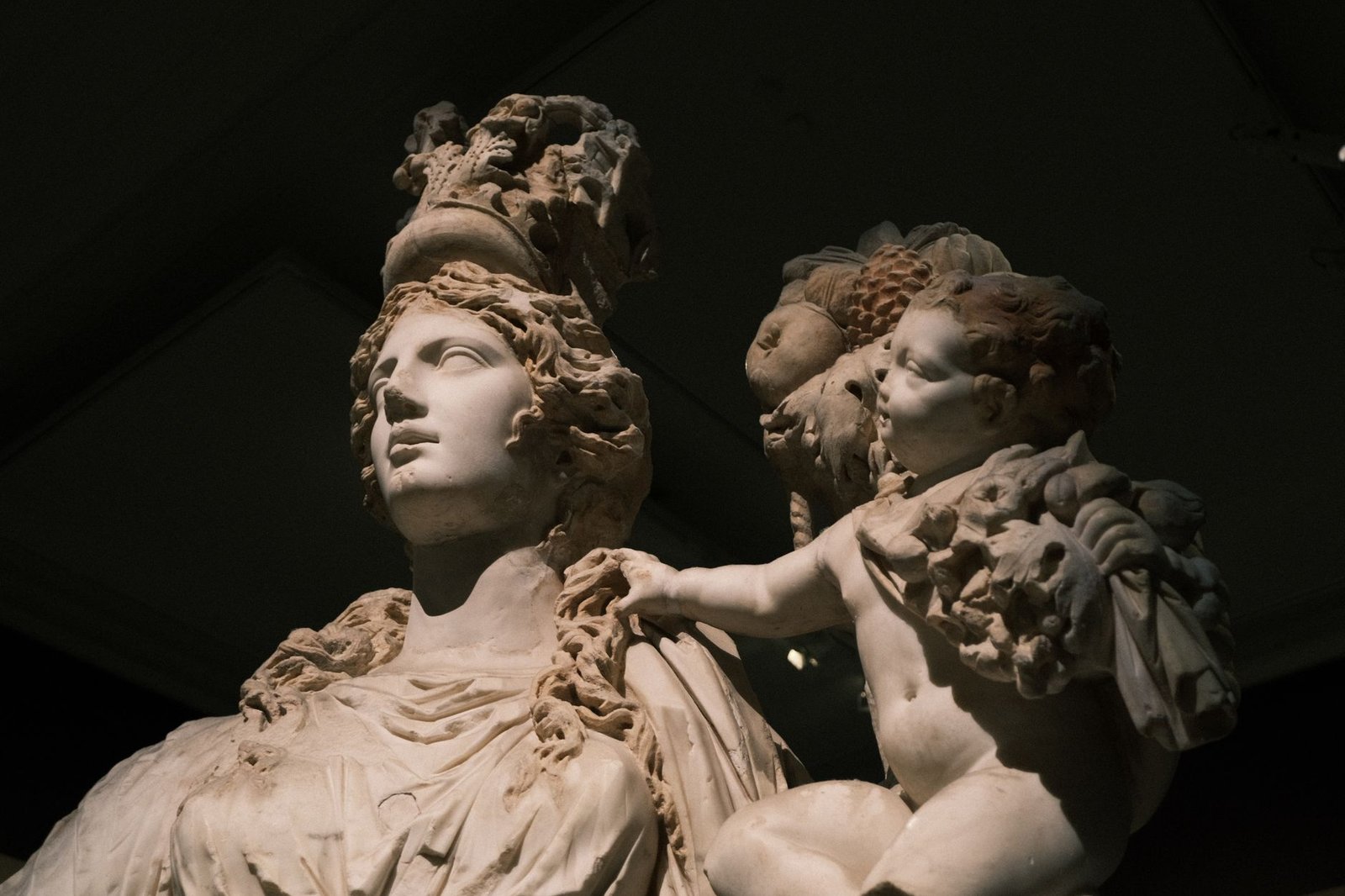
Ceres’s Search for Proserpina: Myth and Meaning
**Ceres’s Search for Proserpina** recounts the Roman goddess of grain’s desperate wanderings after her daughter is taken to the underworld by Pluto, a myth that links maternal grief with the cycle of the seasons. Drawing on Greek and Roman sources, the story reveals ancient ideas about fertility, divine power, and the balance between life, death, and renewal.
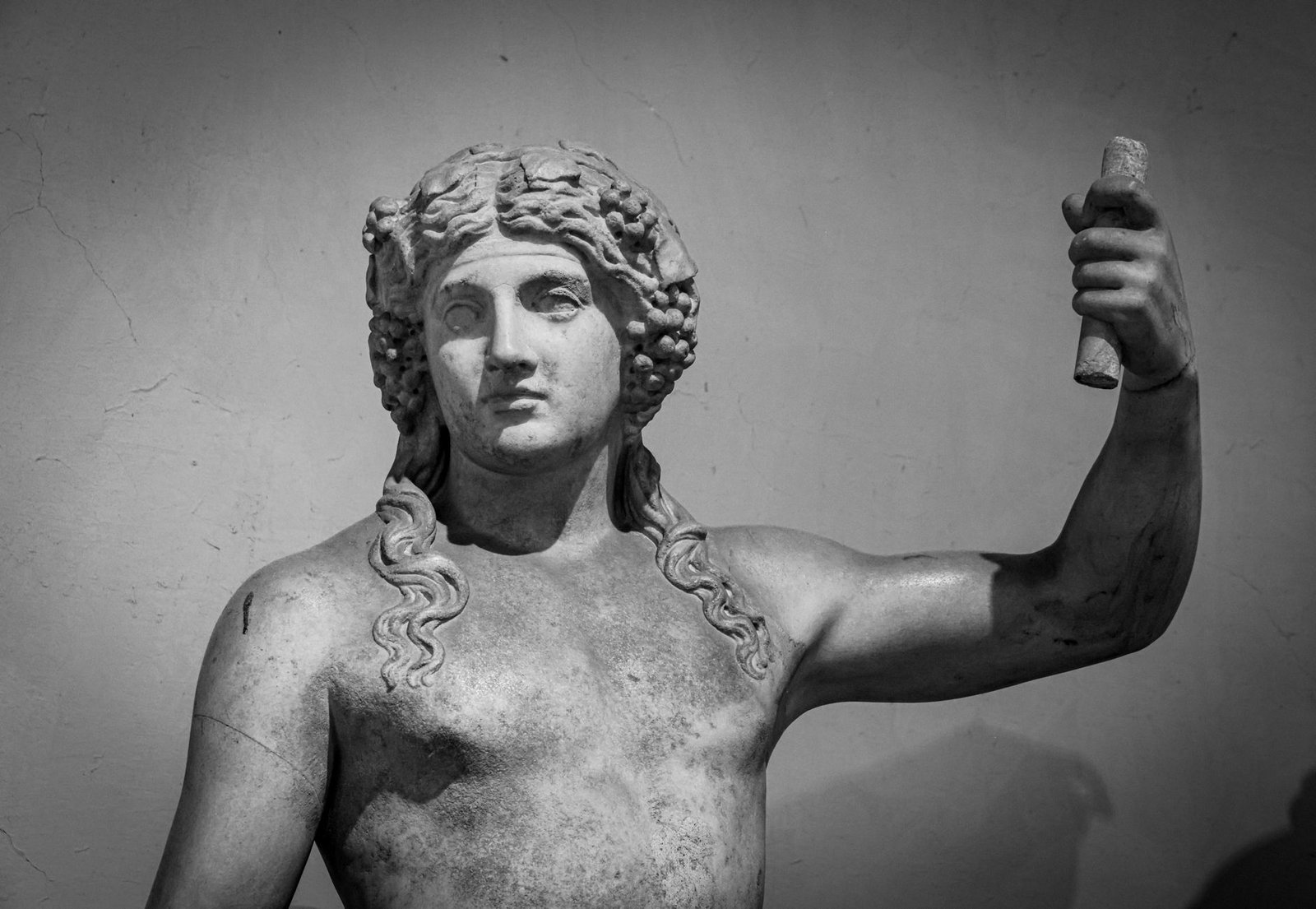
Venus: Roman Goddess of Love, Beauty, and Fertility
Venus (Roman god) was among the most influential figures in Roman religion, embodying love, beauty, fertility, prosperity, and the life-giving powers that shaped both private devotion and public life. This article traces her origins, evolving cult, and political importance, showing how Romans linked Venus to their own identity, divine favor, and enduring cultural imagination.
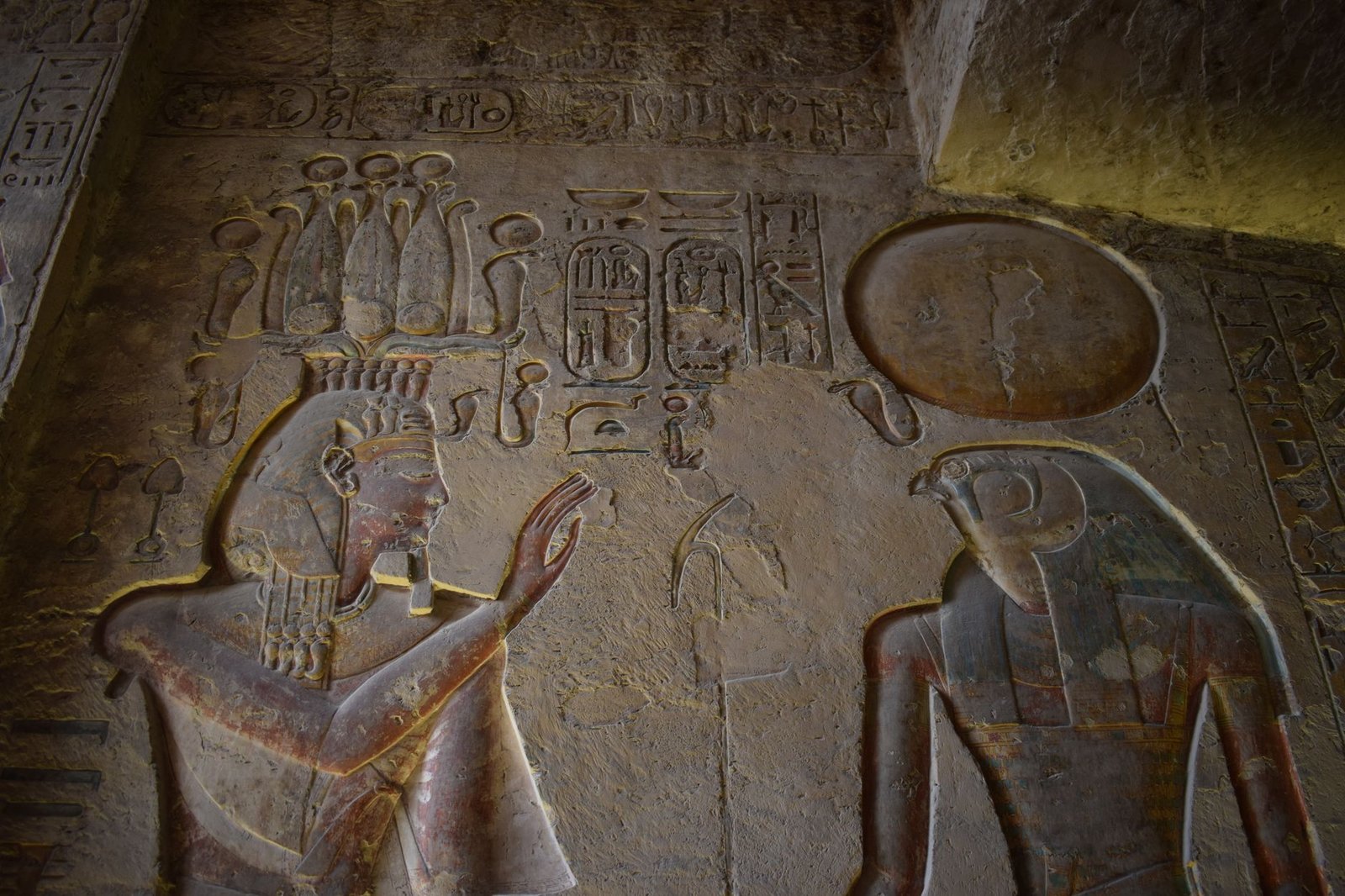
Who Is Hathor in Egyptian Mythology? Complete Guide
Hathor is one of the most enduring goddesses in ancient Egyptian religion, known for her roles in love, joy, music, motherhood, fertility, protection, the sky, and the afterlife. Understanding who is Hathor in Egyptian mythology reveals a deity whose changing identity, sacred name, and ties to Horus reflect the adaptability and depth of Egyptian belief.
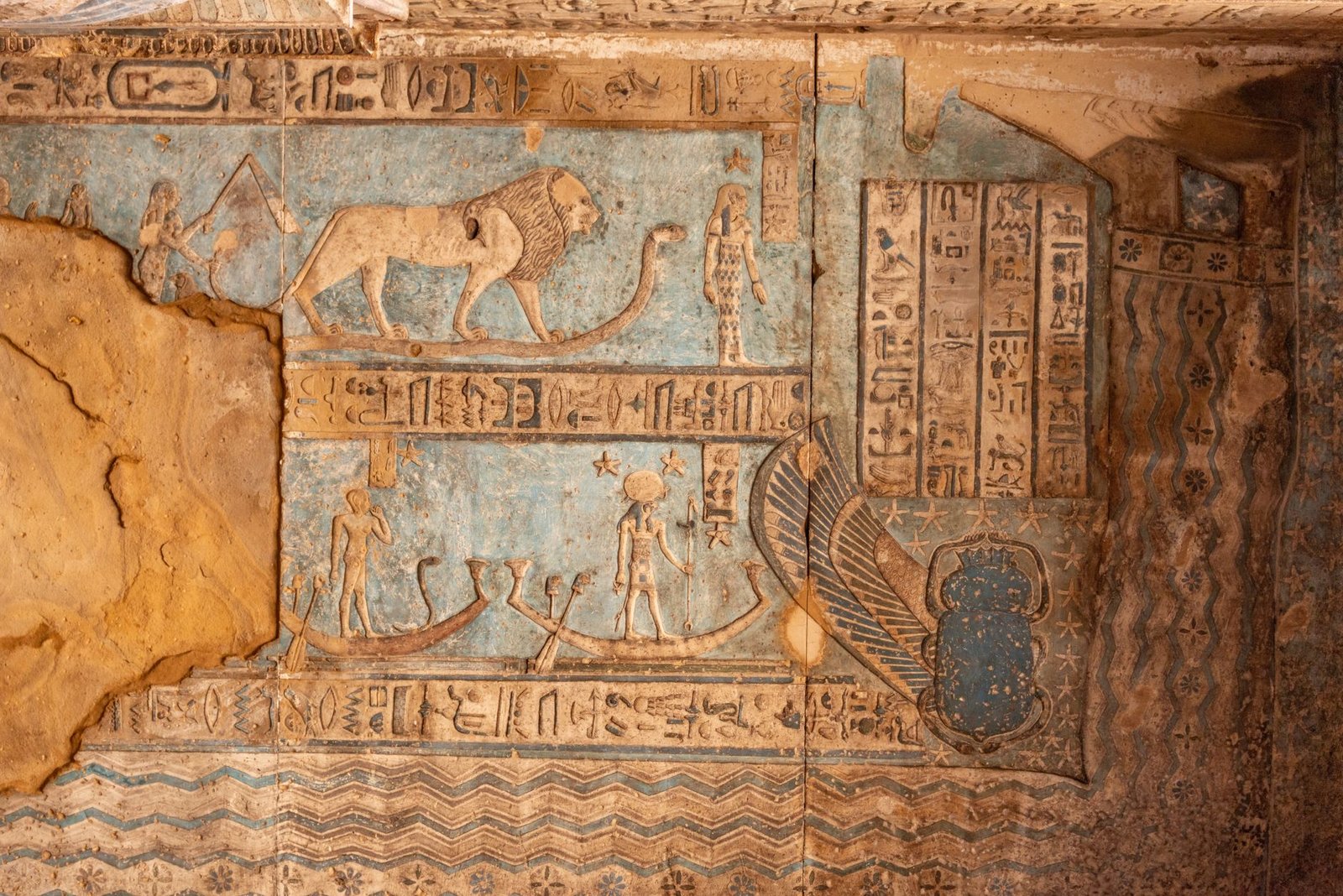
Who Is Bes in Egyptian Mythology? Meaning and Role
Bes is one of the most distinctive figures in Egyptian mythology, a dwarf-like protective god whose fierce, comic appearance set him apart from the formal deities of state religion. Closely linked to households, childbirth, fertility, music, and the repelling of evil, his enduring presence on amulets and domestic objects reveals why he remains central to understanding everyday ancient Egyptian beliefs.

Renenutet in Egyptian Mythology: Goddess of Harvest
Renenutet in Egyptian mythology is a goddess of nourishment, harvest, fertility, and protection, closely tied to grain, granaries, and the life-giving force of food. This article traces her name, origins, and evolving role in religion and society, revealing how a lesser-known deity came to symbolize both sustenance and safeguarding.
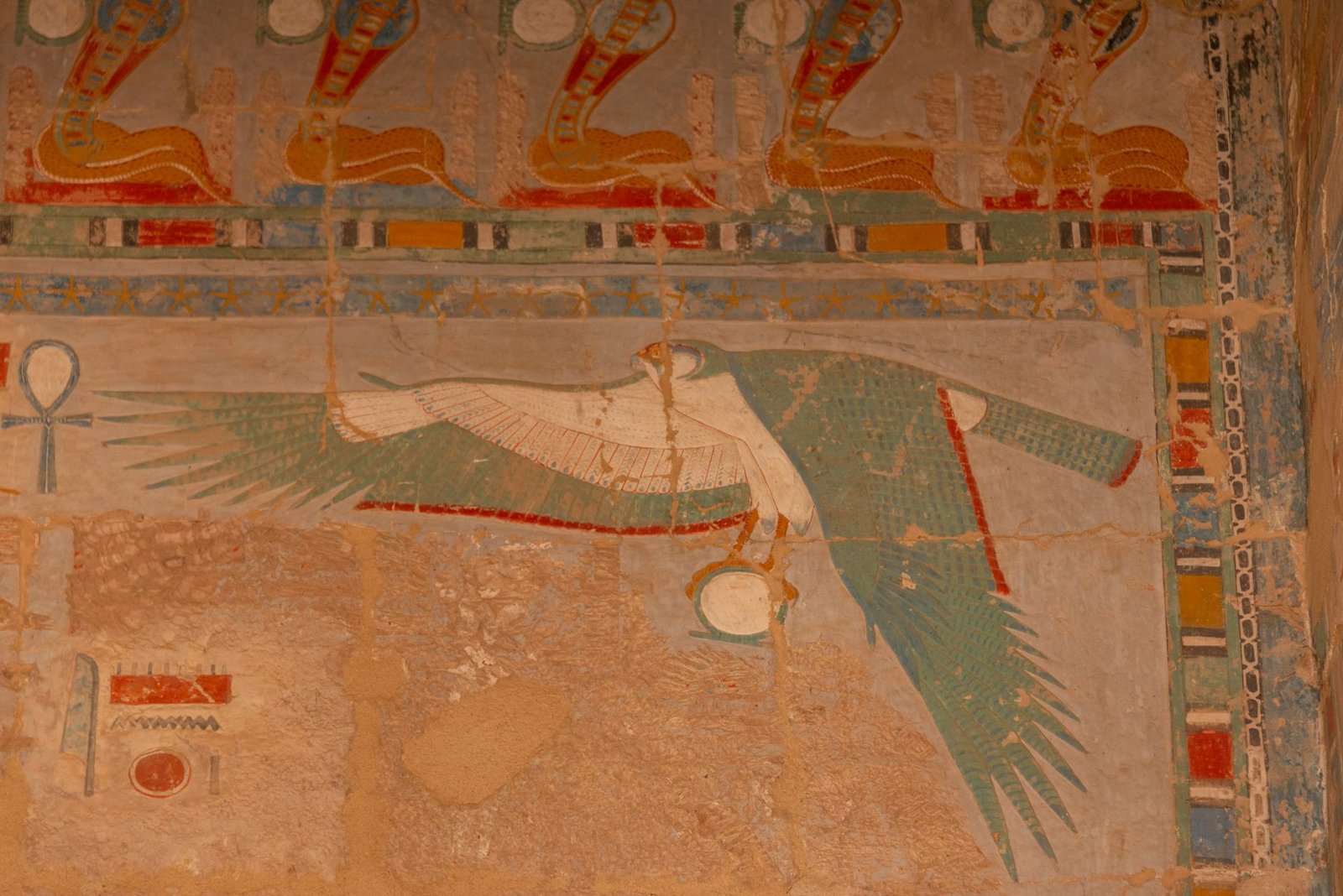
Who Is Anuket in Egyptian Mythology? Meaning and Facts
Anuket is a goddess in Egyptian mythology closely tied to the Nile, especially the southern reaches near Aswan and Elephantine, where she was revered as a protector of water, fertility, and the seasonal inundation. Understanding who is Anuket in Egyptian mythology reveals how a local river goddess could embody both the practical needs of ancient life and the sacred power Egyptians saw in nature.