mythological heroes
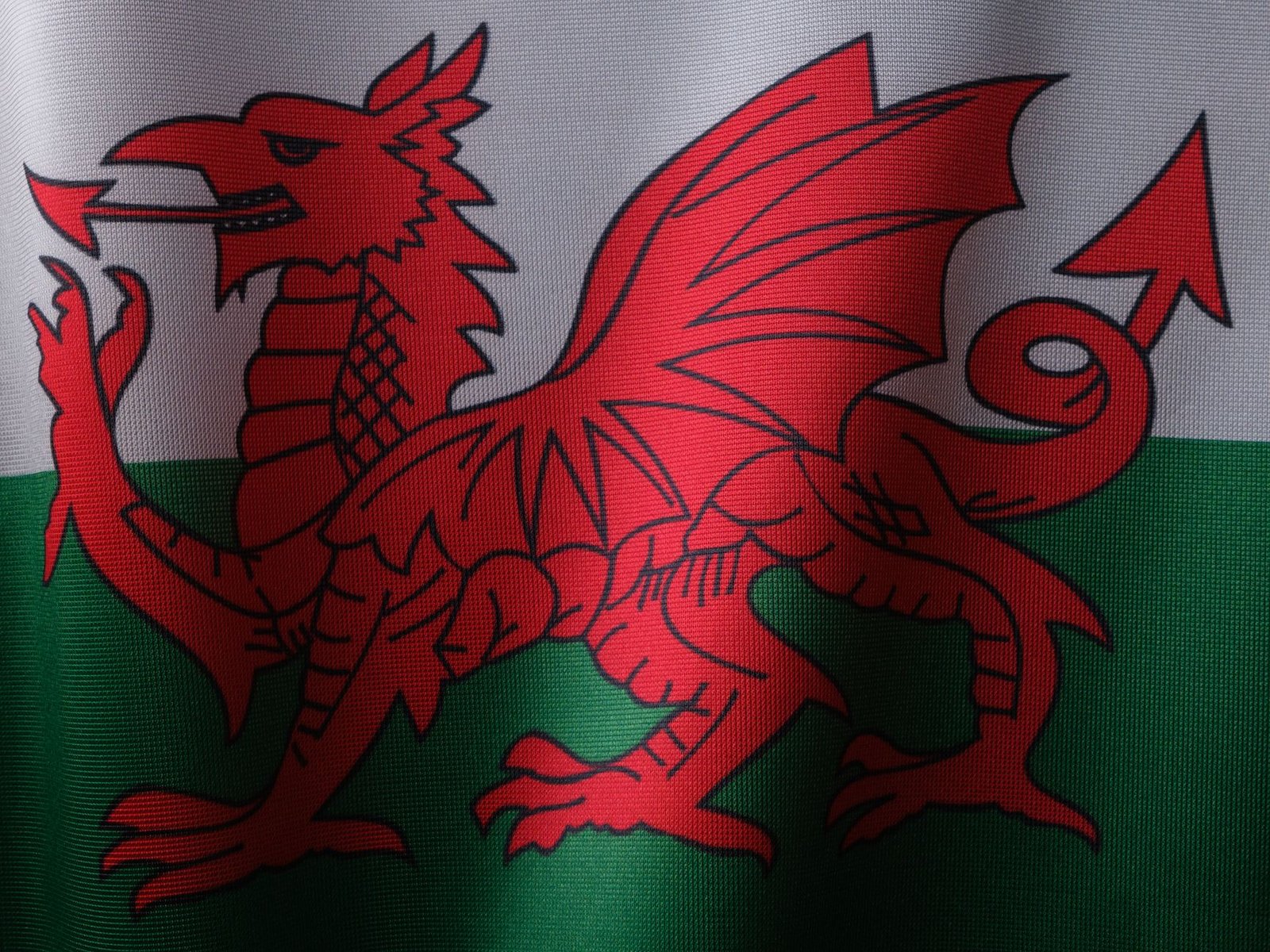
Lleu Llaw Gyffes: Welsh Mythology and Legend
Lleu Llaw Gyffes stands at the center of Welsh mythology as a hero whose extraordinary birth, hidden lineage, and repeated trials shape one of the most intricate episodes in the Mabinogi. This excerpt introduces the meaning of his name, his place in medieval Welsh literature, and the themes of sovereignty, enchantment, and betrayal that make his legend enduring.

Dagda: Irish Mythology God of Abundance and Wisdom
Dagda is a central figure in Irish mythology, portrayed as a powerful deity of the Tuatha Dé Danann who governs fertility, wisdom, kingship, and abundance. Exploring his name, powers, and legendary role reveals how medieval texts preserved a complex divine figure whose influence reaches across myth, sovereignty, and the older religious imagination of Ireland.

Castor and Pollux at the Battle of Lake Regillus
Castor and Pollux at the Battle of Lake Regillus is a celebrated Roman tradition in which the Dioscuri are said to have appeared as mounted warriors, helping secure a crucial early Republic victory over the Latin League. Blending myth, civic memory, and religion, the story illuminates Roman beliefs about divine protection, cavalry valor, and the origins of the twins’ lasting public cult.
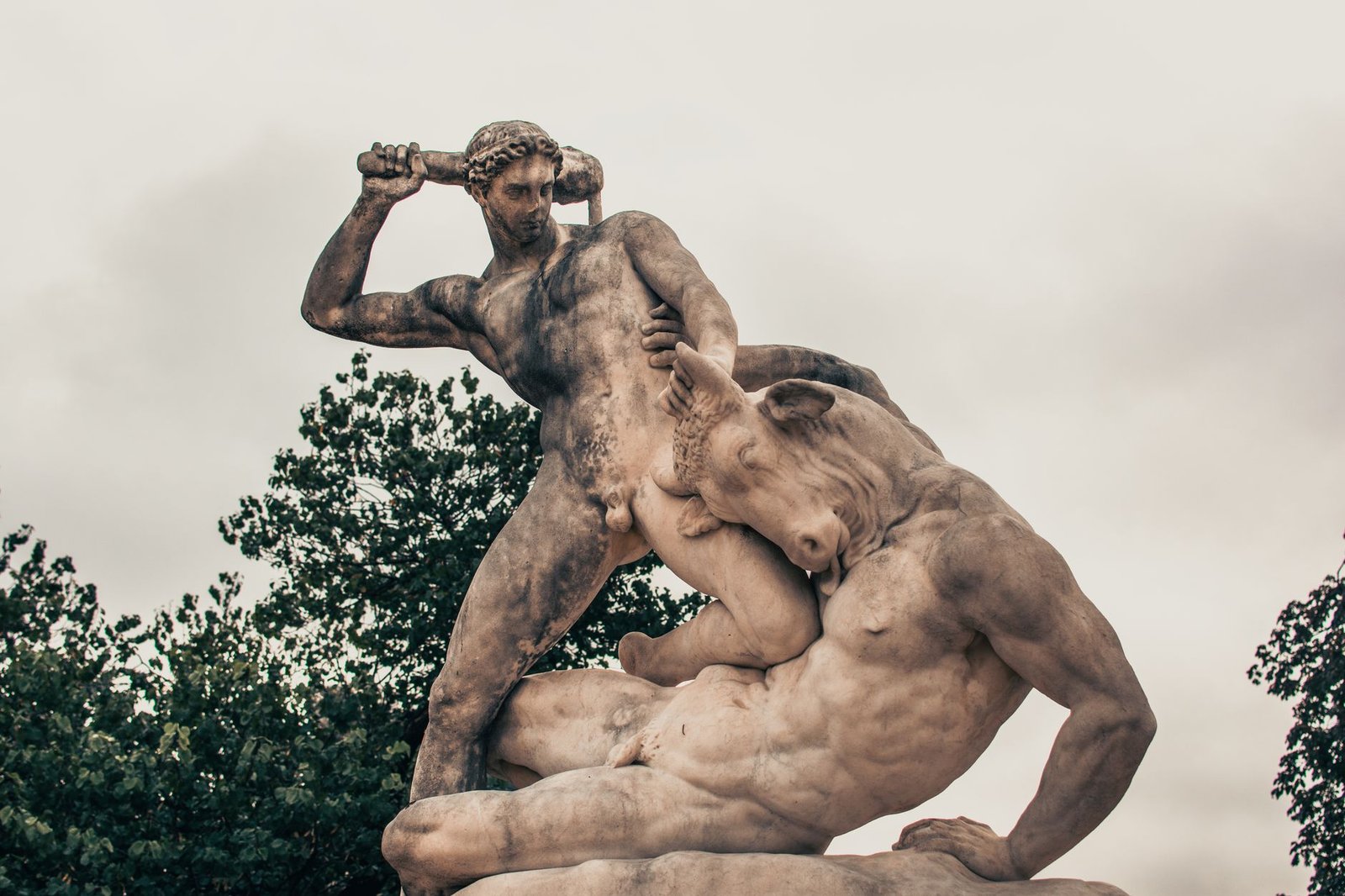
Aeneid vs. Iliad and Odyssey: Key Differences
The difference between the Aeneid and the Iliad/Odyssey lies not only in plot, but in purpose: Homer’s epics explore heroism, suffering, and return, while Virgil’s Aeneid recasts epic tradition to explain Rome’s destiny. Comparing their gods, heroes, and narrative aims reveals how Roman literature adapted Greek models into a work of political, cultural, and moral significance.
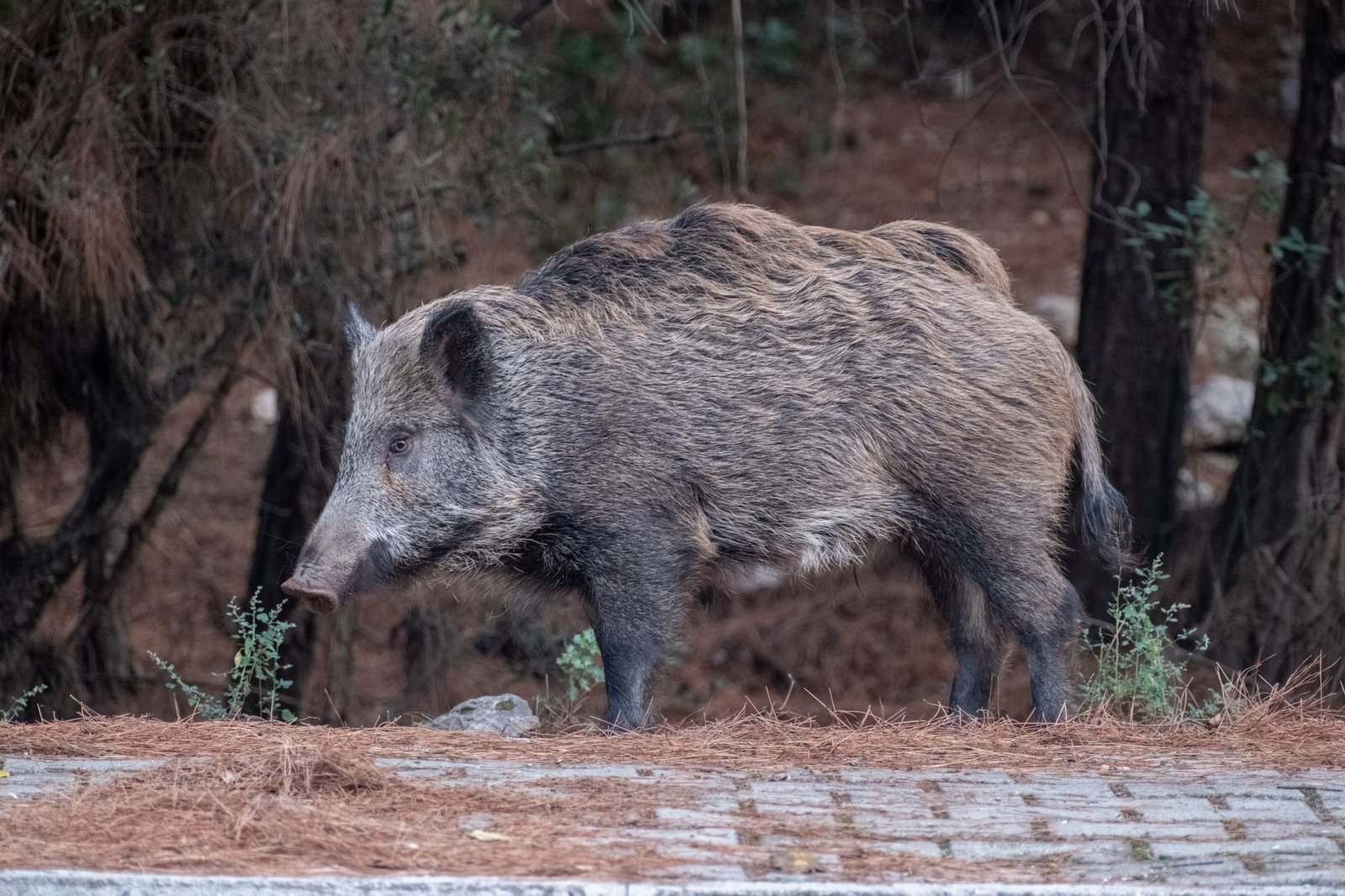
The Calydonian Boar Hunt: Greek Mythology Overview
The Calydonian Boar Hunt is a pivotal myth of Greek heroic legend, in which a divinely sent boar devastates Calydon and draws together famed figures such as Meleager, Atalanta, and Theseus. Its blend of sacred punishment, competition for honor, and family conflict explains why the story remained influential in ancient literature and art, inviting closer study of its deeper meanings.