protective deities
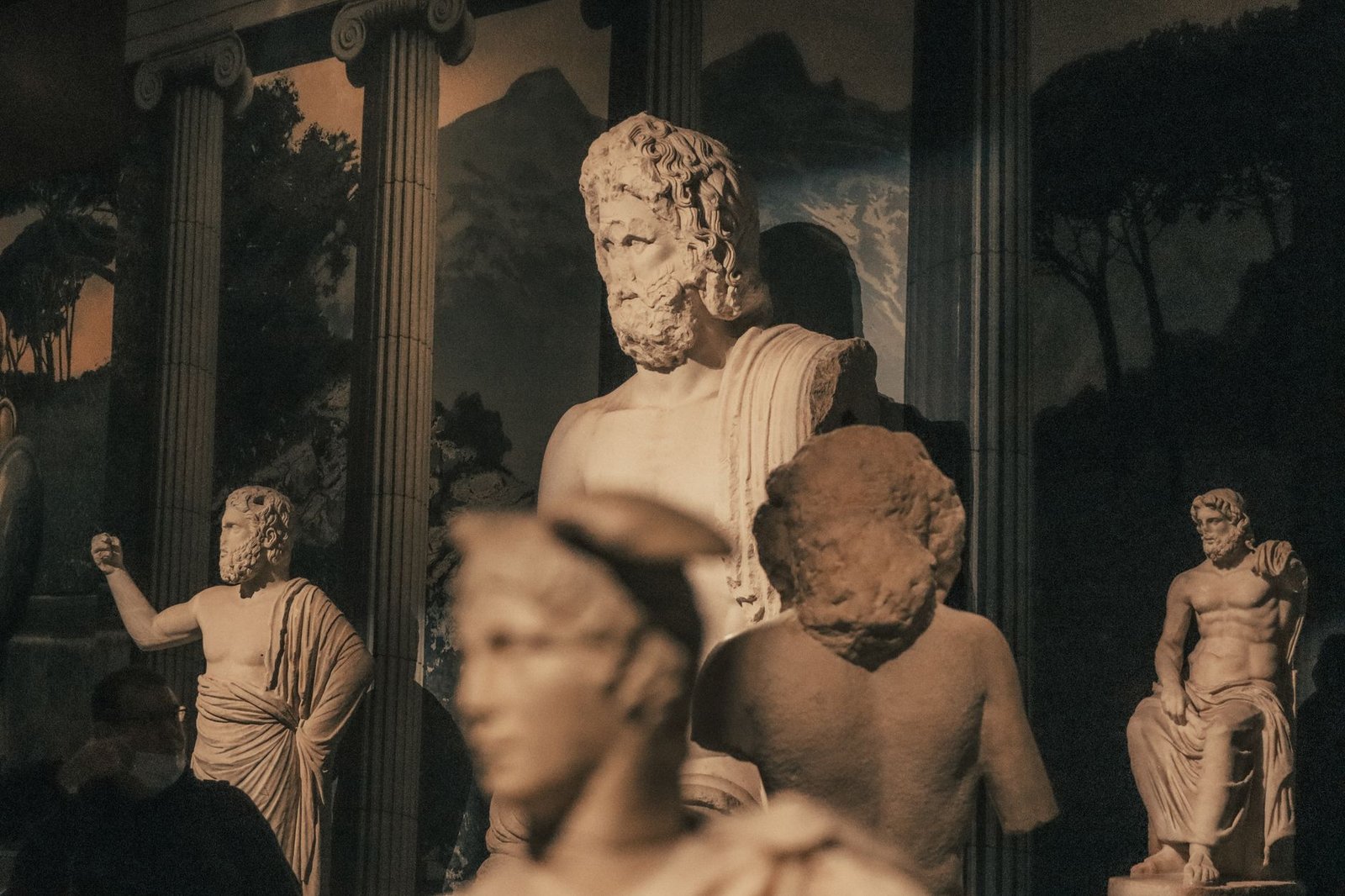
Herm Island: History, Geography, and Visitor Guide
Orin Vale
A herm was a distinctive stone boundary marker of the ancient Greek world, usually shaped as a squared pillar crowned by the head of Hermes and placed at roads, crossroads, and thresholds. Blending practical purpose with religious meaning, the herm reveals how Greeks understood travel, protection, and sacred space, and its later adaptations invite closer inspection.
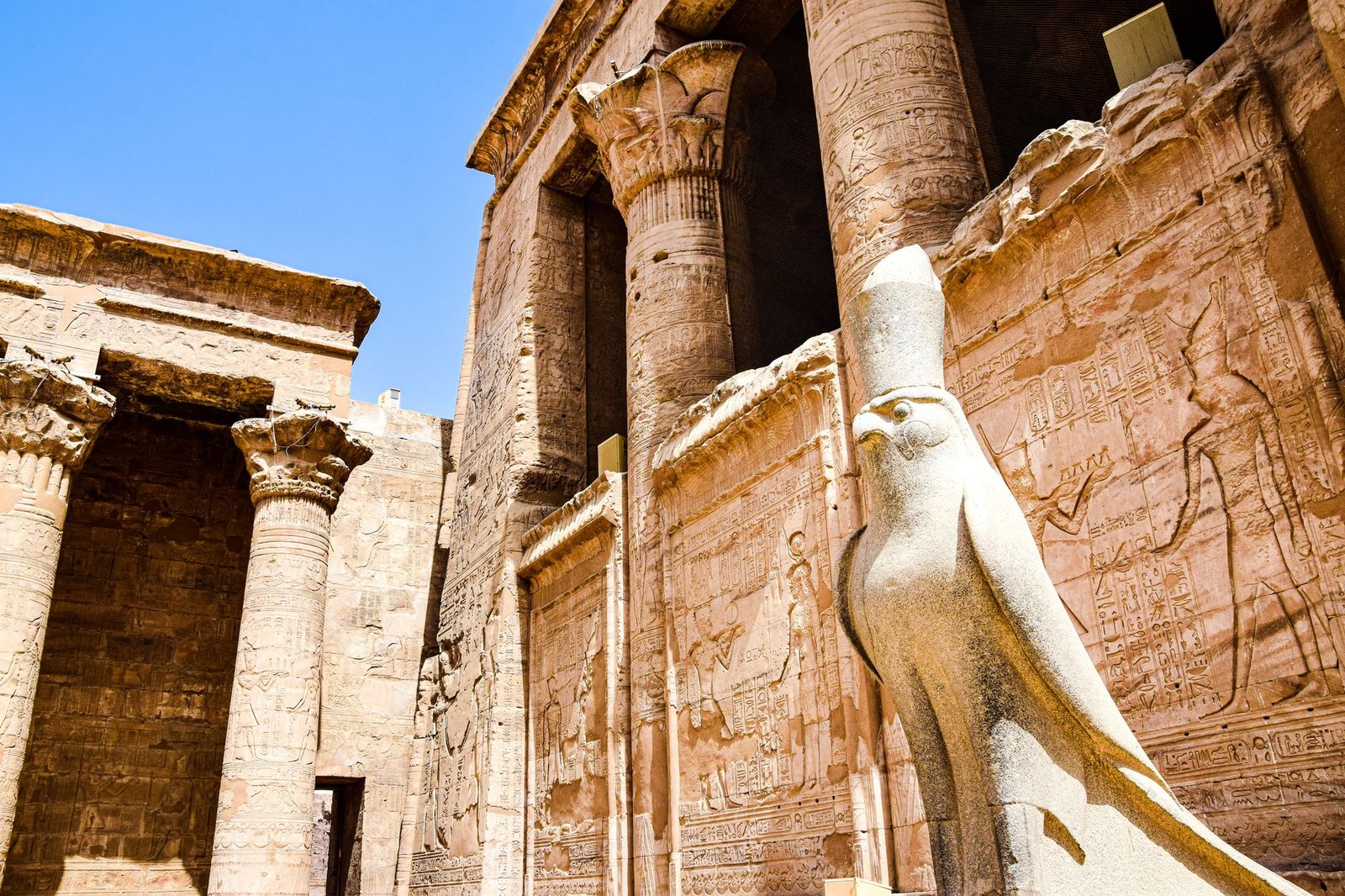
Who Are the Four Sons of Horus in Egyptian Mythology?
Orin Vale
The four sons of Horus in Egyptian mythology—Imsety, Hapy, Duamutef, and Qebehsenuef—were protective deities closely tied to burial rites, canopic jars, and the preservation of the dead. Their roles reveal how ancient Egyptians connected bodily protection, divine guardianship, and the hope of rebirth, making them essential figures in funerary religion.