Roman legends

The Founding of Rome by Romulus and Remus Explained
The founding of Rome by Romulus and Remus is the enduring Roman foundation myth, blending divine lineage, royal conflict, abandonment, survival, and brotherly rivalry into a story that explained the city’s sacred origins. Though not verifiable history, it shaped Roman identity and continues to illuminate how legends can serve politics, memory, and cultural authority.

The Death of Remus: Roman Mythology and Meaning
The death of Remus is a central episode in Roman foundation myth, portraying the fatal conflict between the twin brothers Remus and Romulus as a turning point in the birth of Rome. Told in multiple ancient versions, the story explores themes of boundary, authority, and fratricide, inviting readers to examine how myth shaped Roman ideas of law and power.

The Horatii and the Curiatii: Roman Legend and Myth
The Horatii and the Curiatii are central figures in one of Rome’s best-known legendary episodes, a duel between two noble families said to have decided the fate of Rome and Alba Longa. Blending myth, politics, and moral exemplum, the story reveals how early Roman tradition framed courage, civic duty, and the cost of conflict.
The Rape of Lucretia: Meaning, Summary, and Significance
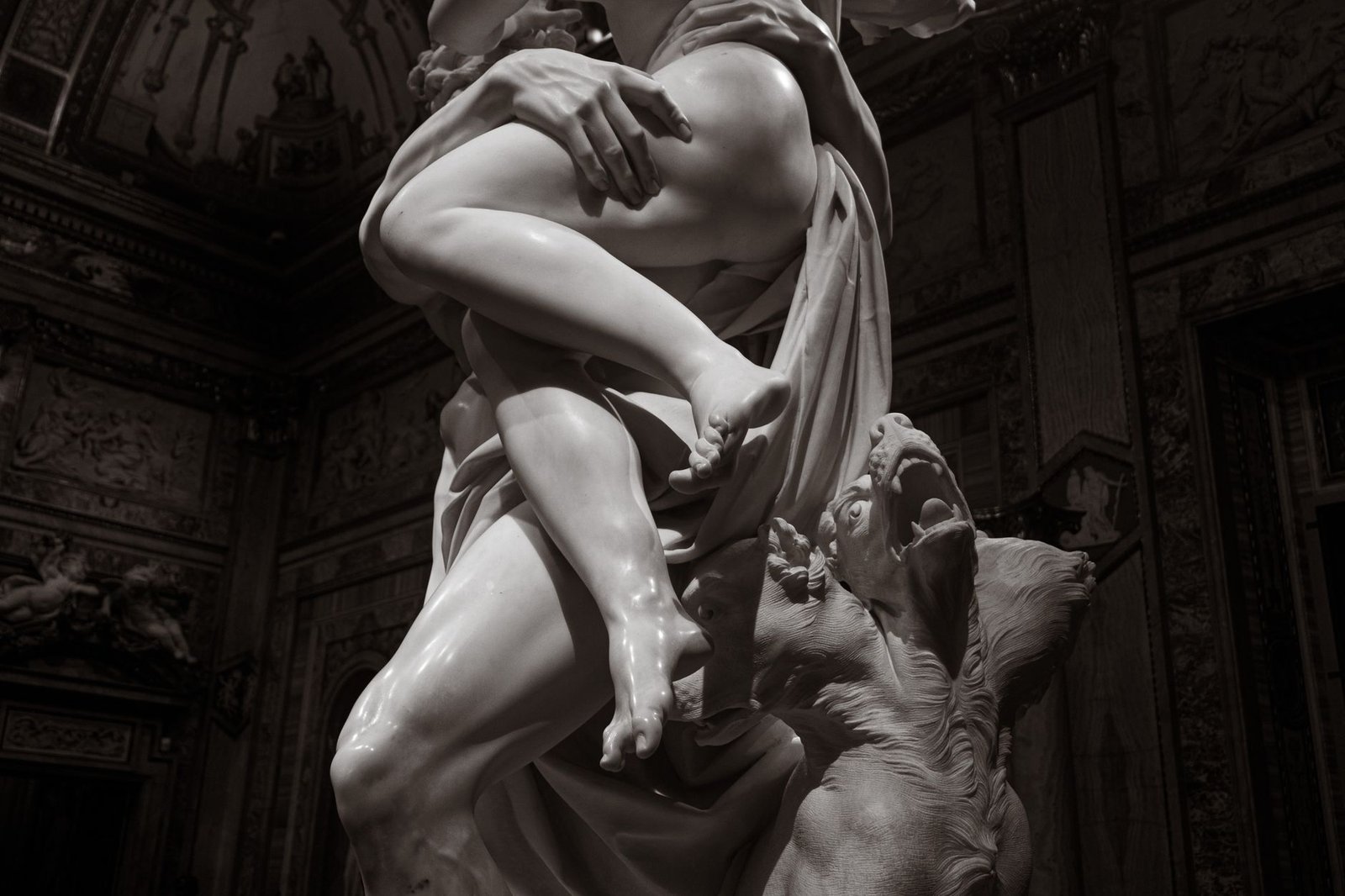
The Rape of Lucretia is a foundational Roman narrative of sexual violation, public shame, and political rupture, centered on the noblewoman Lucretia and Sextus Tarquinius, son of Rome’s last king. Revered in Roman memory as the catalyst for the overthrow of the monarchy, the story continues to shape discussions of power, gender, and the origins of the Roman Republic.

Roman Mythology: The Complete Guide to the Gods, Symbols, Creatures, and Myths of Ancient Rome
Historical and Geographic Context Roman mythology developed across more than a thousand years, from the legendary founding of Rome in ...
Roman Myths and Legends: The Complete Guide
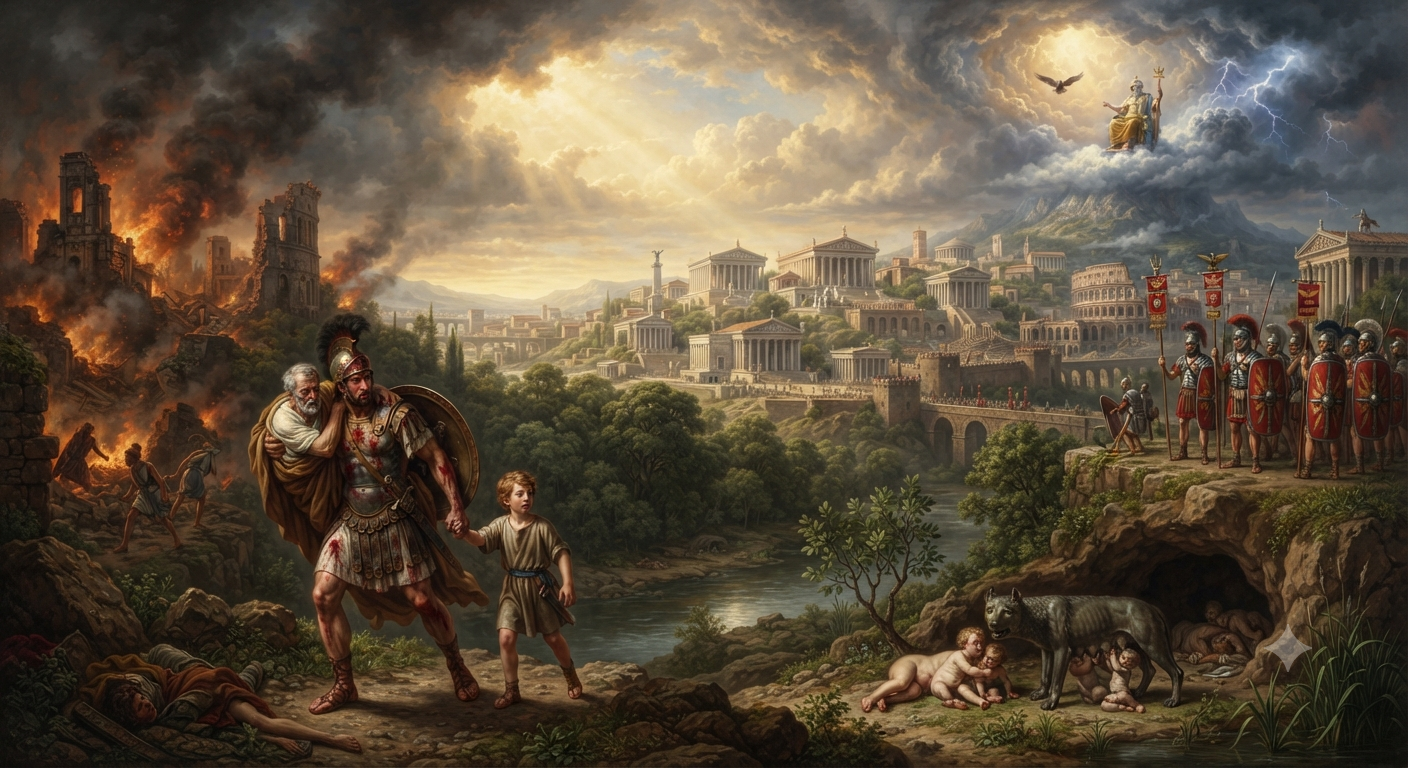
Roman mythology’s greatest narratives are stories of founding — of a city, a people, and a set of values. This ...

Capitoline Geese: History, Legend, and Roman Significance
The Capitoline Geese are remembered in Roman tradition as the temple birds whose sudden cries warned the city of a Gallic assault on the Capitoline Hill, an episode that became a lasting emblem of vigilance and divine protection. Blending legend, religion, and civic memory, their story reveals how ancient Romans understood sacred animals and omens—and why this celebrated tale continued to resonate long after the siege itself.