sacred groves
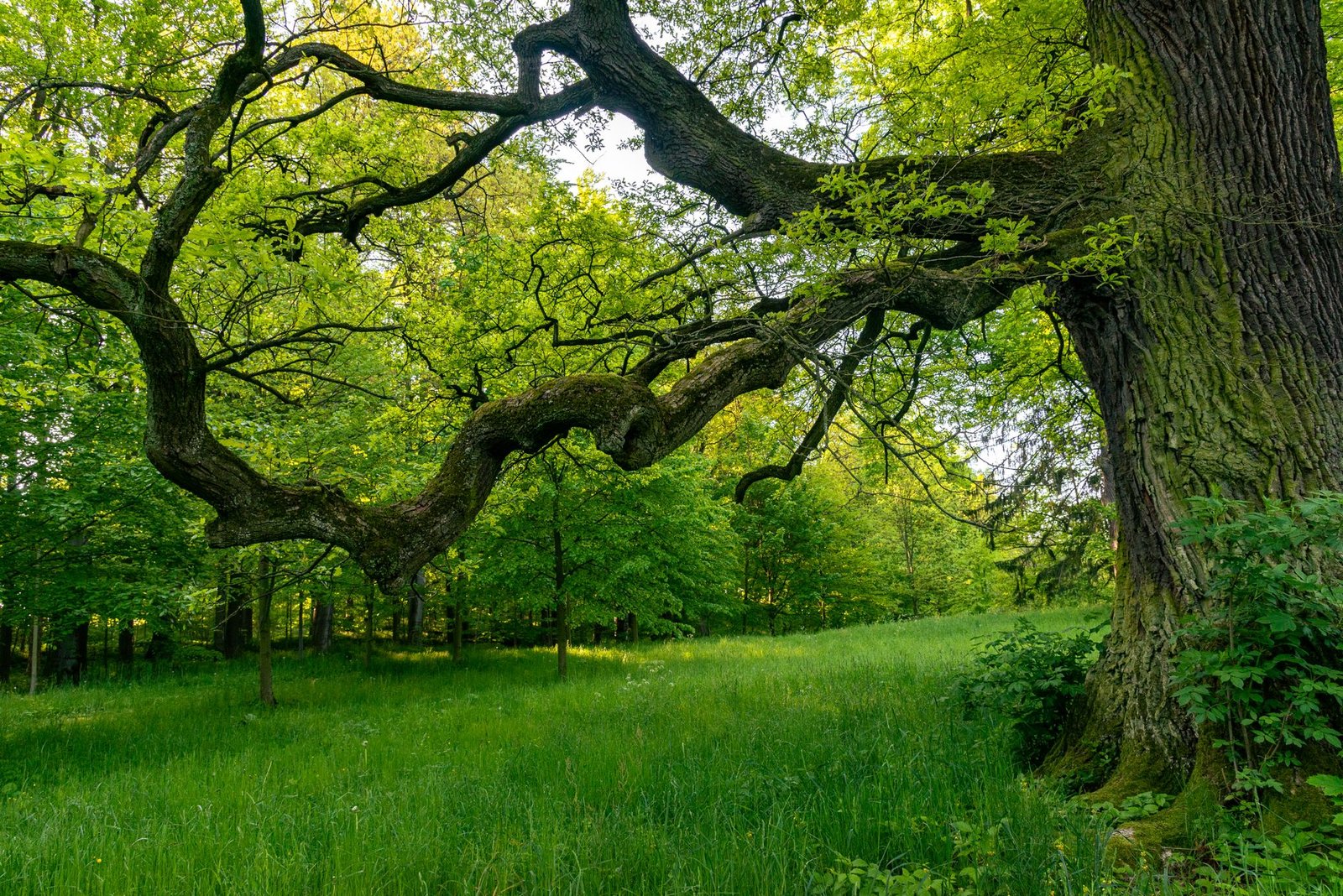
Sacred Oak Tree: Meaning, History, and Cultural Significance
The sacred oak tree has long stood at the center of myth, ritual, and royal symbolism, especially in Europe and the ancient Near East. Its associations with thunder gods, sacred groves, prophecy, and enduring strength reveal why this remarkable tree came to embody divine presence and cultural authority.

Sacred Yew Tree: History, Symbolism, and Cultural Significance
The sacred yew tree is a lasting symbol of European religious history, blending folklore, funerary custom, and beliefs about immortality into one enduring image. Linked to churchyards, ancient burial grounds, and traditions from Celtic to Christian cultures, it invites closer study of how a single tree came to mark the boundary between life and death.
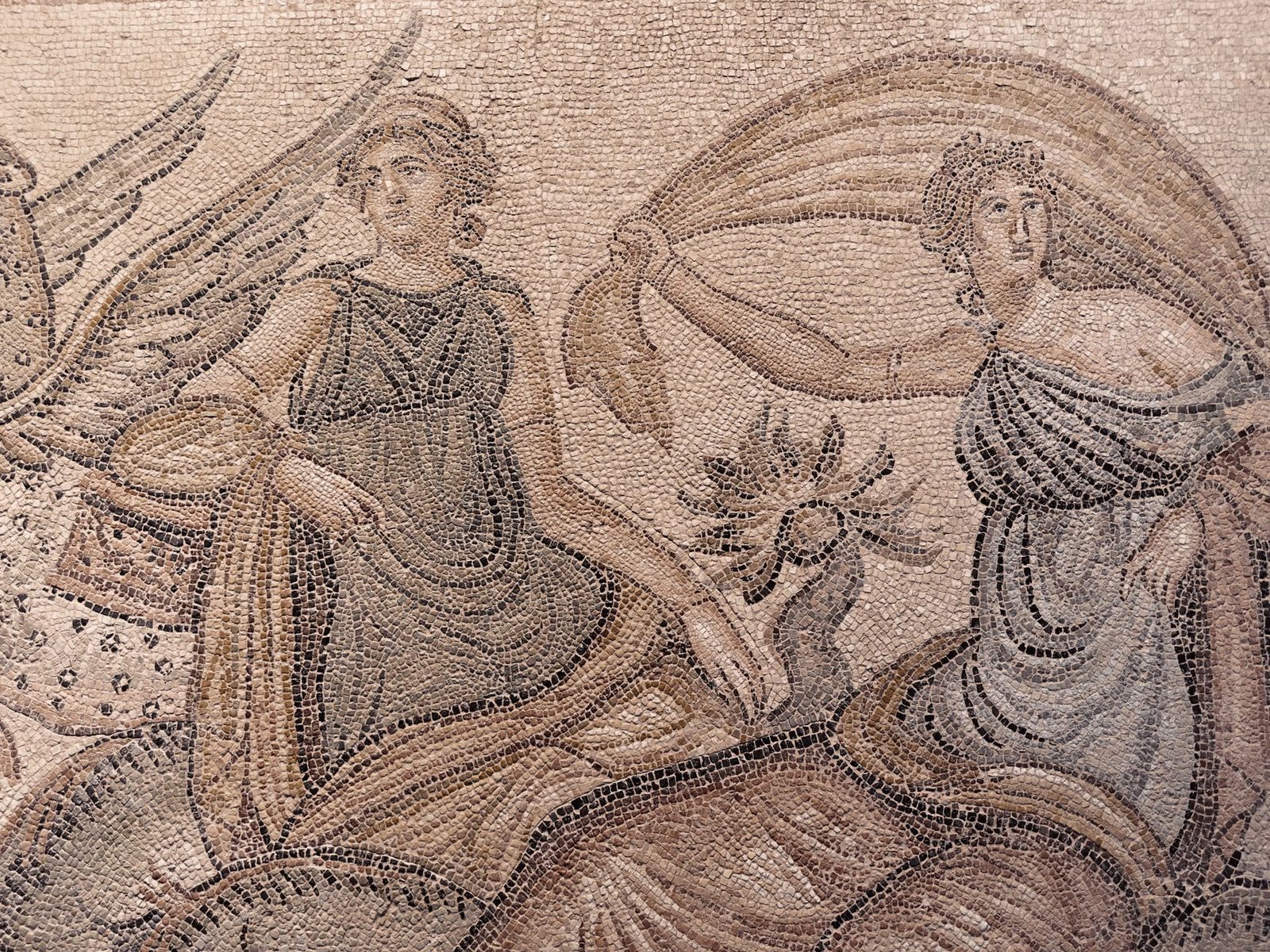
Numa Pompilius and the Nymph Egeria: Roman Legend
Numa Pompilius and the nymph Egeria stand at the crossroads of Roman legend and religious history, linking the city’s second king with the divine source of his reforms. This article explores how ancient writers used their association to explain Rome’s rites, calendar, and priesthoods, while revealing the shifting traditions that kept Egeria’s role both sacred and mysterious.
Silvanus: Roman God of Forests and Fields
Silvanus is the Roman god of woods, wild places, and rural boundaries, a protective presence invoked for forests, livestock, fields, and the people who depended on them. This excerpt explores his origins, local cults, and enduring role in Roman religion, showing how a practical woodland deity reveals ancient ideas about nature, property, and divine guardianship.