Tuatha Dé Danann
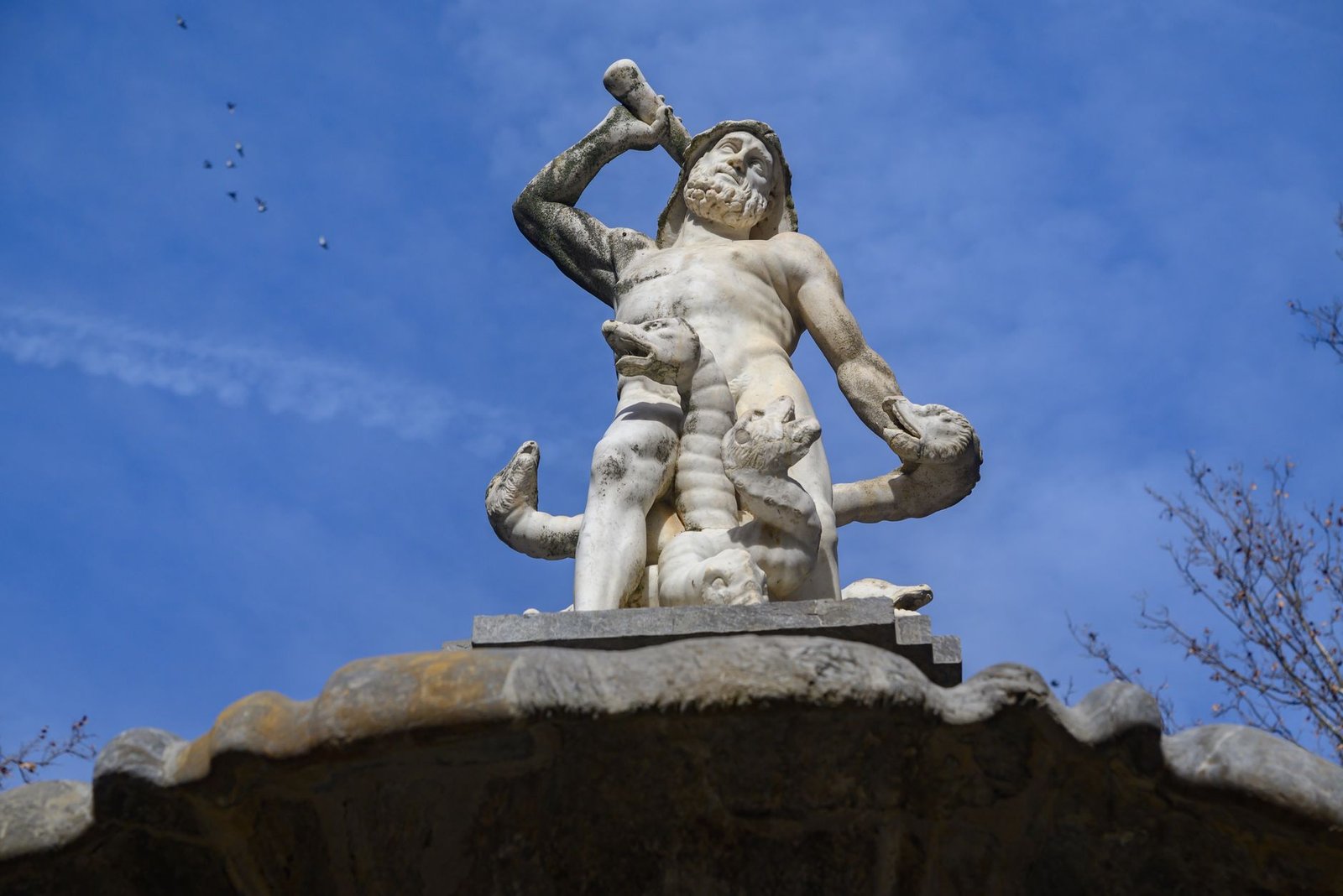
Balor: Meaning, Origin, and Mythology Explained
Balor is a central figure in Irish mythology, a fearsome Fomorian giant whose destructive power and deadly eye make him one of the Tuatha Dé Danann’s most dangerous foes. His role in the Cath Maige Tuired, where he is ultimately defeated by his grandson Lugh, reveals enduring themes of prophecy, conflict, and the triumph of cunning over overwhelming force.
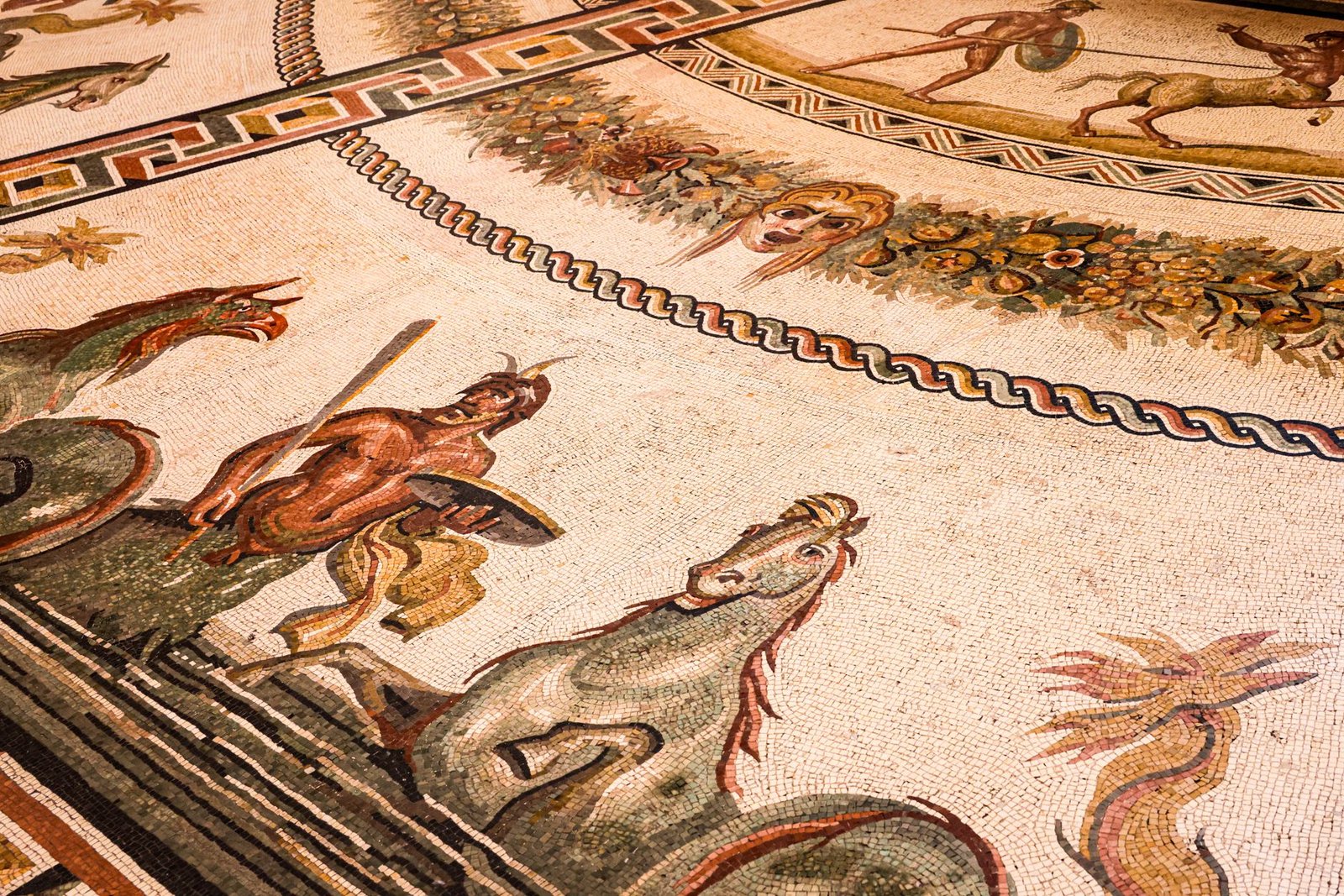
Fomorians: Mythology, Origins, and Cultural Significance
The Fomorians occupy a central place in Irish mythology as powerful, often hostile beings linked to chaos, sea, darkness, and famine. This excerpt explores their uncertain origins, shifting portrayals, and enduring conflict with the Tuatha Dé Danann, offering a glimpse into how medieval Irish tradition imagined the forces beyond civilization.
Is the Leprechaun Authentic Celtic Mythology?
Is the leprechaun authentic Celtic mythology? The answer lies in a distinction between ancient myth and later Irish folklore: leprechauns are genuine figures of Irish tradition, yet they are not central gods or heroes from the medieval Celtic myth cycles, and their evolution reveals how folklore, language, and popular image diverged over time.
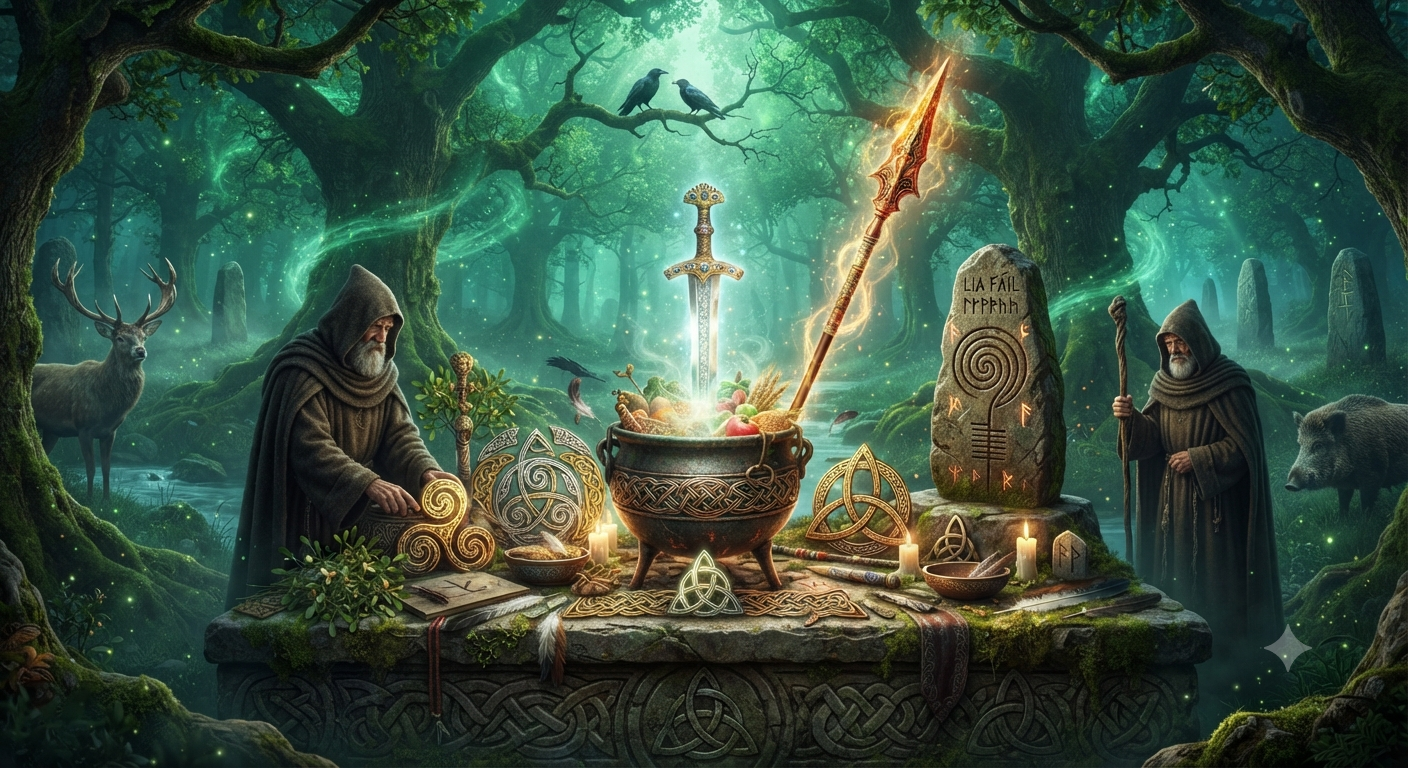
Celtic Symbols: The Complete Guide to the Sacred Objects and Signs of Celtic Mythology
Celtic mythology’s sacred symbols range from the legendary treasures of the Tuatha Dé Danann to sacred trees and animals woven ...
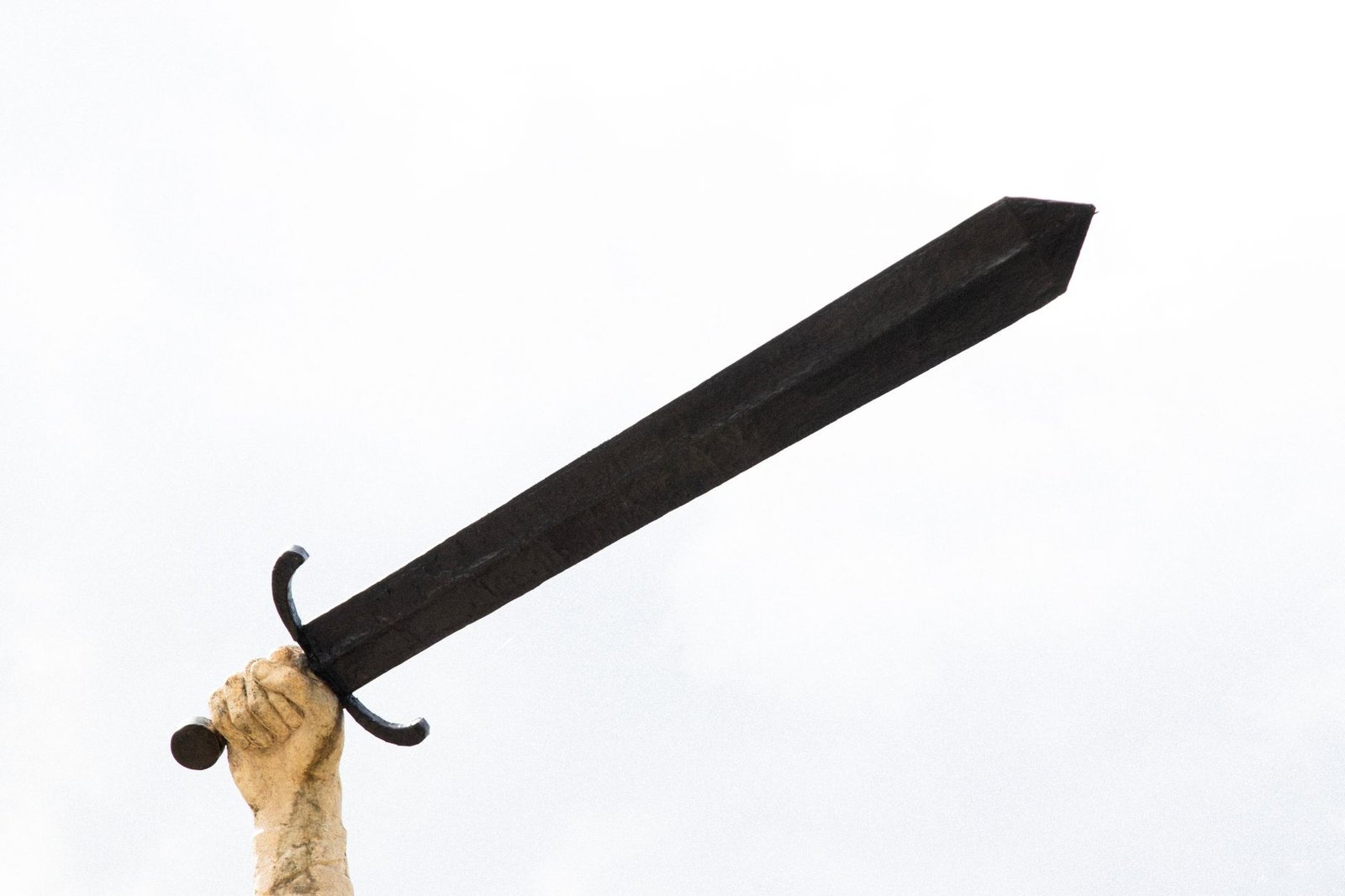
Sword of Nuada (Sword of Light): Irish Mythology Guide
The Sword of Nuada, or Sword of Light, is a renowned magical weapon in Irish mythology, belonging to Nuada Airgetlám of the Tuatha Dé Danann and later counted among their Four Treasures. More than a weapon of war, it embodies rightful sovereignty and sacred kingship, and its enduring symbolism opens a window onto the deeper structure of Celtic myth.

Cauldron of the Dagda: Meaning, Myth and History
The Cauldron of the Dagda is a central object in Irish mythology, linked to the Tuatha Dé Danann and celebrated as a vessel of abundance, hospitality, and sovereignty. Its changing descriptions across sources reveal more than a magical cooking pot, inviting readers to explore its role among the Four Treasures and its wider significance in Celtic tradition.
Spear of Lugh: Irish Mythology Weapon and Symbol
The Spear of Lugh is a celebrated weapon of Irish mythology, tied to Lugh Lámfada, a god-hero of the Tuatha Dé Danann, and famed as an unstoppable force in battle. This encyclopedia article explores its uncertain origins, its place among the Four Treasures, and the myths that made it a lasting symbol of sovereignty, skill, and heroic power.
Tuatha Dé Danann vs Fomorians: Celtic Mythology Explained
The **Tuatha Dé Danann vs Fomorians** conflict is a foundational episode in Irish mythology, portraying a struggle between supernatural rulers associated with skill, sovereignty, and sacred order, and hostile forces linked to chaos, oppression, and the perilous margins of the world. Centered on the Second Battle of Mag Tuired, the story reveals how medieval Irish writers preserved older mythic ideas while shaping a complex narrative that still invites closer reading.
Ogma: Irish Mythology’s God of Eloquence and Writing
Ogma is a central figure in Irish mythology, celebrated as a god of eloquence, learning, and sacred speech among the Tuatha Dé Danann. Closely linked with ogham and also remembered as a warrior, Ogma reveals how early Irish tradition united intellectual power, language, and martial strength in a single revered figure.

Nuada: Irish Mythology’s Legendary High King
Nuada is a central figure in Irish mythology, celebrated as king of the Tuatha Dé Danann and a ruler whose right to govern depends on honor, wholeness, and legitimacy. Best known as Nuada Airgetlám, or “Nuada of the Silver Hand,” he appears in key medieval texts in stories of battle, healing, and the restoration of rightful kingship.