Zeus

Birth of Zeus in the Cretan Cave: Greek Mythology
The birth of Zeus in the Cretan cave is a foundational Greek myth that explains how the future king of the gods was hidden on Crete to escape Cronus and grow in secret. Exploring its Cretan settings, ancient sources, and religious meanings reveals why this story remained central to ideas of divine power, succession, and sacred landscape.
Titanomachy: Greek Mythology’s War of the Titans
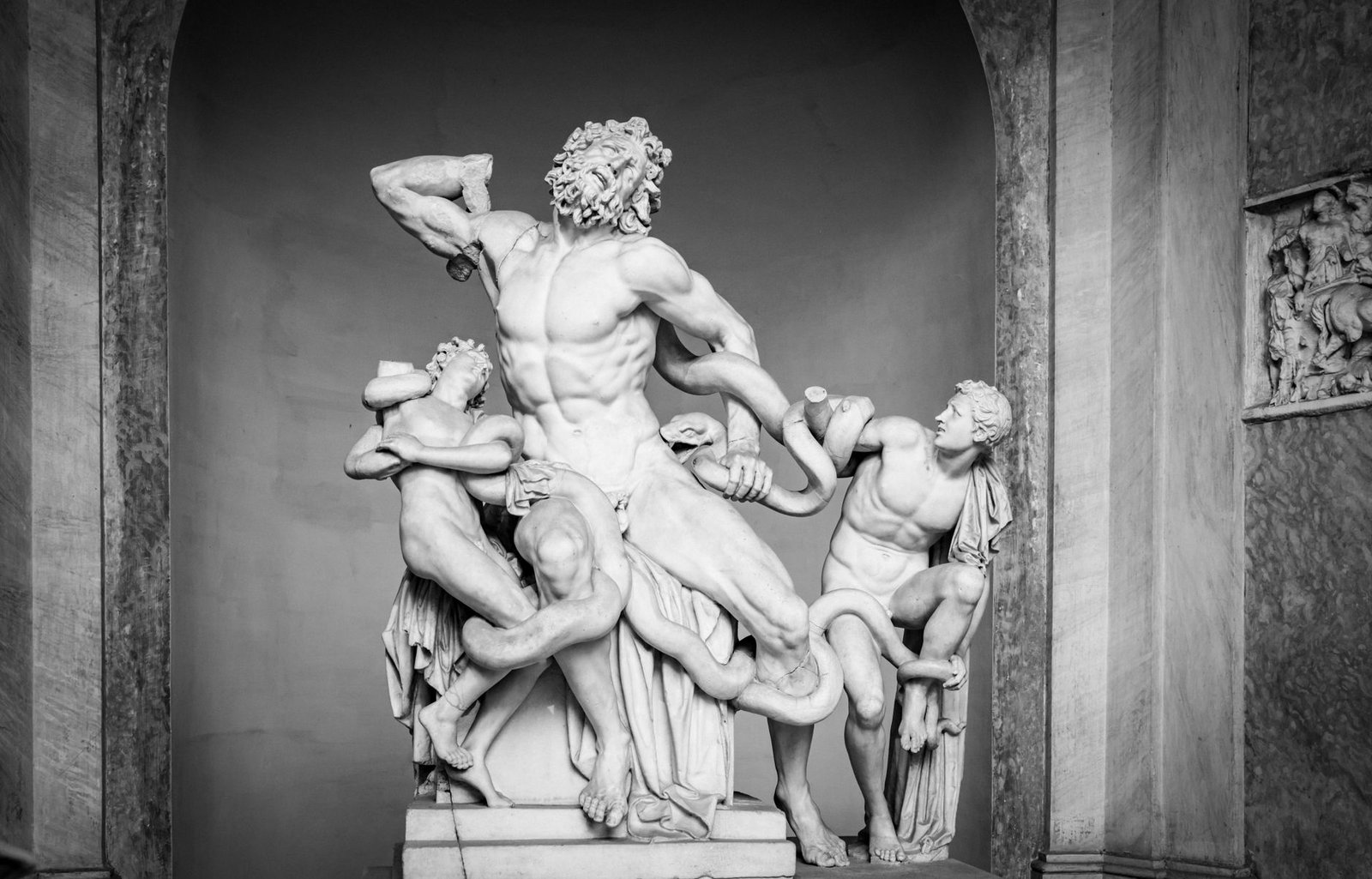
Titanomachy is the legendary Greek mythic war in which Zeus and the younger Olympian gods overthrew the Titans, ending an older divine order and establishing cosmic rule. This article explores its origins, meaning, and cultural legacy, showing how the conflict became a foundational story of succession, sovereignty, and the shaping of the Greek universe.

Prometheus and the Theft of Fire: Greek Myth Explained
Prometheus and the theft of fire is a foundational Greek myth about a Titan who defied Zeus by giving fire to humanity, symbolizing knowledge, civilization, and the rise of human creativity. This excerpt explores the myth’s origins, its meaning in ancient thought, and the lasting cultural influence of a figure remembered as both benefactor and punished rebel.

The Myth of Pandora: Origins, Story, and Meaning
The myth of Pandora explains how suffering entered human life, yet it also leaves room for hope, making it one of the most enduring stories in Greek mythology. Its shifting ancient versions, from divine punishment to symbols of fertility and curiosity, reveal a figure far more complex than the familiar tale of the opened jar suggests.

Deucalion’s Flood: Greek Myth of the Great Flood
Deucalions flood is the Greek myth of a cataclysmic deluge sent by Zeus to destroy a corrupt human race, sparing only Deucalion and Pyrrha to preserve life. This enduring story, echoed in other ancient flood traditions, reveals how Greek myth linked divine judgment, human survival, and the possibility of renewal.
Zeus and Europa: Greek Mythology and the Legend
Zeus and Europa is a central myth of Greek tradition, recounting how Zeus, in the form of a bull, carried the Phoenician princess to Crete and fathered a lineage that shaped later legend. Rooted in ancient cultural exchange between Greece and the eastern Mediterranean, the story reveals enduring themes of transformation, power, and identity that continue to invite closer reading.
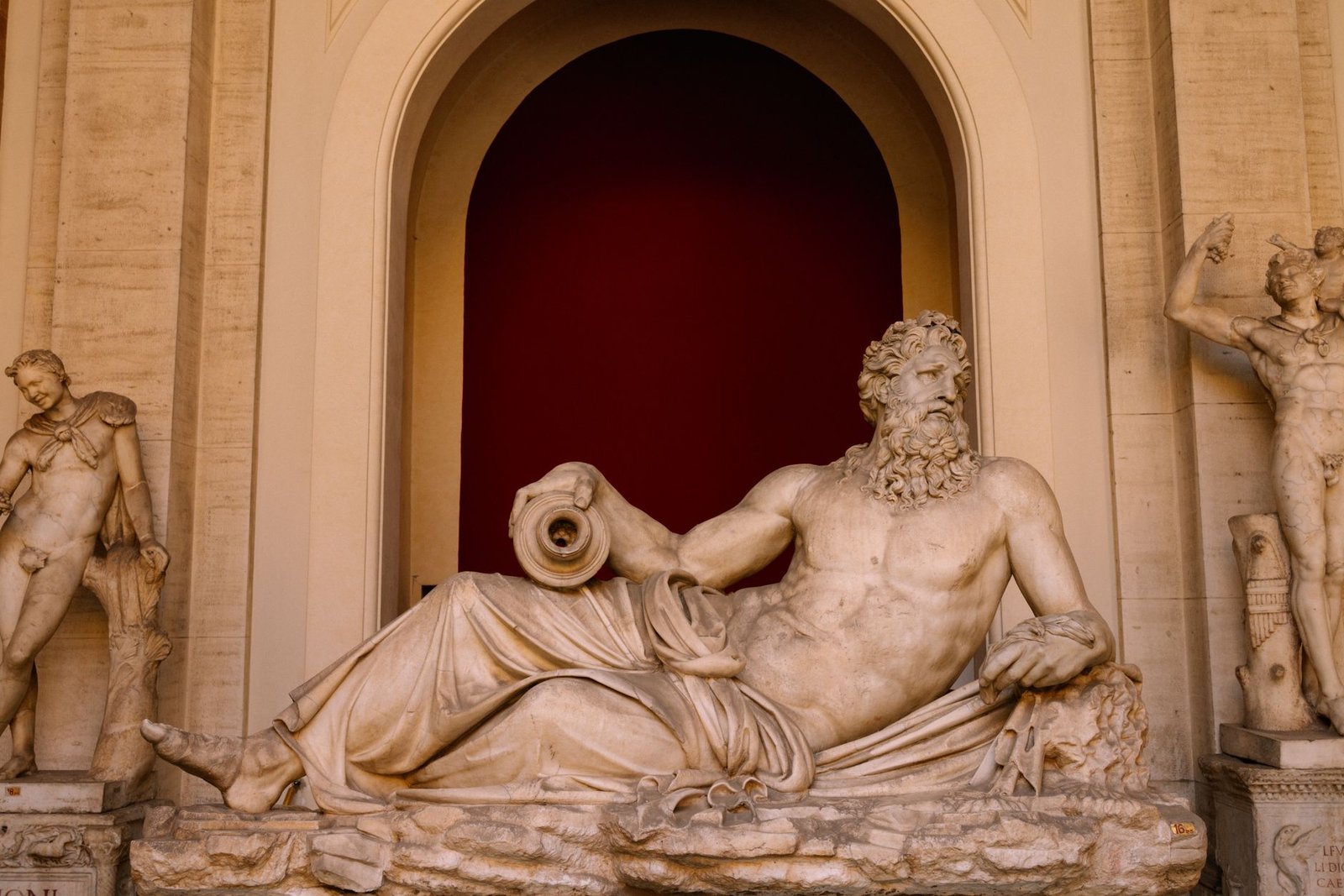
Zeus and Leda: Greek Myth and the Swan Legend
**Zeus and Leda** is a central myth of Greek tradition in which the king of the gods appears to Leda as a swan, leading to the birth of figures such as Helen of Troy and the Dioscuri. Its lasting importance lies in the story’s themes of divine power, transformation, and contested consent, as well as its profound influence on art and literature.
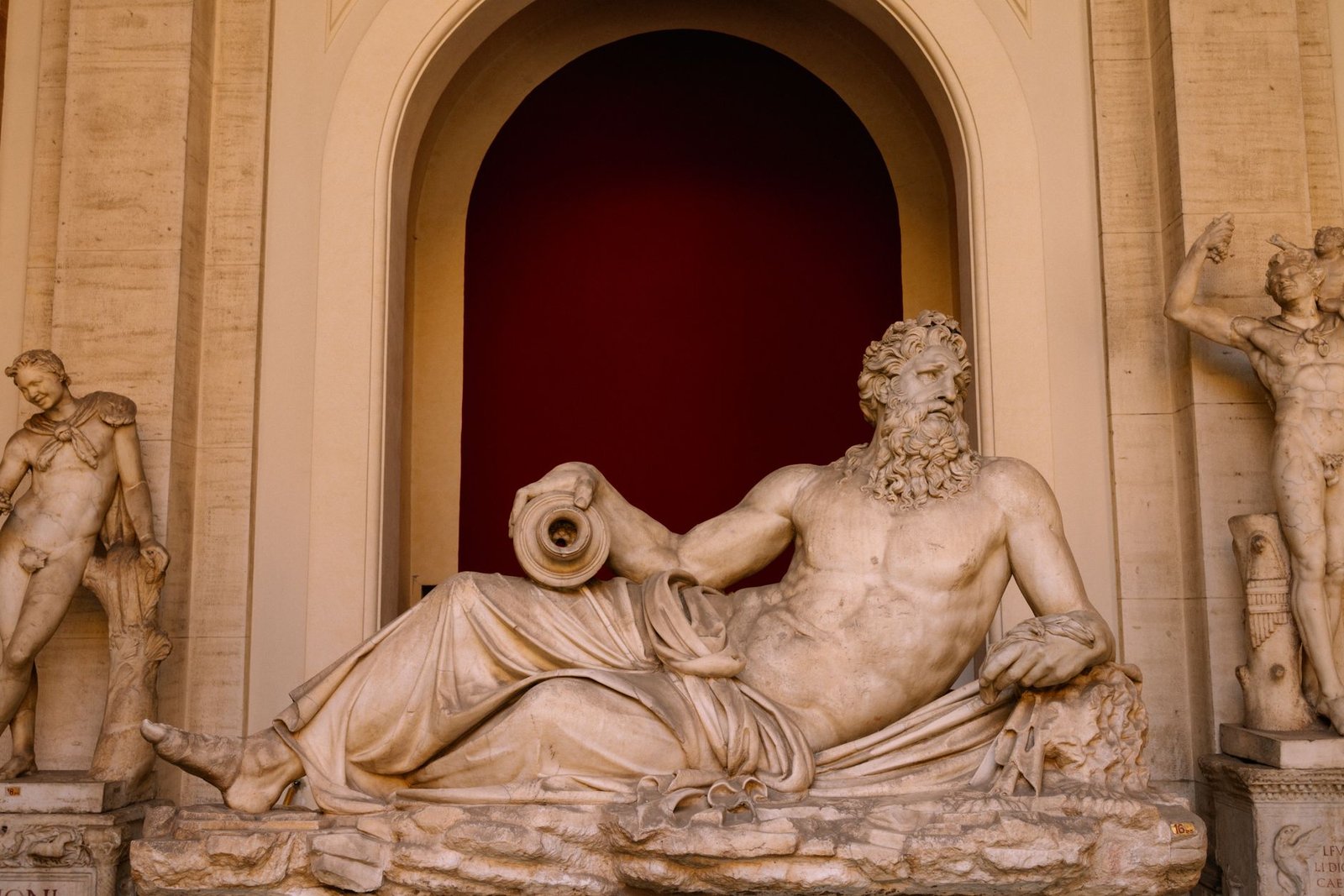
Zeus and Danae: Greek Myth and Perseus’ Birth
Zeus and Danae is a classic Greek myth about prophecy, imprisonment, and divine intervention: Acrisius, fearing an oracle, confines his daughter Danae, only for Zeus to reach her as a shower of gold. Their union leads to the birth of Perseus, a hero whose story reveals how fate, power, and divine will shape ancient myth.
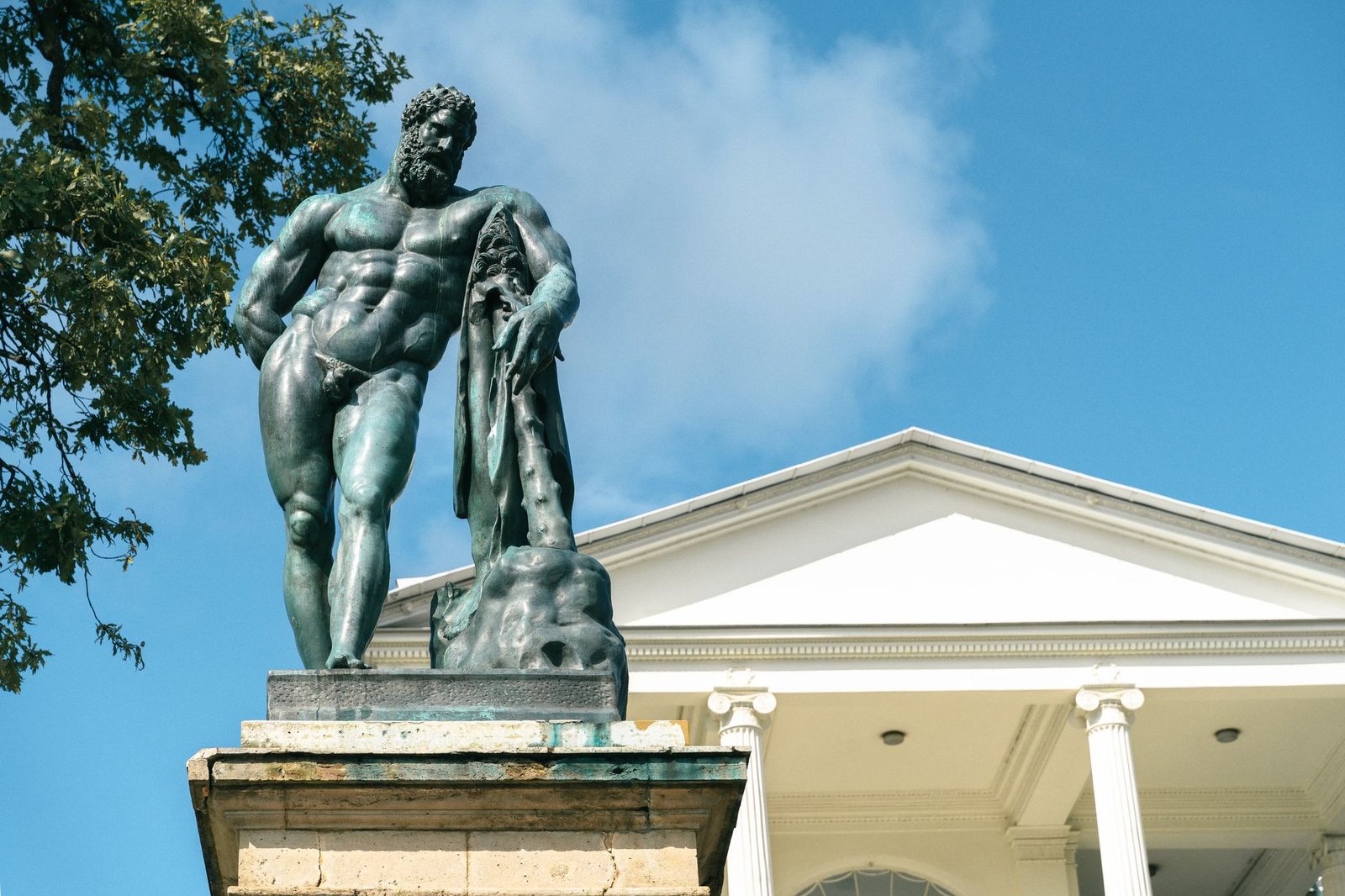
Zeus and Ganymede: Greek Mythology Story and Meaning
Zeus and Ganymede is one of Greek mythology’s most enduring stories, centered on the abduction of a beautiful Trojan youth by Zeus, who brings him to Olympus as cupbearer to the gods. Beyond its dramatic narrative, the myth reveals ancient ideas about divine favor, immortality, royal compensation, and the cultural meaning of beauty—details that make its many versions especially intriguing.
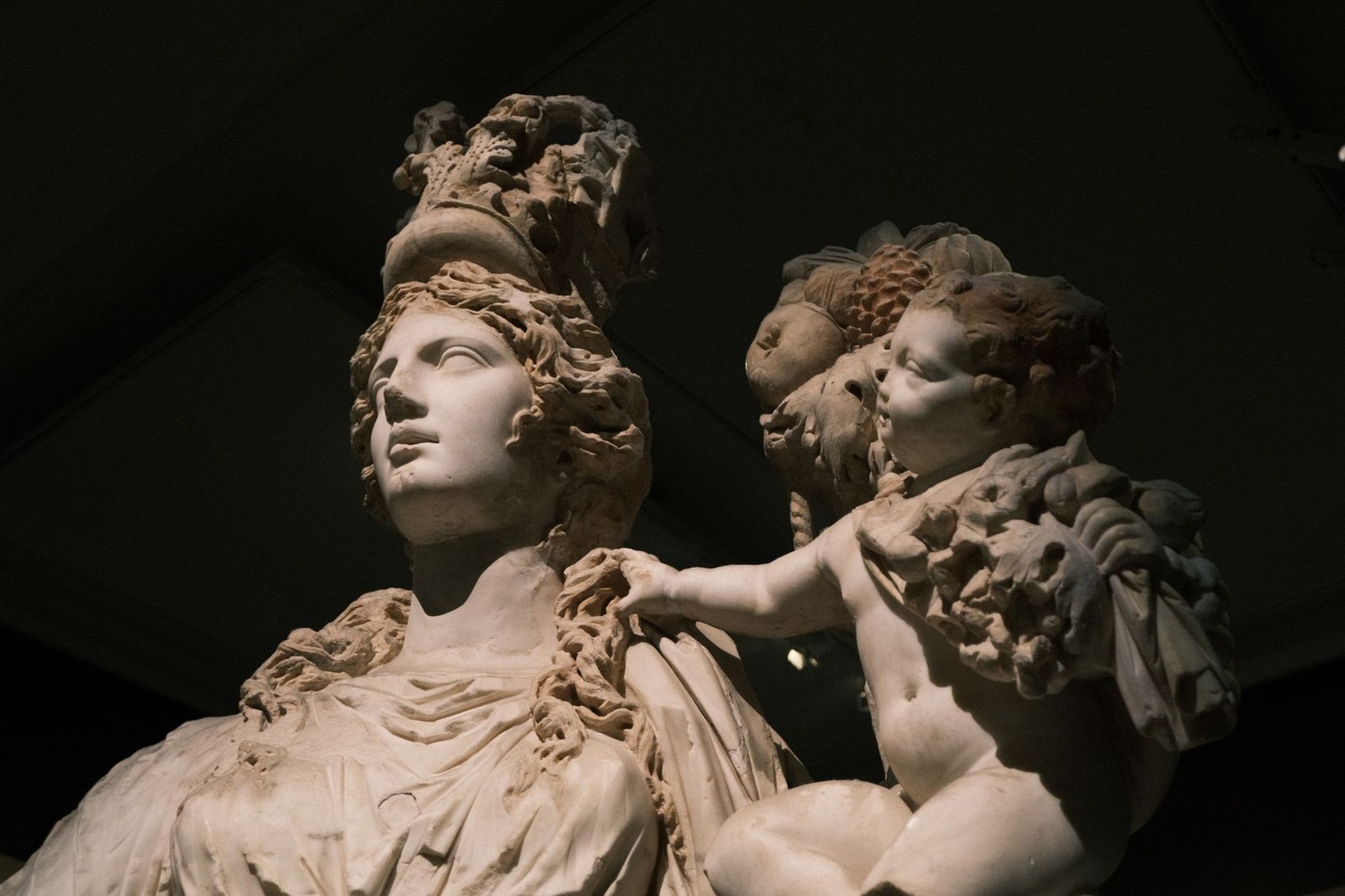
Zeus and Callisto in Greek Mythology: Story and Meaning
The myth of Zeus and Callisto recounts how Zeus pursued the companion of Artemis, who was transformed into a bear and later linked with her son Arcas in the heavens. Preserved in Greek and Roman sources, this tale explains the constellations Ursa Major and Ursa Minor while revealing ancient ideas about divine power, metamorphosis, and fate.