Zeus
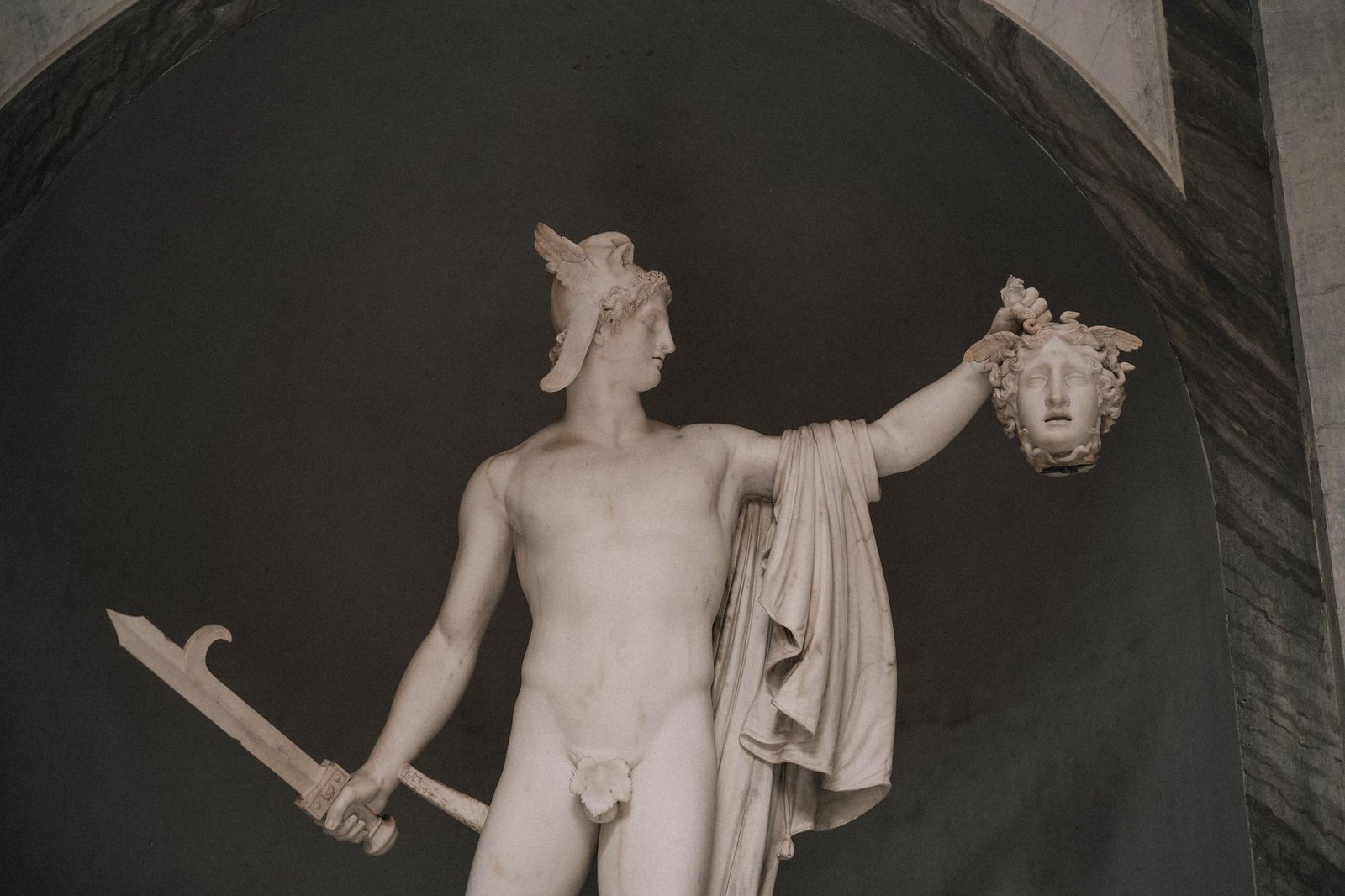
Aegis: Meaning, History, and Symbolism
The aegis is a defining symbol of Greek mythology, most closely linked to Zeus and Athena as a divine shield, cloak, or breastplate that inspires awe, fear, and protection. Its shifting descriptions in ancient sources reveal a complex history, while its later use in English continues to evoke authority, guardianship, and power.

Zeus’s Thunderbolt: Mythology, Meaning, and Origins
Zeuss Thunderbolt is one of the most enduring symbols in Greek mythology, embodying not only the king of the gods’ destructive weapon but also his authority over cosmos, justice, and legitimate rule. Tracing its origins in ancient literature and art reveals how this emblem of divine power shaped religious belief, political imagery, and later cultural traditions across the Mediterranean and beyond.

Zeus’s Eagle: Symbolism, Mythology, and Meaning
Zeuss Eagle stands at the center of Greek myth as a sacred emblem of the king of the gods, embodying sovereignty, speed, and divine authority. Tracing its origins, meanings, and enduring political symbolism reveals how this powerful bird came to represent not only Zeus’s will, but also the wider language of kingship in the ancient world.
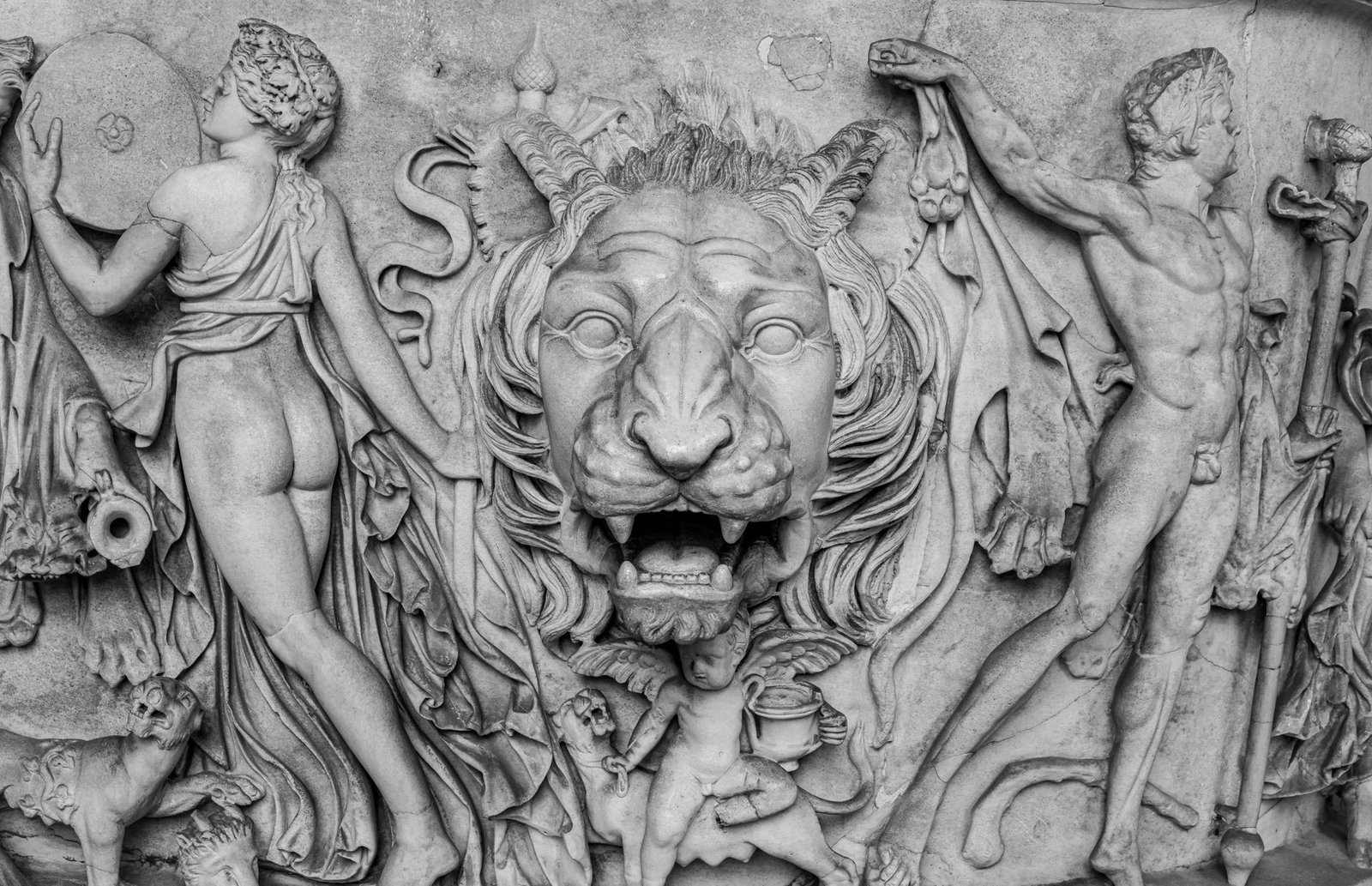
Pandora’s Box: Meaning, Origin, and Myth Explained
Pandoras Box is a foundational Greek myth in which a forbidden opening releases suffering into the world, leaving only Hope behind. From its ancient jar in Hesiod to its later transformation into a modern idiom, the story reveals how a single act can reshape human understanding across literature, philosophy, and culture.

Nectar and Ambrosia: Meaning, Origins, and Mythology
Nectar and ambrosia are among the most enduring symbols of Greek mythology, representing the food and drink reserved for the gods and the sharp divide between mortal and divine life. Their shifting meanings in ancient sources, along with their rich literary associations with immortality, luxury, and sacred privilege, reveal why these terms continue to fascinate readers.
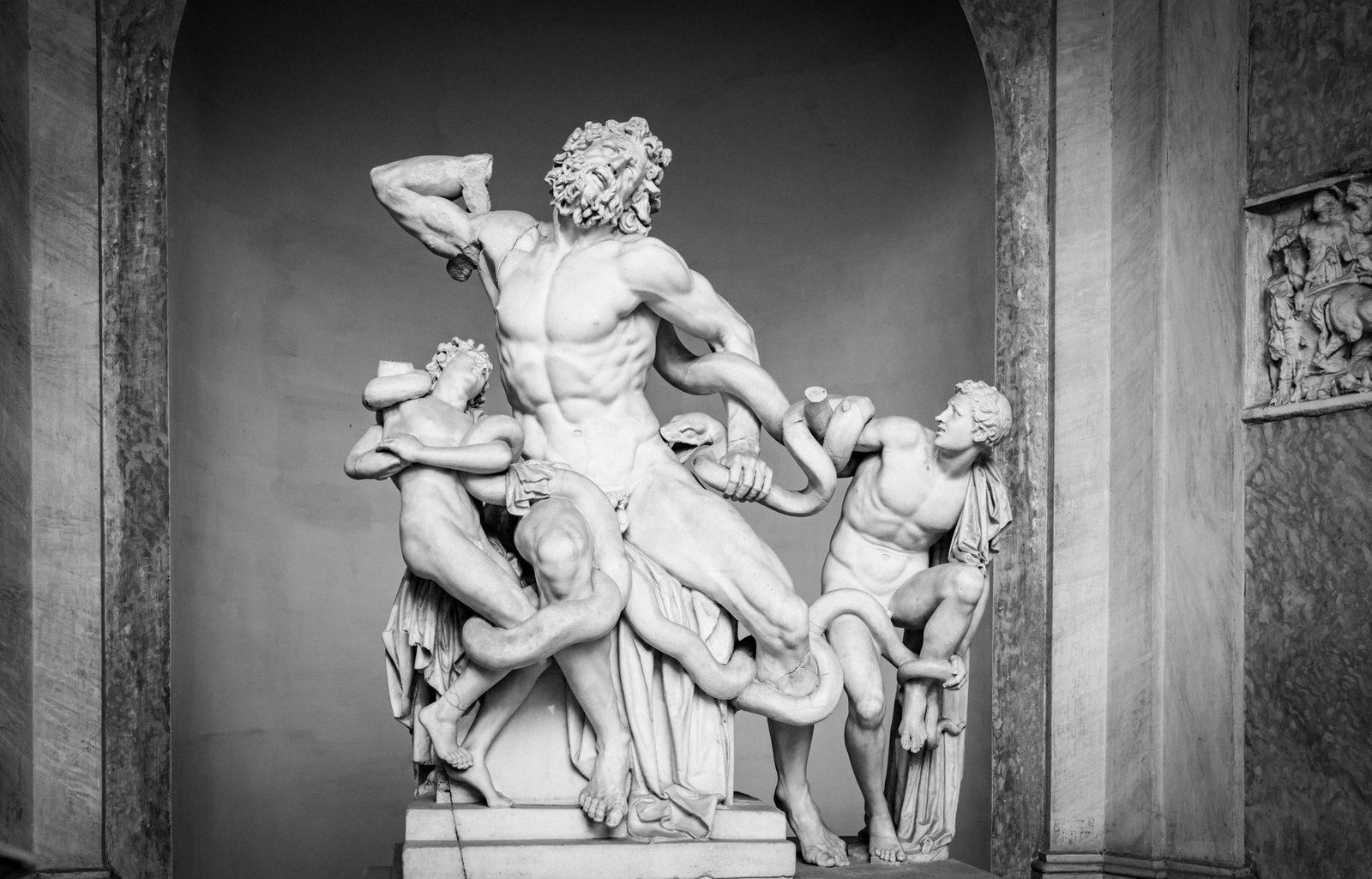
Typhon: Greek Mythology’s Monster of Chaos
Typhon is a central figure in Greek mythology, remembered as a terrifying embodiment of chaos, fire, and rebellion against divine order. This excerpt traces his uncertain origins, shifting ancient descriptions, and lasting influence on later literature and art, revealing why Typhon remains one of antiquity’s most enduring monsters.
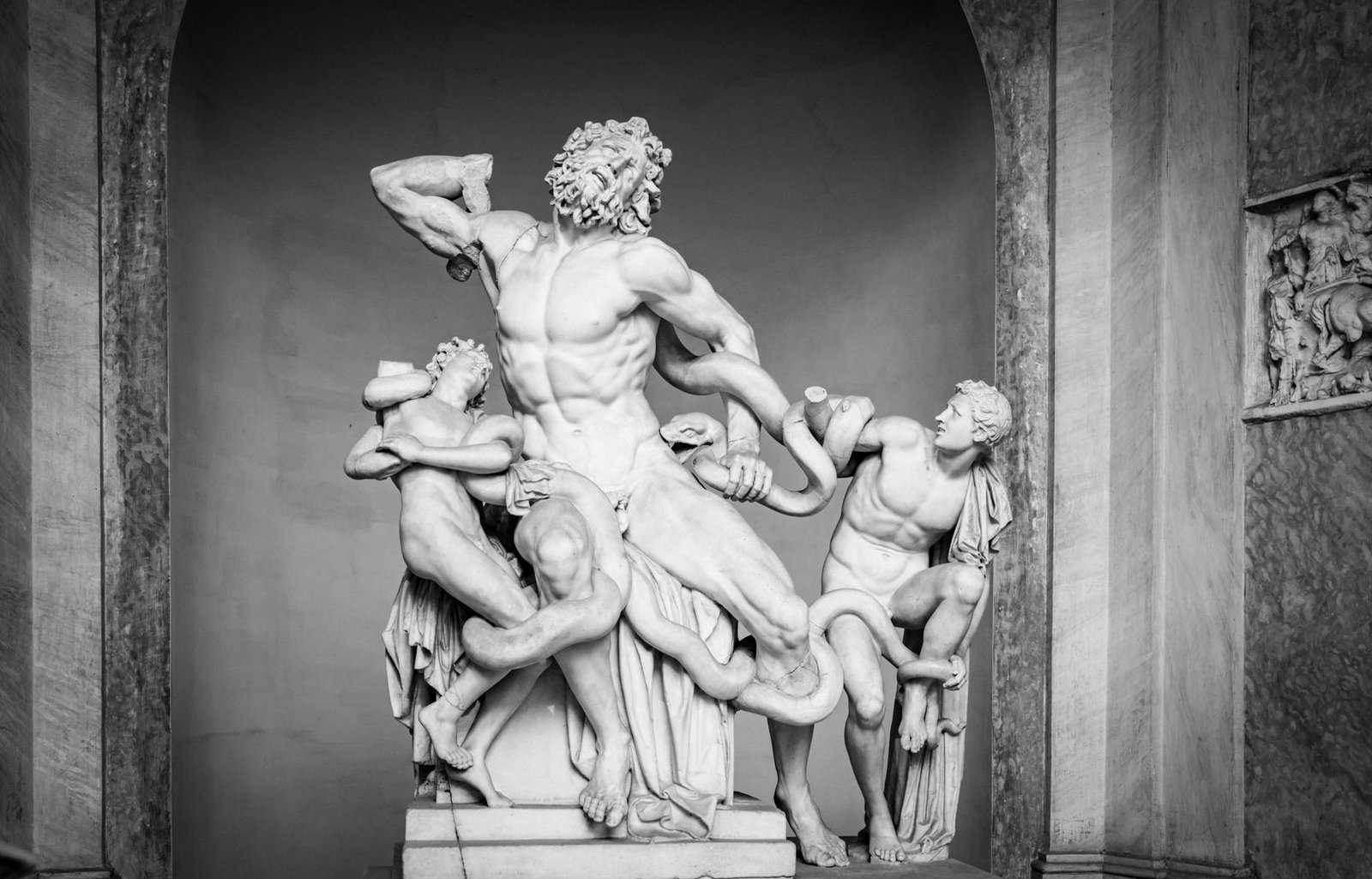
Cronus Swallowing His Children in Greek Mythology
Cronus swallowing his children is a central episode in Greek mythology, depicting the Titan’s desperate attempt to prevent a prophecy of overthrow by consuming each newborn child. The story, preserved in Hesiod’s *Theogony*, reveals themes of power, succession, and fate, while setting the stage for Zeus’s survival and Cronus’s eventual defeat.

Birth of Zeus in the Cretan Cave: Greek Mythology
The birth of Zeus in the Cretan cave is a foundational Greek myth that explains how the future king of the gods was hidden on Crete to escape Cronus and grow in secret. Exploring its Cretan settings, ancient sources, and religious meanings reveals why this story remained central to ideas of divine power, succession, and sacred landscape.
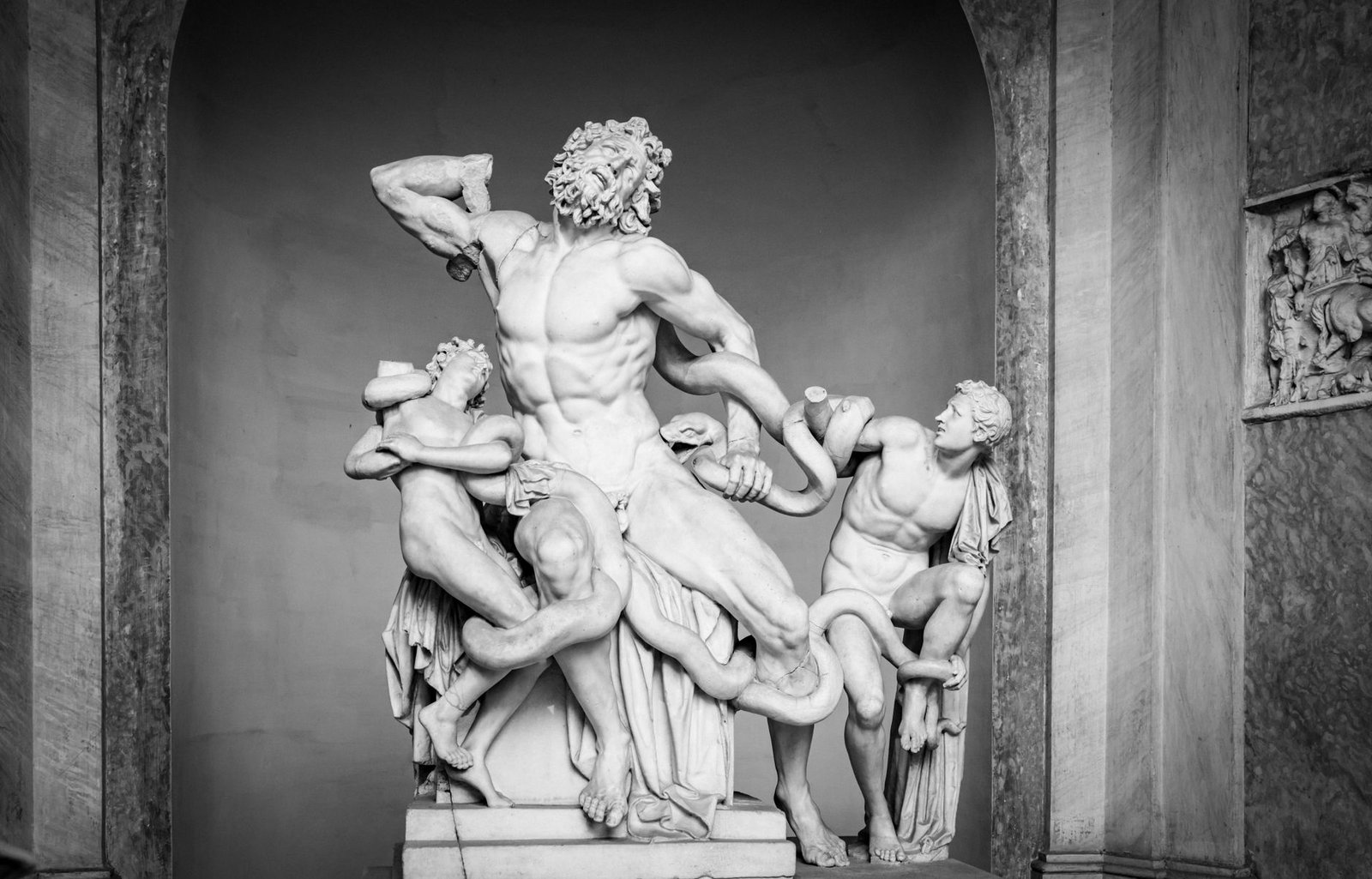
Titanomachy: Greek Mythology’s War of the Titans
Titanomachy is the legendary Greek mythic war in which Zeus and the younger Olympian gods overthrew the Titans, ending an older divine order and establishing cosmic rule. This article explores its origins, meaning, and cultural legacy, showing how the conflict became a foundational story of succession, sovereignty, and the shaping of the Greek universe.

Prometheus and the Theft of Fire: Greek Myth Explained
Prometheus and the theft of fire is a foundational Greek myth about a Titan who defied Zeus by giving fire to humanity, symbolizing knowledge, civilization, and the rise of human creativity. This excerpt explores the myth’s origins, its meaning in ancient thought, and the lasting cultural influence of a figure remembered as both benefactor and punished rebel.