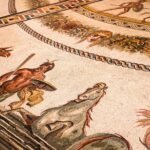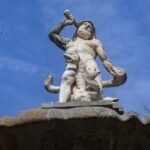
Fauns vs Satyrs
Introduction

The comparison between fauns vs satyrs is a common point of interest in the study of Greco-Roman mythology. Both are rustic, woodland beings associated with fertility, music, wine, and untamed nature. Both are usually depicted as part-human and part-animal, and both appear in art and literature as companions of gods linked to the countryside and ecstatic revelry.
Yet fauns and satyrs are not identical. In ancient sources, satyrs belong primarily to Greek mythology and are closely associated with Dionysus, while fauns are Roman woodland deities connected to Faunus and, in later usage, were often identified with satyrs. Over time, literary and artistic traditions blurred the distinction, especially in Roman and later European culture. Understanding the differences between them helps clarify how ancient peoples imagined nature, sexuality, and divine wildness.
Origin and Meaning
The word satyr comes from Greek satyros (σάτυρος). The exact etymology is uncertain. Ancient writers and modern scholars have proposed various explanations, but no single derivation is universally accepted. In Greek tradition, satyrs are rustic spirits or minor divine beings linked to the wild, often depicted with horse-like traits in early art and later with goat-like features.
The term faun comes from Latin faunus, associated with the Roman rural deity Faunus, a god of forests, fields, and prophecy. The plural form, fauni, refers to a group of similar rustic spirits. In later Latin literature, fauns increasingly came to resemble or replace Greek satyrs in description and imagery.
A useful summary is:
| Term | Tradition | Core Association | Typical Identity |
|---|---|---|---|
| Satyr | Greek | Dionysus, wine, revelry, wild nature | Rustic male spirit, often goat-like in later art |
| Faun | Roman | Faunus, fields, forests, prophecy | Rustic male spirit, often identified with satyrs |
Historical Context
Greek Background
Satyrs emerged in the Greek mythological imagination as part of the lively and often comic world surrounding Dionysus, the god of wine, theater, and ecstatic experience. They appear in vase painting, sculpture, and drama from early periods of Greek art, especially in scenes of dancing, drinking, music, and pursuit of nymphs.
In Greek religion and literature, satyrs do not form a rigidly organized divine family. Instead, they are a loose class of beings associated with the margins of civilization. They inhabit forests, mountains, and rural landscapes, where they represent unchecked vitality, fertility, and instinct.
Roman Background
Roman religion included several rustic and nature-related deities, among them Faunus, Silvanus, and various local spirits of field and wood. In Roman literature, particularly under Greek influence, fauns became increasingly merged with the Greek concept of satyrs. By the time of authors such as Virgil and Ovid, distinctions were often literary rather than strictly religious.
This blending is important because the Roman world did not simply copy Greek mythology. It adapted it, renamed it, and absorbed it into its own religious and poetic framework. As a result, the faun became a Romanized version of a wild woodland spirit, while the satyr remained the more explicitly Greek figure.
Main Characteristics
Satyrs and fauns share many traits, but there are notable differences in emphasis.
Common Traits
Both are commonly described as:
- male
- rustic or woodland beings
- associated with fertility and sexuality
- fond of music, dancing, and wine
- companions of divine figures such as Dionysus or Faunus
- connected to untamed, liminal spaces outside city life
Satyr Characteristics
Satyrs are usually portrayed as:
- energetic and lustful
- mischievous or comic
- fond of aulos music, dance, and revelry
- eager pursuers of nymphs
- beings of excess, embodying instinct and appetite
In early Greek art, satyrs could appear with horse-like features, such as equine ears, tails, and bodily shape. Later, especially under the influence of Roman and Hellenistic art, they often acquired goat-like traits, including pointed ears, small horns, and shaggy legs.
Faun Characteristics
Fauns are usually portrayed as:
- gentle or playful woodland beings
- rustic spirits of the Roman countryside
- linked to divination and natural prophecy through Faunus
- similar to satyrs in later Roman and post-Roman art
In popular imagination, fauns often appear more benign than satyrs. This difference is partly due to later artistic convention rather than a strict ancient division. Modern fantasy literature, for example, frequently depicts fauns as friendly and benevolent, while satyrs are more likely to be wild and sensual.
Family and Genealogy
Satyrs
The genealogy of satyrs is not fixed in ancient sources. They are often presented as a collective group rather than a single family.
Different traditions describe them as:
- sons of Hermes and a nymph
- offspring of Pan
- companions or descendants of lesser rural divinities
Because satyrs are a class of beings, individual parentage is rarely consistent across sources. Some named satyrs appear in myth, but many remain anonymous or interchangeable.
Fauns
Fauns are similarly fluid in genealogy. In Roman tradition, Faunus himself is a god of rural places and prophecy, sometimes linked with Italian myths and local cults. The fauni can be understood as his companions or associated spirits. They are not always presented as literal children of Faunus, but as beings of the same category.
In later literature, fauns and satyrs are often treated as if they were kin or equivalent species. Ancient sources do not always support such a tidy classification.
Relationships and Associations
Both groups are commonly connected with:
- nymphs, often as objects of pursuit
- Dionysus/Bacchus, especially for satyrs
- Pan, in Greek rustic mythology
- Faunus, in Roman rustic mythology
Symbols
Satyrs and fauns are associated with symbols that reflect their wild, fertile, and ecstatic nature.
Common Symbols
| Symbol | Meaning |
|---|---|
| Wine cup | Intoxication, revelry, Dionysian ecstasy |
| Pipes or reed flute | Music, rustic delight, improvisation |
| Thyrsus | Fertility, religious ecstasy, Dionysian power |
| Animal ears/horns | Connection to nature and animal instinct |
| Vine leaves and ivy | Dionysus, wine, ritual celebration |
Faun-Specific Associations
Fauns in Roman and later European traditions are often linked with:
- the forest
- pastoral abundance
- prophecy and sudden divine warning
- tranquility and rustic peace
Satyr-Specific Associations
Satyrs are more closely tied to:
- wine
- theatrical performance
- sexual pursuit
- comedic excess
Sacred Animals
Satyrs and fauns are not associated with a single sacred animal in the way that some gods are, but several animals are symbolically connected to them.
Goat
The goat is the most familiar animal associated with both. Goats symbolize:
- fertility
- vitality
- untamed sexuality
- rustic life
The modern visual image of satyrs and fauns as goat-legged beings largely comes from later artistic tradition.
Horse
In earlier Greek representations, satyrs could be linked to the horse, especially in archaic imagery. Horse imagery reflects:
- wildness
- masculine vigor
- instability and movement
Deer and other woodland animals
As forest spirits, fauns and satyrs are also associated broadly with woodland creatures such as deer, hares, and birds, though these are not always central symbols in ancient texts.
Sacred Plants
The plant world is important in the imagery surrounding satyrs and fauns, particularly because both are linked to fertility, wine, and the untamed countryside.
Vine and Grapevine
The vine is the most important plant associated with satyrs, through their close relation to Dionysus. It signifies:
- wine
- celebration
- sacred intoxication
- transformation
Ivy
Ivy is another Dionysian plant frequently connected with satyrs and their festive world. It suggests:
- ritual ecstasy
- divine possession
- protection and vitality
Reed and Pine
Reed and pine can appear in rustic contexts, especially in connection with shepherds, pipes, and wooded terrain. They reinforce the pastoral setting of these beings.
Forest Plants in Roman Tradition
For fauns, the sacred plant world is broader and more local, including:
- woodland trees
- field grasses
- wild herbs
In Roman religion, such plants belong to the sacred landscape of rural divinity rather than a single fixed cult.
Sacred Places
Satyrs and fauns are not usually tied to major temples in the way Olympian deities are. Their geography is instead rural, marginal, and natural.
Common Sacred or Symbolic Places
- Forests
- Mountain slopes
- Caves
- Pastures
- Riverbanks
- Grottoes
These are places where the boundary between civilization and wilderness becomes thin.
Greek Settings
Satyrs are strongly associated with:
- the landscapes surrounding Mount Olympus
- the countryside of Greece
- Dionysian ritual spaces and theaters
Roman Settings
Fauns are linked to:
- Italian woods and fields
- rural sanctuaries
- places of prophecy and spring worship
Faunus himself is connected in Roman tradition with the countryside and, in some accounts, with ancient prophetic sites. The cultic geography is less centralized than that of major gods.
Powers and Attributes
Satyrs
Satyrs are associated with:
- fertility
- music and dance
- intoxication
- erotic desire
- comic disruption
- ecstatic religious experience
They are not usually portrayed as powerful in a political or cosmic sense. Their influence lies in atmosphere and behavior: they embody the release of instinct.
Fauns
Fauns share many of these attributes but are more specifically associated with:
- rustic prosperity
- natural fertility
- protection of the countryside
- prophecy or warning in connection with Faunus
Roman Faunus was sometimes believed to communicate through dreams or oracles, which gives the faun tradition a more divinatory aspect than the satyr tradition.
Main Myths
Satyrs in Myth
Satyrs appear in many Greek myths, though often in supporting roles rather than as central protagonists.
Common mythic themes include:
- pursuing nymphs
- drinking and reveling with Dionysus
- taking part in rural festivals
- comic interaction with heroes and gods
A famous mythic type involves the satyr’s failed pursuit of a nymph, a recurring motif in Greek art and literature. Satyrs are also prominent in satyr plays, a genre of drama performed in connection with tragedies. These plays used satyric figures to add comedy, noise, and bodily humor.
The Myth of Marsyas
While Marsyas is not a satyr in every source, he is often grouped with satyric or rustic musical figures. He is a key figure in stories about rivalry with Apollo and the dangers of musical hubris. This myth belongs more to the wider satyric sphere than to a strict satyr genealogy.
Fauns in Myth
Fauns appear less often in narrative myth than satyrs. Roman authors usually present them as part of the rural divine landscape. The most famous figure is Faunus, who sometimes functions as:
- a prophetic god
- a pastoral deity
- a divine ancestor or protector of the countryside
Some Roman stories connect Faunus with oracles and rustic warnings. However, detailed narrative cycles involving fauns are less developed than those of Greek satyrs.
Relationship with Other Mythological Figures
Dionysus and Bacchus
Satyrs are most closely tied to Dionysus in Greek mythology and to Bacchus in Roman adaptation. They are part of his ecstatic entourage, along with:
- maenads
- sileni
- nymphs
Pan
Pan is another major rustic figure with overlapping qualities. He is a goat-footed pastoral god, and in later art he is sometimes visually similar to fauns and satyrs. However, Pan is a distinct deity, not merely another name for either group.
Nymphs
Both satyrs and fauns are frequently associated with nymphs, especially in stories of pursuit, seduction, or woodland encounter. This relationship often emphasizes the contrast between wild male desire and feminine natural beauty.
Silenus and Sileni
The sileni are related rustic beings often depicted as older, wiser, or more drunken companions of Dionysus. In art and literature, sileni and satyrs can overlap, though some traditions keep them separate.
Human Heroes
Satyrs sometimes appear opposite heroes in comic or cautionary contexts, while fauns more often remain part of pastoral or religious landscapes. Their interactions with human figures usually emphasize the boundary between civilization and nature.
Worship and Cult
Satyrs
Satyrs were not generally worshiped as major cult deities in the way that Olympian gods were. Their role was more mythic, artistic, and dramatic. They appear in:
- Dionysian festivals
- theatrical performances
- vase painting
- ritualized celebrations of fertility and wine
The satyr play is especially important. In classical Athens, a satyr play was performed after a sequence of tragedies, using satyr choruses, comic language, and mythic parody.
Fauns
Fauns, especially through Faunus, had a clearer place in Roman religion. Faunus was honored as a rustic god connected with:
- fields and forests
- livestock
- fertility
- prophecy
Roman sources indicate festival observances associated with Faunus, including the Lupercalia in later interpretive traditions, though the relationship between Faunus and the Lupercalia is complex and not described identically by all ancient writers. Some ancient authors link Faunus with protective and fertility rites in the countryside.
Offerings and Rituals
Offerings for rustic spirits could include:
- wine
- milk
- first fruits
- garlands
- agricultural produce
These practices reflected gratitude for fertility, protection, and abundance.
Ancient Sources
Several classical authors mention satyrs, fauns, or related figures.
Greek Sources
- Homer: does not focus on satyrs in the same way later writers do, but he belongs to the broader mythic background of Greek divine and heroic culture.
- Hesiod: provides important context for divine genealogies, though satyrs are not a central focus.
- Pindar and Athenian drama: important for Dionysian and theatrical contexts.
- Aristophanes: useful for comic and satirical atmospheres close to the satyric world.
- Apollodorus: a major source for mythic summaries.
- Pausanias: valuable for local cult, religious customs, and geographical traditions.
Roman Sources
- Virgil: presents rustic beings in pastoral and epic contexts.
- Ovid: especially important for transformations, woodland spirits, and Roman literary adaptation.
- Varro: useful for Roman religious antiquity.
- Servius: a later commentator who preserves interpretive traditions.
These sources do not always agree. Ancient evidence often reflects literary style, local cult, and later reinterpretation rather than a single fixed doctrine.
Roman Equivalent
The Roman equivalent of a satyr is often considered the faun, though the relationship is not exact.
Key Point
- Satyr is primarily the Greek term.
- Faun is the Roman term most often used as a counterpart.
- In later Latin and European tradition, the two figures were frequently merged.
Difference in Emphasis
Roman fauns tend to appear:
- more pastoral
- more connected to local Italian religion
- somewhat less overtly comic or sexually aggressive in some literary presentations
However, this distinction is not absolute. Roman authors frequently adapted Greek satyric imagery, so a faun in Roman art may look very much like a satyr.
Influence on Modern Culture
The image of fauns and satyrs has had a major effect on modern literature, fantasy, and visual art.
Literature
- C. S. Lewis famously used a faun-like figure, Mr. Tumnus, in The Chronicles of Narnia, helping popularize the modern, gentle faun.
- Modern fantasy frequently distinguishes fauns as benevolent woodland beings and satyrs as more wild, erotic, or mischievous figures.
Art
Renaissance and neoclassical artists revived satyrs and fauns as subjects for:
- pastoral scenes
- mythological paintings
- decorative sculpture
In this period, the distinction between the two became even more fluid.
Cinema and Television
Film and television often depict:
- fauns as wise or magical forest creatures
- satyrs as comic, lustful, or Dionysian figures
These portrayals are usually modern inventions or adaptations rather than strict reproductions of ancient belief.
Games and Popular Culture
Role-playing games and fantasy media regularly use both figures, often with simplified differences:
- fauns: peaceful, nature-aligned beings
- satyrs: chaotic, playful, or sensual beings
This modern split is convenient but does not always match ancient usage.
Curiosities
- The word “satirical” is not etymologically related to satyrs, even though the resemblance is suggestive.
- In ancient art, satyrs could look different depending on period and region: some were horse-like, others goat-like.
- The modern image of fauns as kind and musical is largely shaped by later literature, not by a strict ancient Roman doctrine.
- Satyr plays were a distinctive Greek theatrical genre that combined myth, parody, and rustic humor.
- Ancient sources do not present one universal “faun vs satyr” rule; the distinction is often a matter of language, region, and later interpretation.
- Both figures reflect a common ancient interest in the boundary between civilization and the wild.
Frequently Asked Questions
1. Are fauns and satyrs the same thing?
Not exactly. Satyrs are Greek mythological beings, while fauns are the Roman counterpart most often associated with them. In later tradition, the two are frequently treated as equivalent.
2. What is the main difference between a faun and a satyr?
The main difference is cultural origin. Satyrs belong to Greek mythology and are tied closely to Dionysus, while fauns belong to Roman tradition and are associated with Faunus. Their later depictions often overlap.
3. Why do fauns and satyrs have goat legs in modern art?
The goat-legged image became dominant in later artistic tradition. Earlier Greek depictions of satyrs could be horse-like rather than goat-like. Modern fantasy simplified and standardized the visual form.
4. Were satyrs worshiped as gods?
Usually, no. Satyrs were more like mythic companions, spirits, or minor divine beings than major gods. They were important in ritual performance and art, especially in Dionysian contexts.
5. Was Faunus a god?
Yes. In Roman religion, Faunus was a rustic god associated with forests, fields, fertility, and sometimes prophecy. Fauns are related to him in name and concept.
6. Do ancient sources always distinguish fauns from satyrs?
No. Ancient and later sources often blur the line. Some Roman writers used Greek-style imagery for fauns, and later European tradition merged the figures even more strongly.
7. What do satyrs symbolize?
Satyrs symbolize untamed nature, fertility, masculine desire, music, wine, and the release of social restraint. They often embody the irrational or instinctive side of human life.
8. What do fauns symbolize?
Fauns symbolize the rural world, the forest, fertility, and a closer connection to the pastoral landscape. In Roman tradition, they can also suggest divinatory or protective power.
Conclusion
The comparison of fauns vs satyrs reveals both the continuity and diversity of ancient Mediterranean mythology. Satyrs originated in Greek religious and literary culture as exuberant companions of Dionysus, while fauns developed in Roman tradition around Faunus and the sacred rural landscape. Over time, the two became closely associated and often indistinguishable in art and literature.
Their enduring appeal lies in what they represent: the tension between order and instinct, city and wilderness, human restraint and natural abundance. Whether seen as comic figures, fertility spirits, or symbols of wild freedom, fauns and satyrs remain among the most recognizable beings of classical mythology and continue to shape modern imagination.

Orin Vale has spent the better part of two decades tracing the threads that connect the world’s oldest stories — from the halls of Asgard to the banks of the Nile, from Olympus to the jungles of the Maya. What began as a childhood fascination with flood myths and trickster gods grew into years of independent study across comparative mythology and ancient religion, always chasing the same question: what did these stories mean to the people who first told them? Orin writes for readers who want more than trivia — the ones looking for the beliefs, fears, and truths that myths were built to carry.