Celtic Myths & Legends
Pwyll and Rhiannon: Welsh Mythology and Story Summary
Pwyll and Rhiannon are central figures in the First Branch of the *Mabinogi*, where romance, kingship, hospitality, and supernatural testing shape one of the most important tales in Welsh mythology. Their story explores legitimate rule, honor, and the mystery of the Otherworld, while inviting readers to uncover how injustice and identity transform both characters and their legacy.
Branwen and the War with Ireland: Welsh Mythology Story
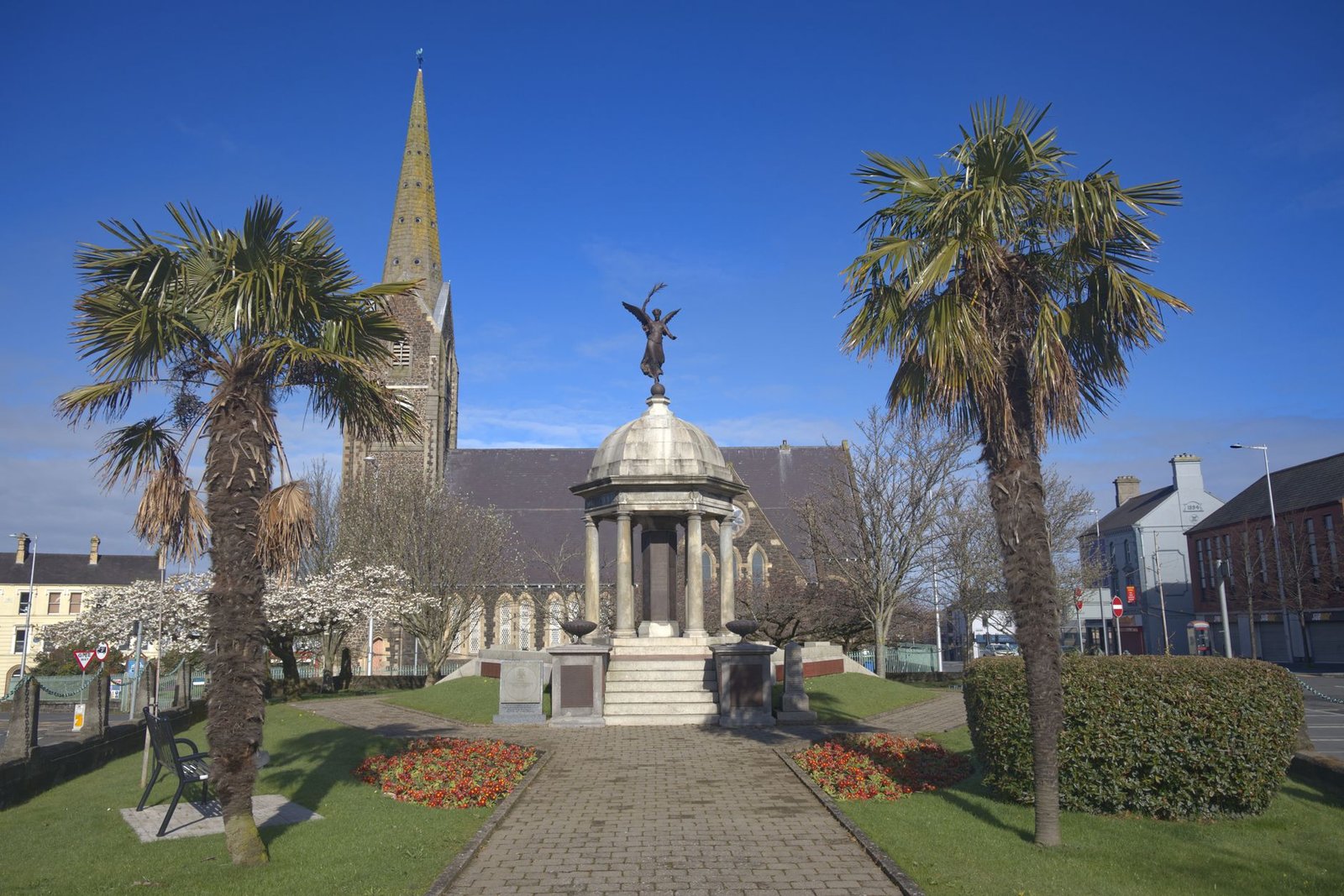
*Branwen and the War with Ireland* is a major episode in the Mabinogion, recounting how a dynastic marriage meant to secure peace instead leads to humiliation, revenge, and devastating warfare. Blending mythic detail with themes of honour, kinship, and sovereignty, the tale offers a vivid window into medieval Welsh imagination and the fragile politics of alliance.
Math Fab Mathonwy: Welsh Mythology Character Overview
Math fab Mathonwy is a central figure in the *Mabinogion*, where his rule over Gwynedd reveals how Welsh tradition linked kingship with magic, justice, and supernatural authority. His story in the Fourth Branch of the Mabinogi intertwines sovereignty, transformation, exile, and conflict, offering a revealing glimpse into medieval Welsh ideas of power and moral order.

Culhwch and Olwen: Welsh Mythological Romance Tale
Culhwch and Olwen is a landmark of early Welsh prose, blending Arthurian tradition, mythology, and comic adventure in one of the oldest surviving narratives about King Arthur. Its account of Culhwch’s near-impossible quest for Olwen reveals a vivid medieval world of supernatural helpers, ancient customs, and the distinctive literary culture of Wales.
Is Cú Chulainn a God or a Hero? Explained
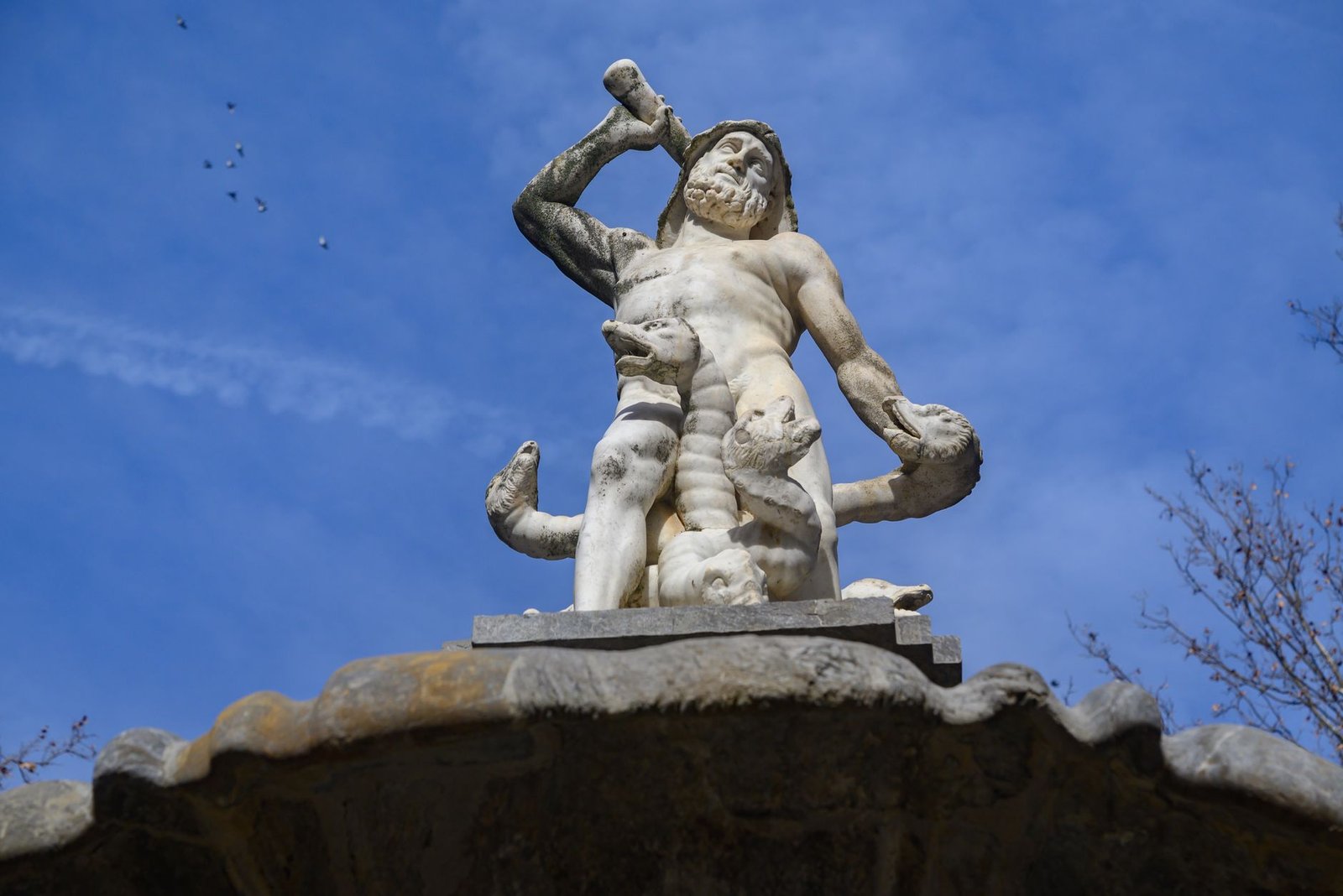
Cú Chulainn a god or a hero is a question that lies at the heart of Irish mythology, where his extraordinary feats, fierce loyalty, and semi-divine aura blur the line between mortal champion and supernatural being. This article examines his origins, symbolic name, and medieval sources to show why he is best understood as a heroic warrior shaped by legend rather than a god in the strict sense.
The Táin Bó Cúailnge: Cattle Raid of Cooley Explained
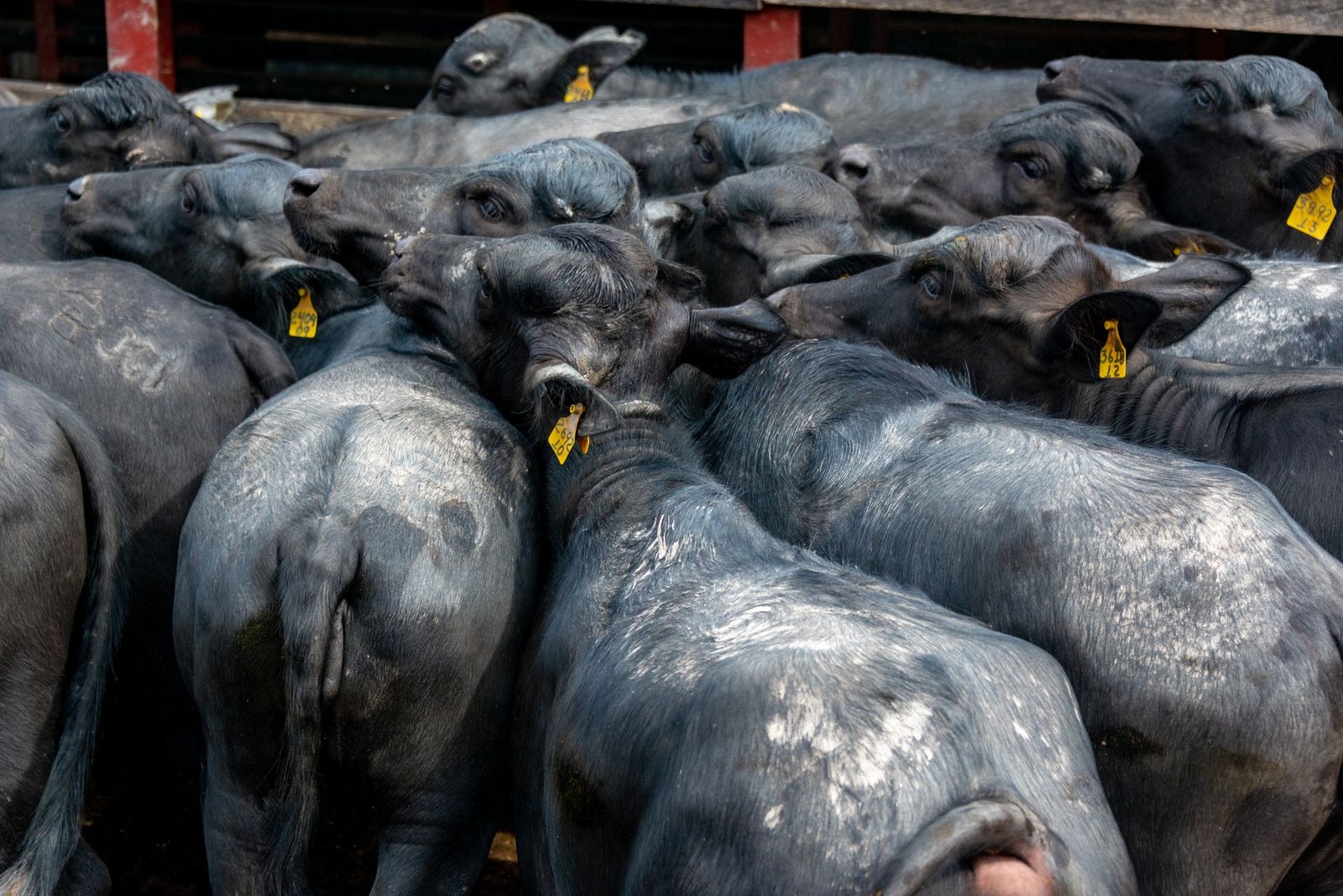
The Táin Bó Cúailnge, or Cattle Raid of Cooley, is the central epic of the Ulster Cycle, recounting Queen Medb’s attempt to seize the famed brown bull of Cooley and the resistance led by Cú Chulainn. This excerpt explores the story’s origins, cultural meaning, and heroic themes, revealing why it remains a cornerstone of early Irish literature.
The Táin Bó Cúailnge: Cattle Raid of Cooley Explained
The Táin Bó Cúailnge, or Cattle Raid of Cooley, is the central epic of the Ulster Cycle, recounting Queen Medb’s attempt to seize the famed brown bull of Cooley and the resistance led by Cú Chulainn. This excerpt explores the story’s origins, cultural meaning, and heroic themes, revealing why it remains a cornerstone of early Irish literature.

The Pursuit of Diarmuid and Gráinne: Irish Mythology
The Pursuit of Diarmuid and Gráinne is a celebrated tale of the Fenian Cycle, in which Gráinne, pledged to Fionn mac Cumhaill, persuades Diarmuid Ua Duibhne to flee with her. Blending romance, taboo, loyalty, and pursuit across Ireland, the story survives in multiple versions and remains central to Irish mythology and literary tradition.
Oisín in Tír na nÓg: Irish Mythology and Legend
Oisín in Tír na nÓg is a central tale of Irish mythology, recounting how the warrior-poet Oisín is taken by Niamh to the timeless Land of Youth. Blending adventure, Otherworld lore, and the tragedy of lost years, the legend reveals why this story remains one of Ireland’s most enduring reflections on memory, mortality, and belonging.
The Wooing of Emer: Irish Mythology and Cú Chulainn
The Wooing of Emer, or Tochmarc Emire, is a central tale of the Ulster Cycle, recounting how Cú Chulainn seeks Emer’s hand through feats, negotiations, and tests of worth. Blending heroic romance with early Irish ideas of honor, marriage, and female agency, the story reveals much about the mythic world behind its surviving medieval texts.