afterlife beliefs
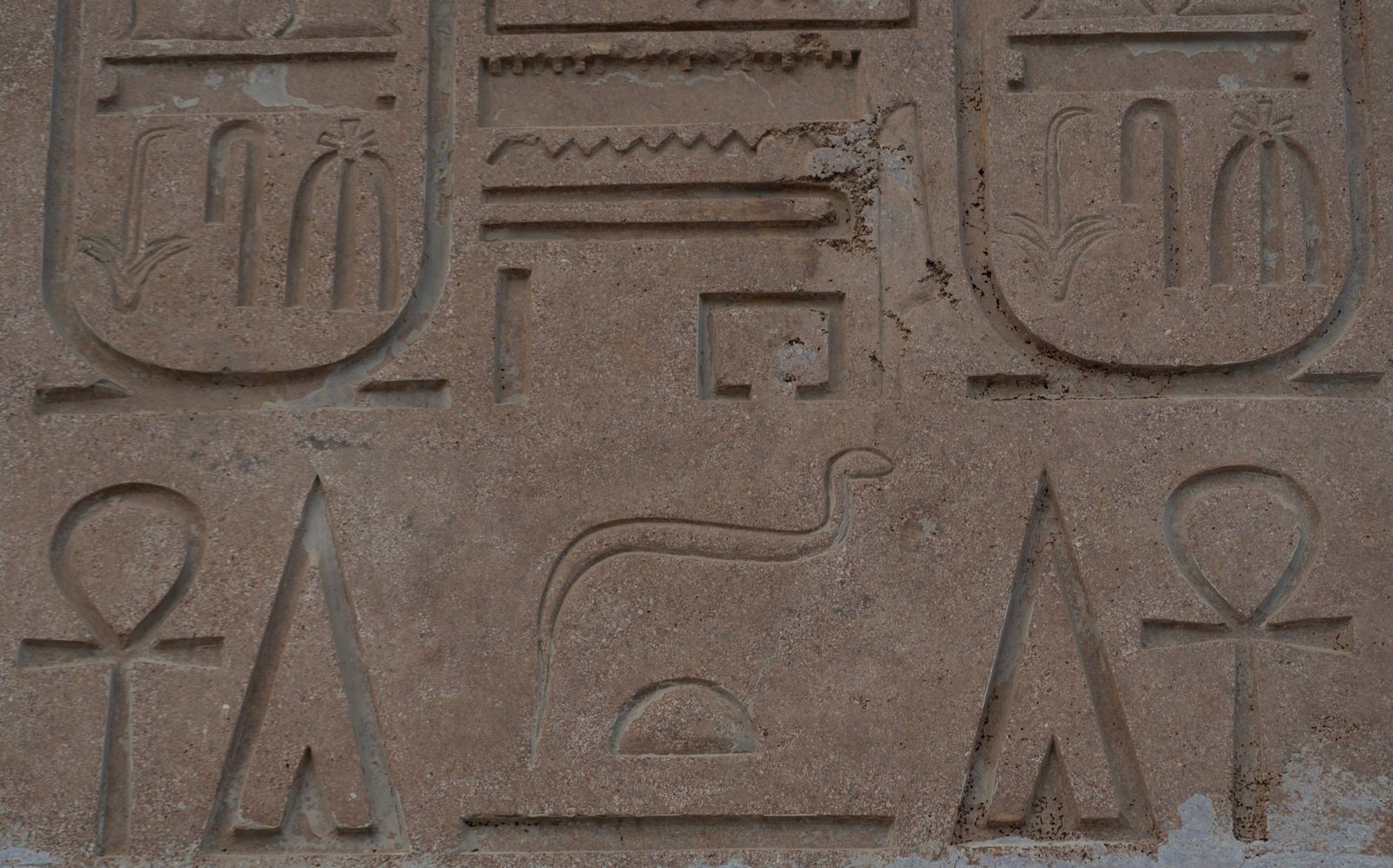
What Does the Ankh Mean in Egyptian Mythology?
The **ankh** is one of ancient Egypt’s most enduring symbols, and in Egyptian mythology it represents life, divine power, and the promise of existence beyond death. This article explores its religious meaning, its use in temple and tomb imagery, and the ways the “key of life” came to embody rebirth, authority, and immortality.
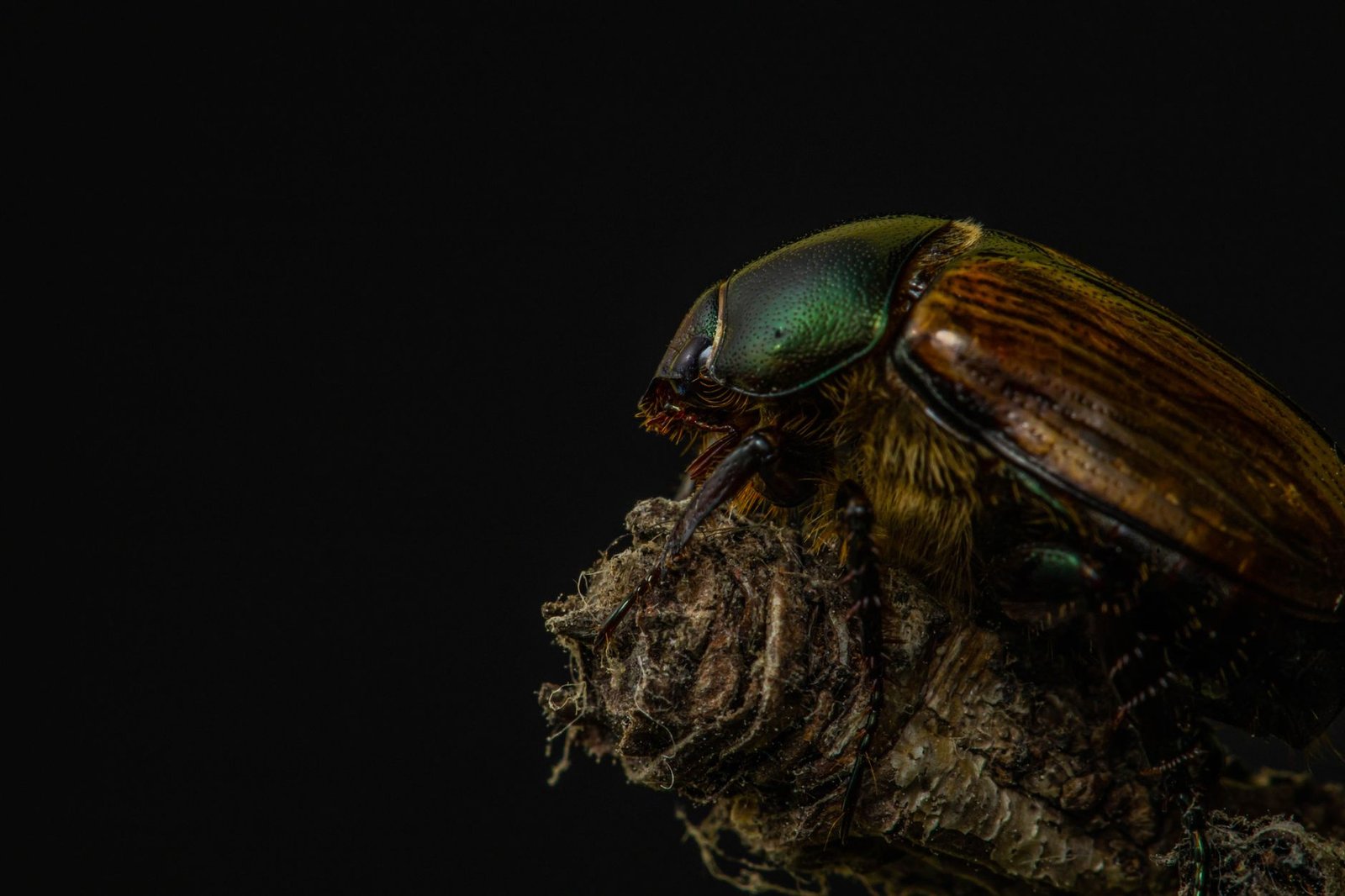
Scarab Beetle Symbolism in Egyptian Mythology Explained
In Egyptian mythology, the scarab beetle symbolizes rebirth, transformation, protection, and the daily renewal of the sun, especially through its link to the god Khepri. This excerpt explores how a simple creature became a powerful emblem of creation, the afterlife, and divine order, revealing why its image endured across temples, tombs, and amulets.
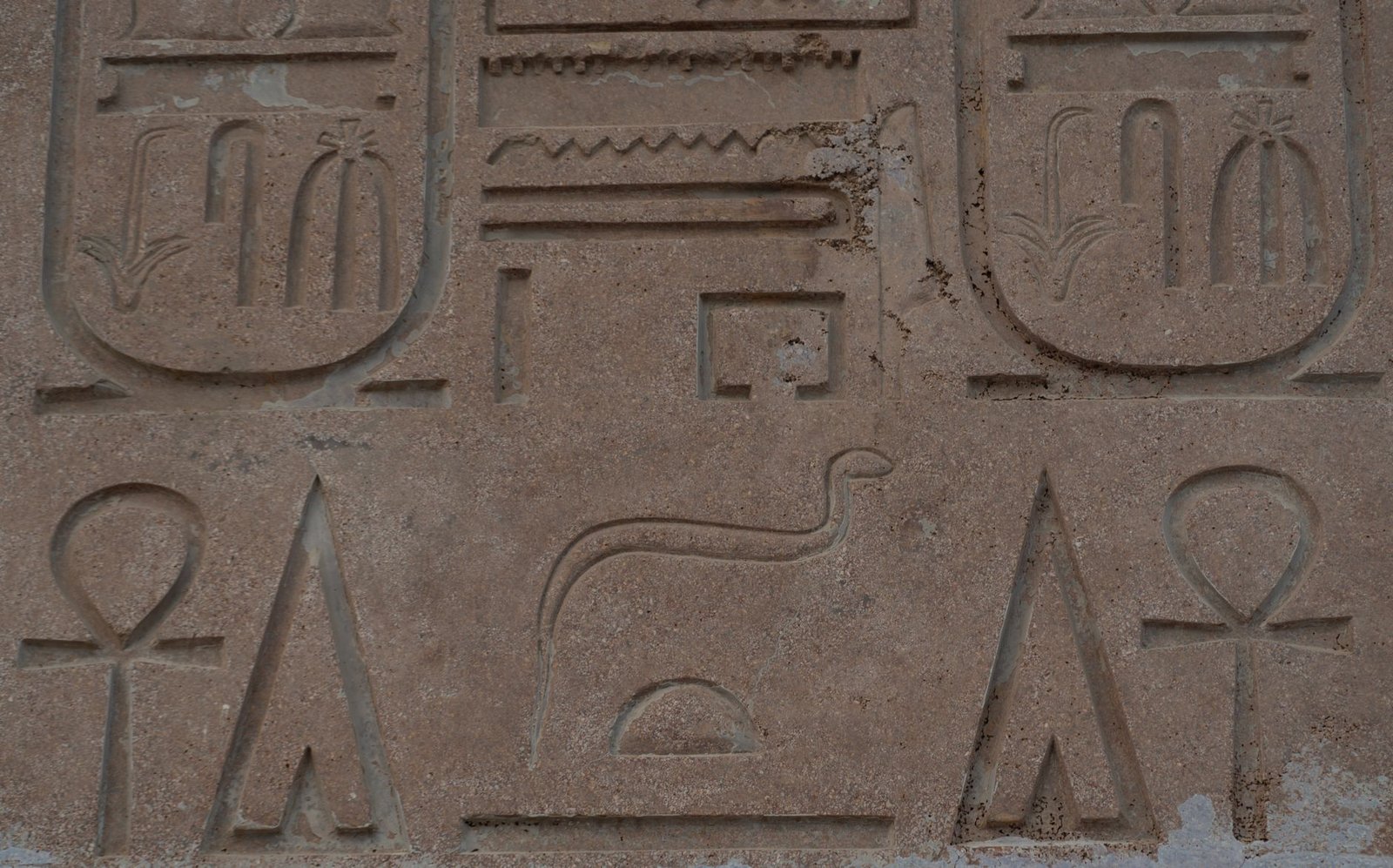
What Do the Crook and Flail Symbolize in Egyptian Mythology?
The crook and flail symbolize what do the crook and flail symbolize in Egyptian mythology: a balanced ideal of kingship in which the ruler protects, guides, and sustains the people while also enforcing order and fertility. Most closely associated with Osiris and royal iconography, these emblems reveal how Egyptian authority fused pastoral care with divine power.
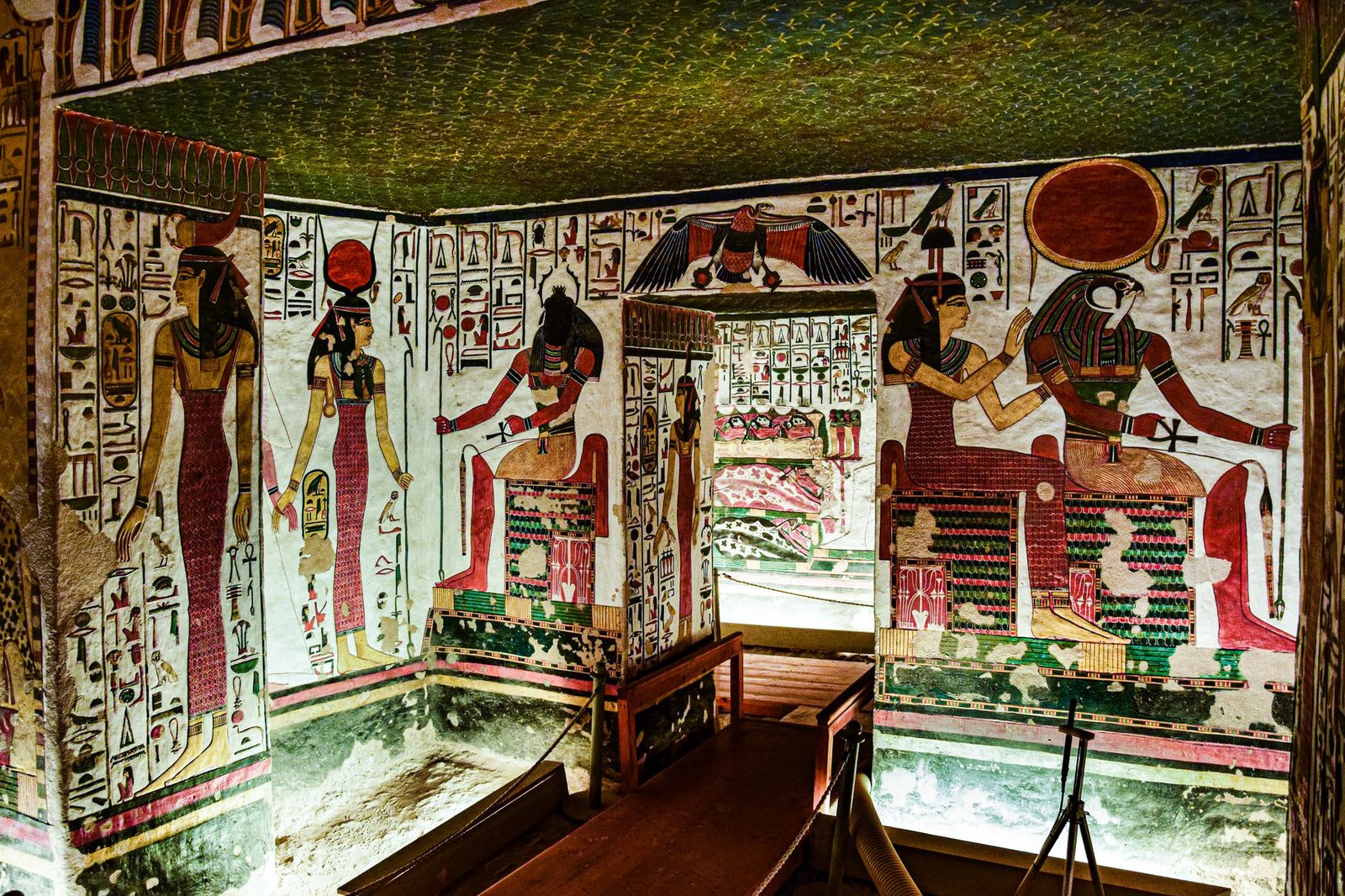
What Is the Djed Pillar in Egyptian Mythology?
The **Djed pillar** is a central symbol in Egyptian mythology, closely linked to Osiris and the ideas of stability, endurance, and renewal. This brief overview explores its uncertain origins, ritual uses, and deeper meaning in funerary belief, revealing why the emblem remained vital to ancient Egyptian religious life.
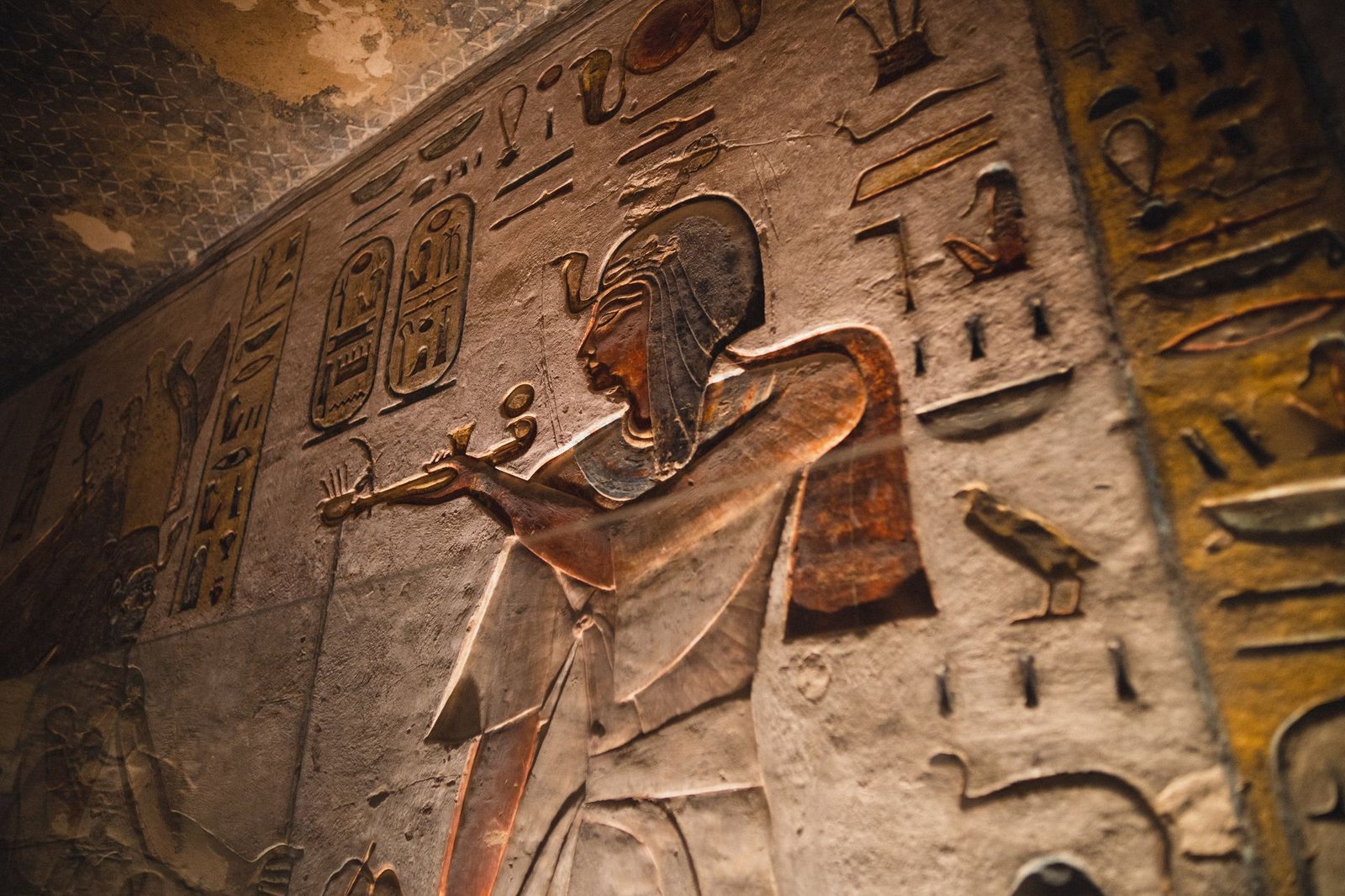
What Is the Ba in Egyptian Mythology? Definition and Meaning
The ba in Egyptian mythology was a vital aspect of identity, often translated as “soul” but better understood as a mobile force that linked a person to life, death, and the afterlife. Its role in funerary texts, temple belief, and ancient symbolism reveals a far more complex view of the self than modern readers might expect.
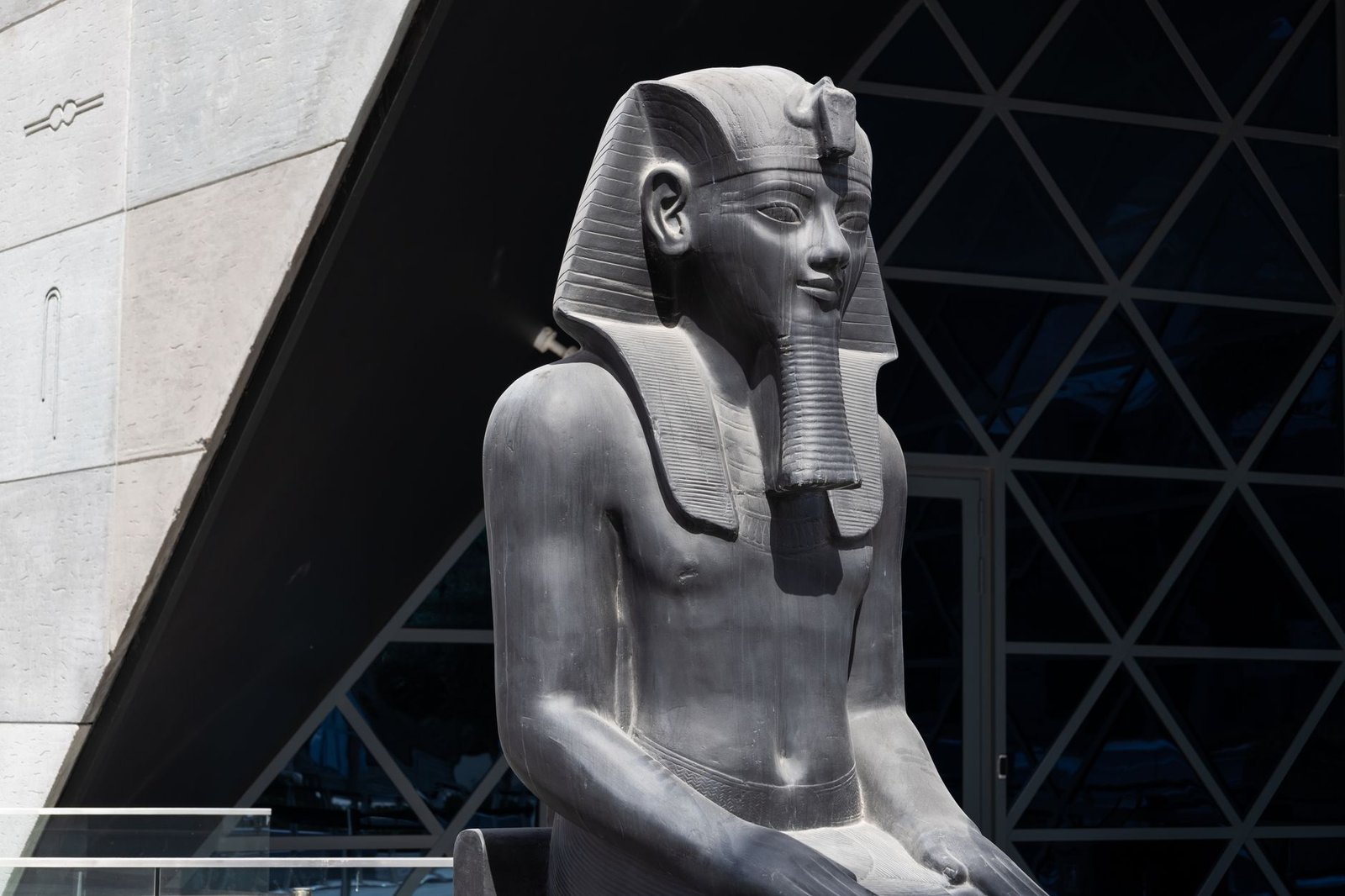
What Is the Ka in Egyptian Mythology?
In Egyptian mythology, the ka was the vital force or spiritual double that gave a person life and endured after death, making it central to ideas of identity, offerings, and the afterlife. Exploring the ka reveals how ancient Egyptians understood human beings as complex spiritual wholes and why funerary ritual mattered so deeply.
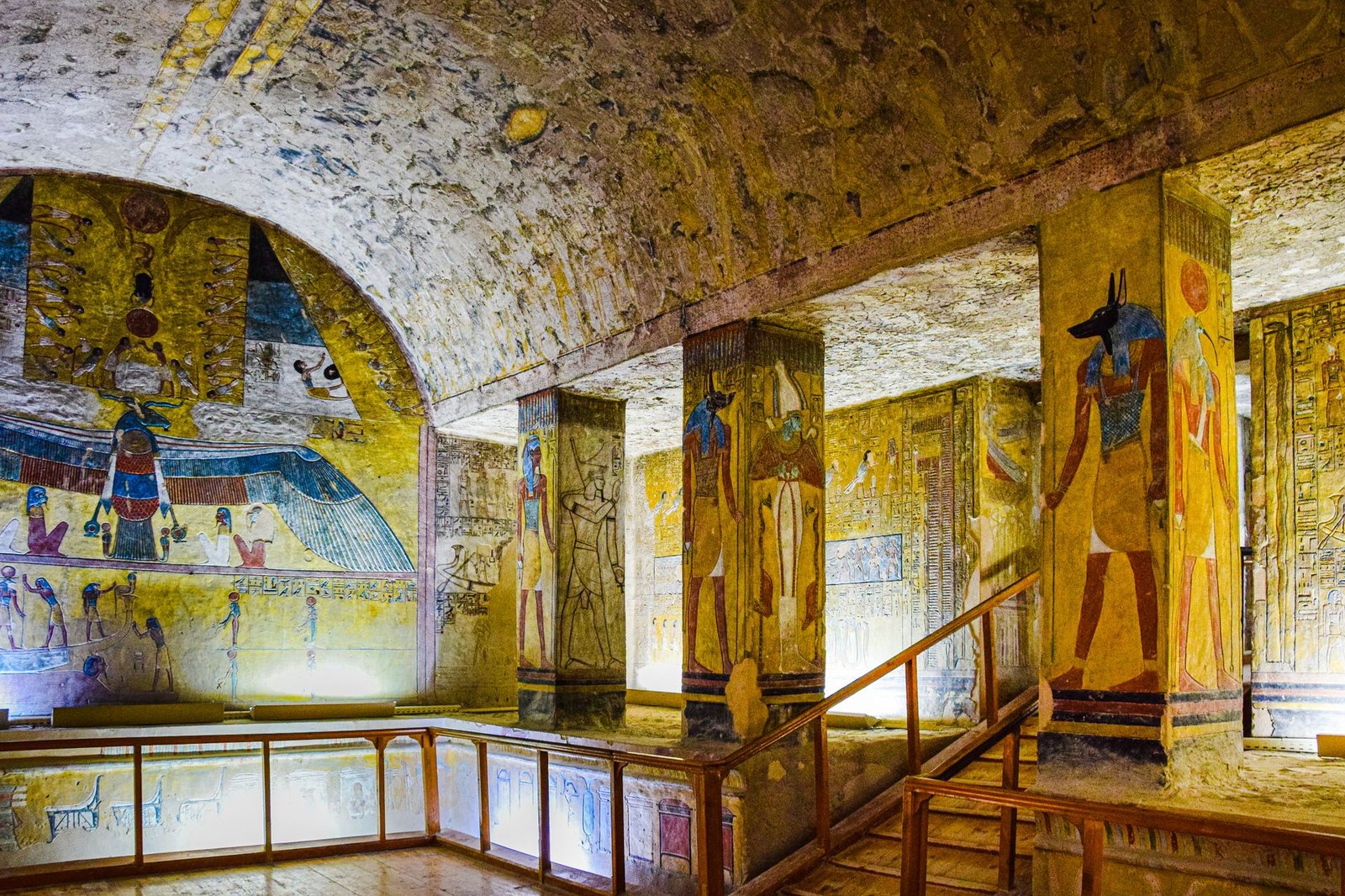
Who Is Anubis in Egyptian Mythology? Guide to the God
Anubis in Egyptian mythology is the jackal-headed god associated with mummification, tomb protection, and the guidance of souls into the afterlife, making him a central figure in ancient funerary belief. From his early appearance in Egyptian religion to his enduring role in burial rituals and sacred imagery, Anubis reveals how the Egyptians understood death, preservation, and divine order.
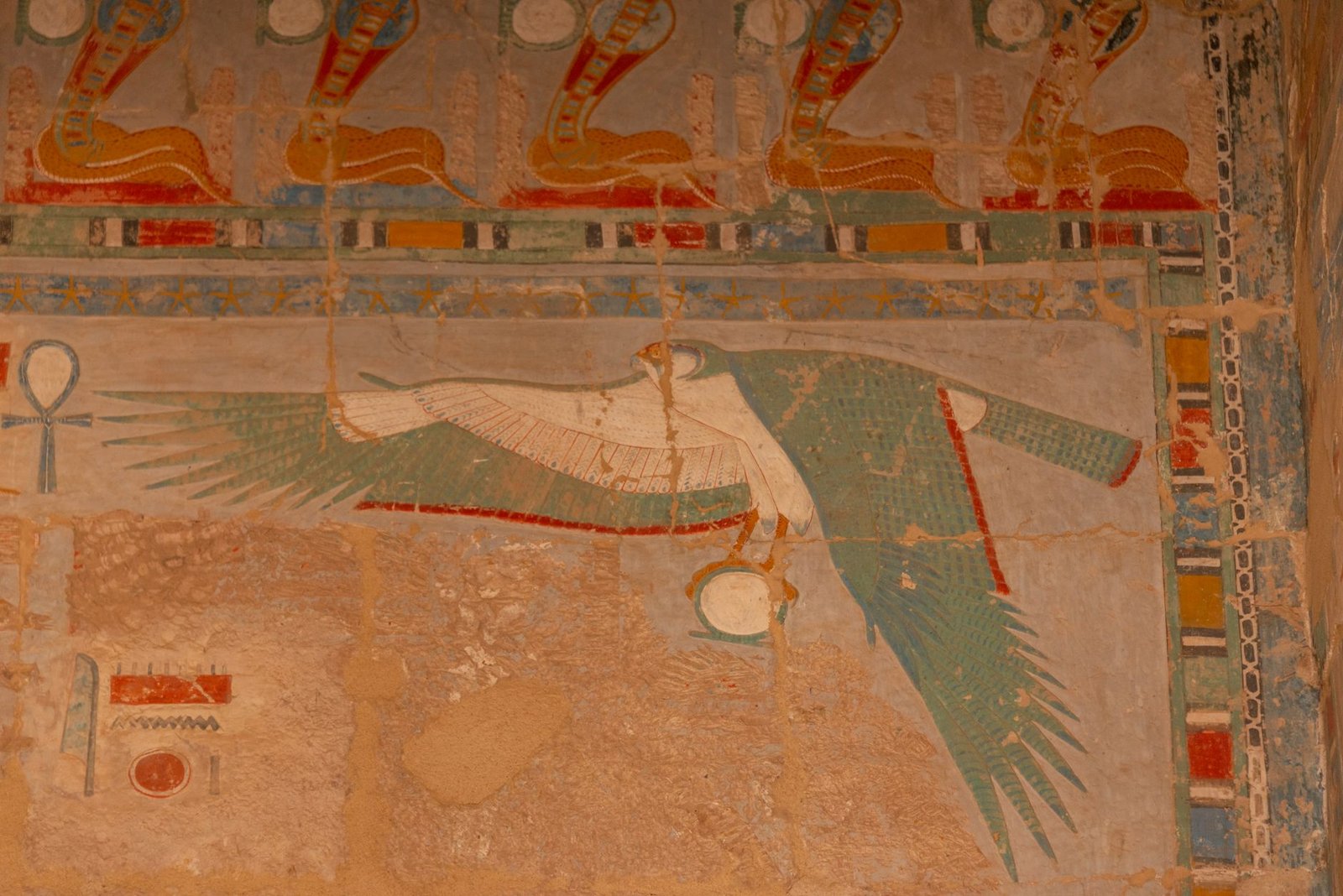
Who Is Ma’at in Egyptian Mythology? Meaning and Role
Ma’at in Egyptian mythology is both a goddess and a guiding principle embodying truth, justice, order, and cosmic balance. Understanding her reveals how the ancient Egyptians connected kingship, morality, and the afterlife to the stability of the universe, with much more waiting beneath this foundational idea.