Amun-Ra
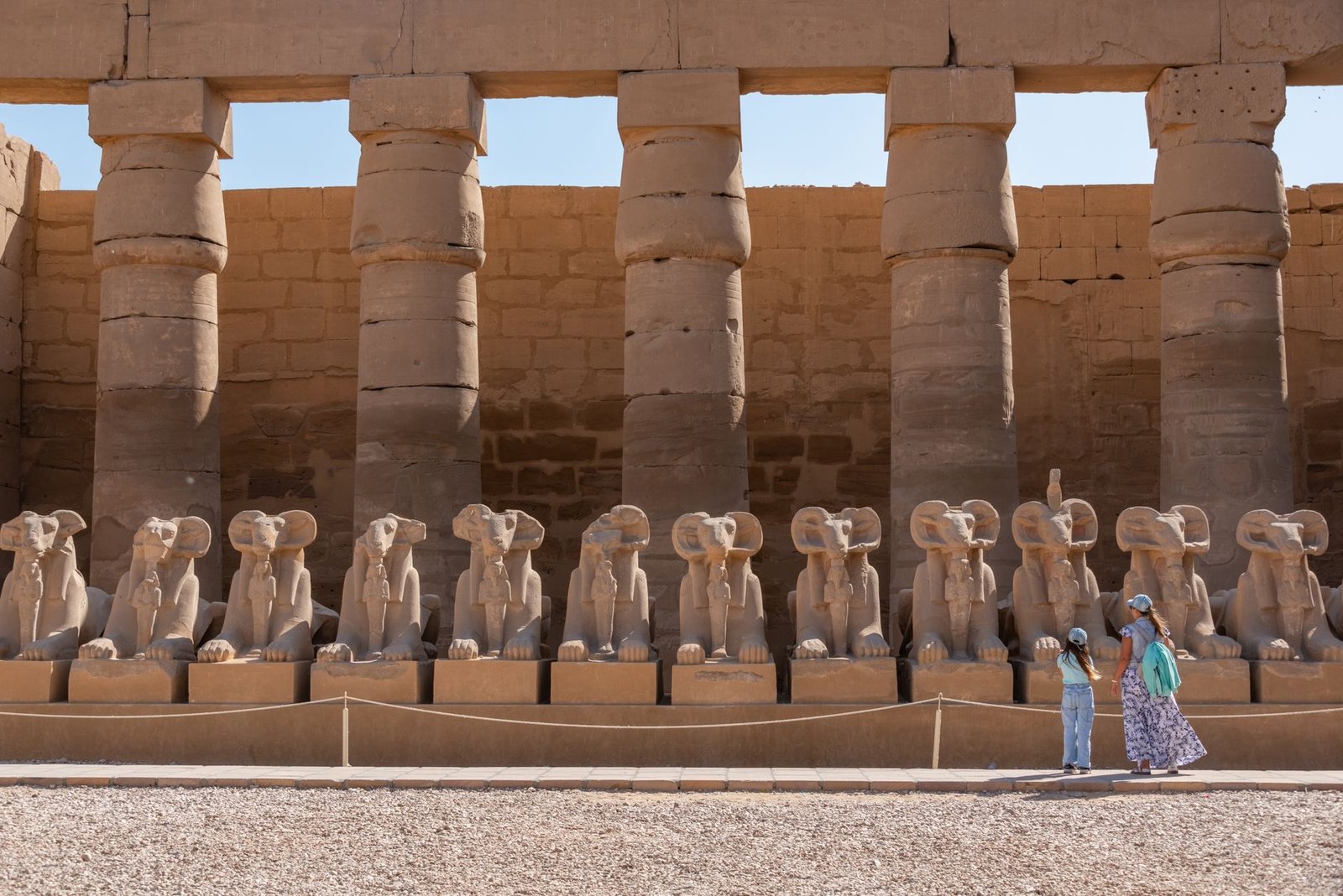
Who Is Amun in Egyptian Mythology? Origins and Meaning
Who is Amun in Egyptian mythology? A god of hidden power and royal authority, Amun rose from a local Theban deity to one of ancient Egypt’s chief divine figures, later joined with Ra as Amun-Ra. This excerpt traces his meanings, cult, and political influence, revealing why his worship shaped Egyptian religion and kingship for centuries.
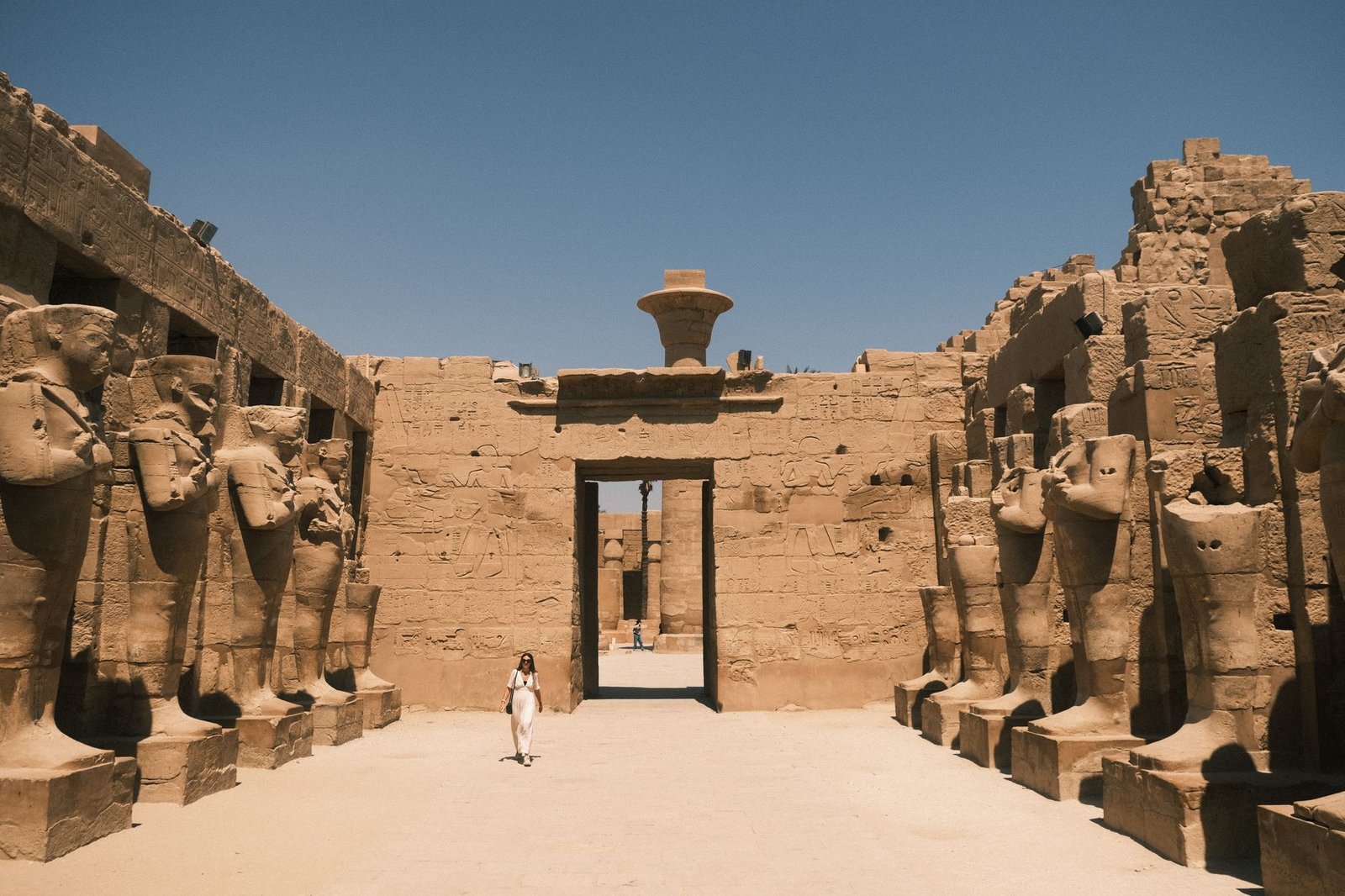
Who Is the King of the Egyptian Gods? A Clear Answer
In ancient Egyptian religion, the question of who is the king of the Egyptian gods usually points to Amun-Ra, the powerful fusion of Amun and Ra that came to symbolize divine kingship in the New Kingdom. Yet the answer shifts with time, place, and theology, revealing a complex pantheon where solar creation, hidden power, and royal legitimacy were often intertwined.
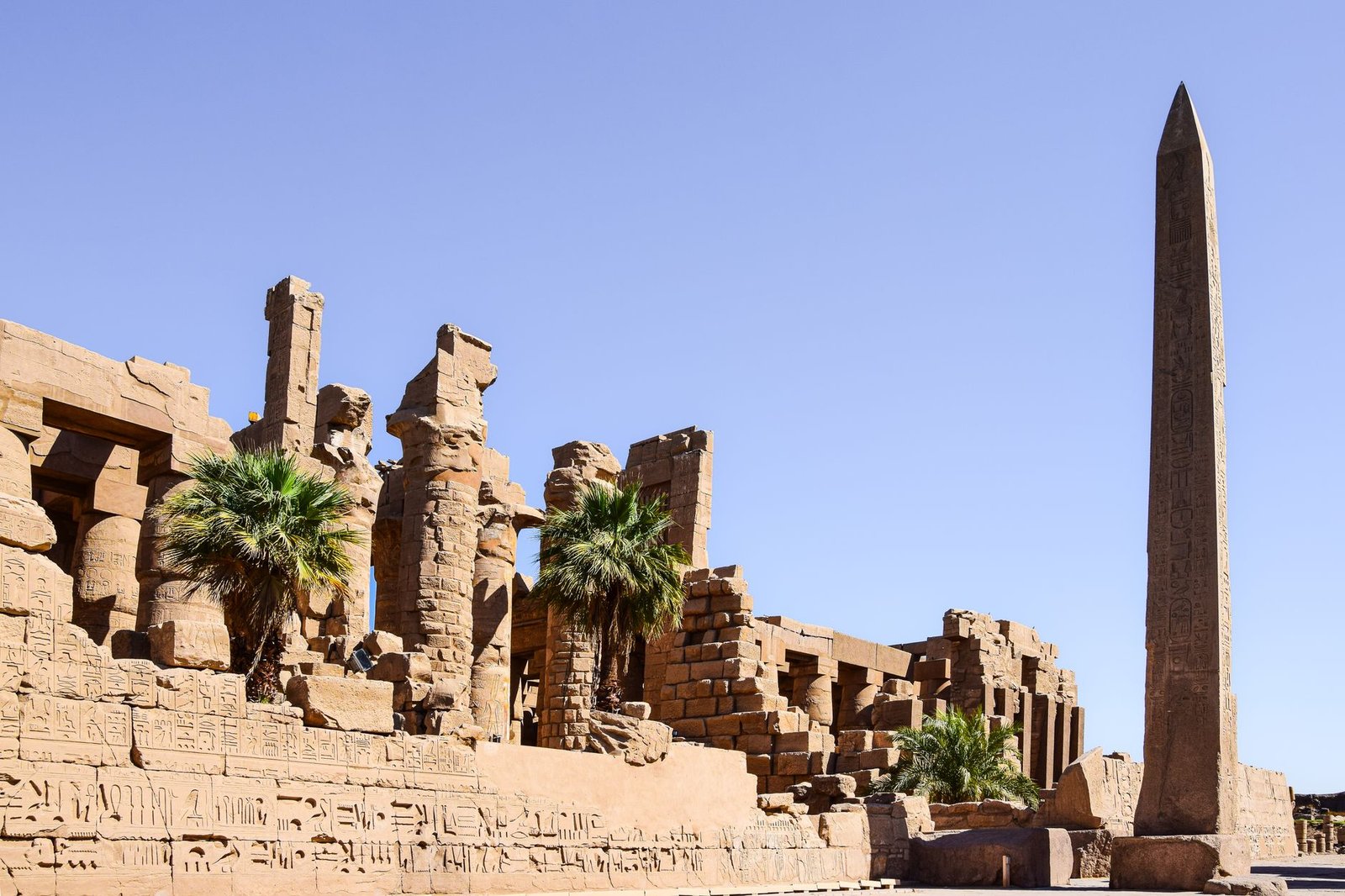
What Is the Difference Between Amun and Amun-Ra?
The difference between Amun and Amun-Ra lies in Egyptian religious development: Amun began as the hidden god of Thebes, linked to air and kingship, while Amun-Ra emerged when he was fused with Ra, the sun god. Exploring this transformation reveals how ancient Egyptians blended divine powers and reshaped major deities without abandoning earlier beliefs.