ancient Roman religion

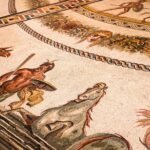
Castor and Pollux at the Battle of Lake Regillus
Castor and Pollux at the Battle of Lake Regillus is a celebrated Roman tradition in which the Dioscuri are said to have appeared as mounted warriors, helping secure a crucial early Republic victory over the Latin League. Blending myth, civic memory, and religion, the story illuminates Roman beliefs about divine protection, cavalry valor, and the origins of the twins’ lasting public cult.
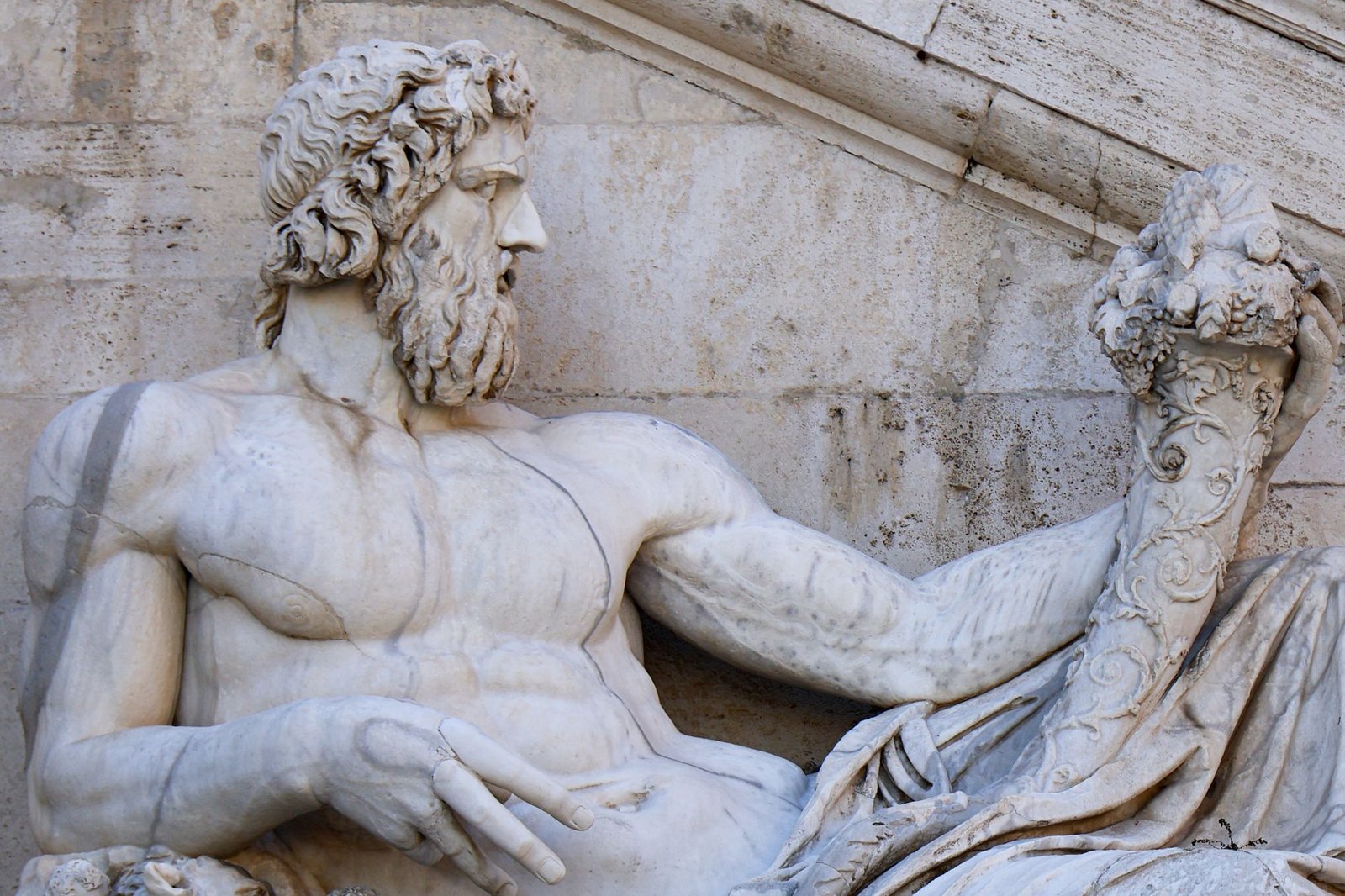
Cacus: Mythological Figure in Roman Legend
Cacus is a formidable figure in Roman mythology, remembered as a fire-breathing cave-dweller who stole Hercules’ cattle and was slain for his crime. His story, set near the Aventine Hill and the Forum Boarium, reveals how Roman legend tied heroic conflict to the sacred landscape and the shaping of early identity.
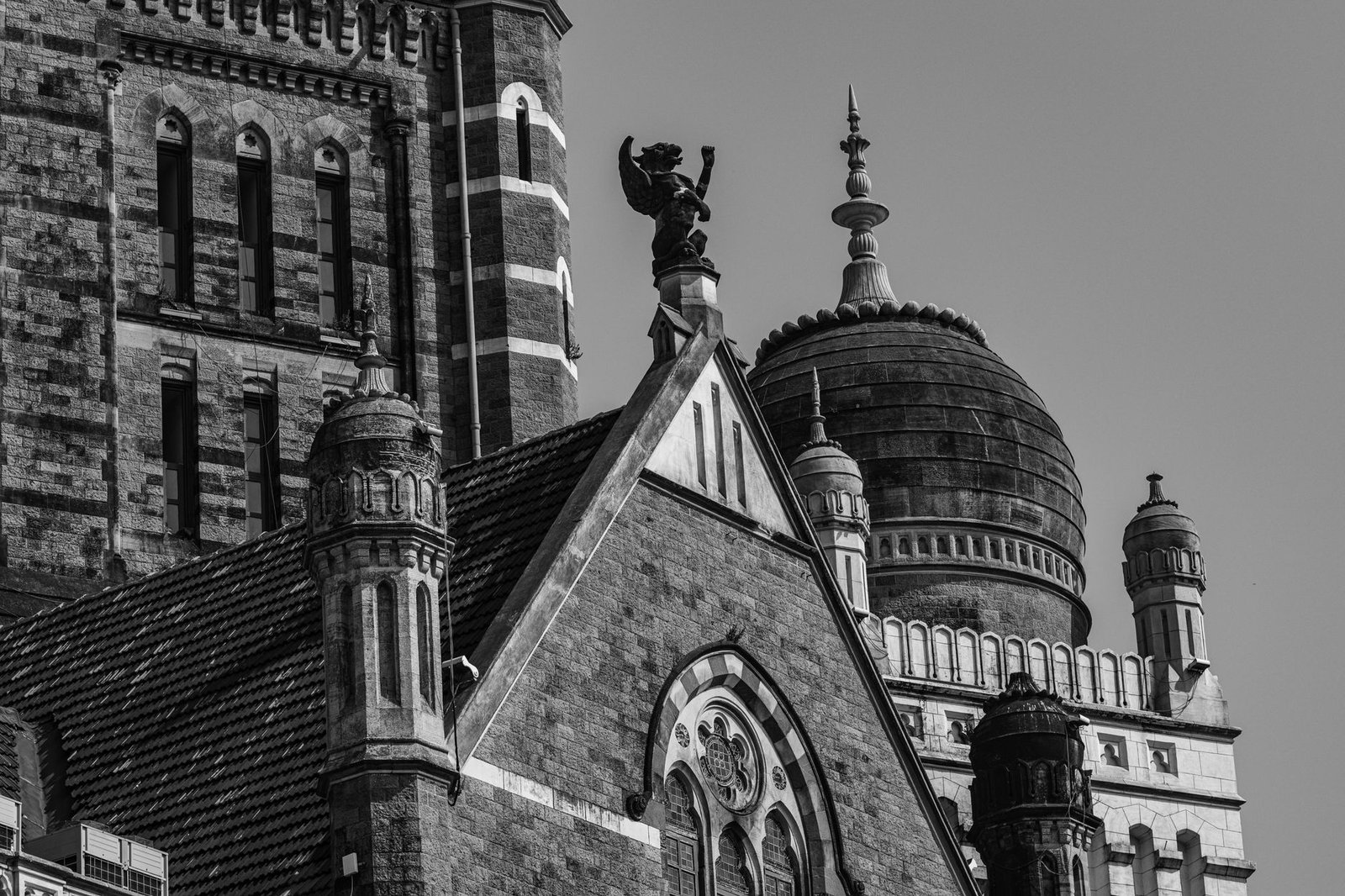
Boundary Stone of Terminus: Definition, History, and Uses
The **Boundary Stone of Terminus** was the Roman marker of sacred limits, linking a simple stone set in the ground with the god who guarded property lines, civic order, and lawful ownership. Its meaning reaches beyond land division alone, revealing how Romans understood boundaries as both practical markers and divinely sanctioned protections.
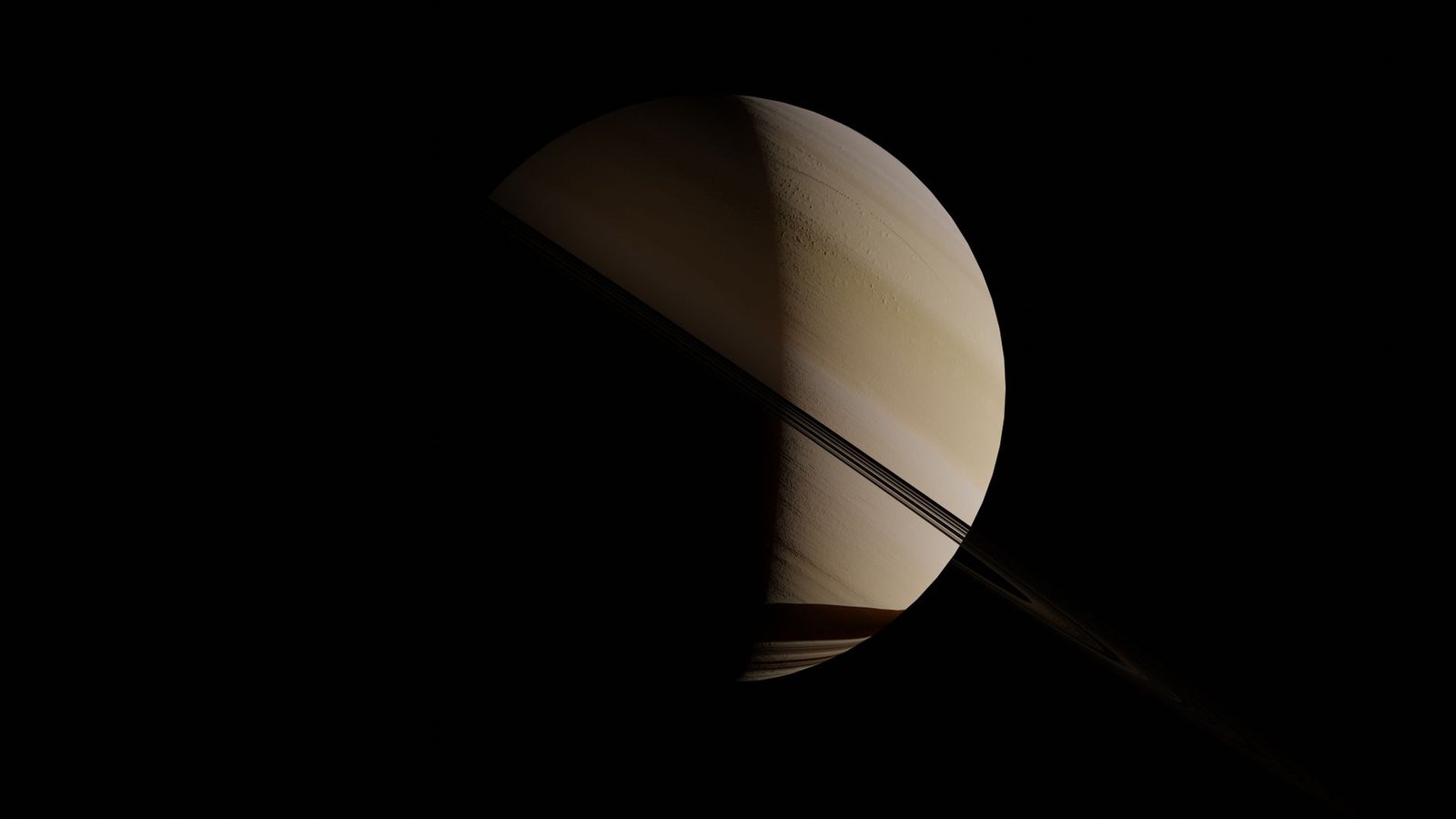
Sickle of Saturn: Definition, Meaning, and Origin
The Sickle of Saturn is a recognizable emblem of the Roman god Saturn, linking him to agriculture, harvest, and the passage of time. Beyond its practical role as a cutting tool, it reflects older mythological themes of succession, abundance, and the symbolic power of seasonal change, inviting closer attention to Saturn’s layered meaning.
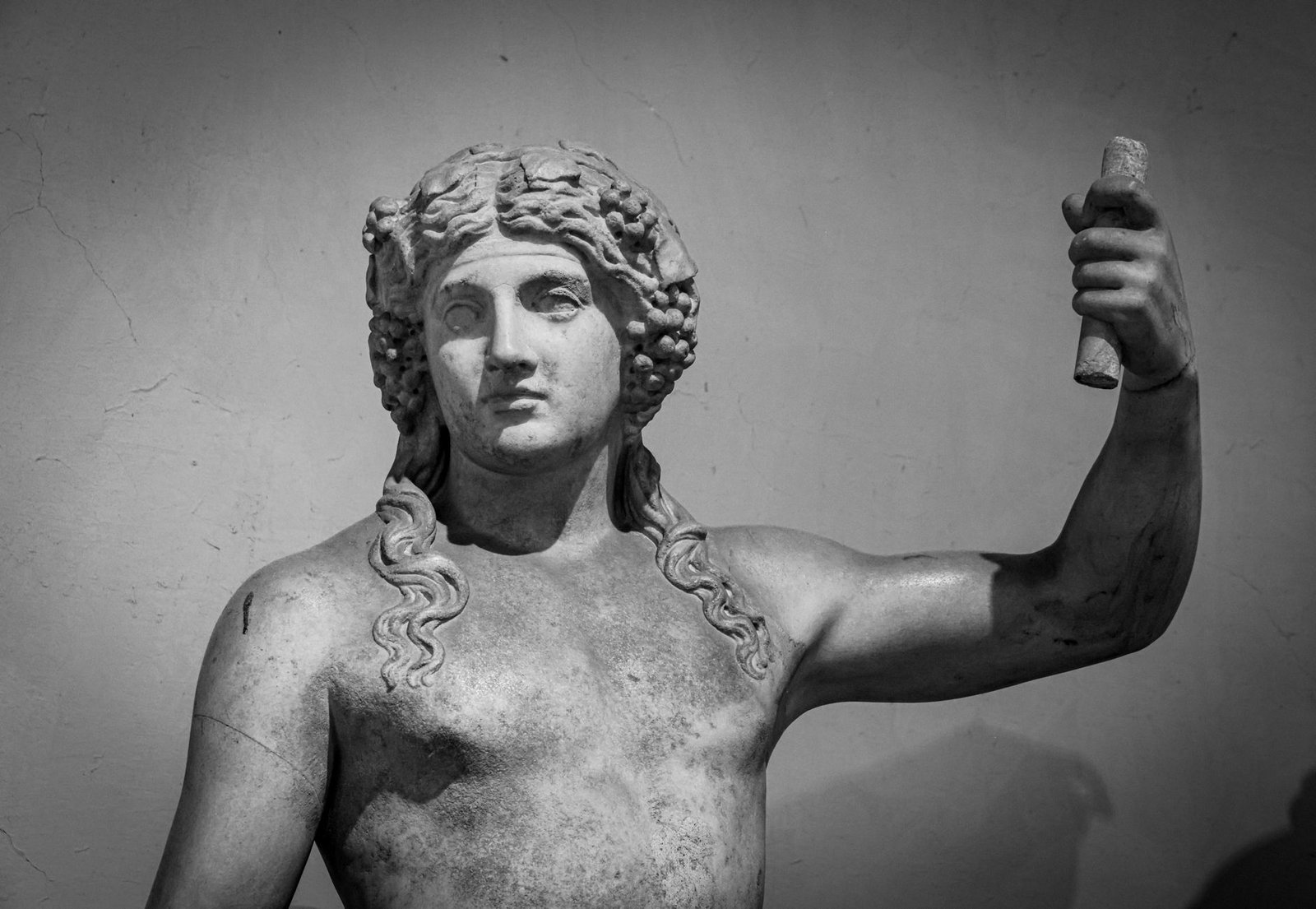
Venus: Roman Goddess of Love, Beauty, and Fertility
Venus (Roman god) was among the most influential figures in Roman religion, embodying love, beauty, fertility, prosperity, and the life-giving powers that shaped both private devotion and public life. This article traces her origins, evolving cult, and political importance, showing how Romans linked Venus to their own identity, divine favor, and enduring cultural imagination.
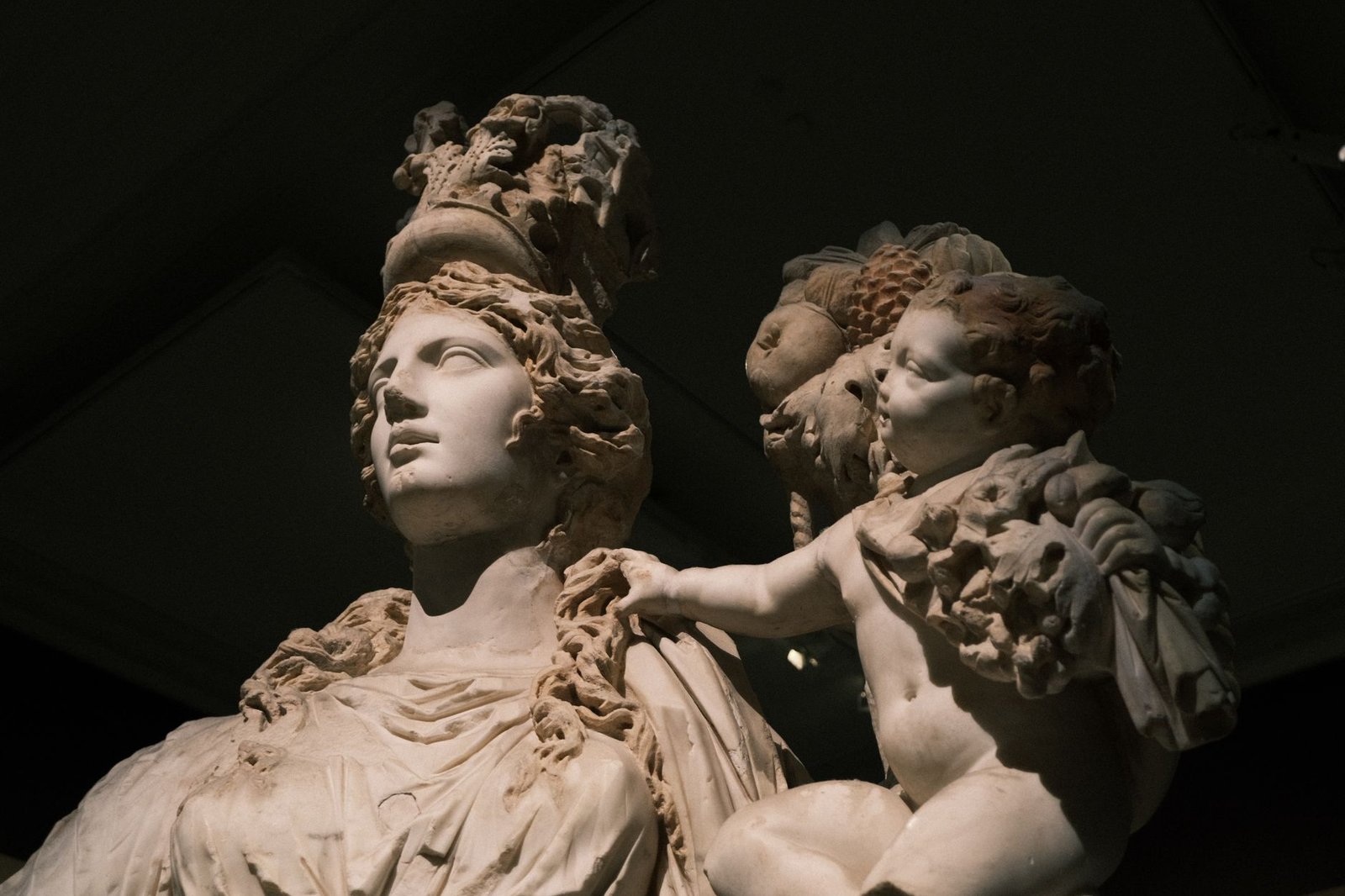
Diana: History, Mythology, and Cultural Significance
Diana is a central figure in Roman religion and mythology, associated with the moon, the hunt, wild nature, childbirth, and female independence. Blending ancient Italian traditions with Greek influence, her cult, symbolism, and enduring legacy reveal why Diana remains a compelling subject in classical and modern culture.
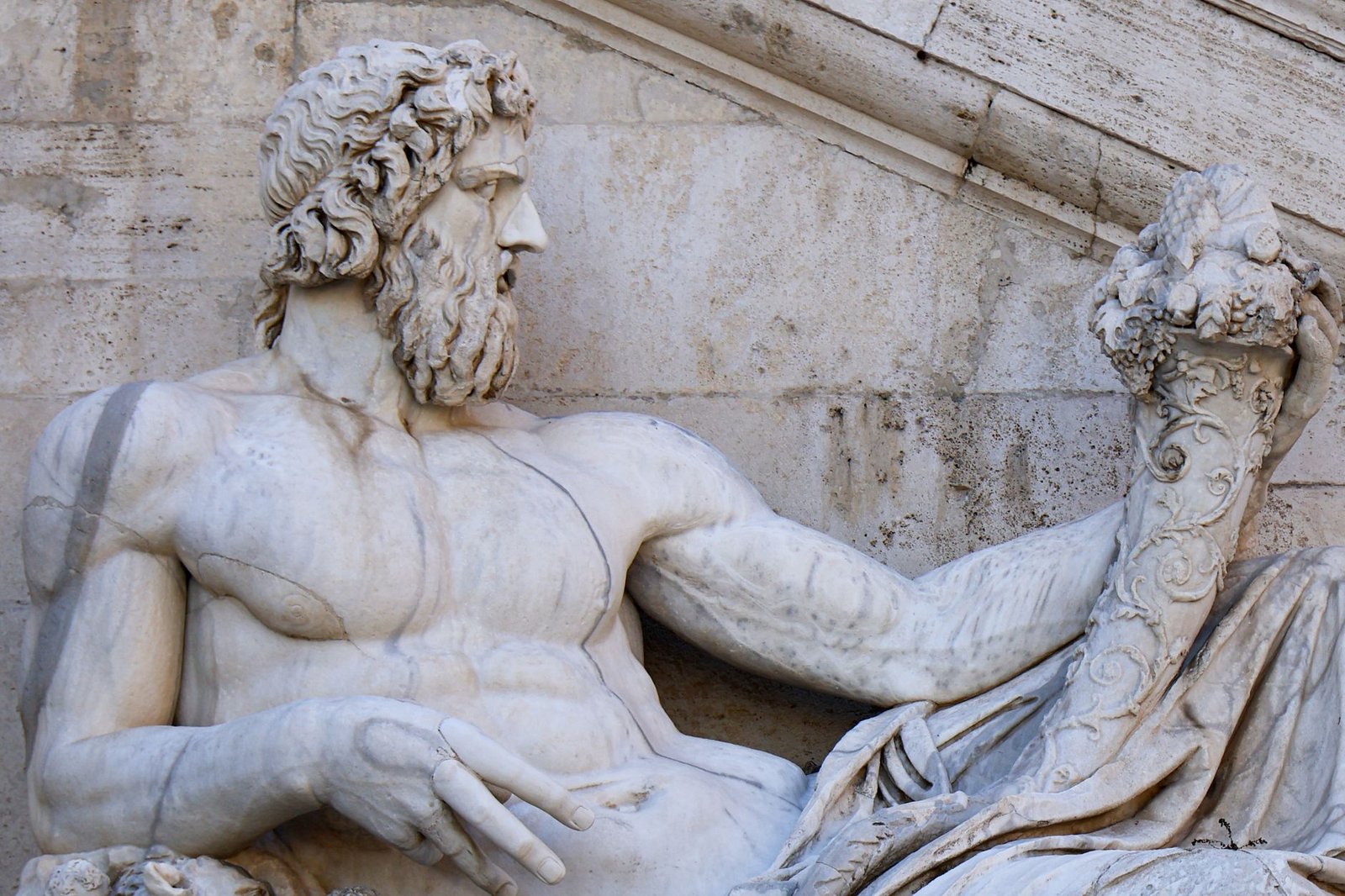
Quirinus: Roman God of War and State
Quirinus is a major yet elusive figure in Roman religion, associated with the Roman state, civic identity, armed power, and the Quirinal hill. Later equated with the deified Romulus, he may also preserve an older divine role linked to citizenship, fertility, and communal order, raising questions that continue to shape scholarly debate.

Di Indigetes vs. Di Novensiles: Roman Deities Explained
The contrast between Di Indigetes vs Di Novensiles reveals how Romans distinguished between ancestral gods rooted in their own tradition and deities introduced later into the pantheon. Exploring these categories sheds light on Roman ideas of religious authority, cultural continuity, and the adaptation of foreign cults.