divine retribution

Niobe’s Tragedy: Greek Mythology and the Story of Niobe
Niobe’s tragedy tells of the Theban queen whose boastful claim to outshine Leto provokes Apollo and Artemis into killing her children, turning pride into unbearable grief. Central to Greek ideas of divine retribution and mortal limits, the myth endures as a powerful symbol of mourning, punishment, and the fragility of fortune.
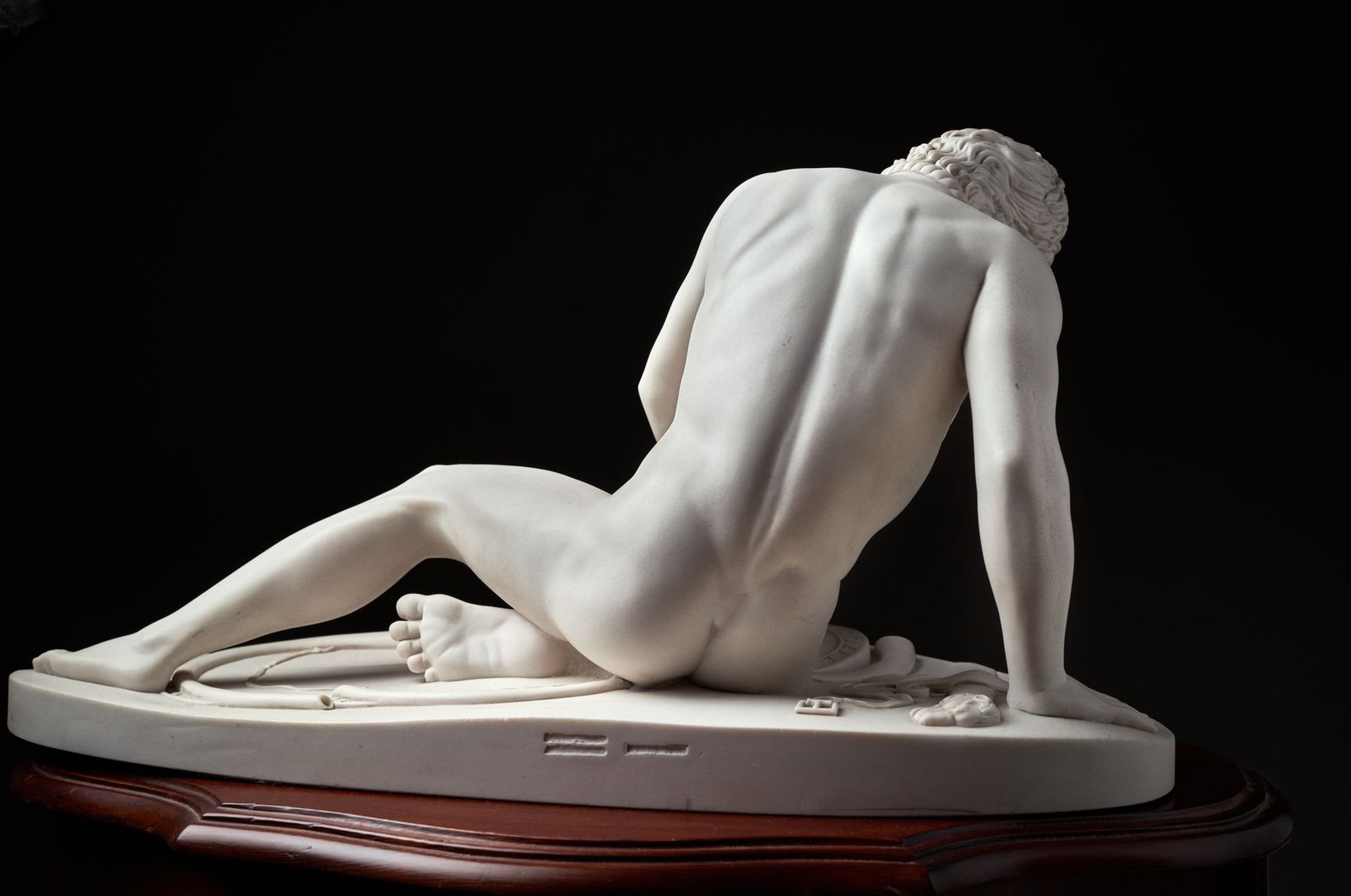
Sisyphus and His Eternal Punishment in Greek Mythology
Sisyphus and his eternal punishment have long symbolized the futility of repeated effort, drawing on the myth of a cunning Corinthian king condemned to roll a stone uphill forever. This article explores how his defiance, divine retribution, and fate in Hades shaped ancient Greek ideas about mortality, law, and the limits of human ingenuity.

Tantalus and His Eternal Punishment in Greek Mythology
Tantalus and his eternal punishment is one of Greek mythology’s most memorable accounts of divine retribution: a favored mortal is condemned in the underworld to hunger and thirst beside food and water forever out of reach. This enduring myth, rooted in themes of hubris, impiety, and broken trust, also gave English the word “tantalize,” inviting readers to explore how ancient storytellers turned punishment into a lasting cultural symbol.
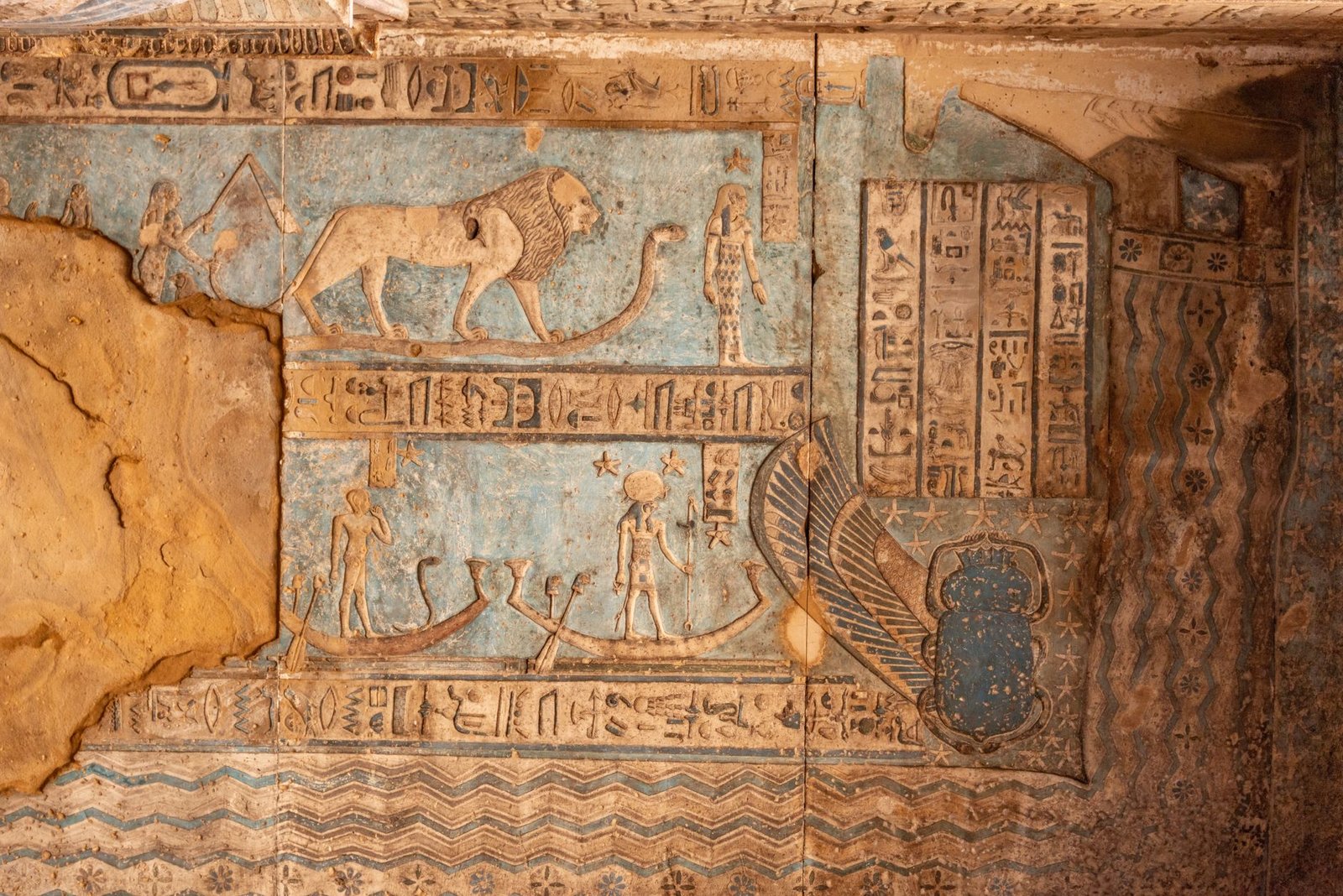
Who Is Sekhmet in Egyptian Mythology? Ancient Egyptian Goddess
Sekhmet is a major goddess in Egyptian mythology, known as “The Powerful One” and linked to war, plague, healing, and divine protection. This excerpt explores her lioness symbolism, royal associations, and complex role as both destroyer and guardian in ancient Egyptian religion.