Greek mythology

Io and Her Wanderings: Mythology and Journey Explained
Io and her wanderings is a celebrated Greek myth in which a mortal woman, transformed by divine jealousy, is driven across the world through suffering and exile. Connecting Argos, the eastern Mediterranean, and Egypt, the story reveals how ancient writers used Io’s journey to explain geography, cult, and the enduring tension between gods and mortals.
Zeus and Callisto in Greek Mythology: Story and Meaning
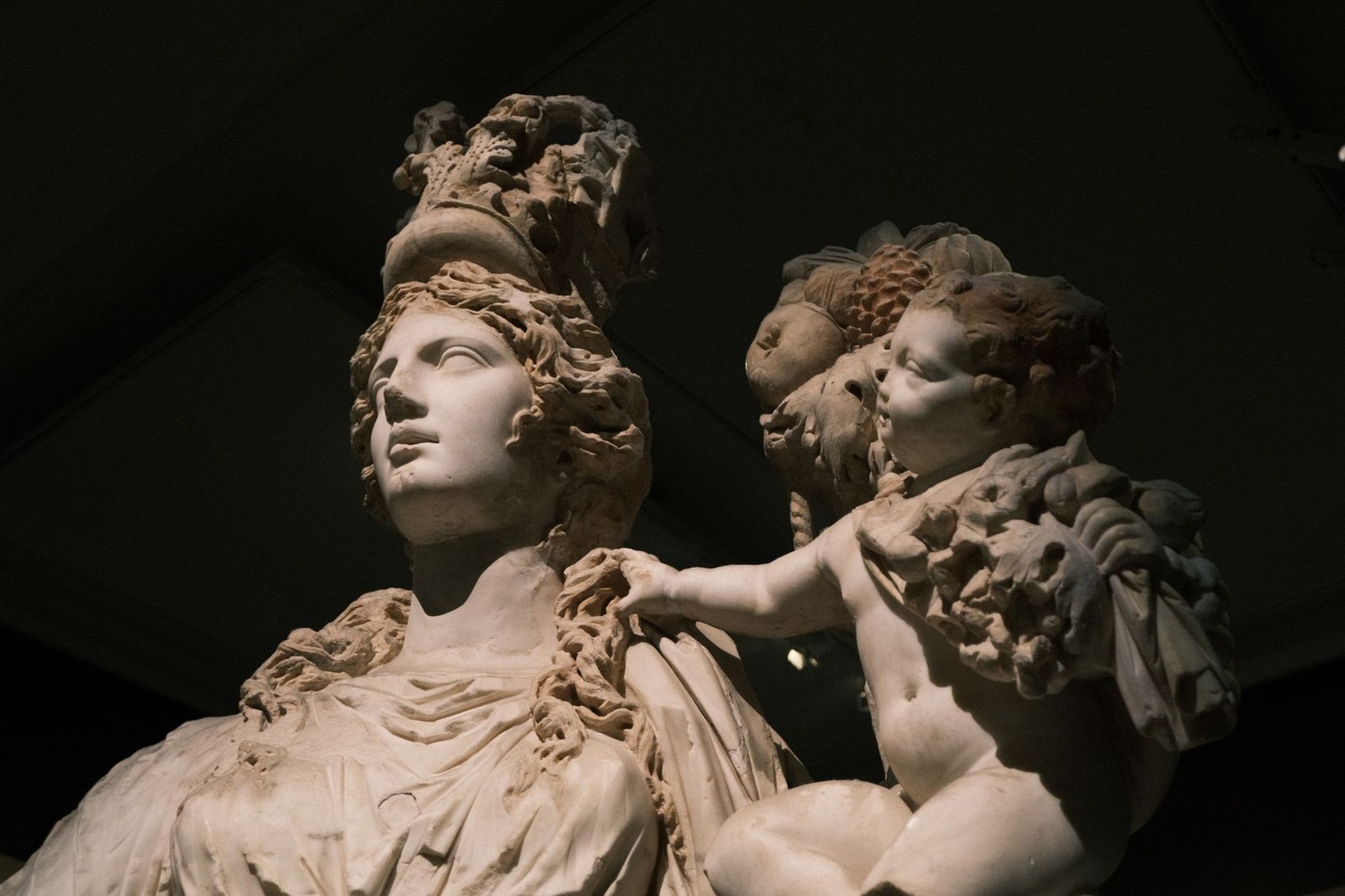
The myth of Zeus and Callisto recounts how Zeus pursued the companion of Artemis, who was transformed into a bear and later linked with her son Arcas in the heavens. Preserved in Greek and Roman sources, this tale explains the constellations Ursa Major and Ursa Minor while revealing ancient ideas about divine power, metamorphosis, and fate.
Cadmus and the Founding of Thebes in Greek Mythology
Cadmus and the founding of Thebes lies at the heart of one of Greek mythology’s most enduring foundation stories, in which a Phoenician prince becomes the legendary builder of a major Boeotian city. His quest, the dragon he defeats, and the divine and dynastic consequences that follow reveal how the myth explains Thebes’s origins, cultural ties, and tragic royal legacy.
Actaeon and Artemis: Greek Myth and Story
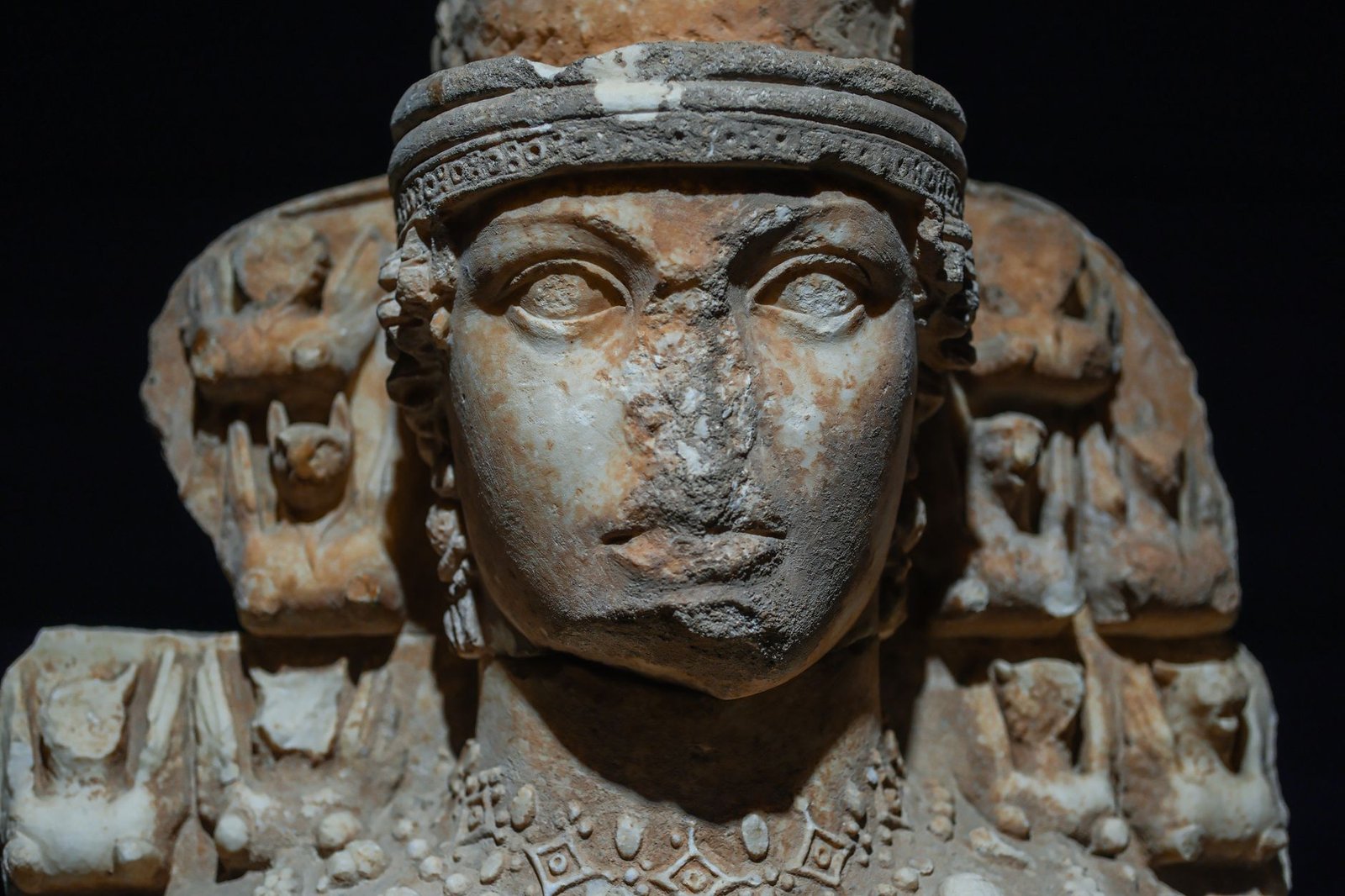
Actaeon and Artemis is a classic Greek myth about a hunter who intrudes on the goddess’s private bathing and is transformed into a stag, only to be killed by his own dogs. This brief but enduring story reveals ancient ideas about sacred boundaries, divine retribution, and the peril of seeing what should remain hidden, while inviting comparison with its many literary and artistic retellings.

Niobe’s Tragedy: Greek Mythology and the Story of Niobe
Niobe’s tragedy tells of the Theban queen whose boastful claim to outshine Leto provokes Apollo and Artemis into killing her children, turning pride into unbearable grief. Central to Greek ideas of divine retribution and mortal limits, the myth endures as a powerful symbol of mourning, punishment, and the fragility of fortune.

Arachne and Athena: Greek Mythology Story and Meaning
Arachne and Athena is a foundational Greek myth about a mortal weaver whose unmatched skill and pride provoke a contest with the goddess of wisdom and craft. Retold most famously by Ovid, the story explores artistic excellence, divine authority, and the perilous line between achievement and hubris, inviting deeper reflection on creativity and punishment.

Midas and the Golden Touch: Myth, Meaning, and Origin
Midas and the golden touch is a classic Greek myth about King Midas of Phrygia, who receives the power to turn everything he touches into gold, only to find that wealth can quickly become a burden. Exploring its ancient sources, symbolic meanings, and lasting influence, the story reveals why this tale still fascinates readers as a meditation on desire, power, and regret.

Sisyphus and His Eternal Punishment in Greek Mythology
Sisyphus and his eternal punishment have long symbolized the futility of repeated effort, drawing on the myth of a cunning Corinthian king condemned to roll a stone uphill forever. This article explores how his defiance, divine retribution, and fate in Hades shaped ancient Greek ideas about mortality, law, and the limits of human ingenuity.

Tantalus and His Eternal Punishment in Greek Mythology
Tantalus and his eternal punishment is one of Greek mythology’s most memorable accounts of divine retribution: a favored mortal is condemned in the underworld to hunger and thirst beside food and water forever out of reach. This enduring myth, rooted in themes of hubris, impiety, and broken trust, also gave English the word “tantalize,” inviting readers to explore how ancient storytellers turned punishment into a lasting cultural symbol.

Ixion’s Punishment in Greek Mythology Explained
Ixion’s punishment is a central episode in Greek mythology, telling how the king Ixion incurred Zeus’s wrath by violating hospitality and attempting to seduce Hera. Condemned to an eternal spinning wheel of fire, his fate became a lasting symbol of divine justice, hubris, and the severe consequences of sacred transgression.