Greek mythology
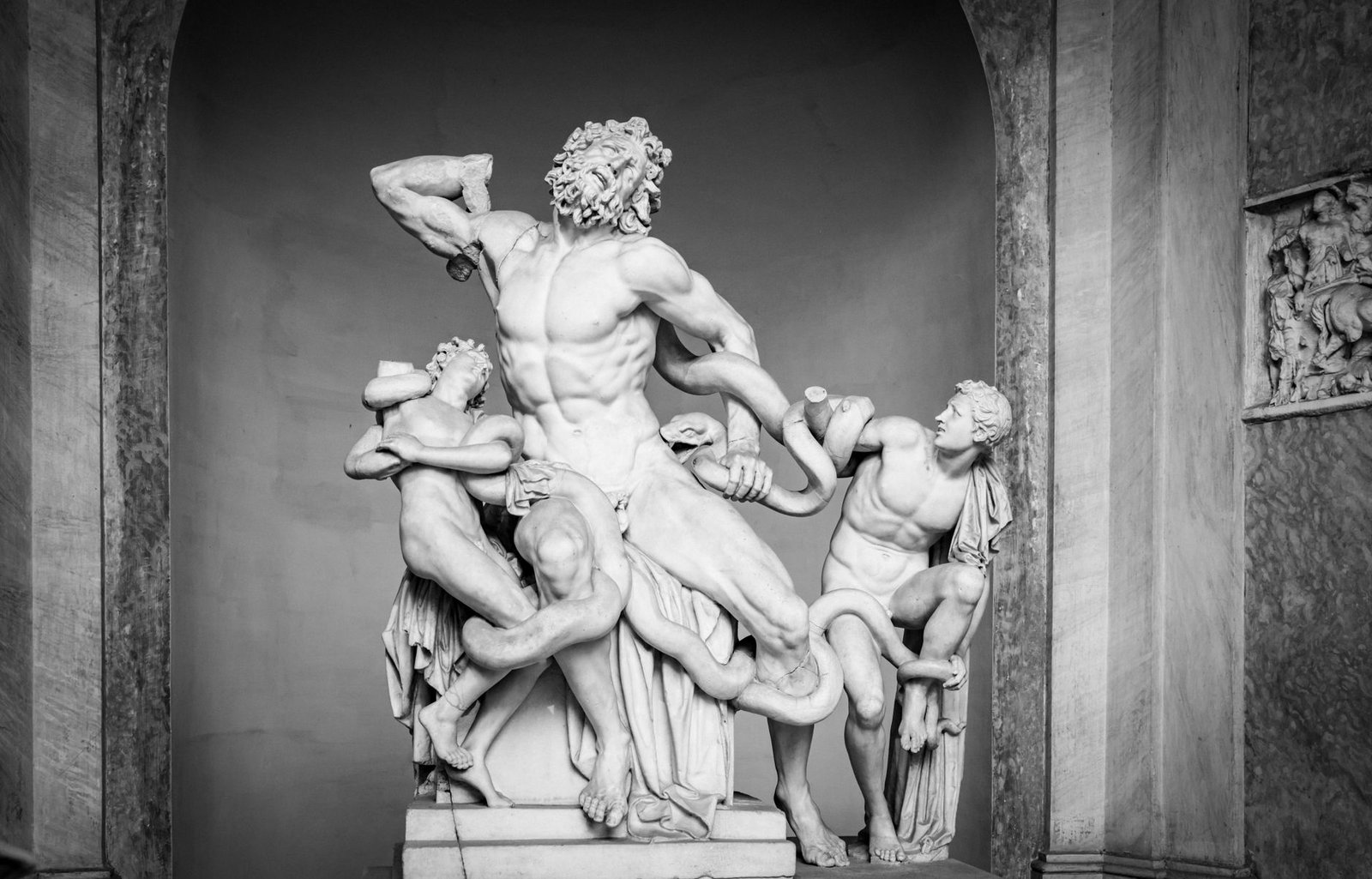
Cyclops: Greek Mythology One-Eyed Giant Explained
Cyclops are among the most striking figures in Greek mythology: one-eyed giants associated with immense strength, divine craftsmanship, and the uneasy boundary between civilization and wilderness. From Homer’s Polyphemus to the older traditions of thunderbolt-forging smiths, the Cyclops reveals how ancient Greeks imagined power, isolation, and the monstrous.
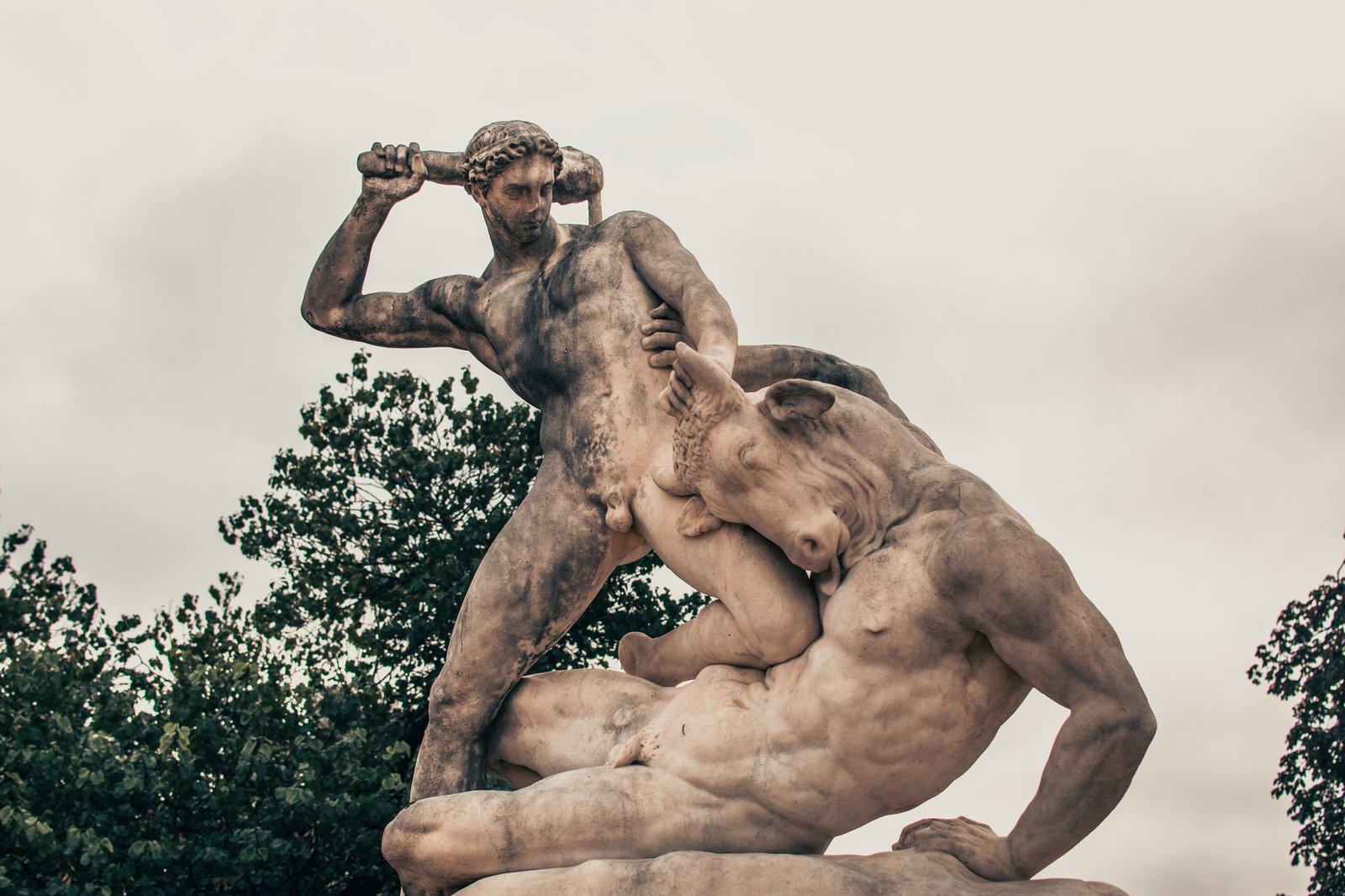
Difference Between Giants And Monsters In Greek Mythology
In Greek mythology, the difference between a giant and a monster is more than a matter of size: giants, especially the Gigantes, are a specific race tied to earth and rebellion against the gods, while monsters form a wider category of unnatural, fearsome beings. Exploring how ancient writers used these terms reveals a more subtle system of mythic classification than modern readers often expect.

Greek Sphinx vs Egyptian Sphinx: Key Differences Explained
The Greek sphinx vs Egyptian sphinx comparison highlights two strikingly different traditions: one a riddling monster of Greek myth, the other a lion-bodied guardian of royal and sacred power in ancient Egypt. Exploring their origins, symbolism, and artistic forms reveals how a shared image could carry profoundly different meanings across cultures.

Typhon and Echidna: Why So Many Monsters Descend From Them
In Greek mythology, the focus keyword explains how Typhon and Echidna came to be cast as the progenitors of a remarkable line of monsters, from Cerberus and the Hydra to the Chimera and beyond. Their family tree is more than a catalogue of horrors: it reveals how the Greeks gave shape, order, and meaning to chaos, and why these figures remained central to mythic storytelling.
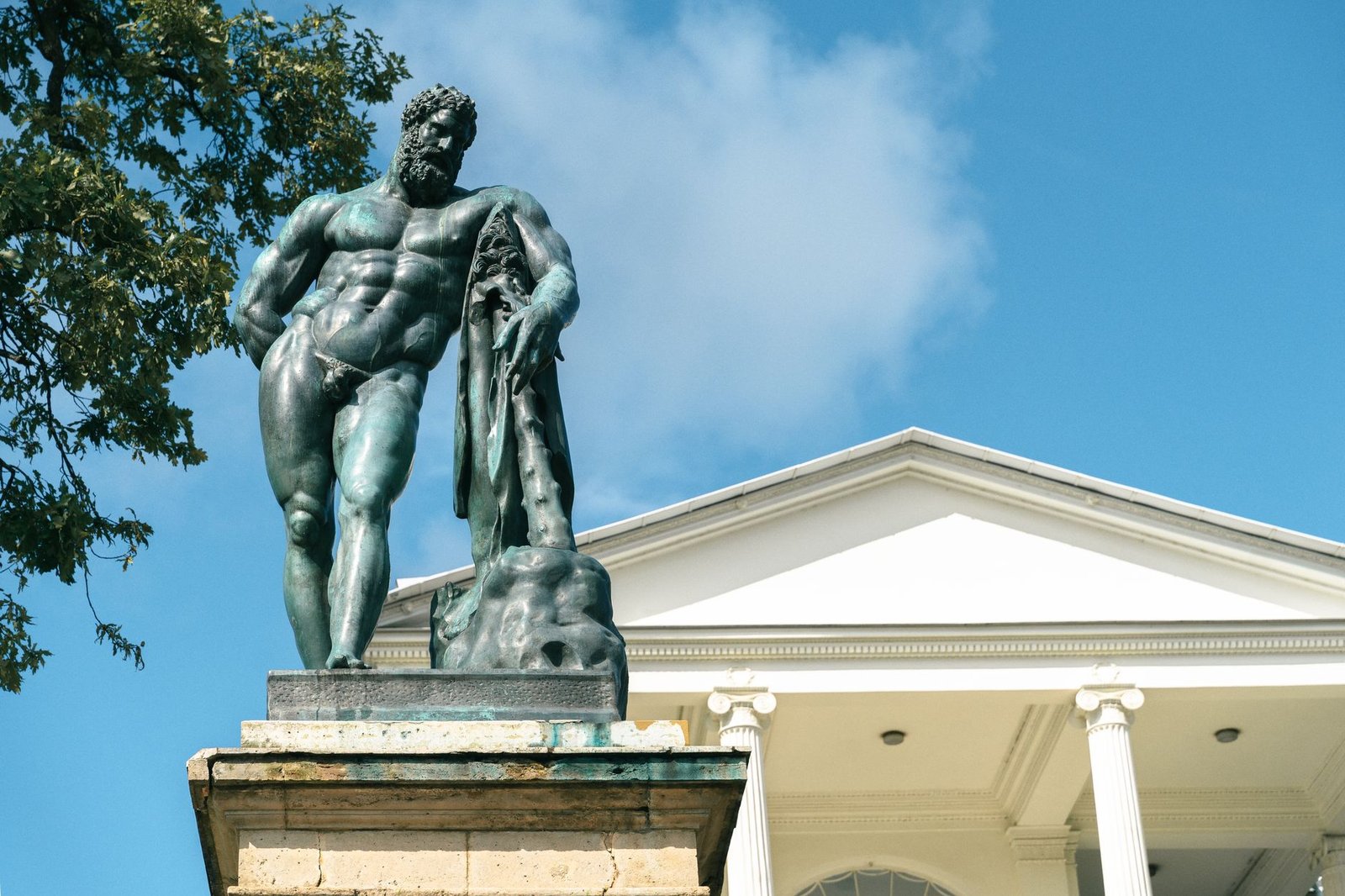
Castration of Uranus by Cronus: Greek Myth Explained
The castration of Uranus by Cronus is a pivotal Greek myth in which the Titan Cronus overthrows his father, the sky god Uranus, with a sickle or harpe, altering the divine order of the cosmos. Preserved most fully in Hesiod’s *Theogony*, the story illuminates themes of succession, violence, and cosmic separation, and its deeper meanings continue to invite close examination.
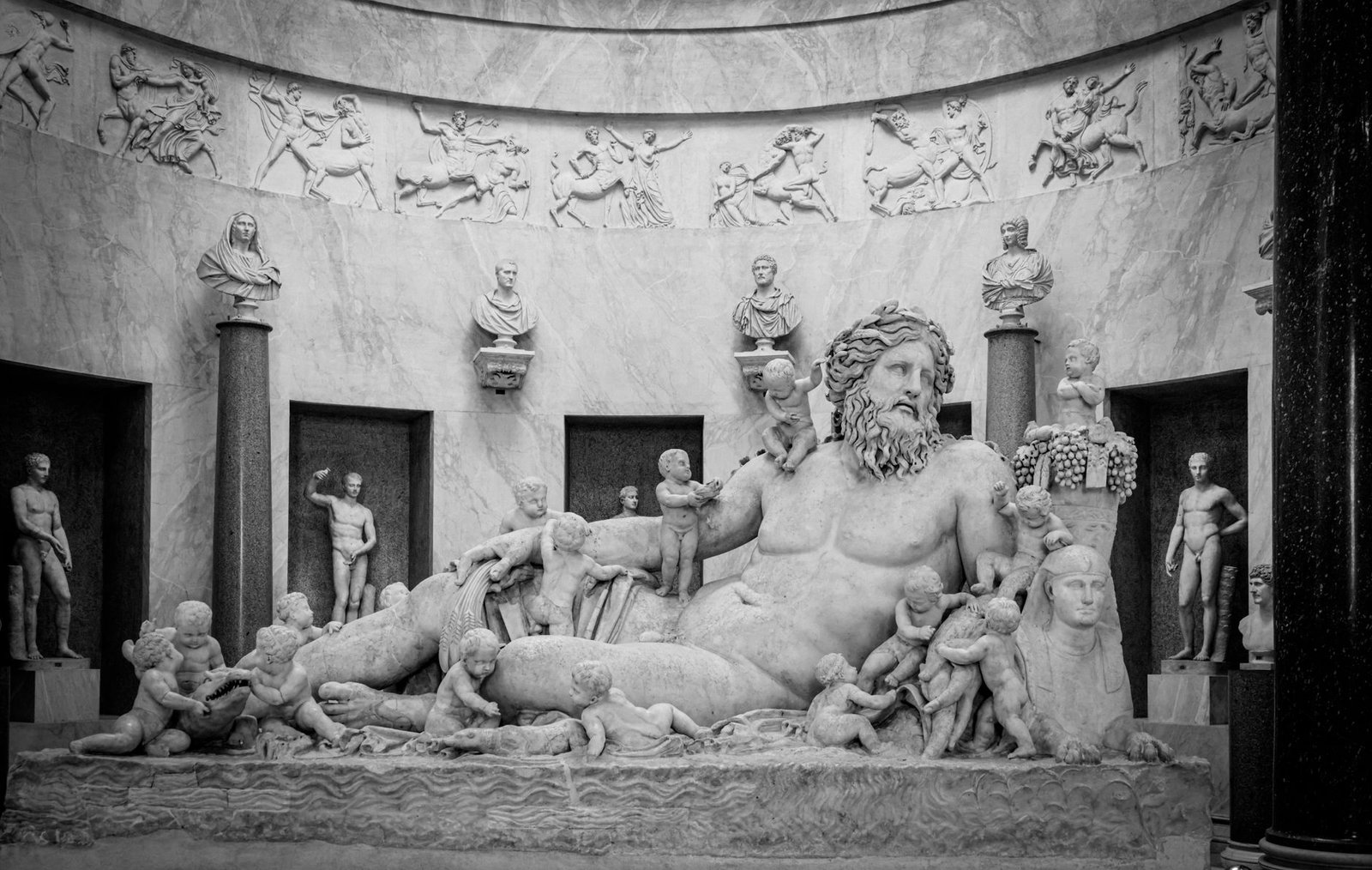
Greek Creation Myth: Origins, Gods, and the Cosmos
The Greek creation myth is the ancient body of stories that explains how the cosmos, gods, and human order emerged from primordial Chaos. Rooted in texts such as Hesiod’s *Theogony*, it reveals a world where creation means the shaping of order from uncertainty—and where later traditions still invite fresh interpretation.
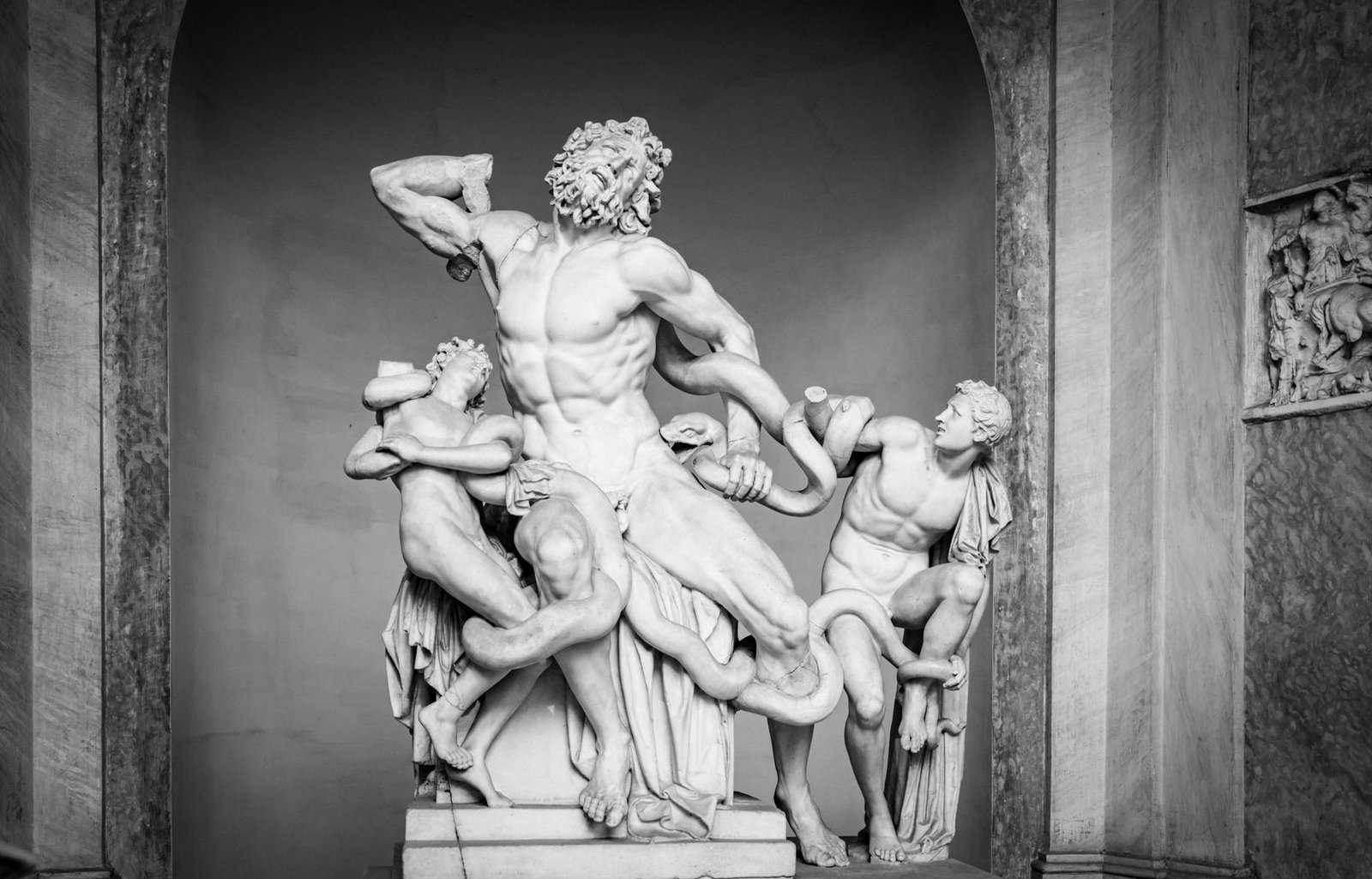
Cronus Swallowing His Children in Greek Mythology
Cronus swallowing his children is a central episode in Greek mythology, depicting the Titan’s desperate attempt to prevent a prophecy of overthrow by consuming each newborn child. The story, preserved in Hesiod’s *Theogony*, reveals themes of power, succession, and fate, while setting the stage for Zeus’s survival and Cronus’s eventual defeat.

Birth of Zeus in the Cretan Cave: Greek Mythology
The birth of Zeus in the Cretan cave is a foundational Greek myth that explains how the future king of the gods was hidden on Crete to escape Cronus and grow in secret. Exploring its Cretan settings, ancient sources, and religious meanings reveals why this story remained central to ideas of divine power, succession, and sacred landscape.
Titanomachy: Greek Mythology’s War of the Titans
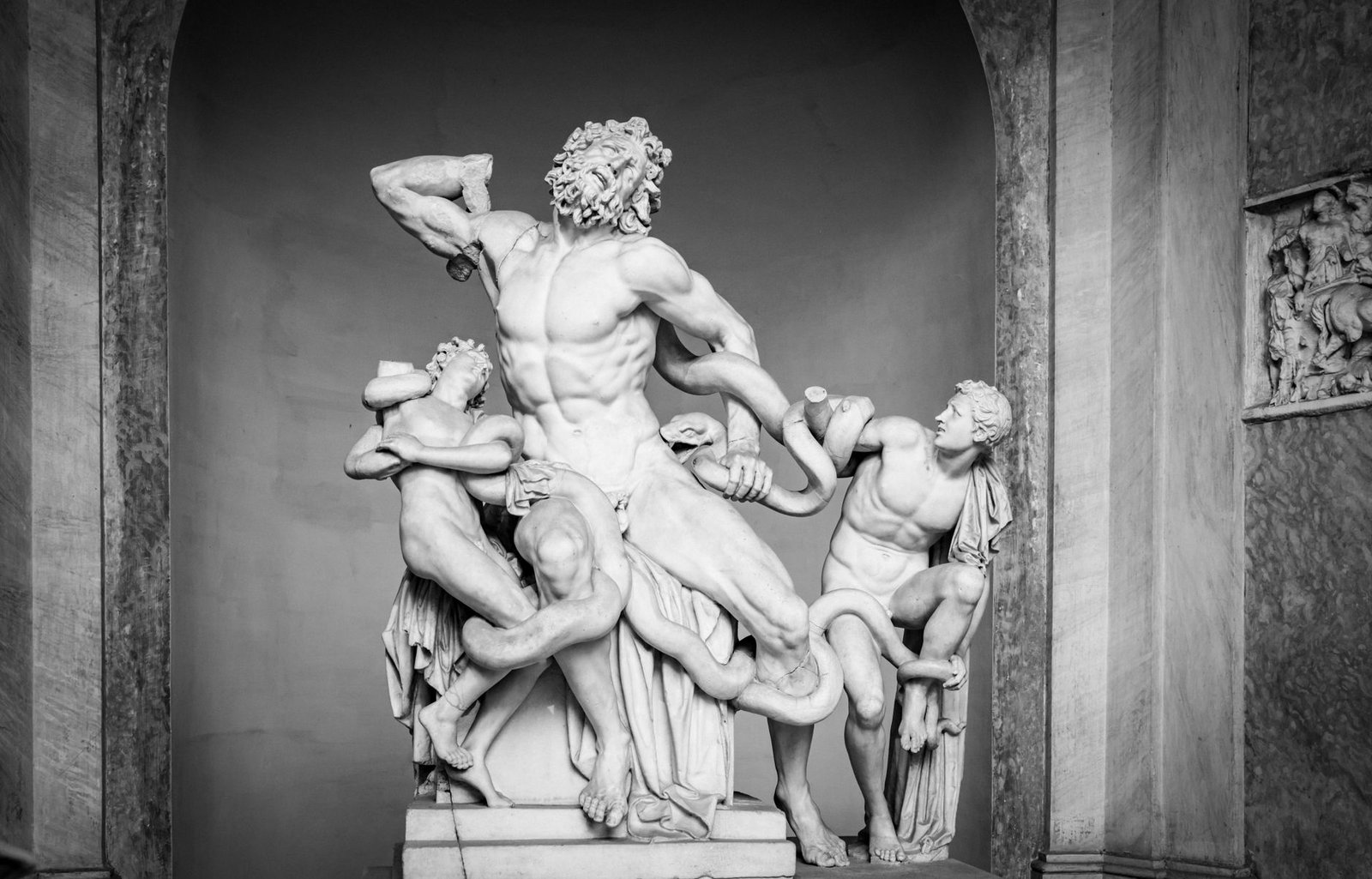
Titanomachy is the legendary Greek mythic war in which Zeus and the younger Olympian gods overthrew the Titans, ending an older divine order and establishing cosmic rule. This article explores its origins, meaning, and cultural legacy, showing how the conflict became a foundational story of succession, sovereignty, and the shaping of the Greek universe.
Gigantomachy: Definition, Myth, and Greek Origins
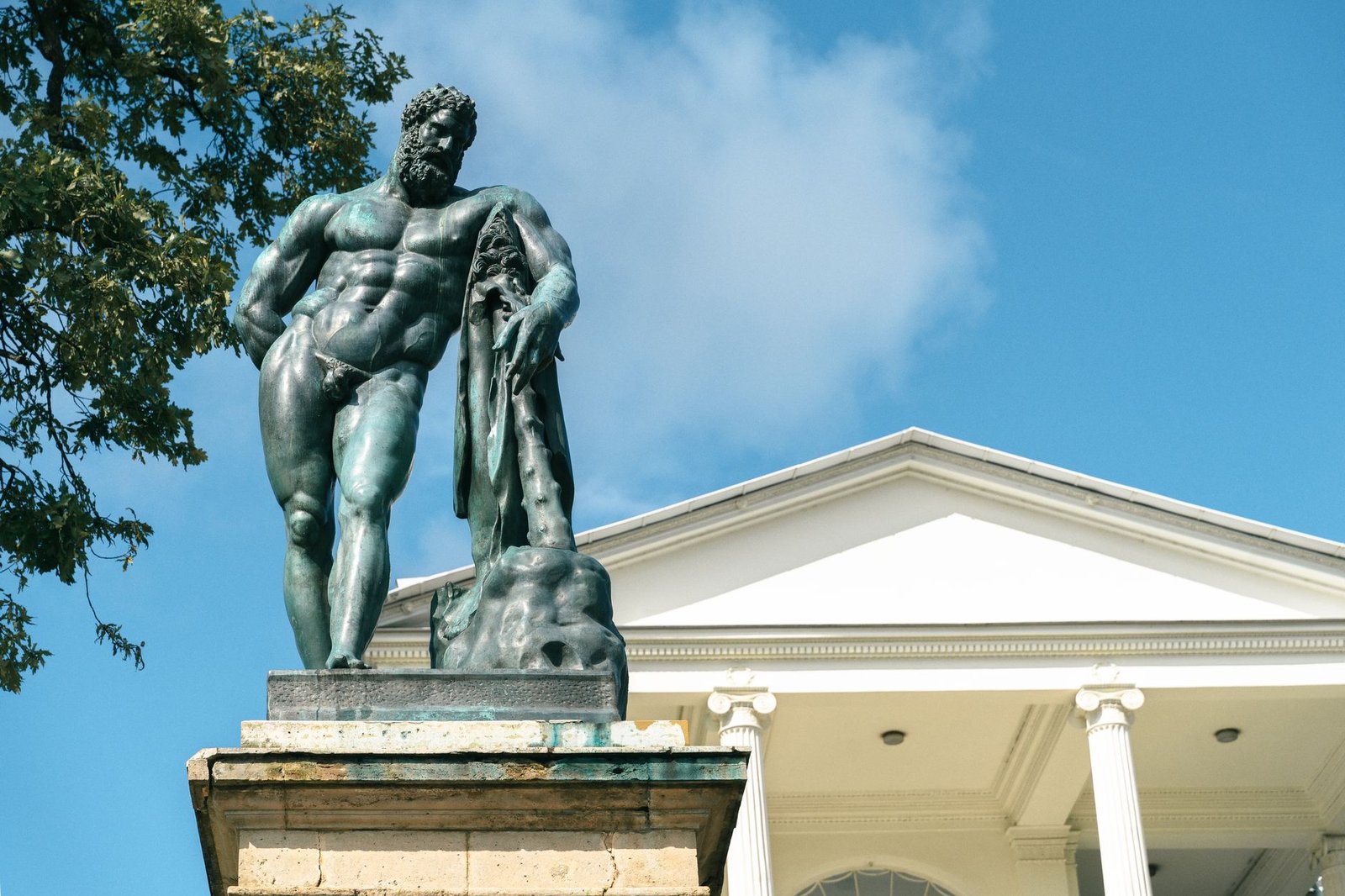
The Gigantomachy is the celebrated Greek myth of the Olympian gods’ war against the Giants, a cosmic struggle that embodies the victory of order over chaos. This article traces its origins, its distinction from the Titanomachy, and its powerful role in ancient religion and Athenian art, inviting a closer look at why the tale endured.