Greek myths and legends
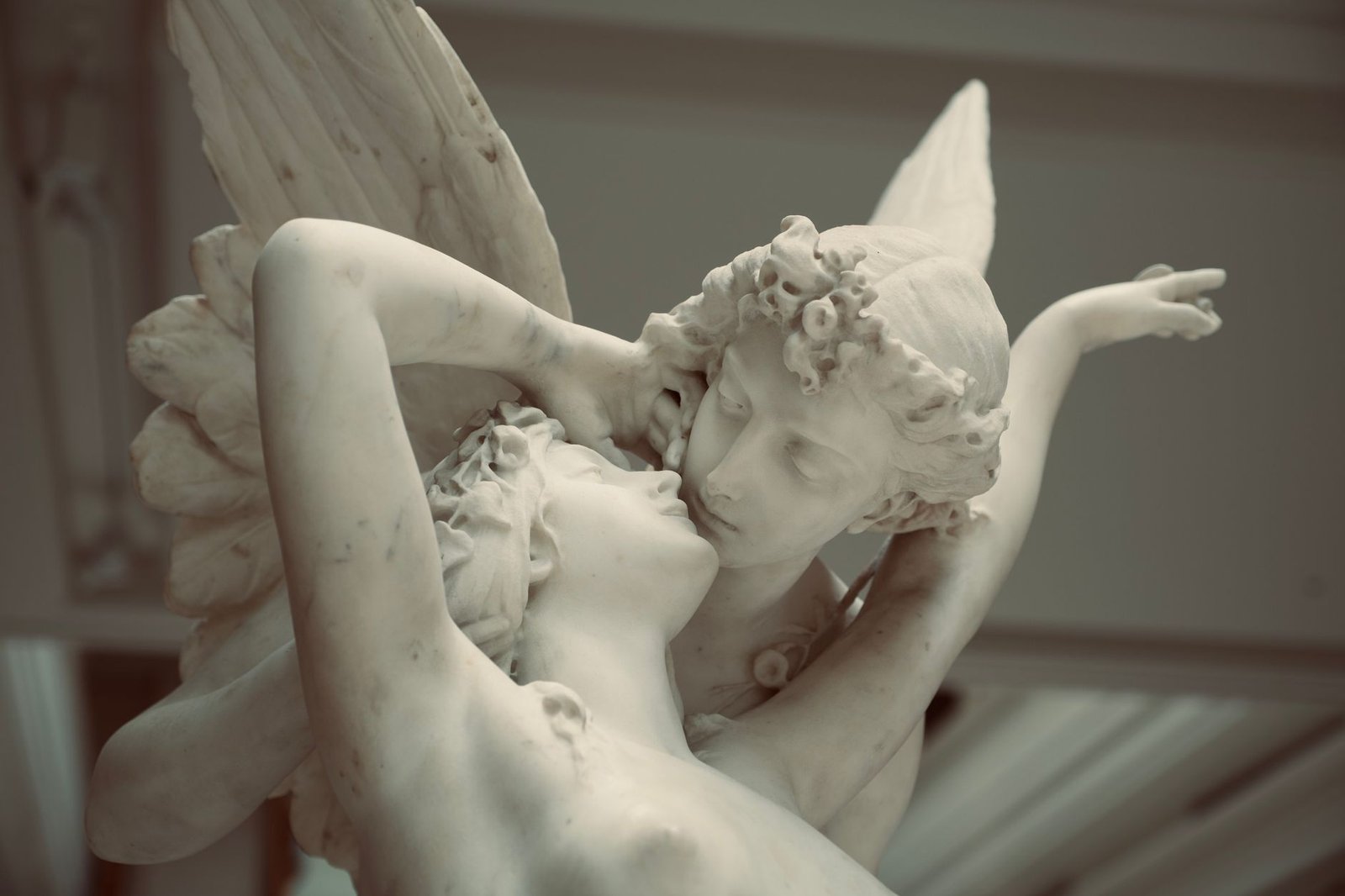
Psyche: Greek Goddess of the Soul and Mythology
Psyche is a central figure in Greek mythology and a lasting symbol of the soul, whose story of love, loss, and transformation has shaped Western literature, philosophy, and art. From her origin as the “breath of life” to her union with Eros and eventual immortality, the myth of Psyche reveals why her name remains important in both ancient tradition and modern thought.
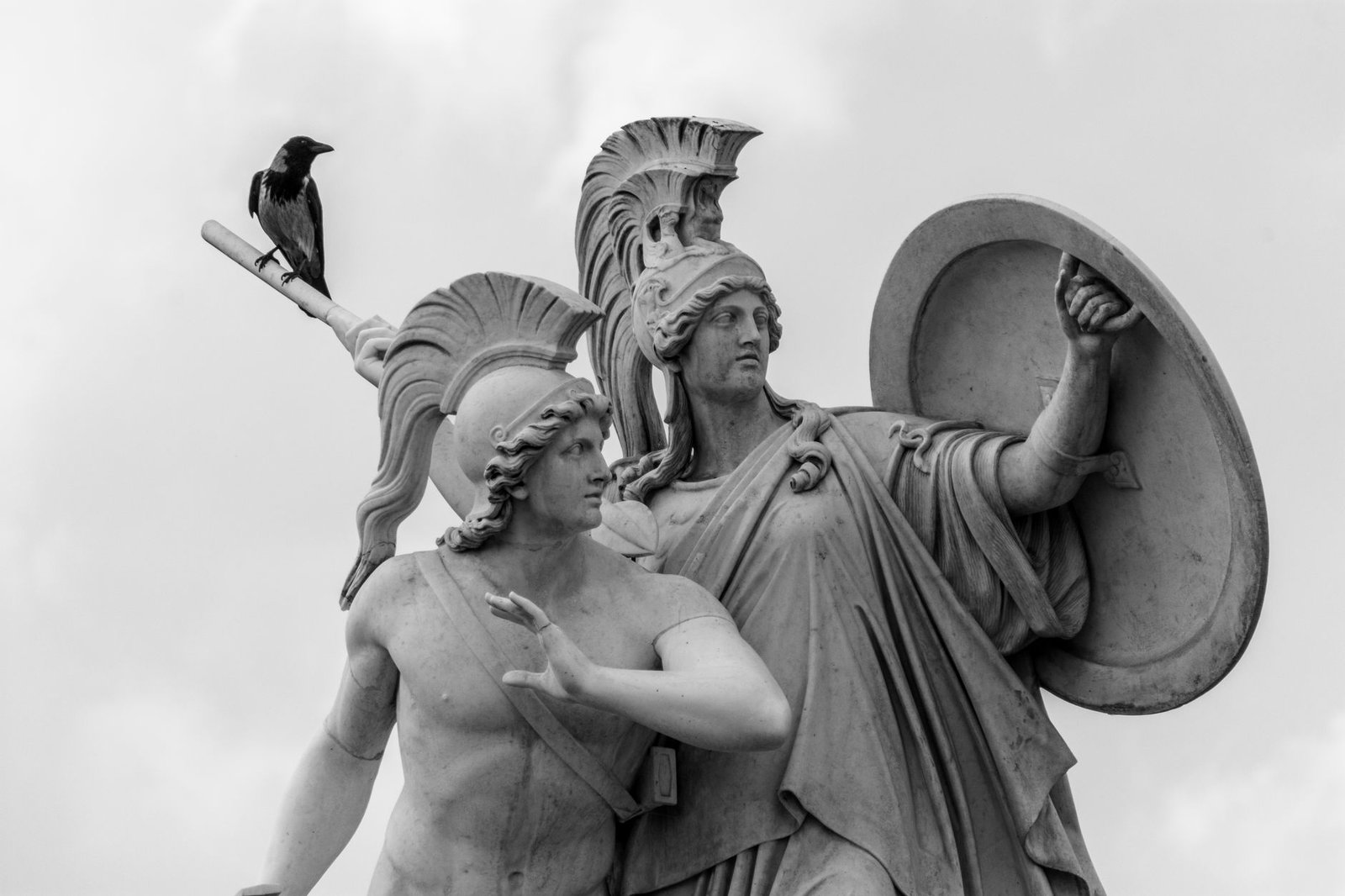
Apollo: Greek God of Music, Poetry, and Sun
Apollo is one of the most enduring figures in Greco-Roman mythology, revered as the god of prophecy, music, healing, and archery. His cult at Delphi and Delos, along with his complex role as both benefactor and punisher, reveals why Apollo remained a powerful symbol of order, harmony, and divine authority across ancient and later Western culture.

Delphi Tripod: Ancient Greek Oracle Symbol and Artifact
The Delphi Tripod was a sacred three-legged object central to the sanctuary of Apollo at Delphi, where it symbolized prophecy, divine authority, and the ritual setting of the Oracle. Exploring its origins, religious meaning, and appearances in myth and art reveals how a practical vessel stand became one of the most enduring emblems of ancient Greek religion.
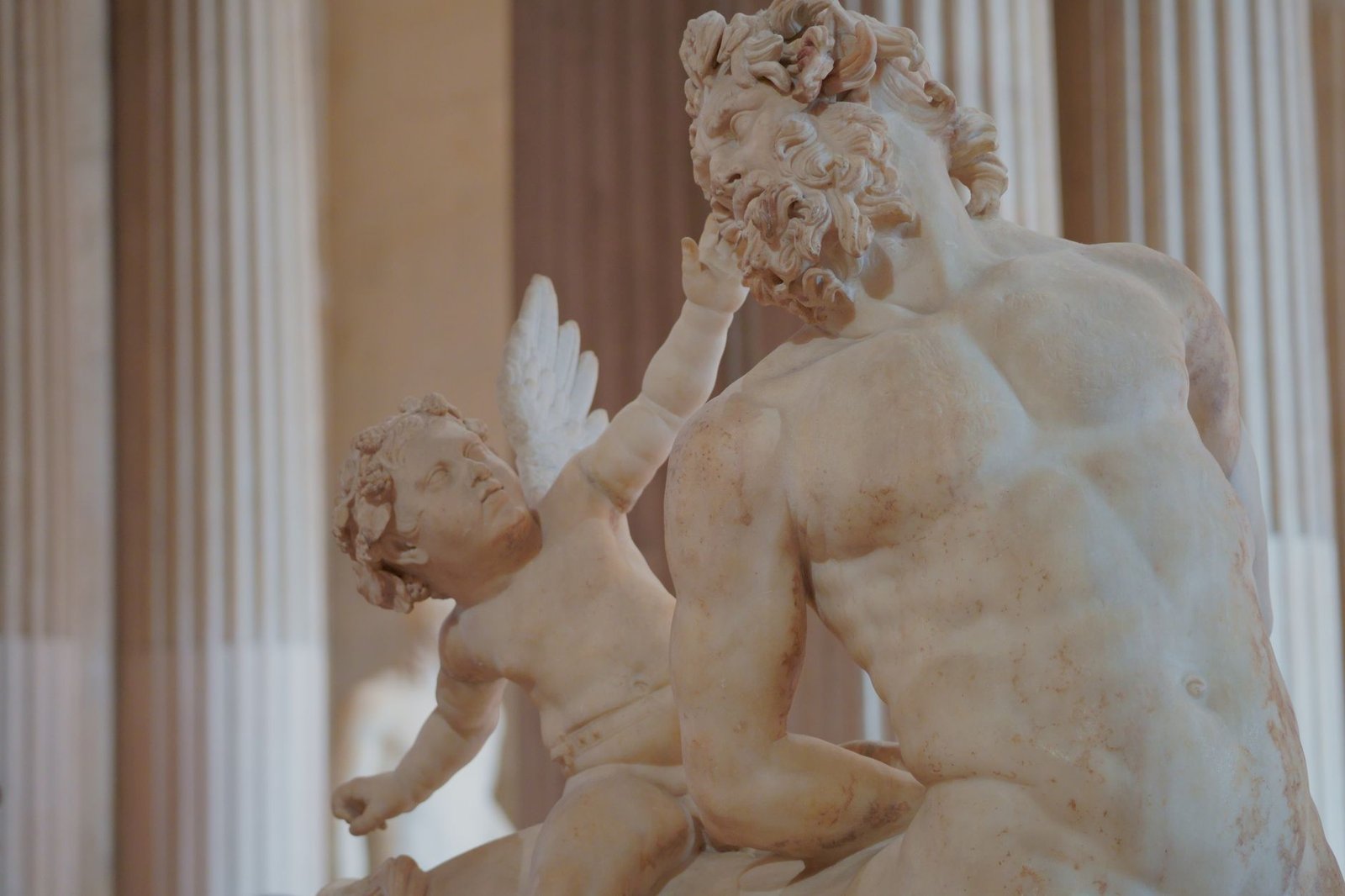
Ladon: Greek Mythology Dragon and Guardian of the Apples
Ladon is the many-headed serpent or dragon of Greek mythology, famed for guarding the golden apples in the Garden of the Hesperides and for appearing in the stories of Heracles, Atlas, and the boundary between mortal and divine realms. His shifting portrayals in myth and art reveal a powerful ancient symbol of vigilance, danger, and the challenge of reaching what is sacredly protected.

Typhon and Echidna: Why So Many Monsters Descend From Them
In Greek mythology, the focus keyword explains how Typhon and Echidna came to be cast as the progenitors of a remarkable line of monsters, from Cerberus and the Hydra to the Chimera and beyond. Their family tree is more than a catalogue of horrors: it reveals how the Greeks gave shape, order, and meaning to chaos, and why these figures remained central to mythic storytelling.
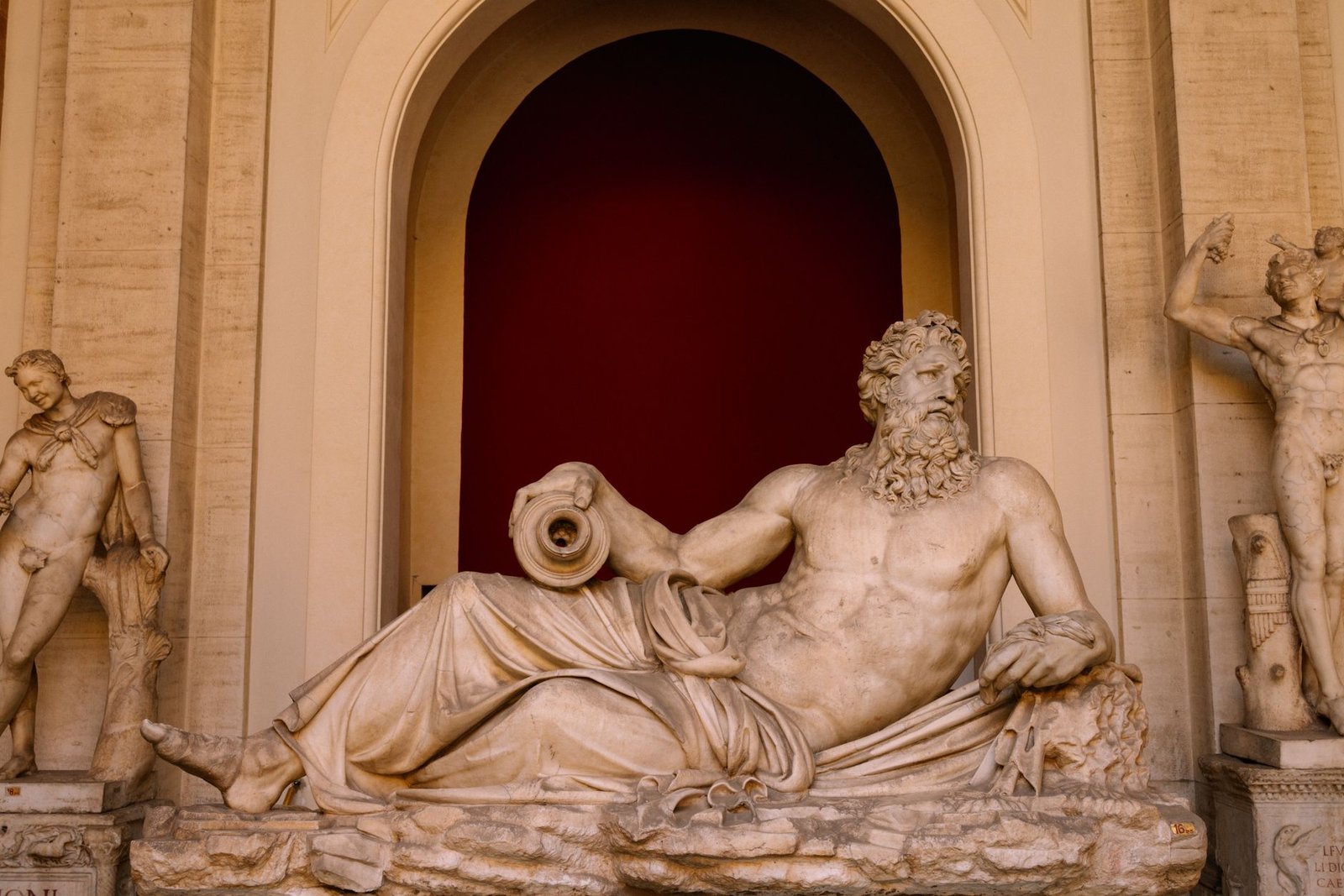
Zeus and Leda: Greek Myth and the Swan Legend
**Zeus and Leda** is a central myth of Greek tradition in which the king of the gods appears to Leda as a swan, leading to the birth of figures such as Helen of Troy and the Dioscuri. Its lasting importance lies in the story’s themes of divine power, transformation, and contested consent, as well as its profound influence on art and literature.

The Danaides’ Punishment in Greek Mythology Explained
The Danaides punishment is a classic Greek myth of eternal penance, in which the fifty daughters of Danaus are condemned in Hades to fill perforated jars with water, a labor doomed to fail. Beyond its striking image of futile effort, the story has shaped interpretations of divine justice, guilt, and the symbolic meaning of endless, meaningless work.

Orpheus and Eurydice: Greek Myth Explained
Orpheus and Eurydice is one of Greek mythology’s most haunting stories, uniting love, music, death, and the fragile hope of return from the underworld. This excerpt traces the myth’s origins, its symbolic meaning, and the decisive moment that has inspired poets, artists, and thinkers for more than two millennia.
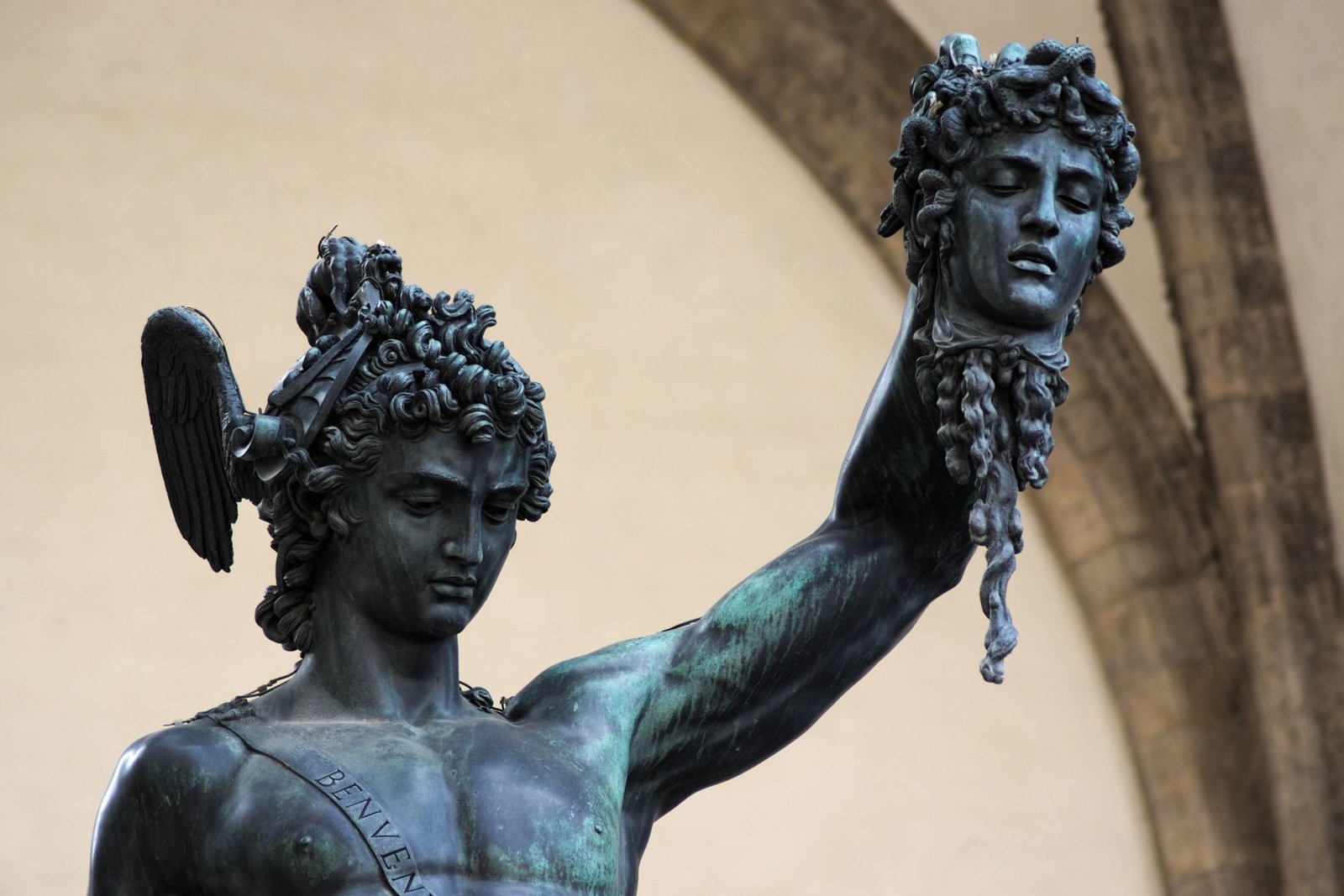
Perseus and Medusa: Greek Mythology Story and Meaning
Perseus and Medusa is a foundational Greek myth in which a divinely aided hero undertakes the perilous task of beheading the mortal Gorgon, Medusa, whose gaze turns living beings to stone. Across ancient and later retellings, the story explores heroism, danger, and the triumph of intelligence over force, inviting readers to trace its deeper meanings and enduring cultural influence.