mythology and legends
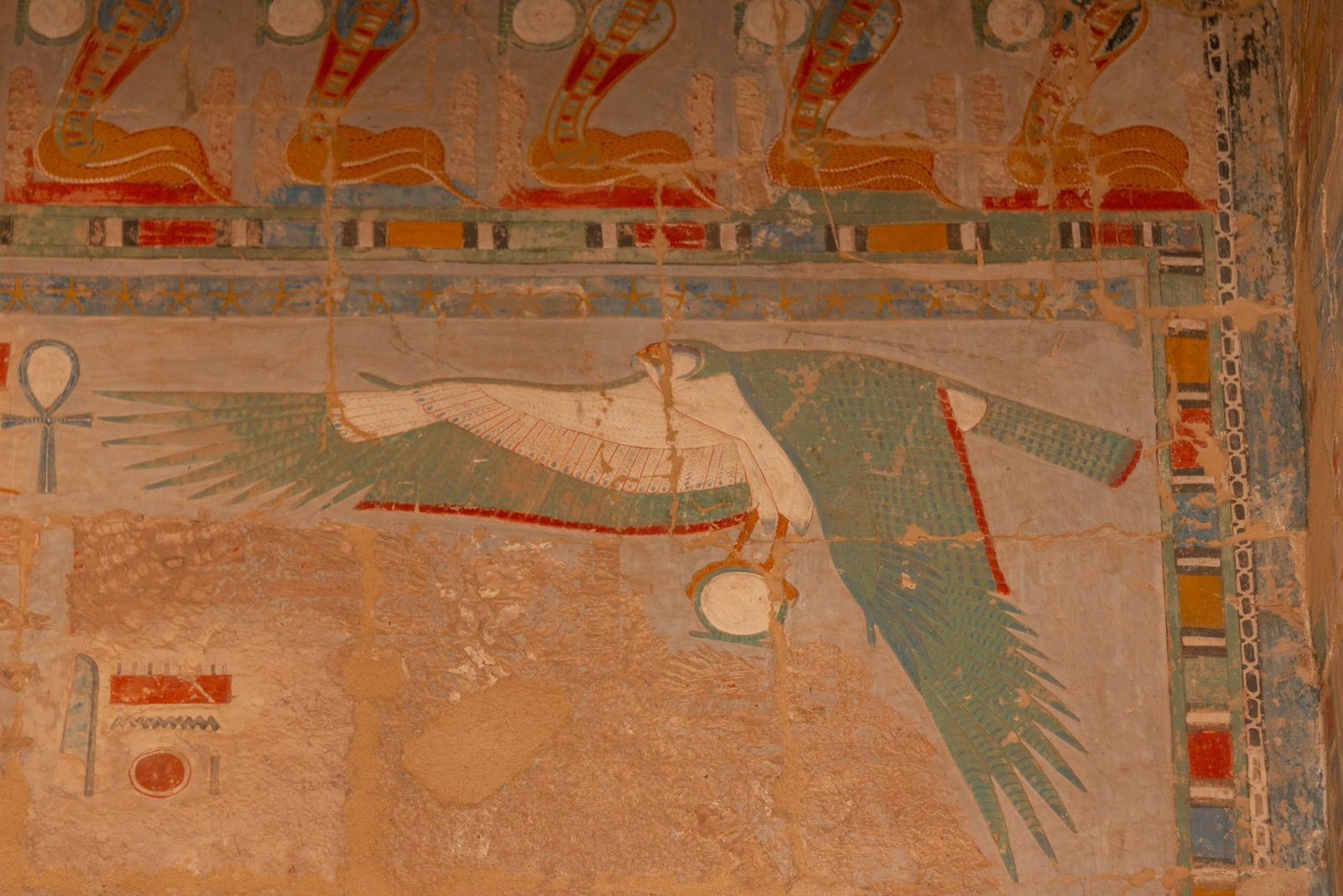
Menat Necklace in Egyptian Mythology: Meaning and Symbolism
The menat necklace in Egyptian mythology was far more than ornament: it was a sacred ritual object linked to Hathor, Isis, fertility, protection, and divine nourishment. This excerpt explores its origins, symbolic meanings, and ceremonial uses, revealing why the menat remains essential to understanding ancient Egyptian religion.
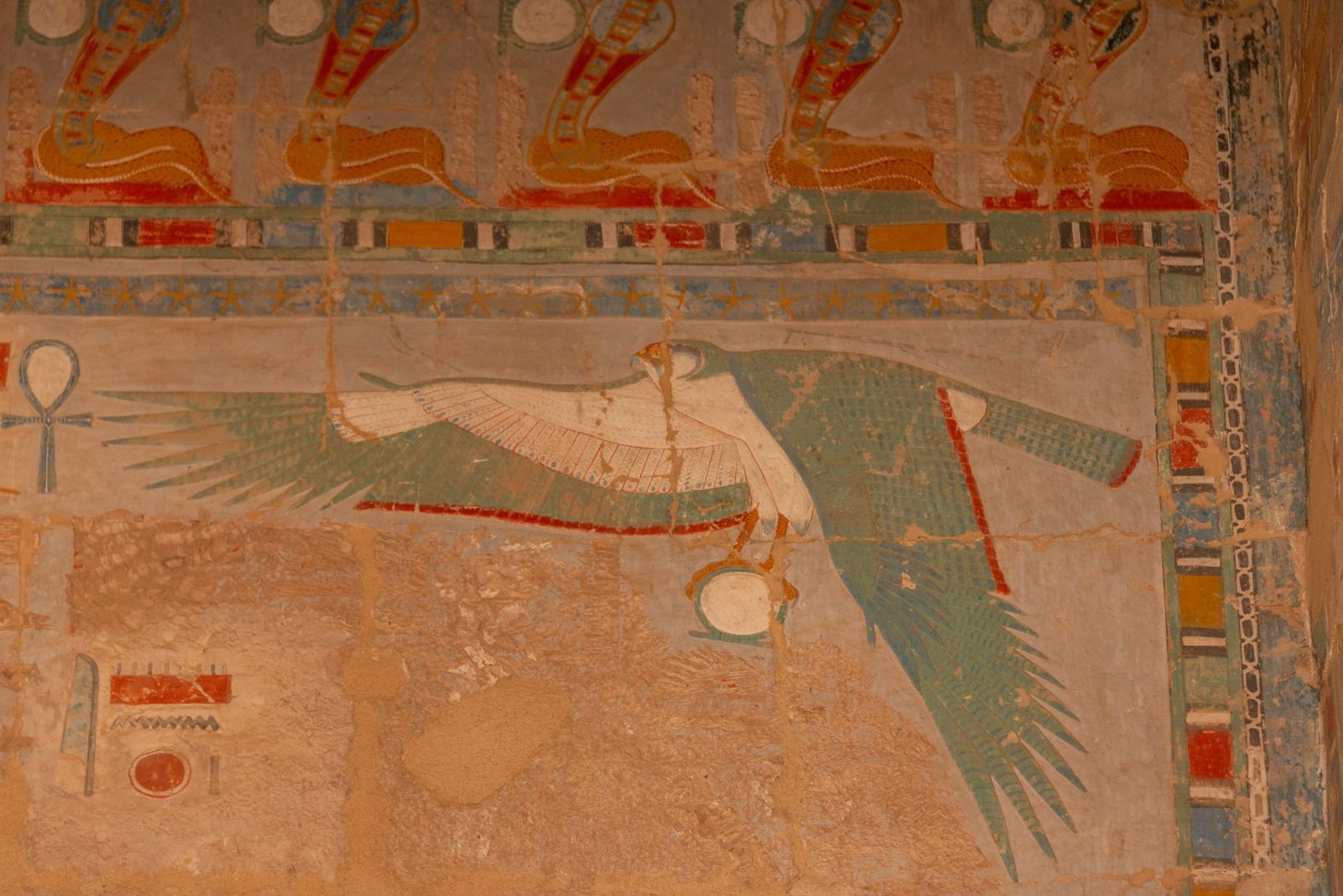
Who Is Atum in Egyptian Mythology? Origin and Meaning
Atum in Egyptian mythology is the self-created creator god who emerged from the primeval waters of Nun, embodying completeness, order, and the first act of creation. Closely tied to Heliopolis and the setting sun, he anchors major Egyptian creation traditions and reveals how ancient theologians understood the origins of the cosmos.
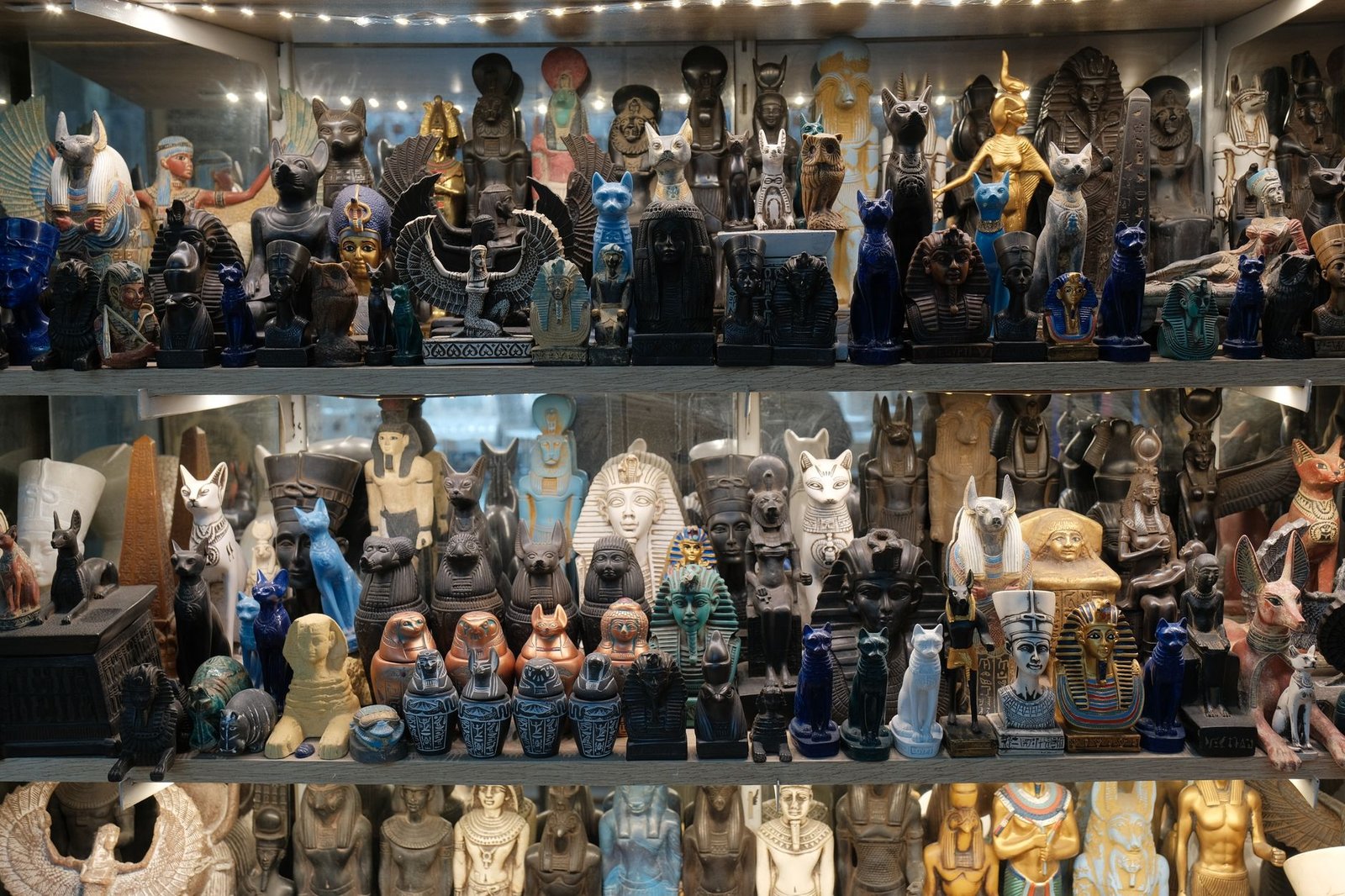
Who Is Set in Egyptian Mythology? Origins and Role
Set in Egyptian mythology is one of ancient Egypt’s most complex gods, associated with chaos, storms, the desert, and violent upheaval, yet also capable of protecting Ra on his perilous nightly journey. This excerpt traces how Set—also called Seth or Sutekh—moved from an early frontier deity to a central figure in myths of Osiris, Horus, and kingship, revealing why his legacy remains so debated.
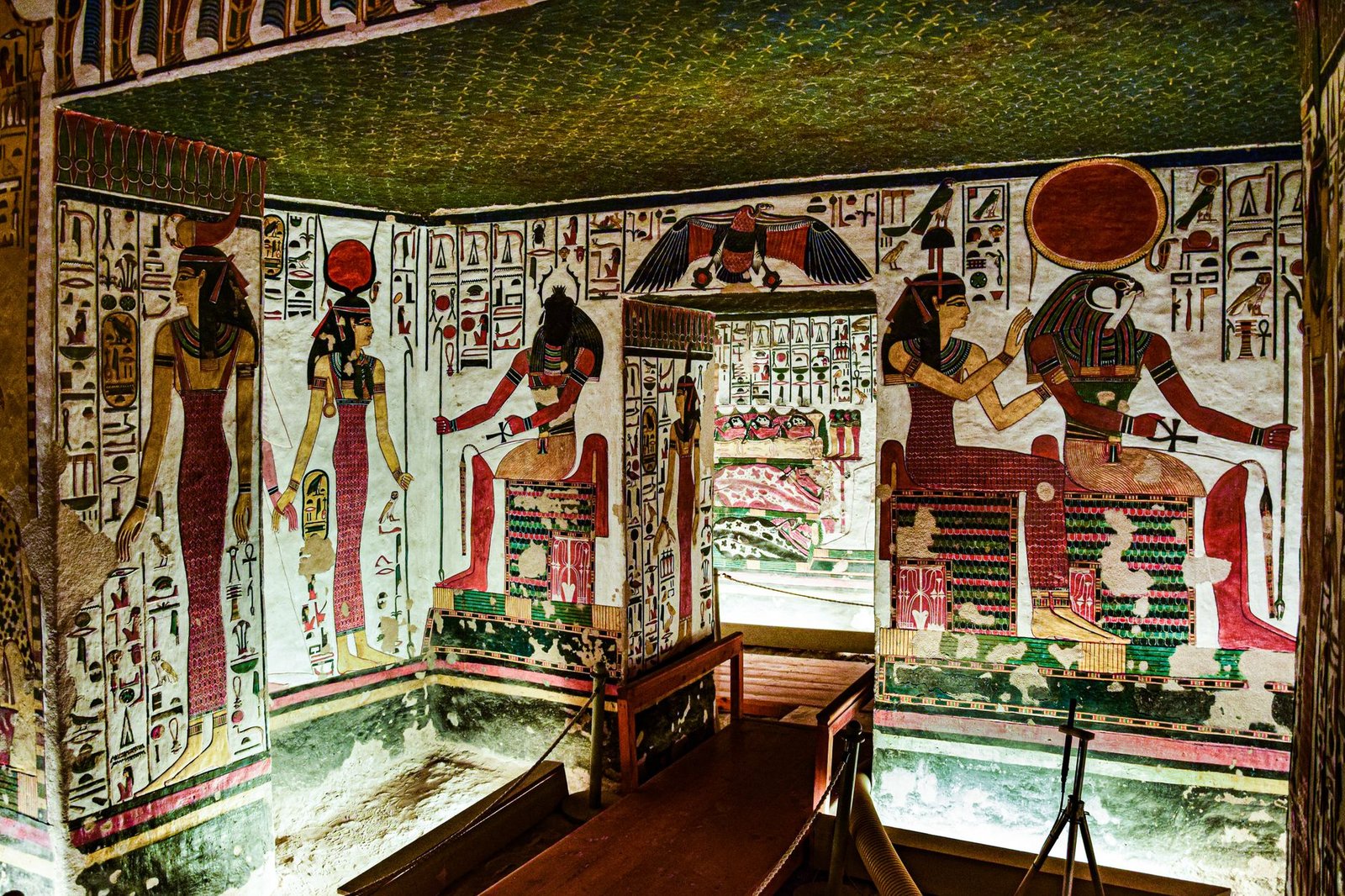
Who Is Heka in Egyptian Mythology? Meaning and Role
Who is Heka in Egyptian mythology? He is both a divine force and a personified deity linked to magic, ritual power, and the spoken word, shaping religion, healing, kingship, and cosmic order. Understanding Heka reveals how ancient Egyptians explained the unseen power behind creation and sacred action.
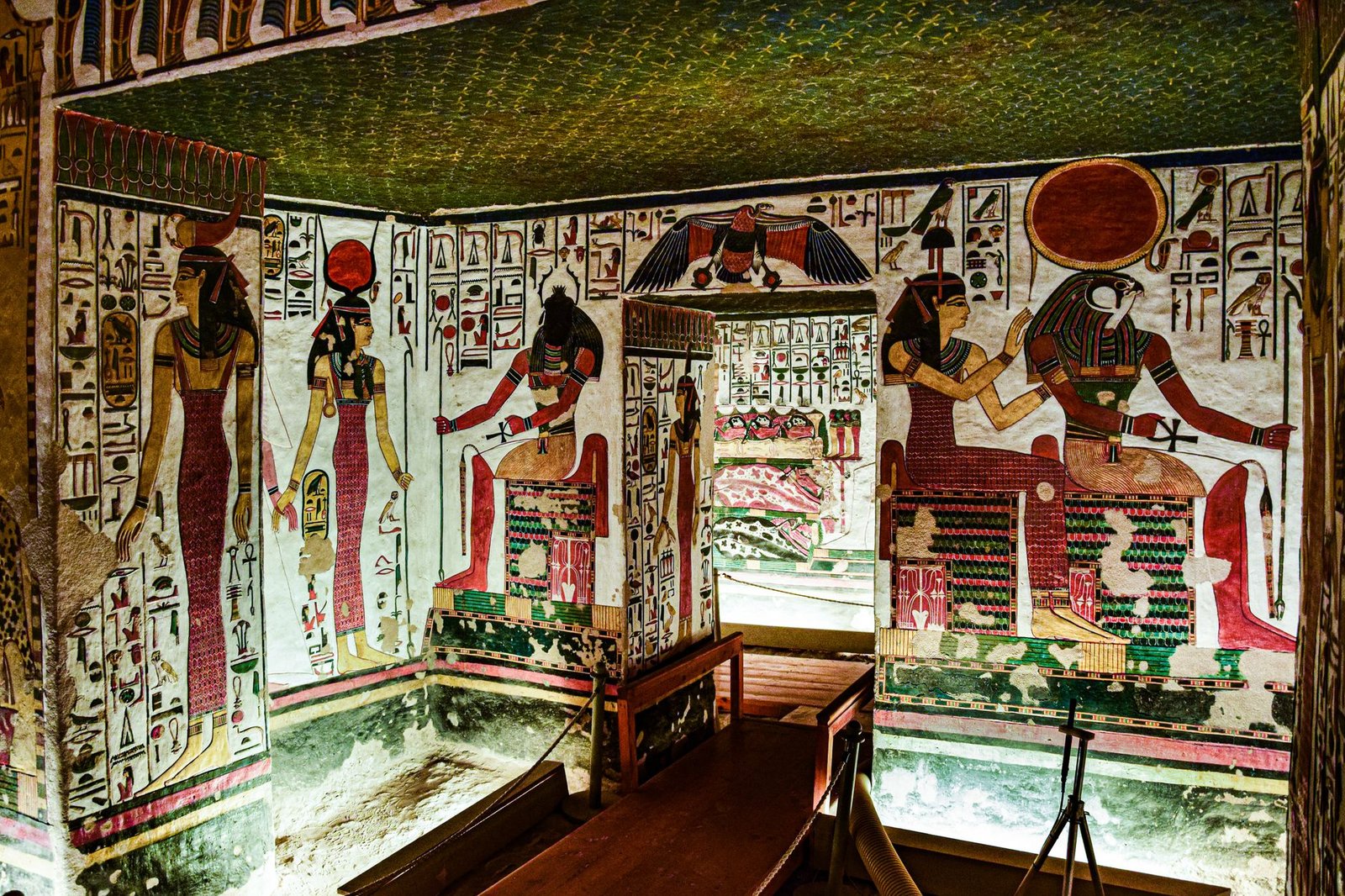
Who Is Aten in Egyptian Mythology? History and Meaning
Aten in Egyptian mythology is the sun disk itself, a solar power usually shown as a radiant disk with hands extending toward the world. Best known for its elevation under Akhenaten, Aten became the center of an extraordinary religious reform that transformed how the ancient Egyptians understood divinity, kingship, and the sun.