mythology and legends
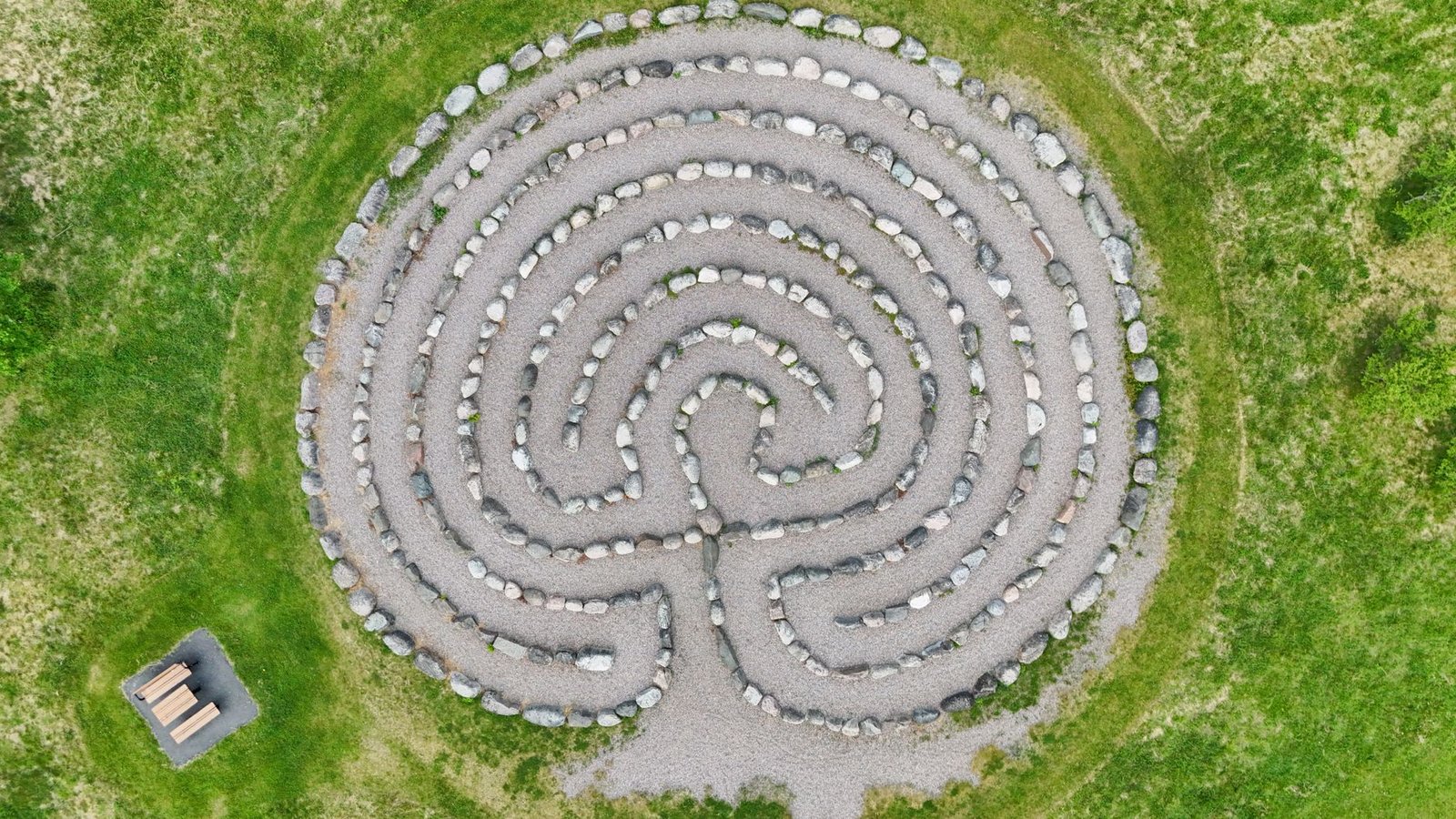
Labyrinth: Definition, History, and Cultural Significance
A labyrinth is a complex network of winding passages that can function as a maze, a single-path design, or a powerful metaphor for uncertainty and discovery. From the Greek myth of the Minotaur and Daedalus to temple plans, church pavements, and modern art, the labyrinth reveals how cultures have long used intricate forms to express trial, guidance, and hidden knowledge.
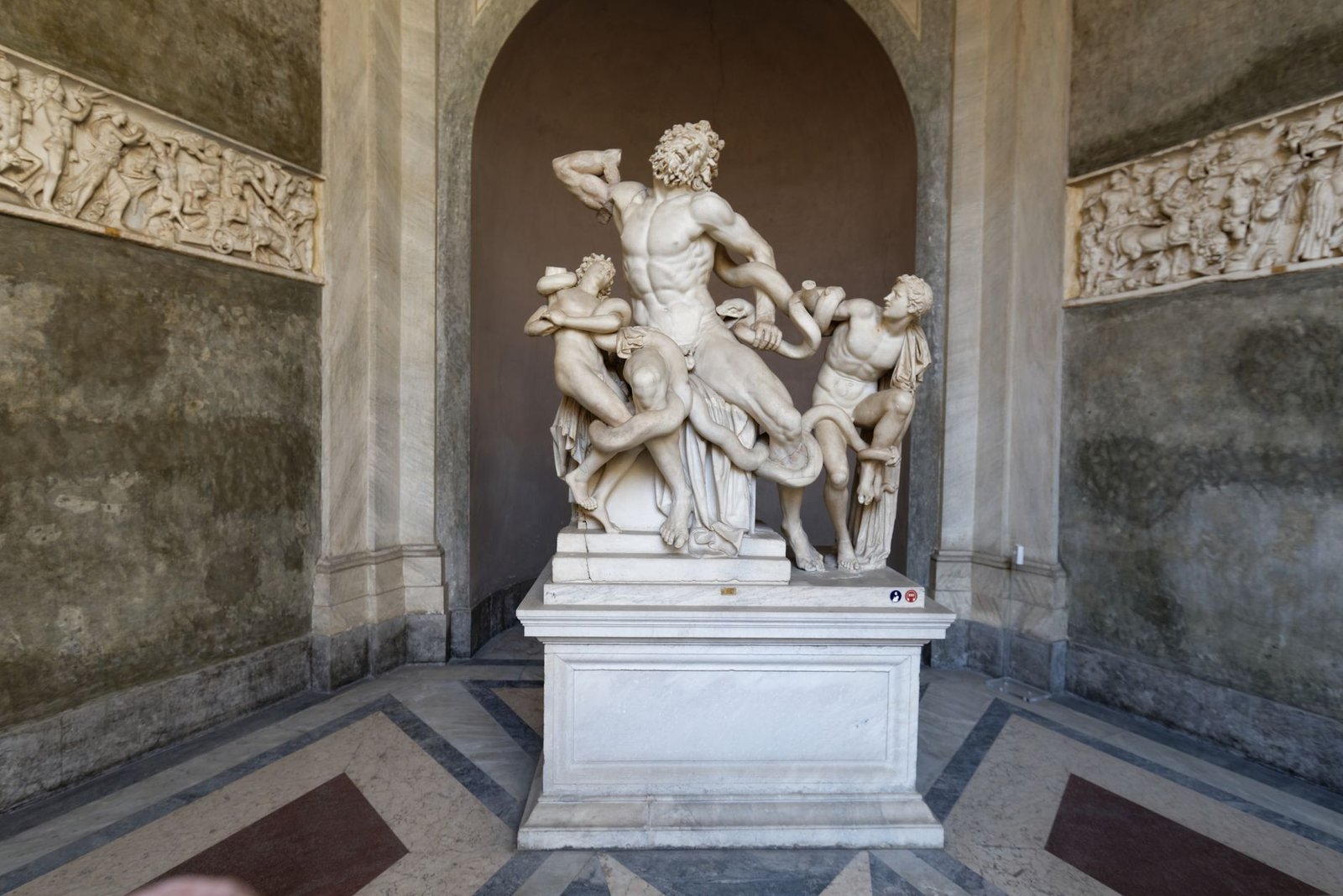
Cerberus: The Three-Headed Dog in Greek Mythology
Cerberus is the formidable watchdog of Greek mythology’s Underworld, famously guarding the threshold between the living and the dead. This encyclopedia article traces his origins, uncertain name, and enduring role in myth, art, and later culture, revealing why this terrifying guardian still captures attention today.

Satyrs: Definition, Origin, and Mythology Explained
Satyrs are enduring figures of Greek mythology, portrayed as wild companions of Dionysus who embody music, intoxication, fertility, and the untamed side of nature. This excerpt traces their origins, shifting meanings, and artistic legacy, while showing how satyrs came to symbolize the uneasy boundary between civilization and instinct.
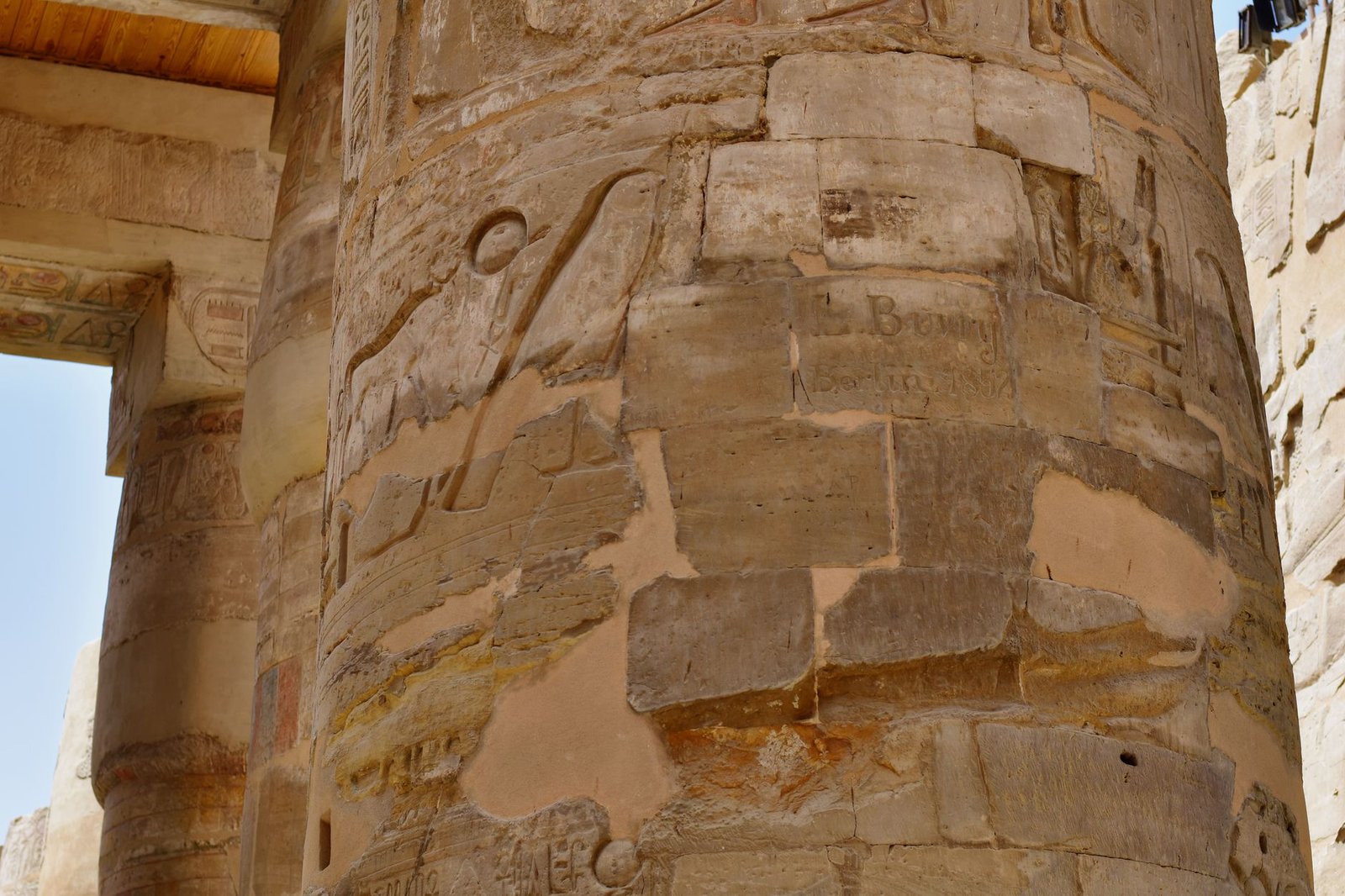
Cadmus and the Founding of Thebes in Greek Mythology
Cadmus and the founding of Thebes lies at the heart of one of Greek mythology’s most enduring foundation stories, in which a Phoenician prince becomes the legendary builder of a major Boeotian city. His quest, the dragon he defeats, and the divine and dynastic consequences that follow reveal how the myth explains Thebes’s origins, cultural ties, and tragic royal legacy.
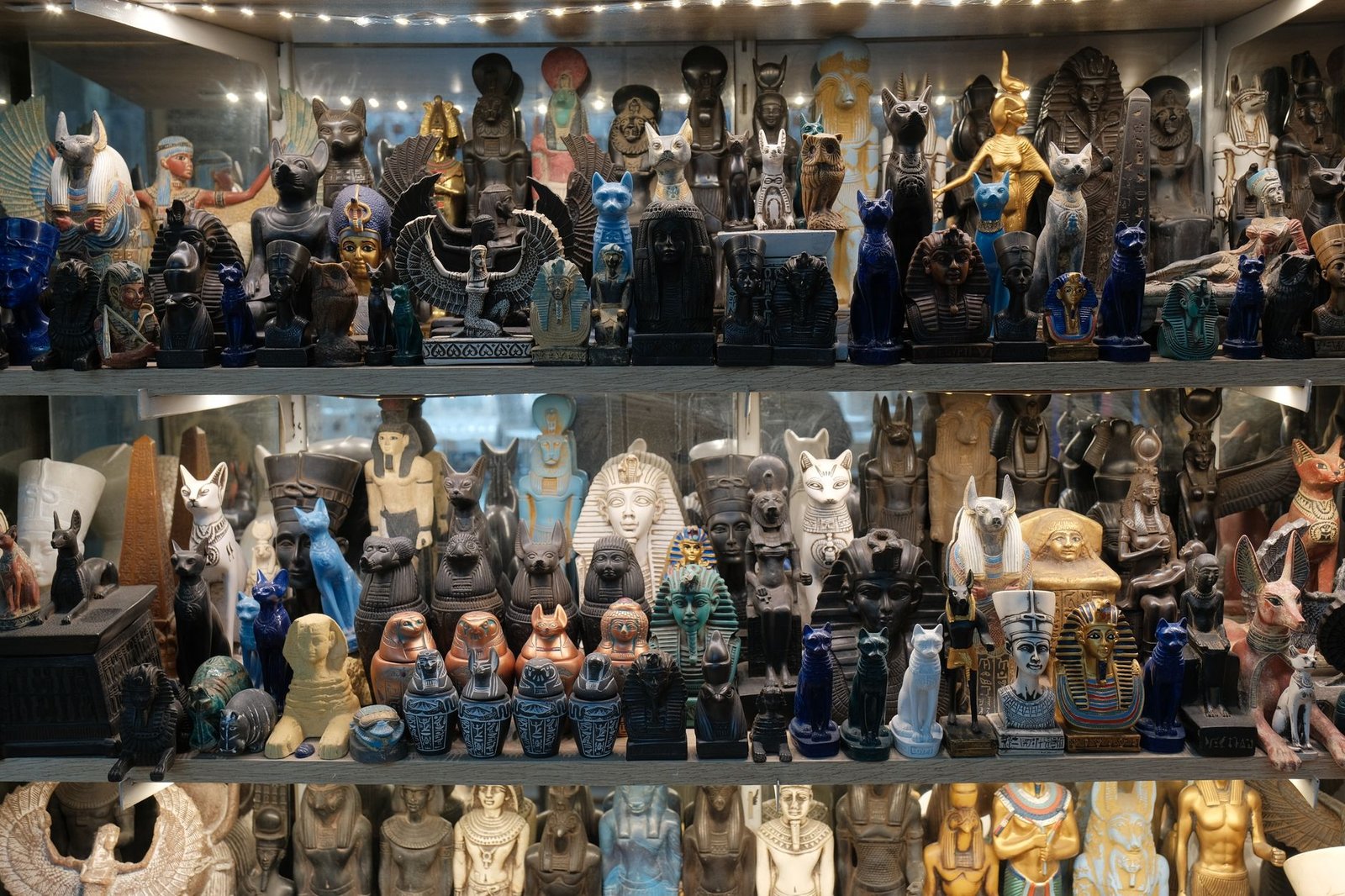
What Is the Eye of Ra in Egyptian Mythology?
The Eye of Ra in Egyptian mythology is a powerful divine force linked to the sun god Ra, embodying protection, kingship, and the ability to punish disorder. Emerging in many forms and often associated with goddesses such as Sekhmet and Hathor, it reveals how the Egyptians understood both cosmic balance and the dangerous power behind creation.
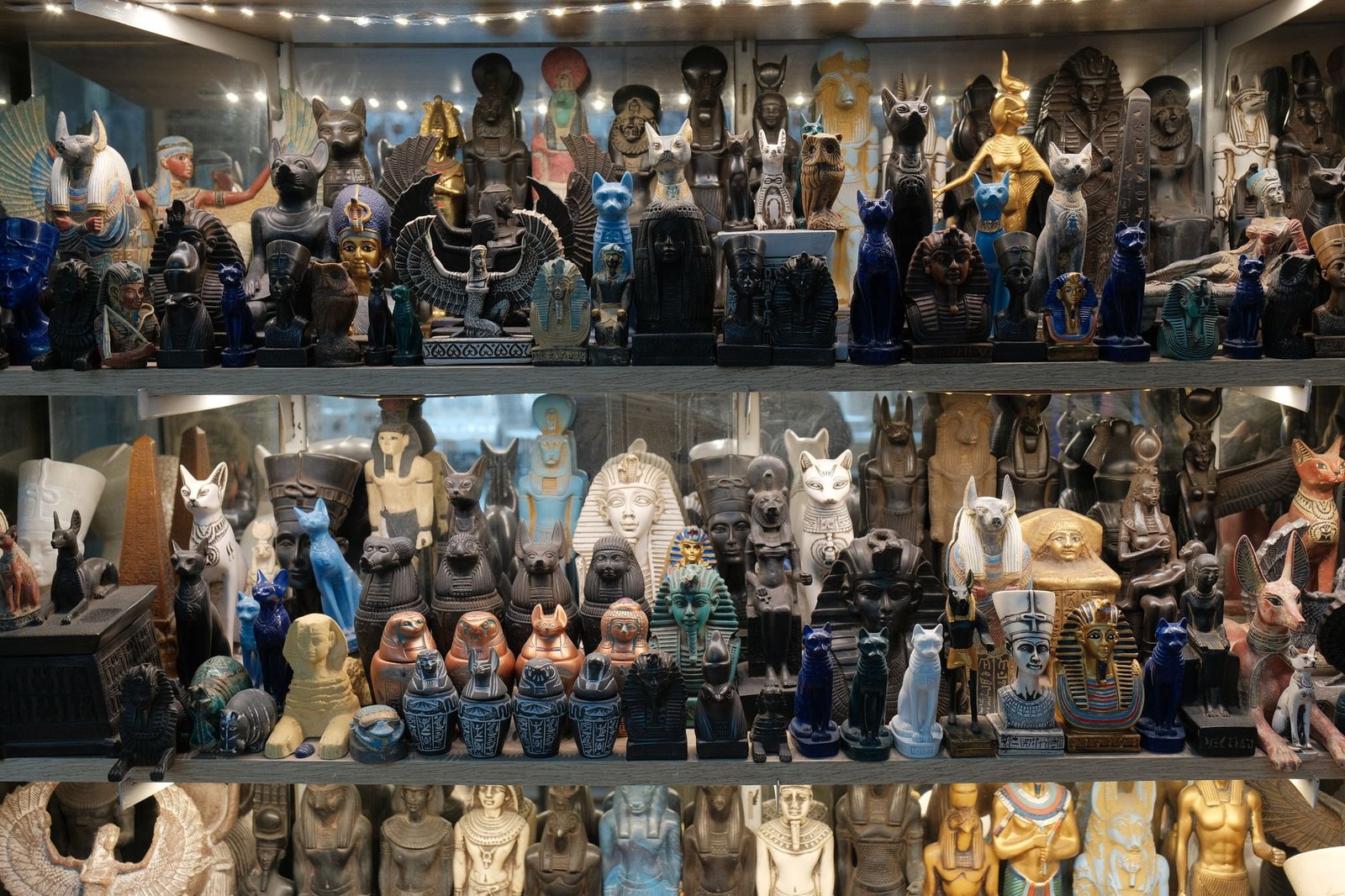
Eye of Horus vs. Eye of Ra: Key Differences Explained
The difference between the Eye of Horus and the Eye of Ra lies in their divine associations: one symbolizes Horus’s restored, protective power, while the other embodies Ra’s solar force and often its destructive aspect. Exploring their origins, meanings, and uses in ancient Egyptian belief reveals why these two sacred eyes are related, yet never interchangeable.

What Is the Tyet Knot in Egyptian Mythology?
The tyet knot is an ancient Egyptian symbol of protection, healing, and rebirth, closely linked to Isis and especially prominent in funerary religion. This concise emblem, whose origins may lie in everyday knots or ritual textiles, invites a deeper look at how Egyptians transformed ordinary forms into sacred power.
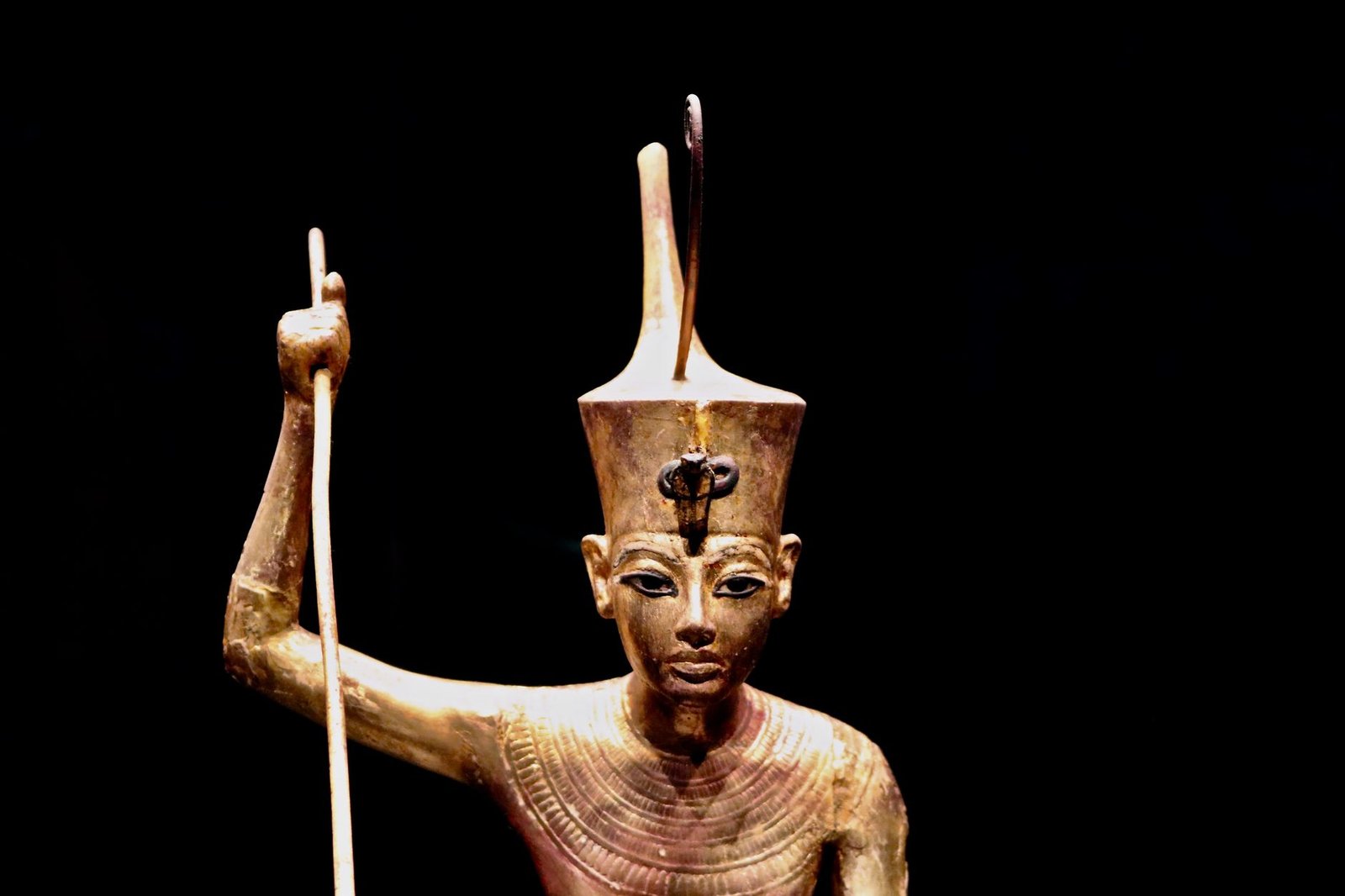
What Is the White Crown of Egypt in Egyptian Mythology
The white crown of Egypt, or hedjet, was the ancient emblem of Upper Egypt and a potent symbol of kingship, divine authority, and sacred protection in Egyptian mythology. Its role in royal iconography, religious scenes, and the later double crown reveals how Egyptians linked political power with cosmic order and unification.
What Is the Djed Pillar in Egyptian Mythology?
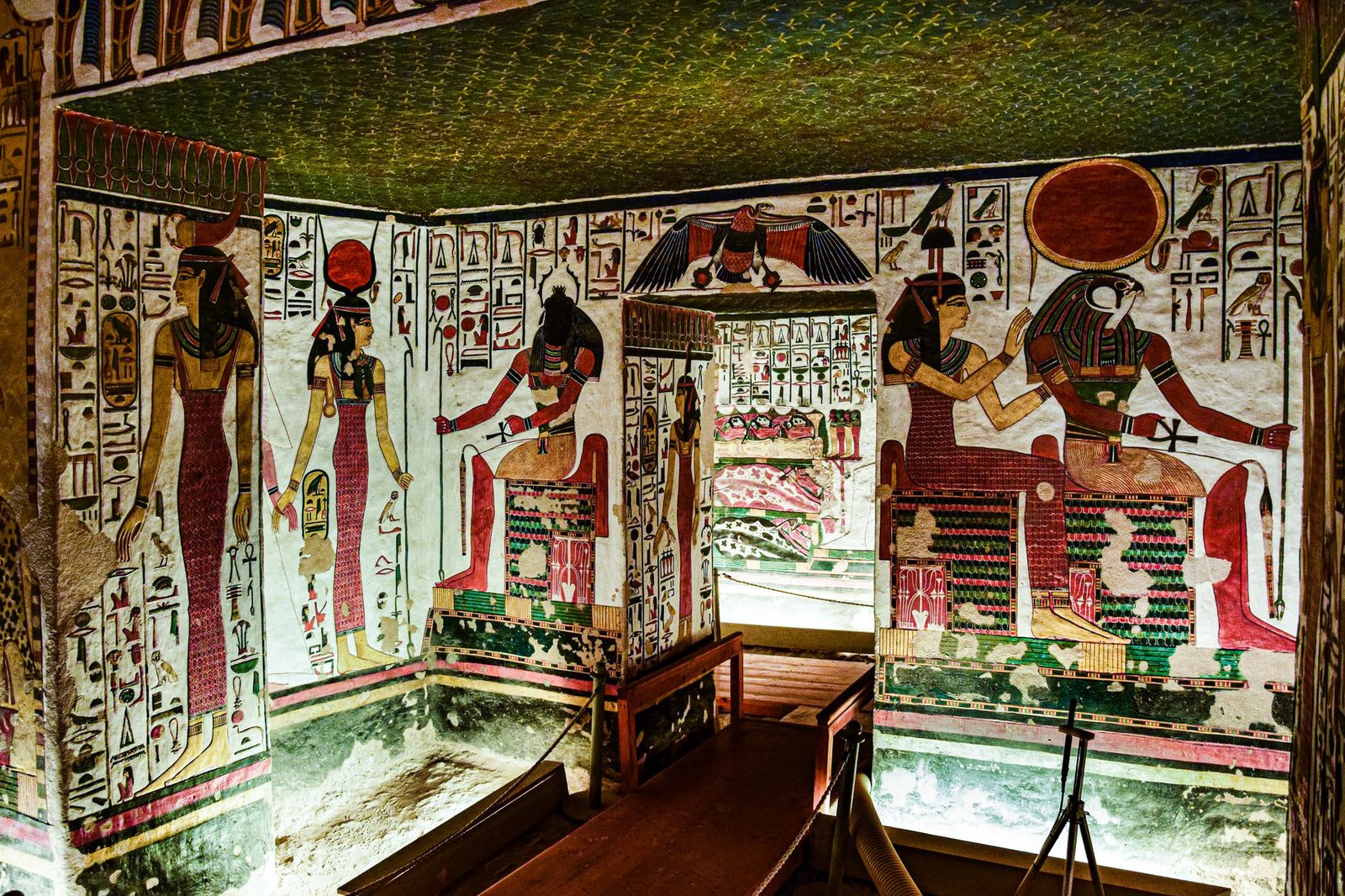
The **Djed pillar** is a central symbol in Egyptian mythology, closely linked to Osiris and the ideas of stability, endurance, and renewal. This brief overview explores its uncertain origins, ritual uses, and deeper meaning in funerary belief, revealing why the emblem remained vital to ancient Egyptian religious life.

What Does the Was Scepter Symbolize in Egyptian Mythology?
The **was scepter** is a central emblem in Egyptian mythology, symbolizing power, dominion, divine authority, and the ordered rule that sustains both kingship and the cosmos. Found in the hands of gods, pharaohs, and priests, it raises deeper questions about how ancient Egyptians linked legitimacy, strength, and sacred authority.