mythology and legends
Juno: Roman Goddess of Marriage and Queenship
Juno is one of the most important deities in Roman religion and mythology, revered as queen of the gods, protector of marriage, and guardian of the Roman state. This article explores her ancient origins, shifting meanings, and enduring influence in Roman worship, showing how Juno united sovereignty, fertility, and female authority in one complex figure.
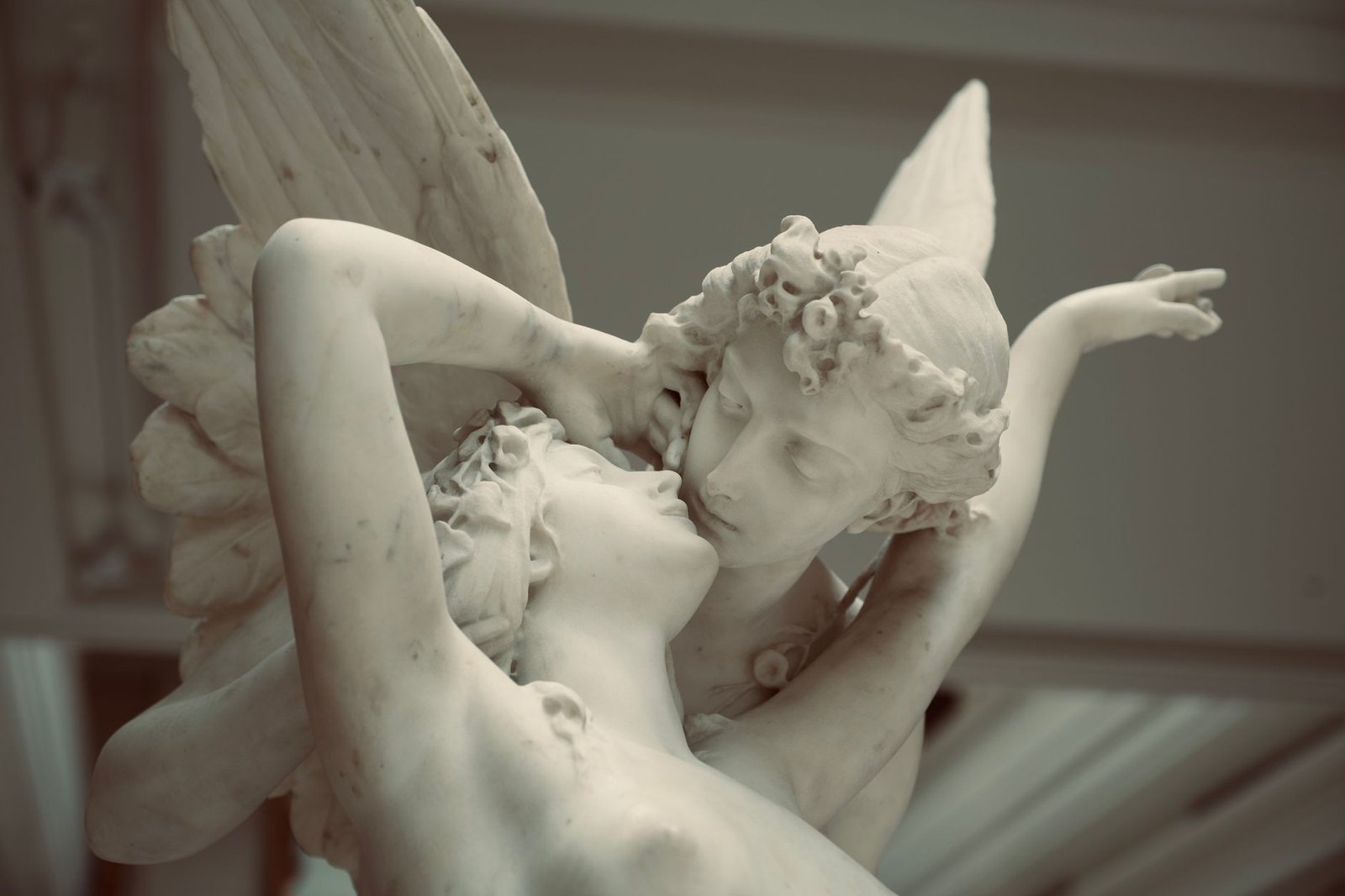
Cupid: Mythology, Symbolism, and Cultural Significance
Cupid is one of the most enduring figures in Greco-Roman mythology, representing desire, affection, and the mysterious force of romantic attraction. From his origins as Eros and the Roman Cupido to the familiar winged archer of Valentine’s Day, his story reveals how ancient myth evolved into a lasting symbol of love.
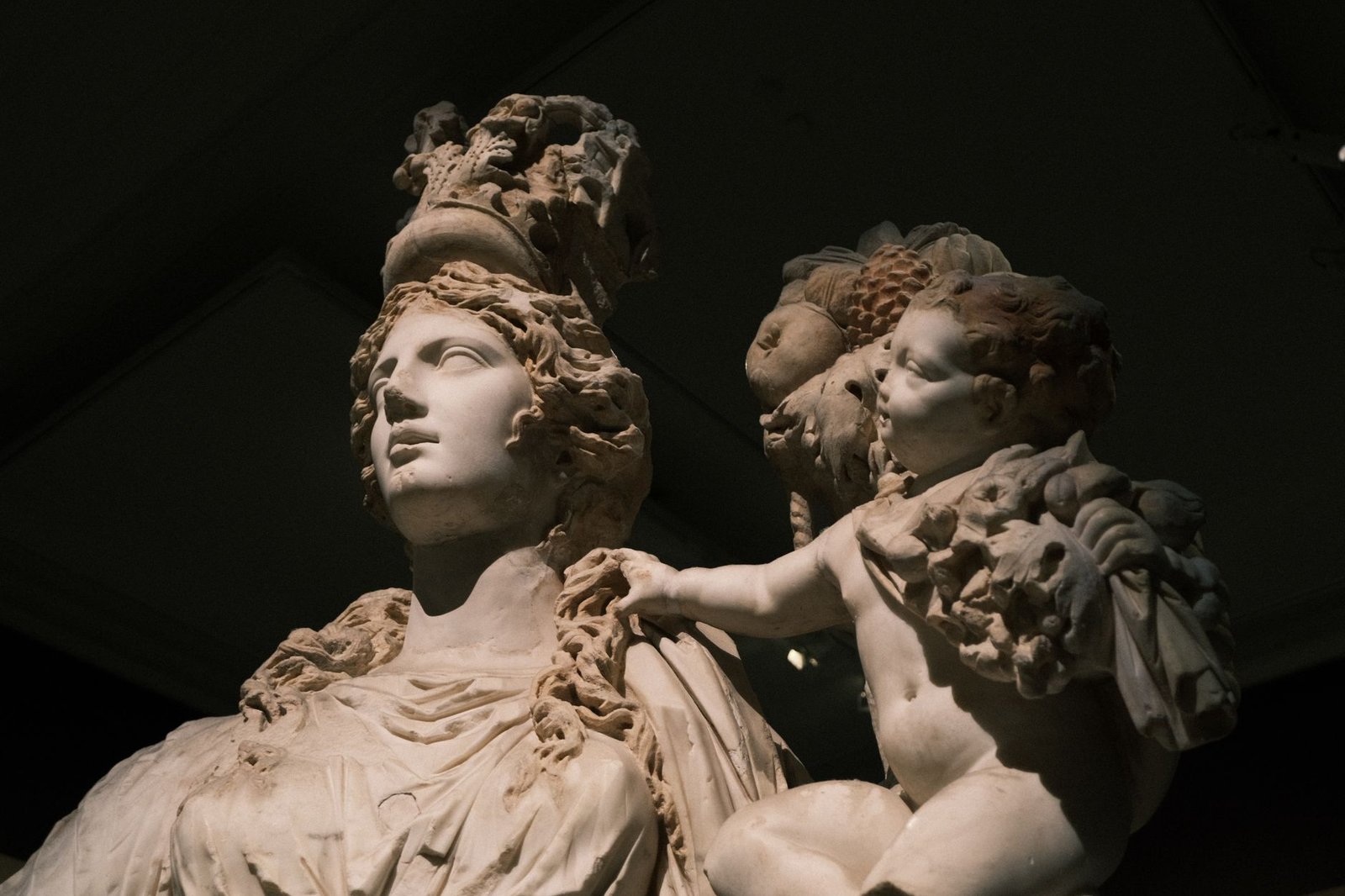
Diana: History, Mythology, and Cultural Significance
Diana is a central figure in Roman religion and mythology, associated with the moon, the hunt, wild nature, childbirth, and female independence. Blending ancient Italian traditions with Greek influence, her cult, symbolism, and enduring legacy reveal why Diana remains a compelling subject in classical and modern culture.
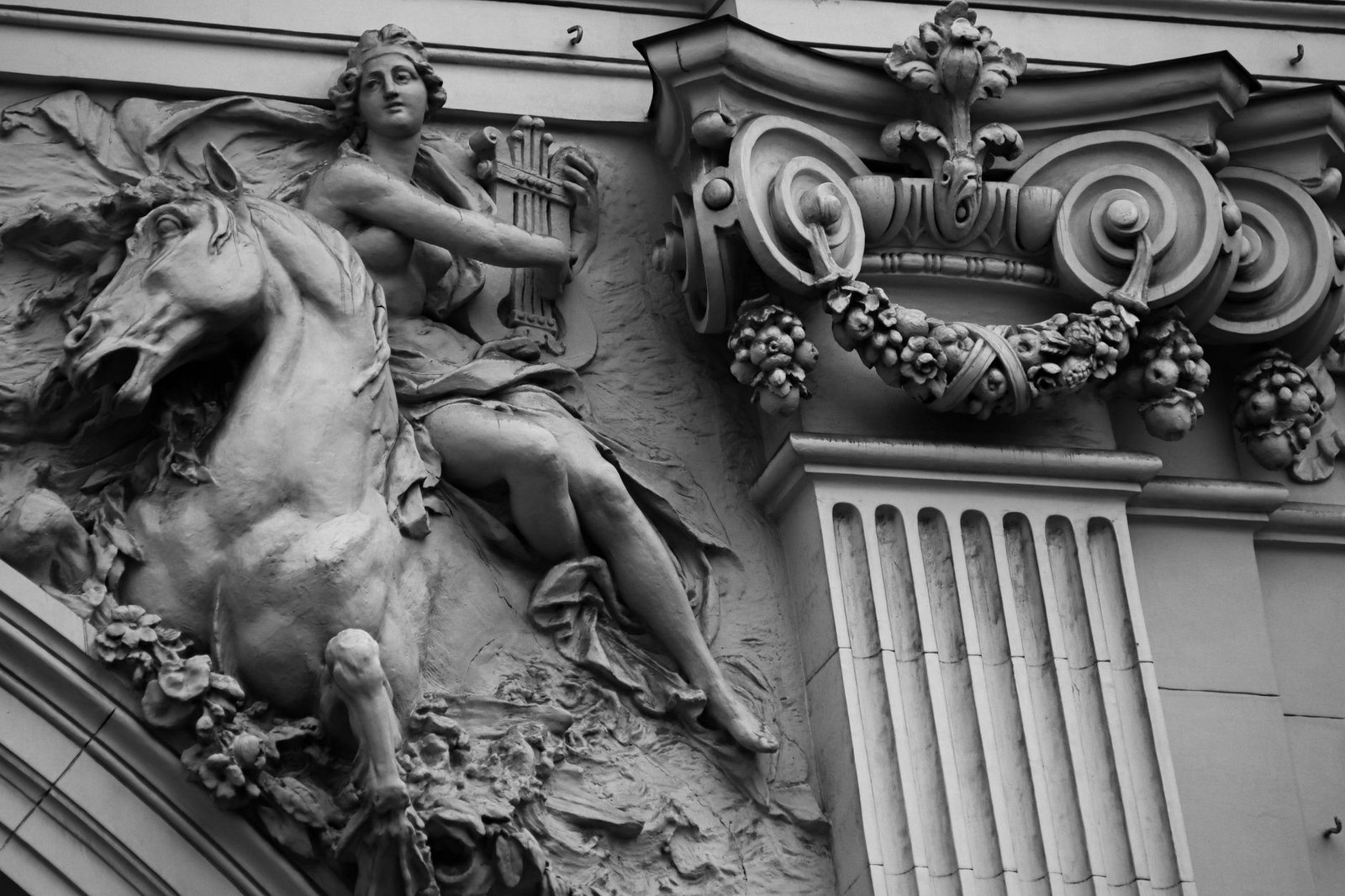
Luna: Meaning, Origin, and Cultural References
Luna, the Roman goddess of the Moon, embodied both the visible celestial body and the divine forces linked to time, fertility, night, and the changing cycles of nature. Her role in Roman religion, literature, and art reveals a distinct identity shaped by ritual practice and symbolism, inviting closer comparison with other moon deities across the ancient world.
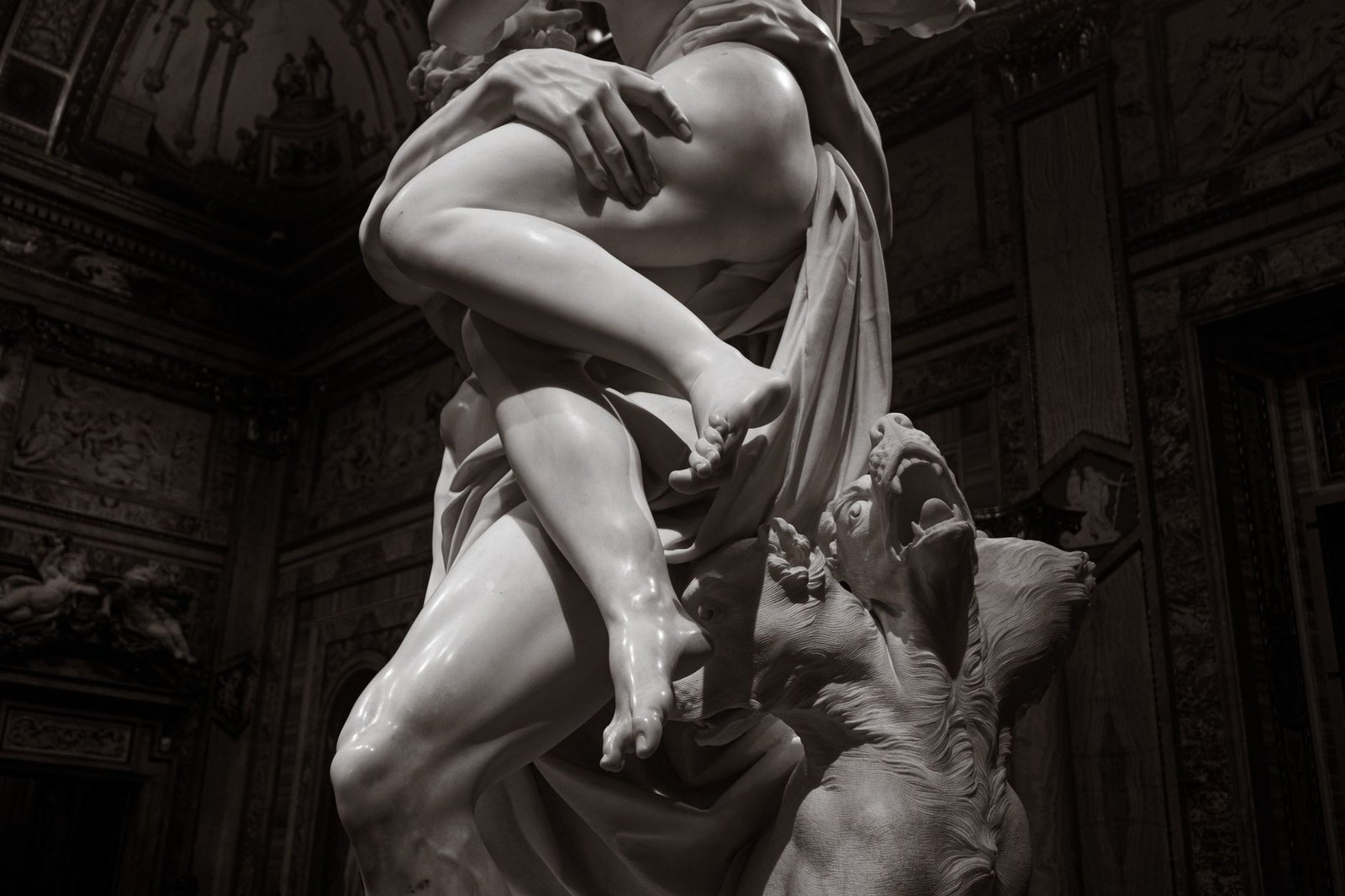
Proserpina: Roman Goddess of Spring and the Underworld
Proserpina is a central figure in Roman religion and mythology, the goddess whose descent to the underworld and return each year were used to explain the changing seasons, fertility, and the uneasy boundary between life and death. As the Roman counterpart of Persephone, she appears in ritual, literature, and art, and her story reveals how ancient thinkers linked the growth of crops to the hidden powers beneath the earth.

Di Indigetes vs. Di Novensiles: Roman Deities Explained
The contrast between Di Indigetes vs Di Novensiles reveals how Romans distinguished between ancestral gods rooted in their own tradition and deities introduced later into the pantheon. Exploring these categories sheds light on Roman ideas of religious authority, cultural continuity, and the adaptation of foreign cults.

Labyrinth: Definition, History, and Cultural Significance
A labyrinth is a complex network of winding passages that can function as a maze, a single-path design, or a powerful metaphor for uncertainty and discovery. From the Greek myth of the Minotaur and Daedalus to temple plans, church pavements, and modern art, the labyrinth reveals how cultures have long used intricate forms to express trial, guidance, and hidden knowledge.
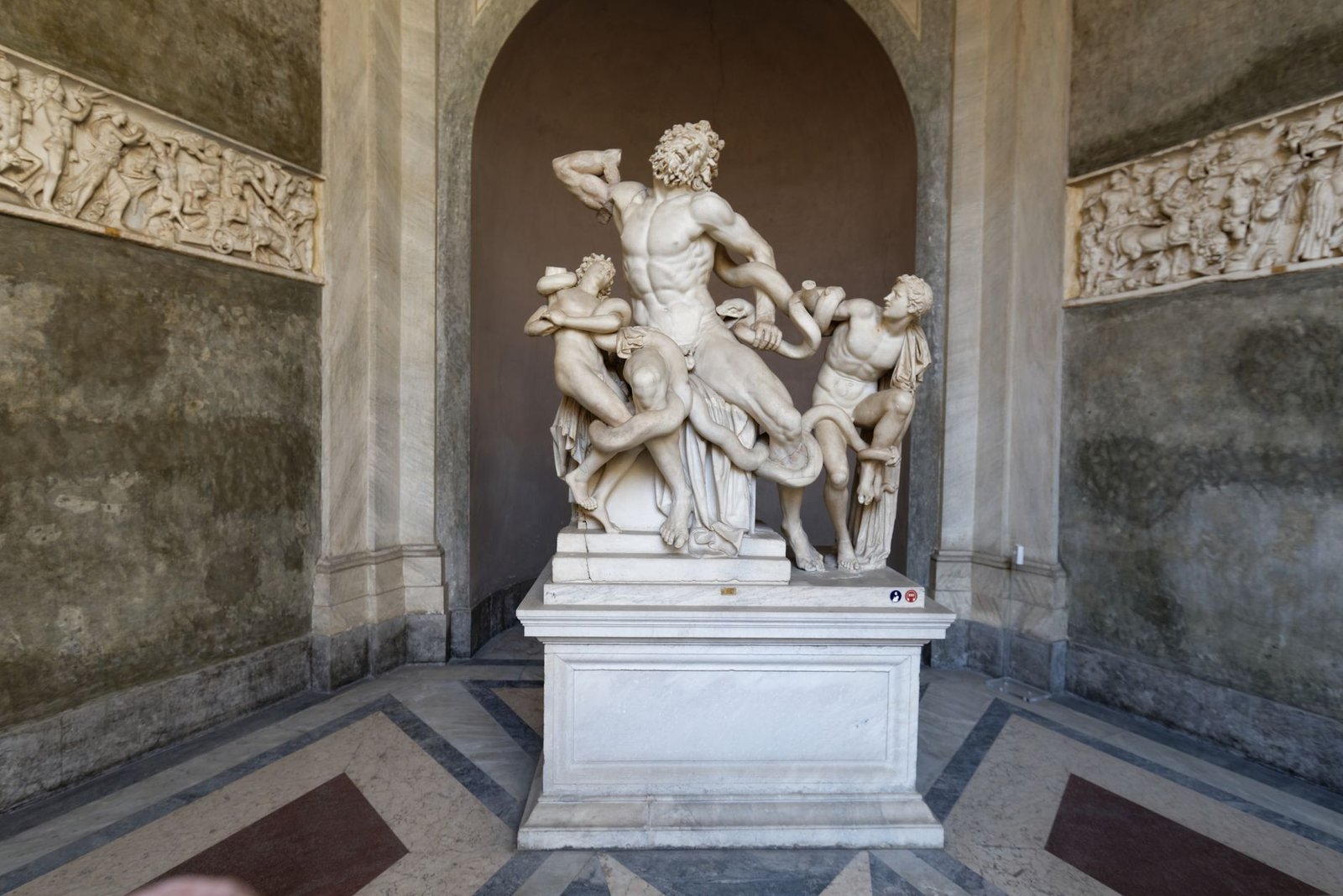
Cerberus: The Three-Headed Dog in Greek Mythology
Cerberus is the formidable watchdog of Greek mythology’s Underworld, famously guarding the threshold between the living and the dead. This encyclopedia article traces his origins, uncertain name, and enduring role in myth, art, and later culture, revealing why this terrifying guardian still captures attention today.

Satyrs: Definition, Origin, and Mythology Explained
Satyrs are enduring figures of Greek mythology, portrayed as wild companions of Dionysus who embody music, intoxication, fertility, and the untamed side of nature. This excerpt traces their origins, shifting meanings, and artistic legacy, while showing how satyrs came to symbolize the uneasy boundary between civilization and instinct.
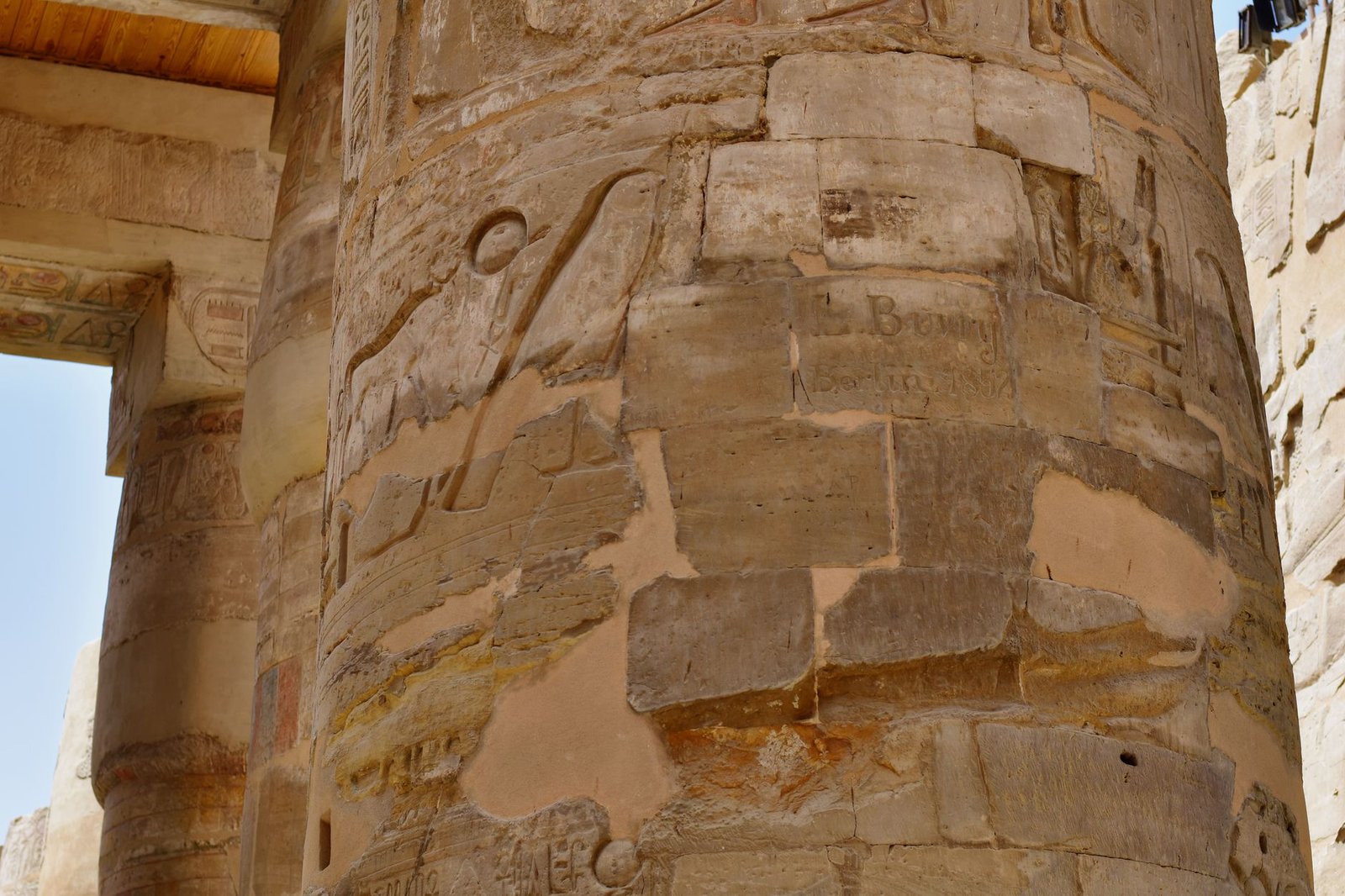
Cadmus and the Founding of Thebes in Greek Mythology
Cadmus and the founding of Thebes lies at the heart of one of Greek mythology’s most enduring foundation stories, in which a Phoenician prince becomes the legendary builder of a major Boeotian city. His quest, the dragon he defeats, and the divine and dynastic consequences that follow reveal how the myth explains Thebes’s origins, cultural ties, and tragic royal legacy.