myths and legends
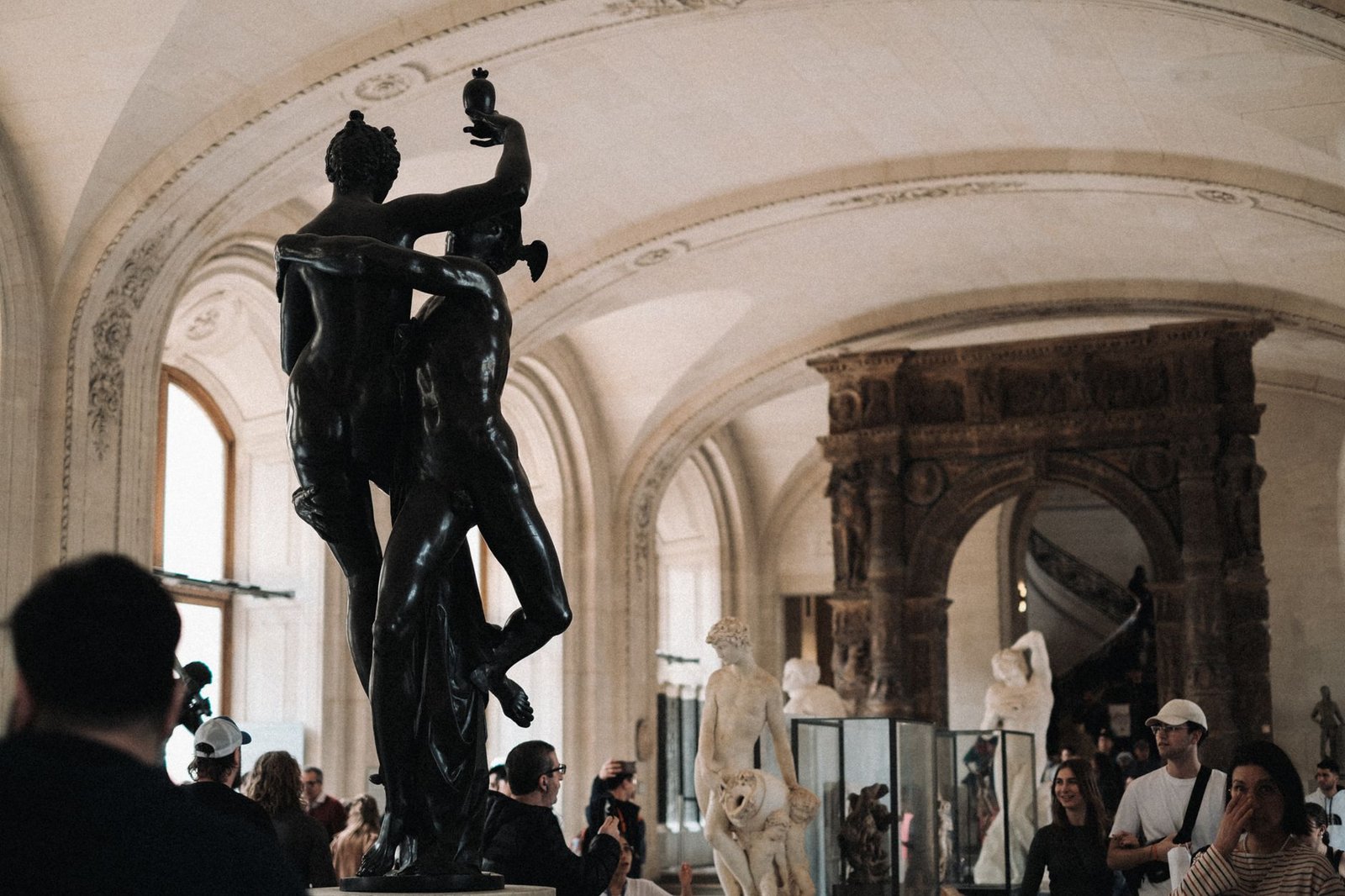
Winged Sandals of Mercury (Talaria): Mythological Guide
The Winged Sandals of Mercury, or talaria, are a striking symbol of divine speed in Greco-Roman mythology, most closely linked with Mercury and Hermes. This article explores their shifting ancient descriptions, their meanings of mobility and authority, and the enduring role they play in art, literature, and cultural imagination.

Girdle of Venus: Meaning, History, and Symbolism
The Girdle of Venus is the mythic sash associated with Venus and Aphrodite, described in ancient literature as a source of desire, persuasion, and irresistible charm. From Homer’s *Iliad* to later art and poetry, it reveals how classical myth linked beauty with magical power and enduring cultural symbolism.
Bow and Arrows of Cupid: Symbolism and Mythology
The bow and arrows of Cupid, first shaped in classical Greek and Roman tradition, symbolize love as a force that strikes suddenly, alters desire, and can bring both delight and suffering. Tracing their origins in the figure of Eros and their enduring presence in art and literature, this article explores how Cupid’s weapons came to define Western ideas of romance and its darker uncertainties.

Cornucopia of Abundance: Meaning, Symbolism, and History
The Cornucopia of Abundance, or horn of plenty, is an enduring symbol of prosperity rooted in Greek and Roman myth, where overflowing fruit and grain signified divine favor, fertility, and harvest wealth. Its long history in art, coinage, and emblematic tradition reveals how a single image came to embody the idea of plenty across centuries and cultures.

Serpent of Aesculapius Arrival in Rome: History and Legend
The Serpent of Aesculapiuss Arrival in Rome recounts how, amid a plague in 293 BCE, Roman leaders consulted divine texts and sent envoys to Epidaurus to obtain the healing god Aesculapius. When a sacred serpent reportedly returned with them and disembarked on the Tiber Island, the episode helped establish a lasting cult, linking Greek religion, public health, and Rome’s sacred landscape.
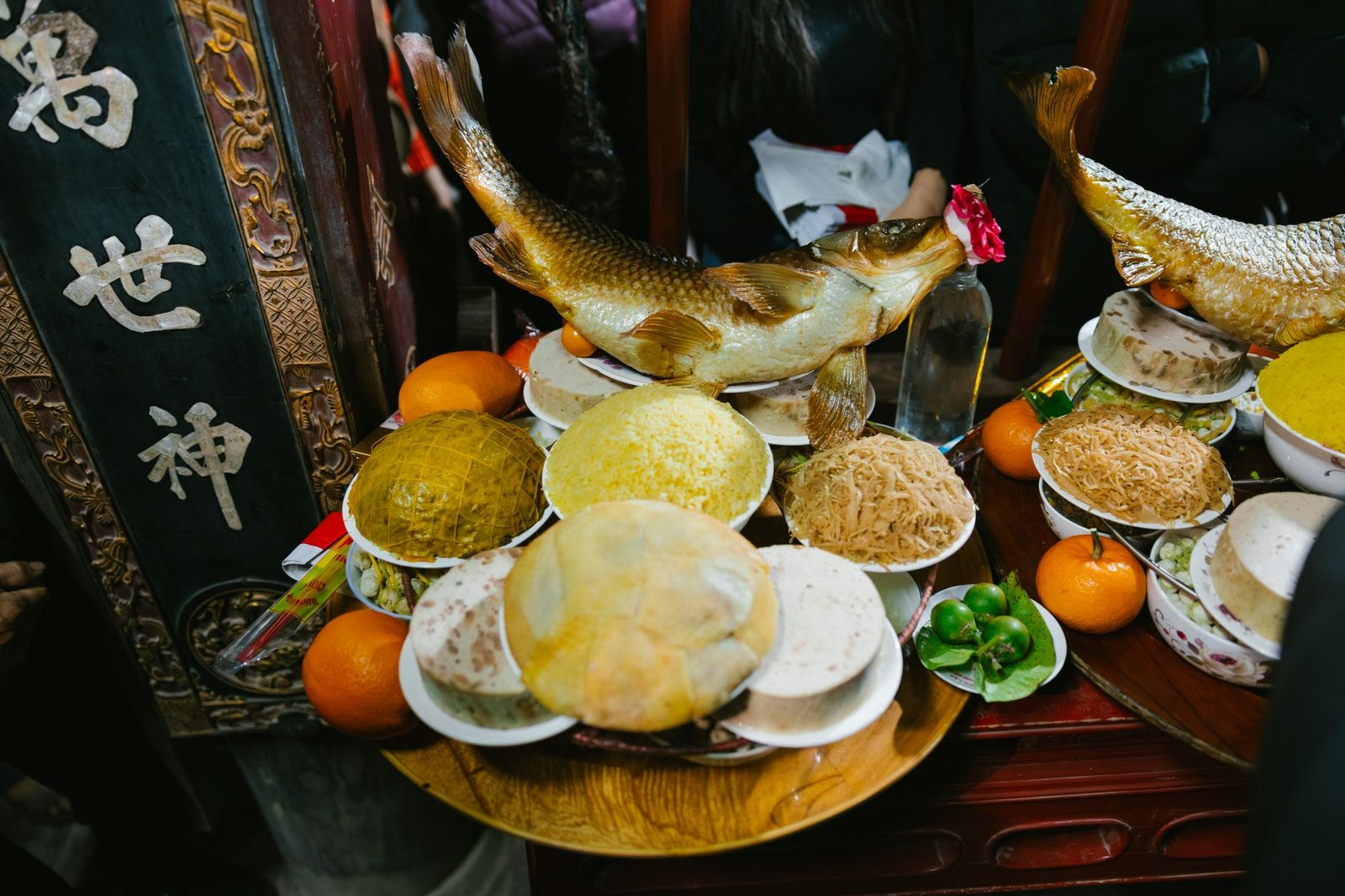
Patera: Sacrificial Offering Bowl in Ancient Rituals
A **patera** is a shallow sacrificial offering bowl used in ancient Greco-Roman ritual, especially for libations of wine, oil, water, or milk presented to gods and ancestors. Appearing in art, archaeology, and literature, it became a lasting symbol of sacrifice, priesthood, and sacred exchange—yet its exact meanings and cultural variants reveal a more complex history.
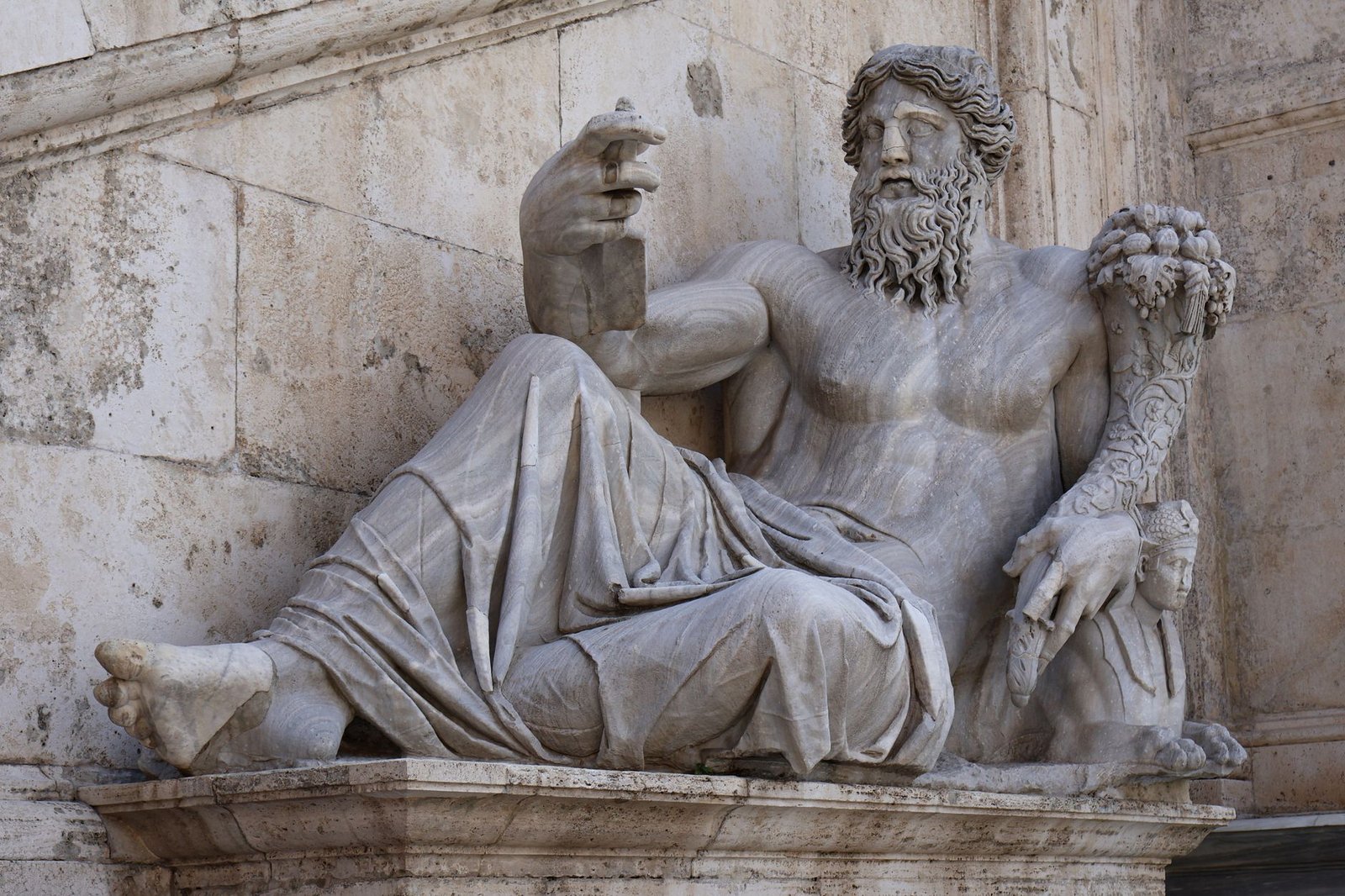
Jupiter: Roman God of Sky, Thunder, and Kingship
Jupiter, the chief god of ancient Rome, embodied sovereignty, law, oath-taking, and the protection of the state, while also ruling the sky, thunder, and lightning. Though often compared with Zeus, Jupiter emerged from an older Italic tradition, and his cult reveals how Roman religion linked divine authority with public order, military power, and the destiny of the city.
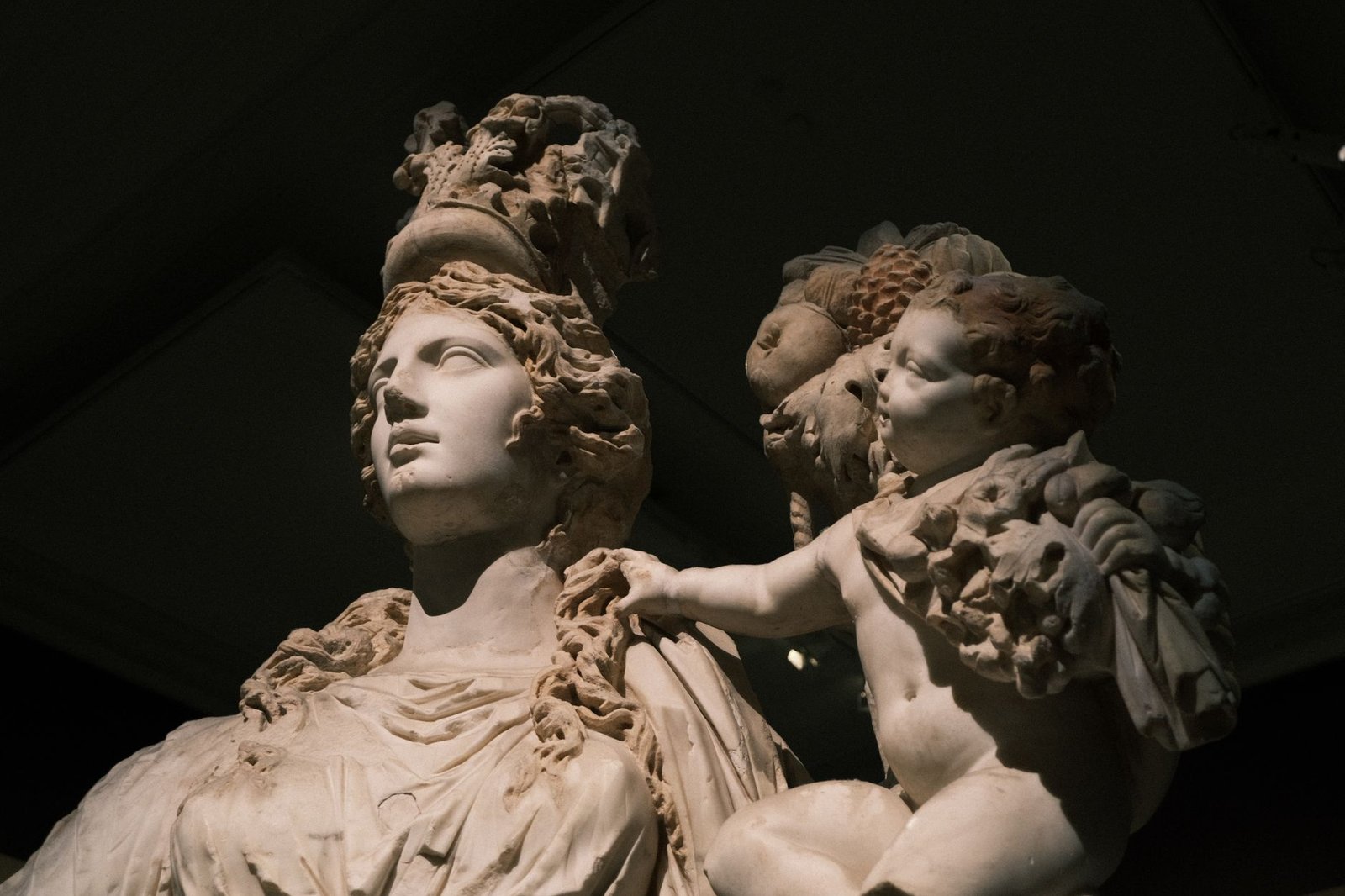
Minerva: Roman Goddess of Wisdom and War
Minerva is a major deity of Greco-Roman religion, revered in Roman tradition as the goddess of wisdom, strategic warfare, crafts, learning, and disciplined action. This article explores her uncertain origins, her role in Roman public life and ritual, and the enduring influence that made Minerva a lasting symbol of intellect, protection, and cultural identity.
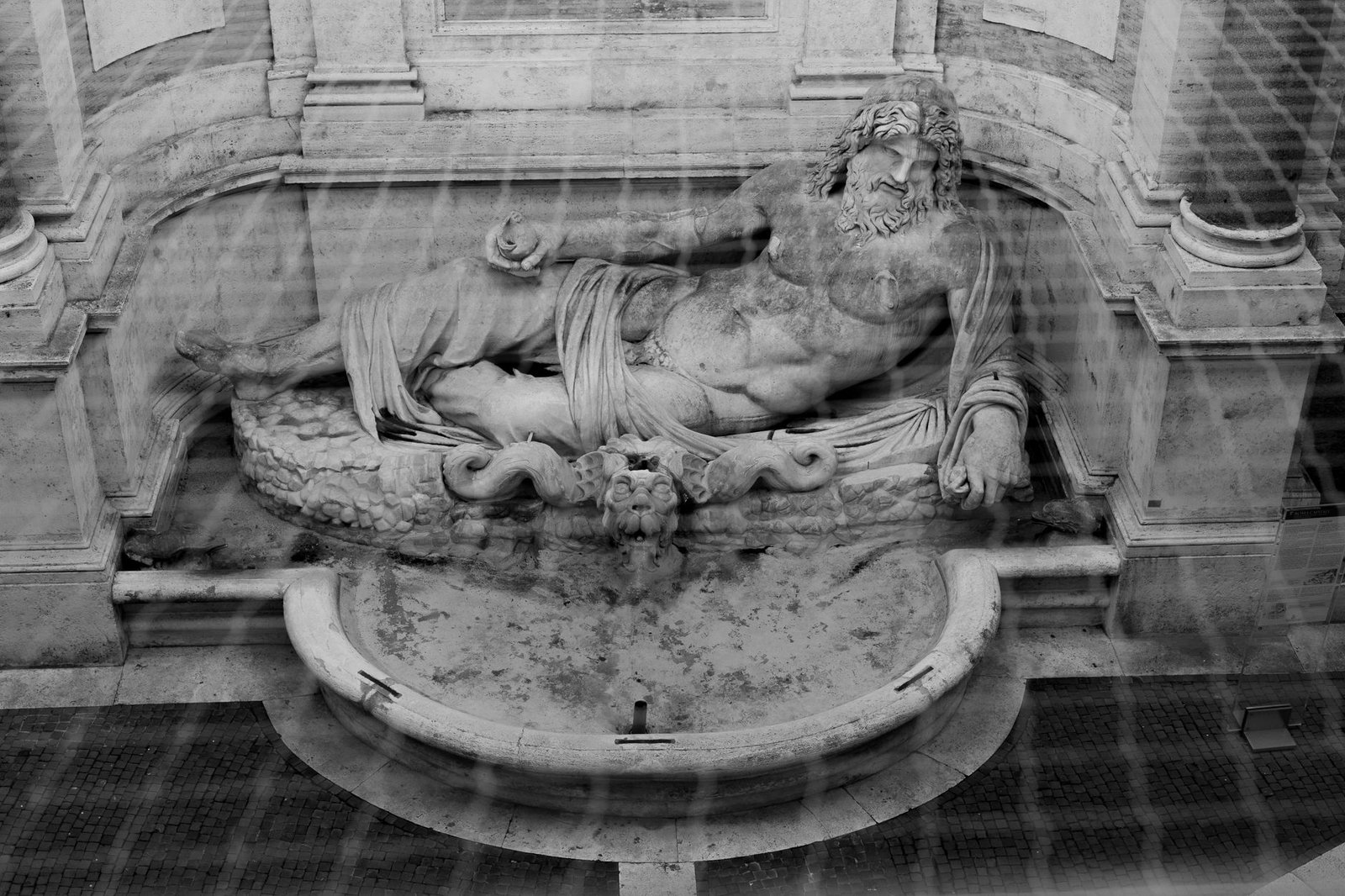
Neptune (Roman God): Roman God of the Sea and Water
Neptune (Roman god) was a major Roman deity of fresh waters, the sea, and horses, later identified with the Greek Poseidon. His history reveals a more complex origin than that of a simple sea god, linking him to springs, rivers, navigation, and the practical needs of Roman life.
Vulcan: Roman God of Fire, Forge, and Volcanoes
Vulcan, the Roman god of fire, metalworking, and the forge, embodies both the destructive force of flames and the skilled craft that turns heat into tools, weapons, and art. This article traces his uncertain origins, his place in Roman religion and the Volcanalia festival, and his later identification with Hephaestus, revealing a deity central to ancient beliefs about danger and invention.