myths and legends
Terminus Definition, Meaning, and Uses in English
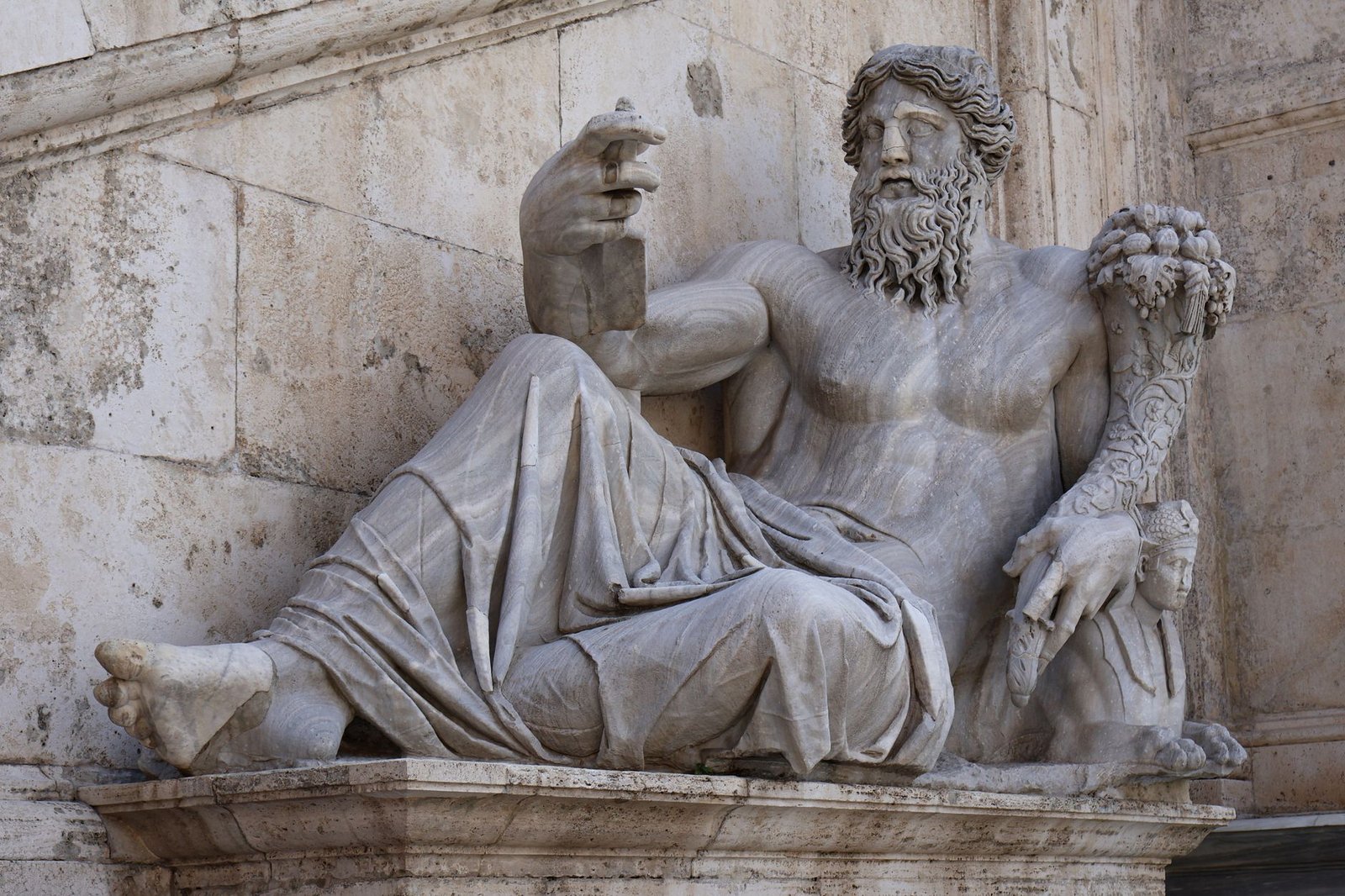
Terminus, the Roman god of boundaries, embodied the sacred force that protected property lines, territorial limits, and the stability of civic order. Rooted in everyday Roman law and ritual, his cult reveals how a simple boundary stone could carry deep religious meaning, shaping ideas of ownership, peace, and permanence.
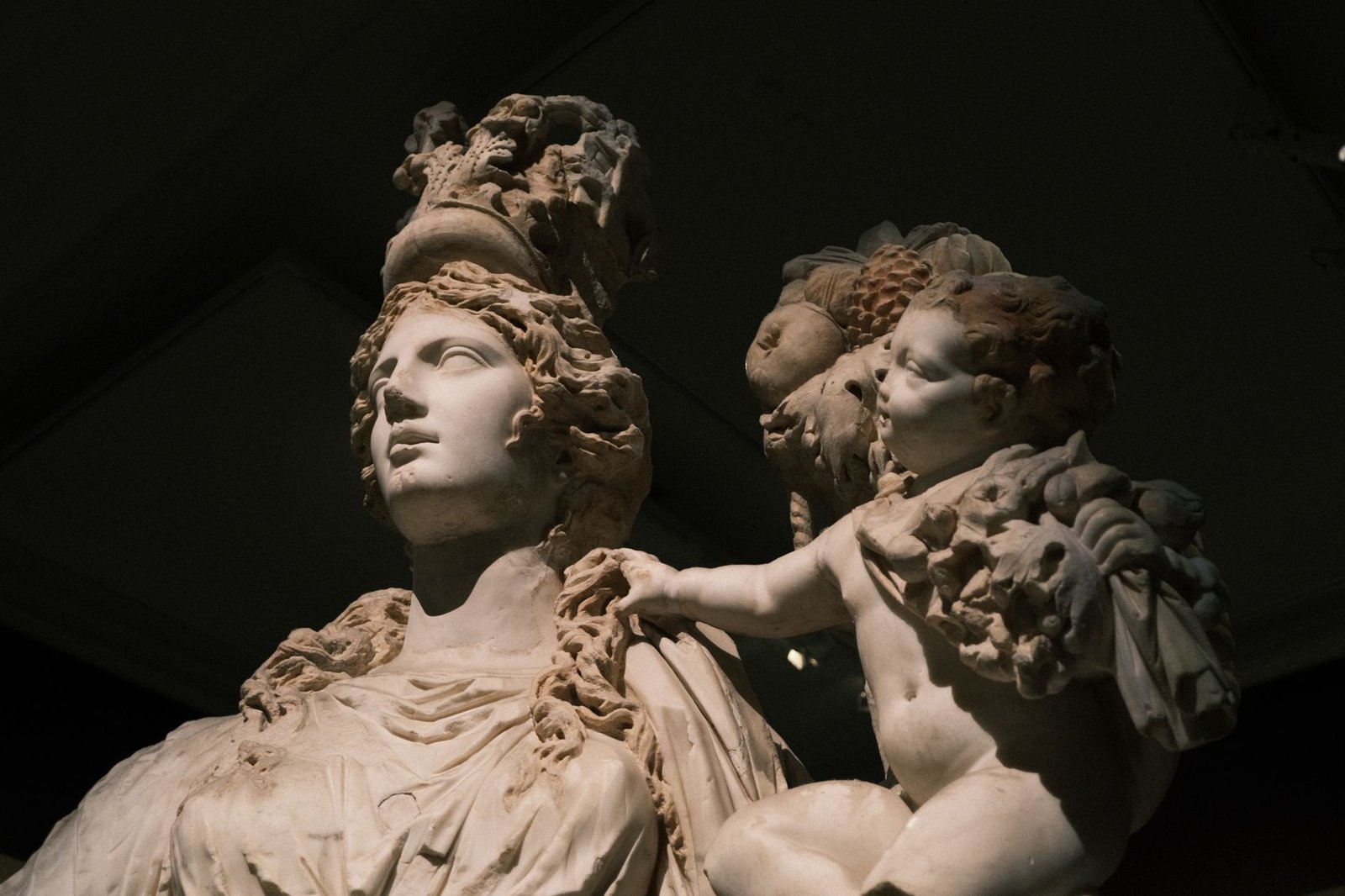
Fortuna: Roman Goddess of Luck and Fortune
Fortuna, the Roman goddess of chance and the unpredictable turns of life, stood at the center of ancient ideas about luck, power, and uncertainty. Revered in temples, politics, and literature, she embodied both prosperity and sudden loss, and her symbols and myths reveal why her influence endured long after Rome.
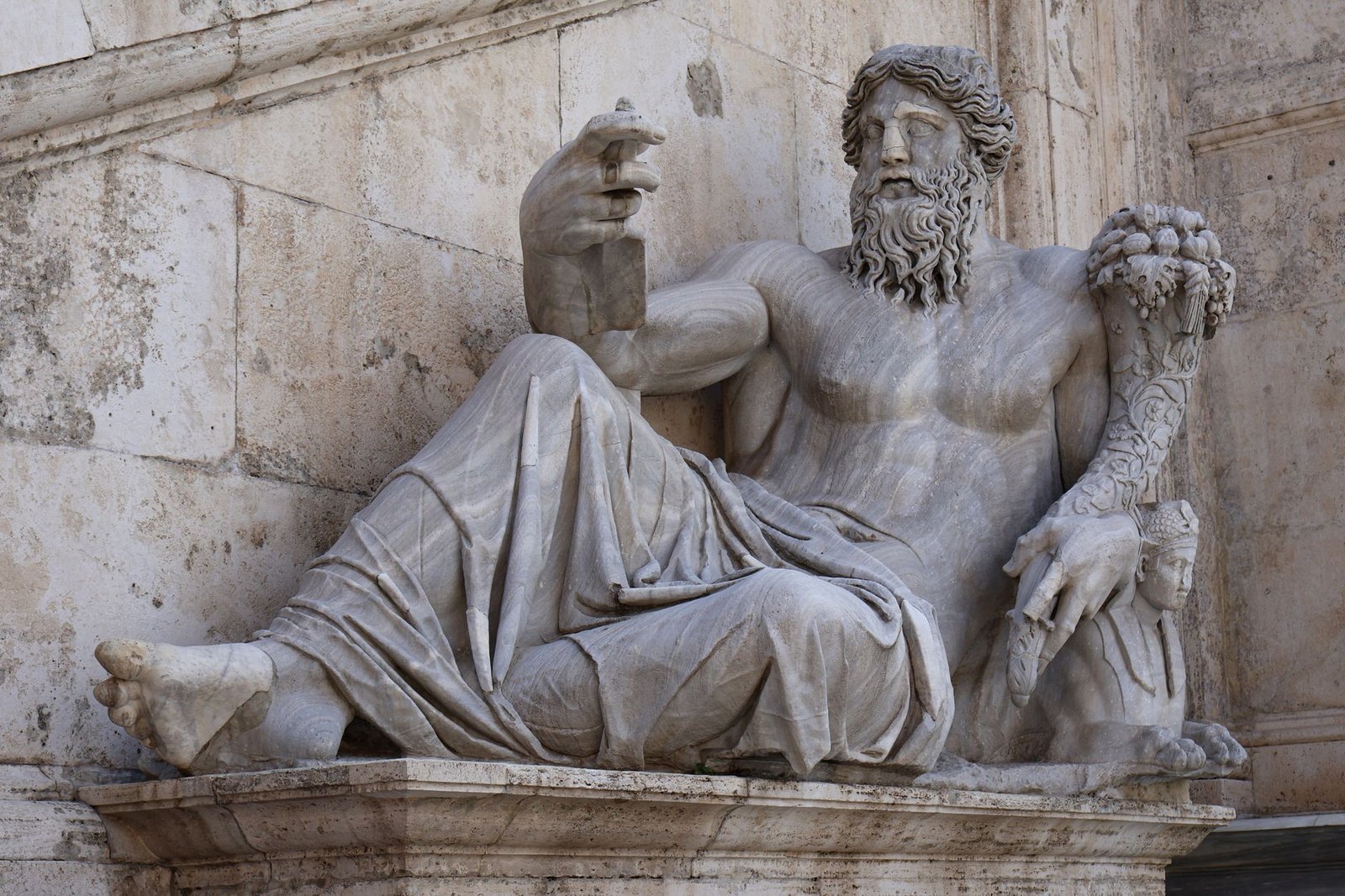
Faunus: Roman God of Nature and Fertility
Faunus is a major figure in Roman religion, associated with forests, wild places, fertility, flocks, and prophetic speech, and remembered as one of Italy’s oldest indigenous deities. His cult reveals how Roman belief grew from rural pastoral traditions while later absorbing Greek comparisons, especially with Pan, in ways that still invite closer study.

Vertumnus: Roman God of Seasons and Change
Vertumnus is a Roman deity of seasons, orchards, gardens, and the ripening powers of nature, whose name suggests turning and transformation. Best known for changing form at will, he appears in myth and literature as a subtle figure of growth, fertility, and hidden truth, inviting closer attention to his changing roles.
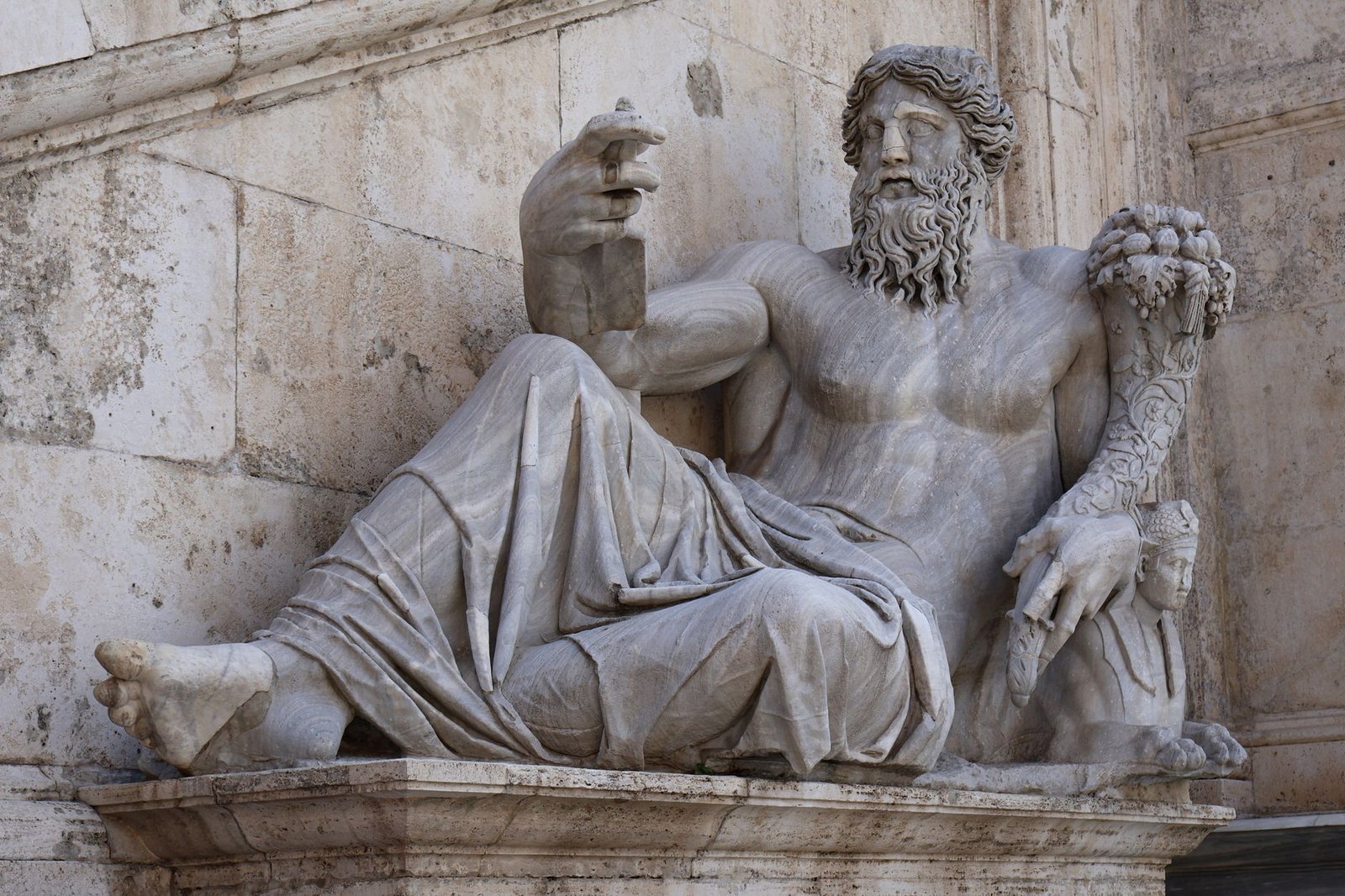
Silvanus: Roman God of Forests and Fields
Silvanus is the Roman god of woods, wild places, and rural boundaries, a protective presence invoked for forests, livestock, fields, and the people who depended on them. This excerpt explores his origins, local cults, and enduring role in Roman religion, showing how a practical woodland deity reveals ancient ideas about nature, property, and divine guardianship.
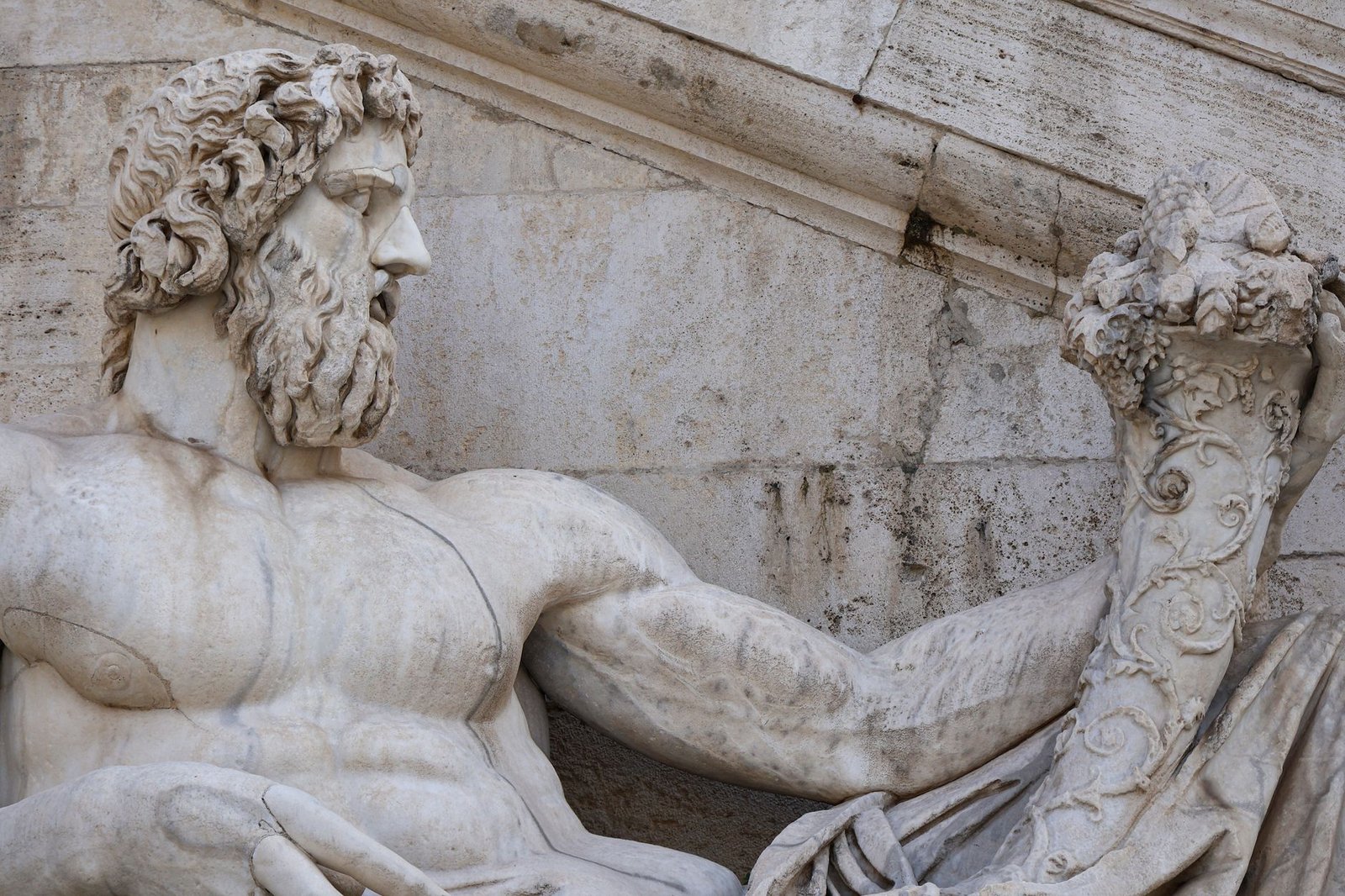
Robigus: Roman God of Rust and Wheat Disease
Robigus is a Roman deity linked to rust and crop blight, a force feared for the damage it could inflict on ripening grain and the stability of Rome’s food supply. Best known through the late-April festival of Robigalia, Robigus reveals how Roman religion addressed agricultural danger through ritual, blending protection, personification, and practical necessity in ways that still invite closer study.
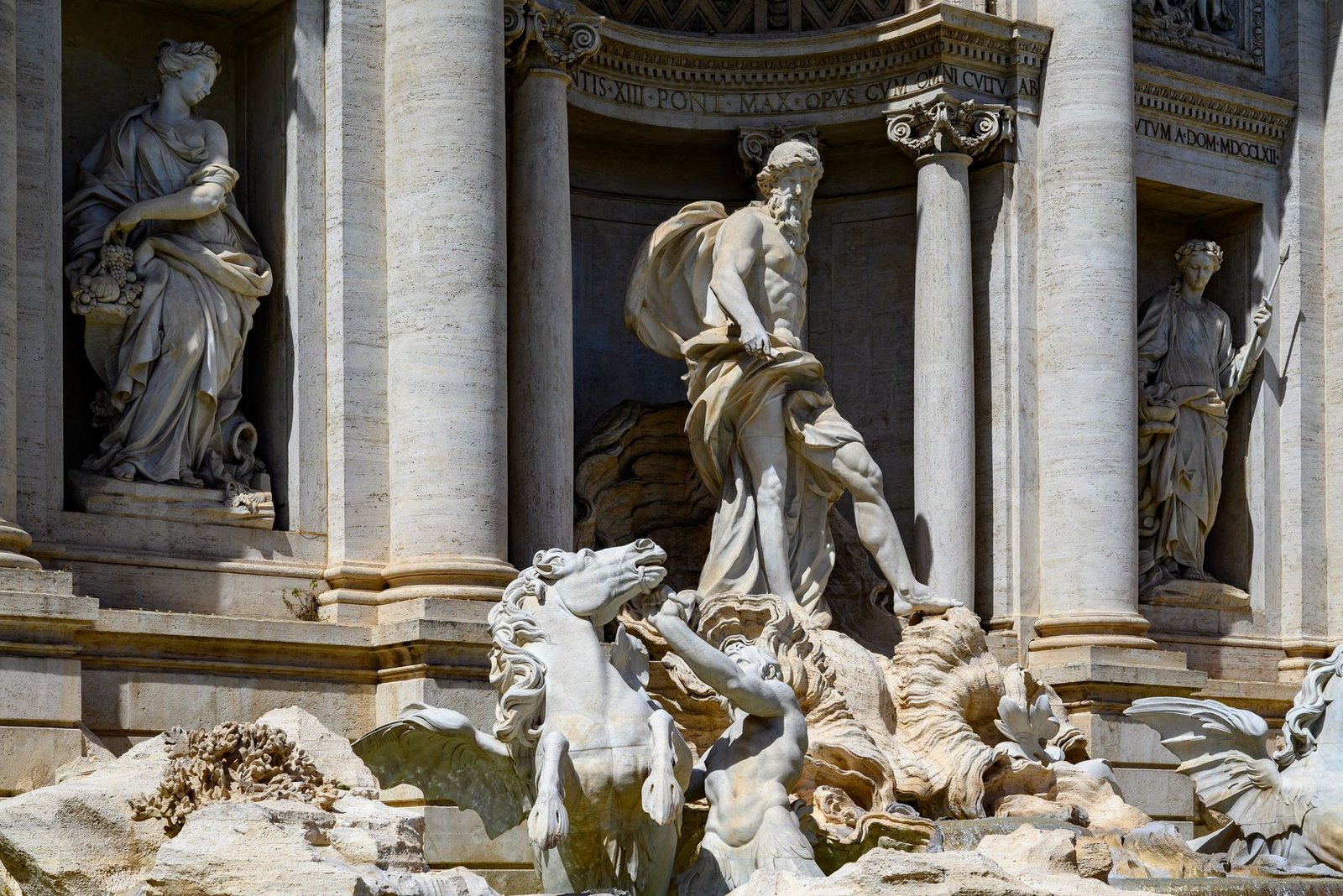
How Many Major Roman Gods Are There? A Complete Guide
How many major Roman gods are there? The answer depends on the tradition, but the most common count is twelve, the Dii Consentes, while Roman religion also recognized many other important deities, spirits, and local powers. This article explains how Romans classified divine authority and why the pantheon remained flexible rather than fixed.
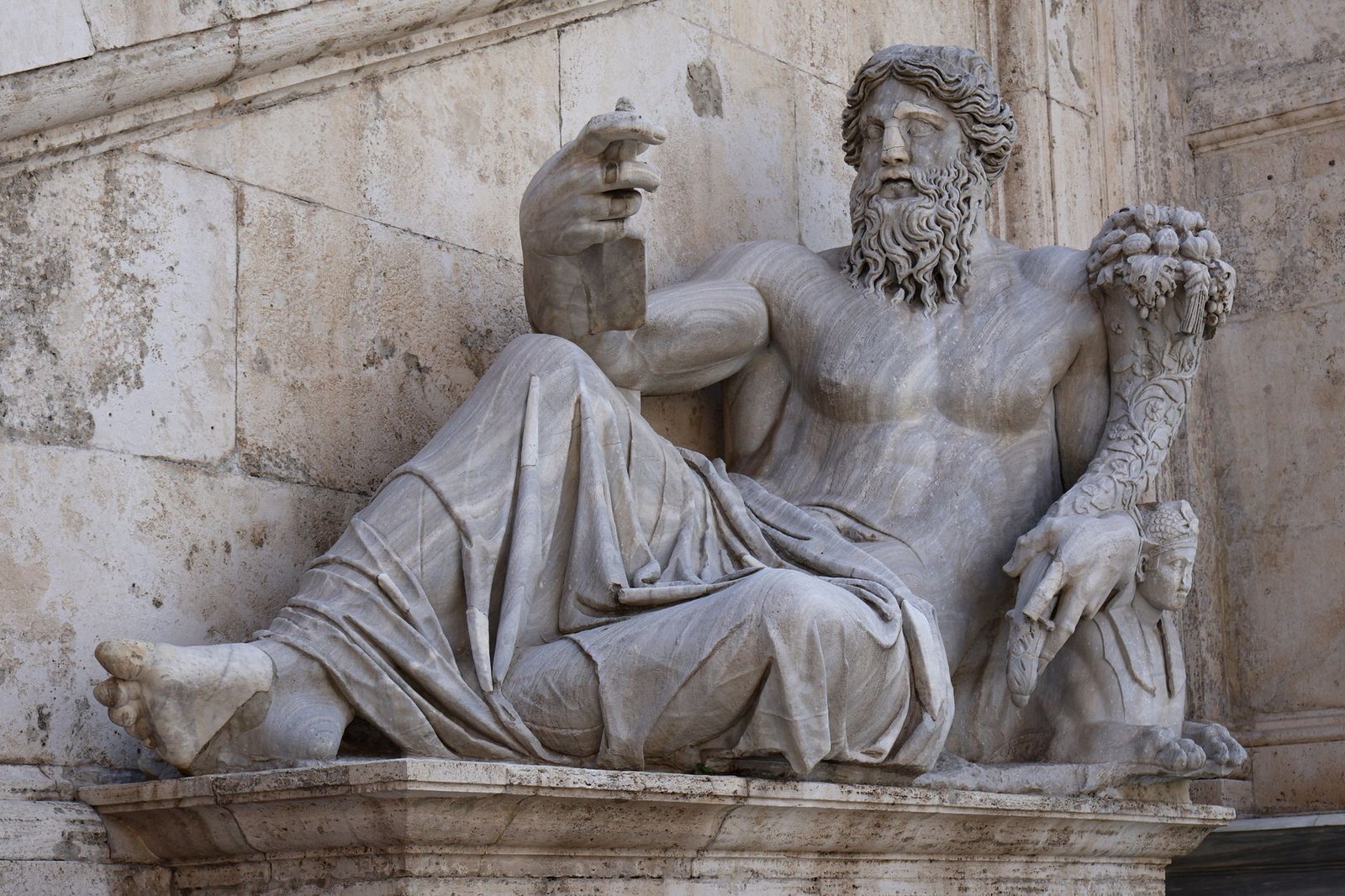
King of the Roman Gods: Jupiter in Roman Mythology
King of the Roman gods, Jupiter stood at the center of Roman religion as ruler of the sky, guardian of oaths, and protector of the state. This article traces his ancient origins, his role in law and power, and the lasting influence that made him one of Rome’s most enduring divine figures.
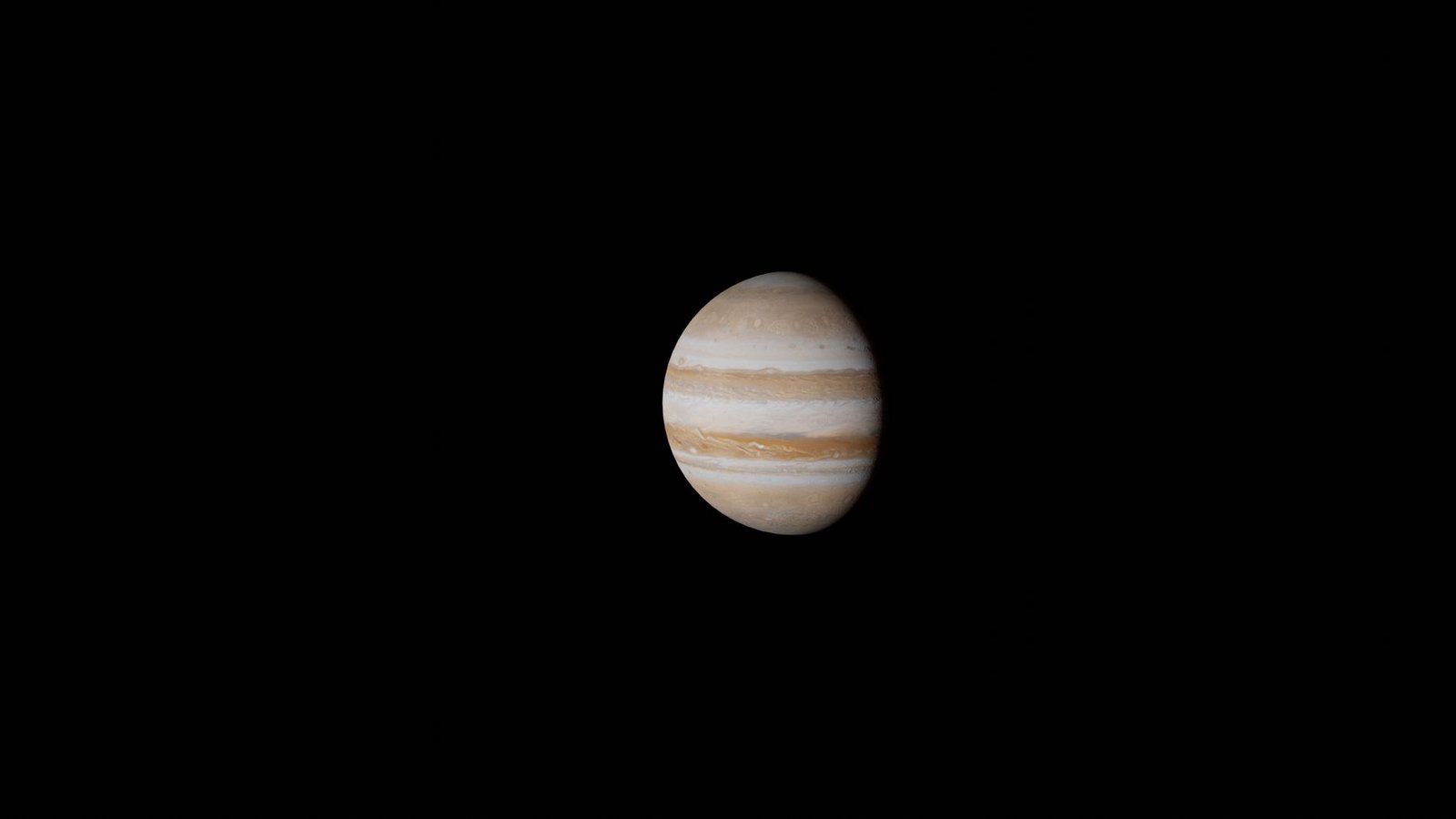
Jupiter vs. Zeus: Key Differences and Similarities
The difference between Jupiter and Zeus lies not only in name, but in the distinct Greek and Roman traditions that shaped each god’s role, symbolism, and religious meaning. Exploring their origins, epithets, and cultural functions reveals why these sky fathers are closely related yet far from identical.

Caduceus: Meaning, Symbolism, and History
The caduceus is an ancient symbol of Hermes and Mercury, shown as a staff entwined by two serpents and often topped with wings. Though now widely associated with medicine, its history is rooted in heraldry, commerce, diplomacy, and myth, raising questions about how its meaning shifted over time.