myths and legends
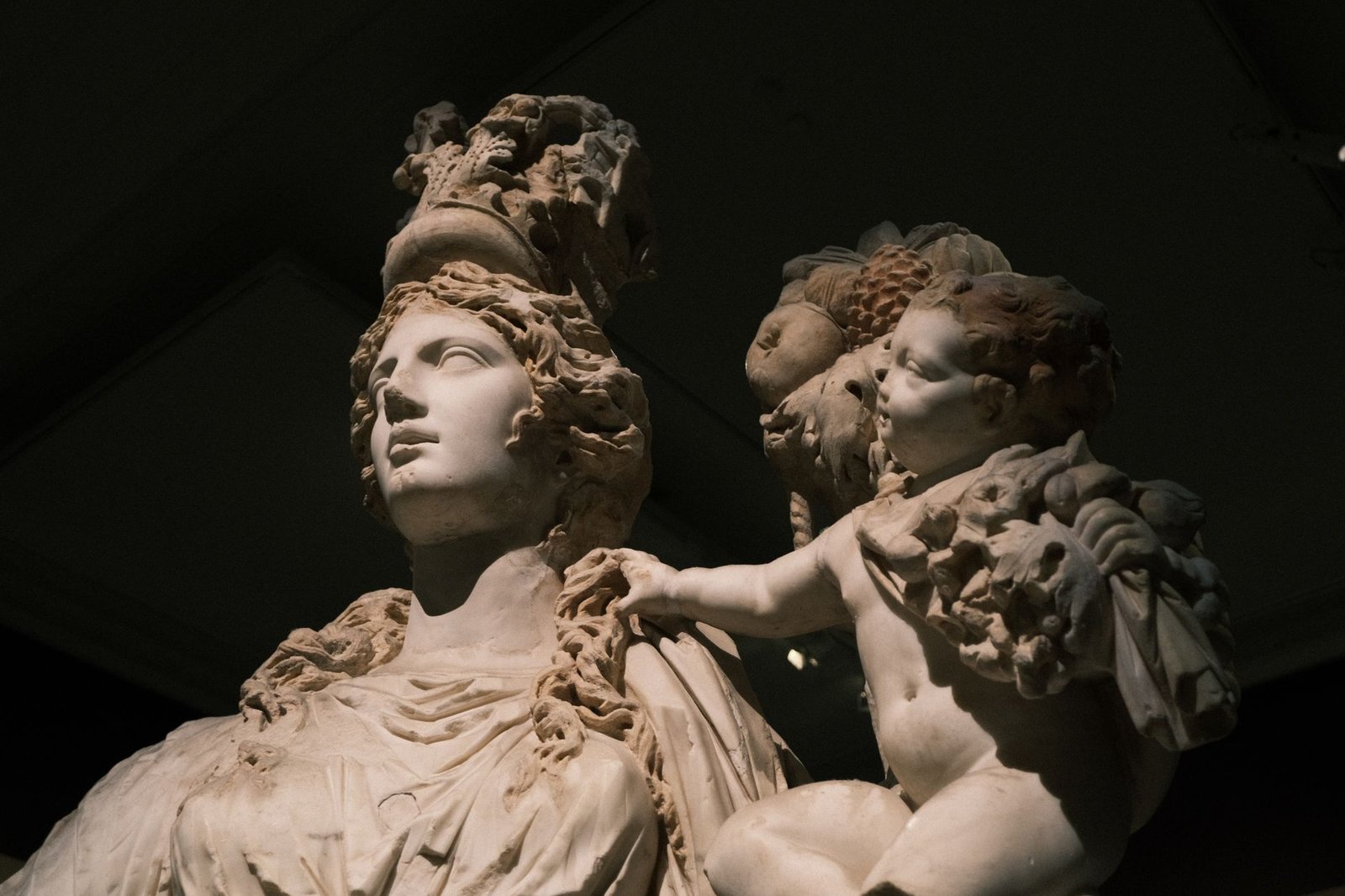
Ceres (Roman God): Roman Goddess of Agriculture and Grain
Ceres (Roman god) was the Roman goddess of agriculture, grain, fertility, and the earth’s productive cycle, central to a society shaped by farming and the harvest. Her cult also reflected social order, plebeian life, and Roman engagement with Greek Demeter, revealing how a practical deity became deeply woven into Roman identity and language.
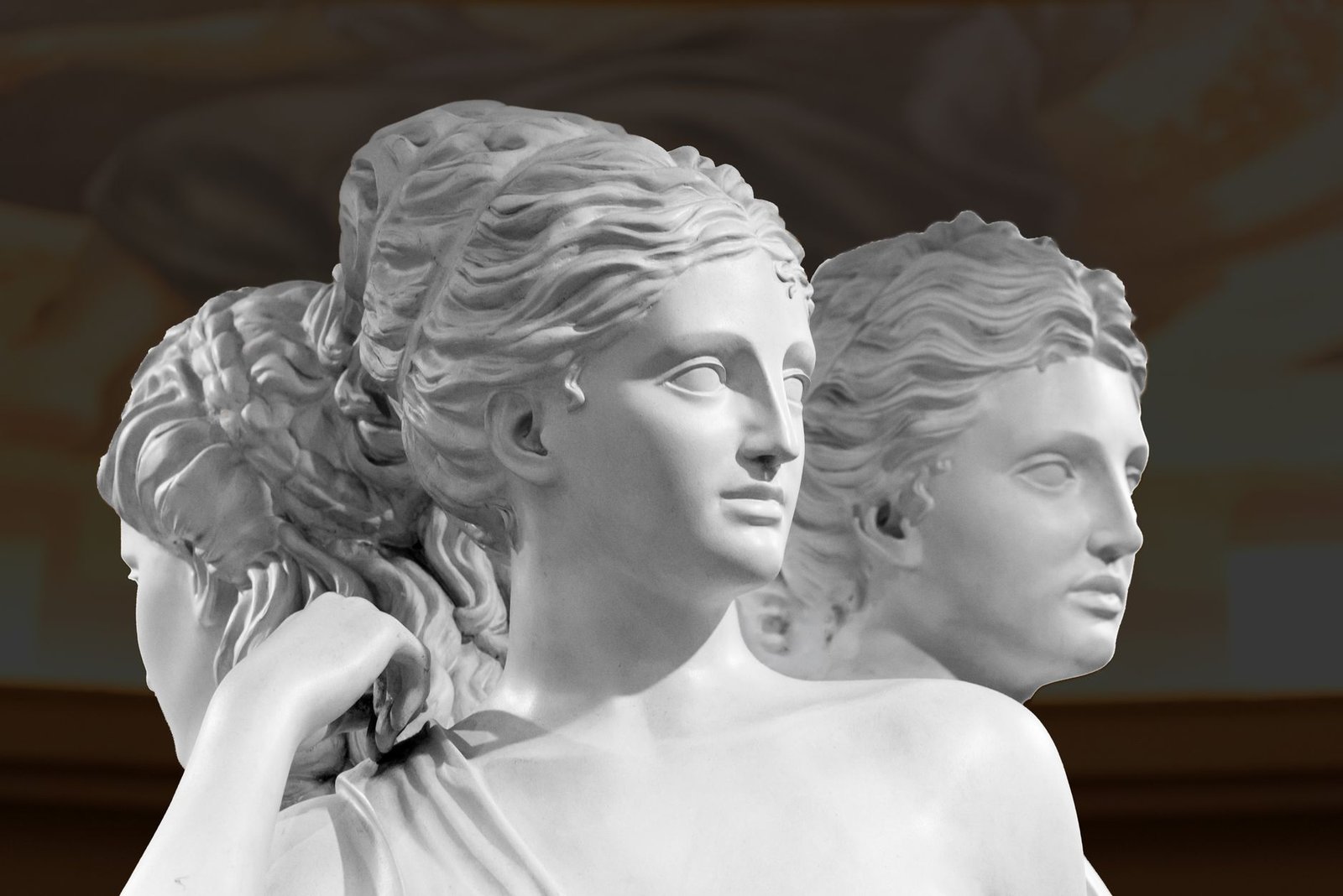
Flora: Definition, Types, and Ecological Importance
Flora, the Roman goddess of flowers, blossoms, spring, and fertility, embodies the renewal of nature after winter and the abundance that follows growth. This article traces her origins, the significance of the Floralia, and her lasting influence in art, literature, and the modern use of flora to describe a region’s plant life.
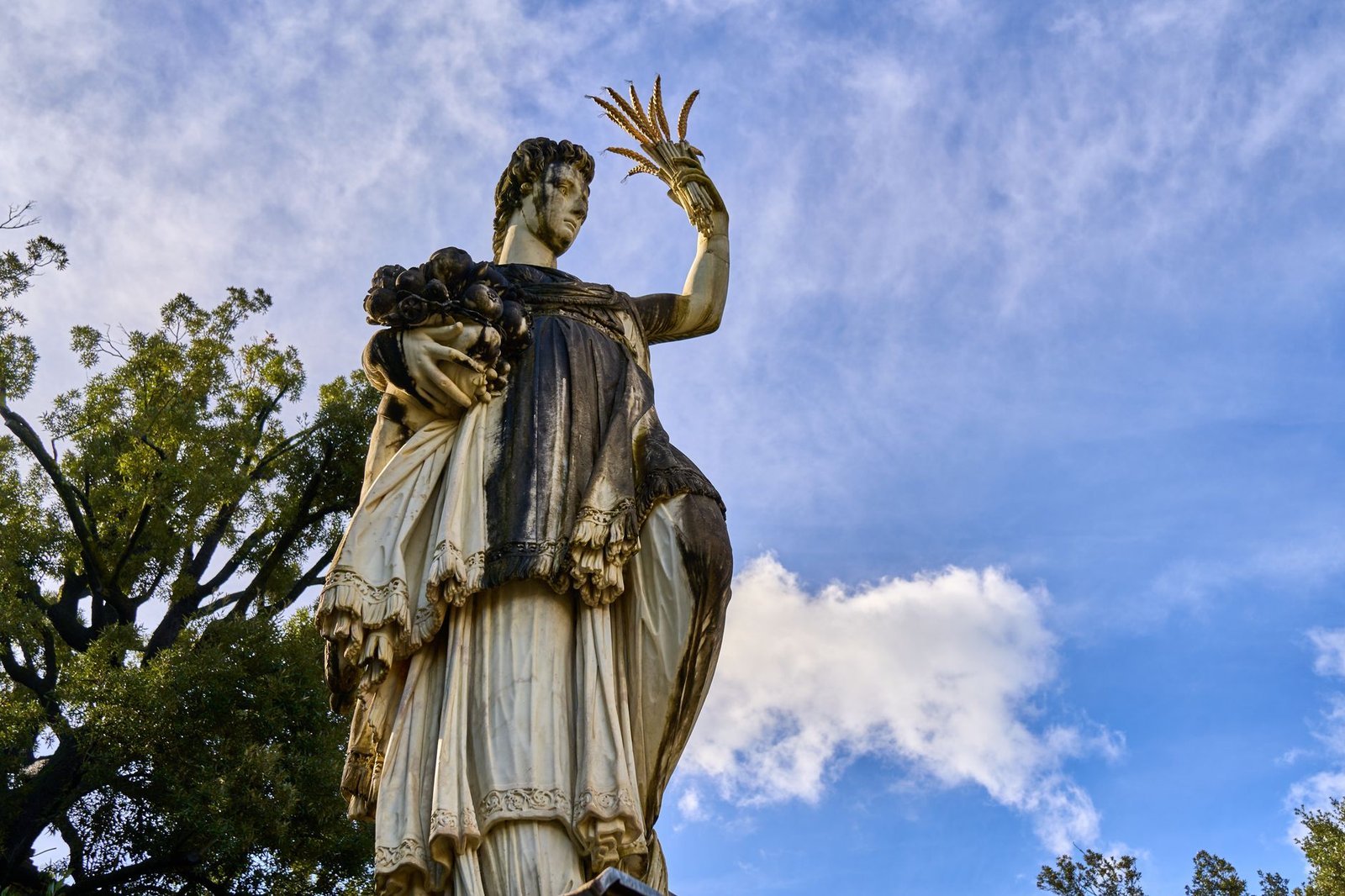
Pomona: Meaning, History, and Cultural Significance
Pomona is the Roman goddess of fruit trees, orchards, and cultivated abundance, a divinity whose name comes from *pomum*, the Latin word for fruit. Though less prominent than the gods of war or empire, she reveals how Roman religion valued the careful transformation of nature into productive order, a theme made vivid in Ovid’s *Metamorphoses*.
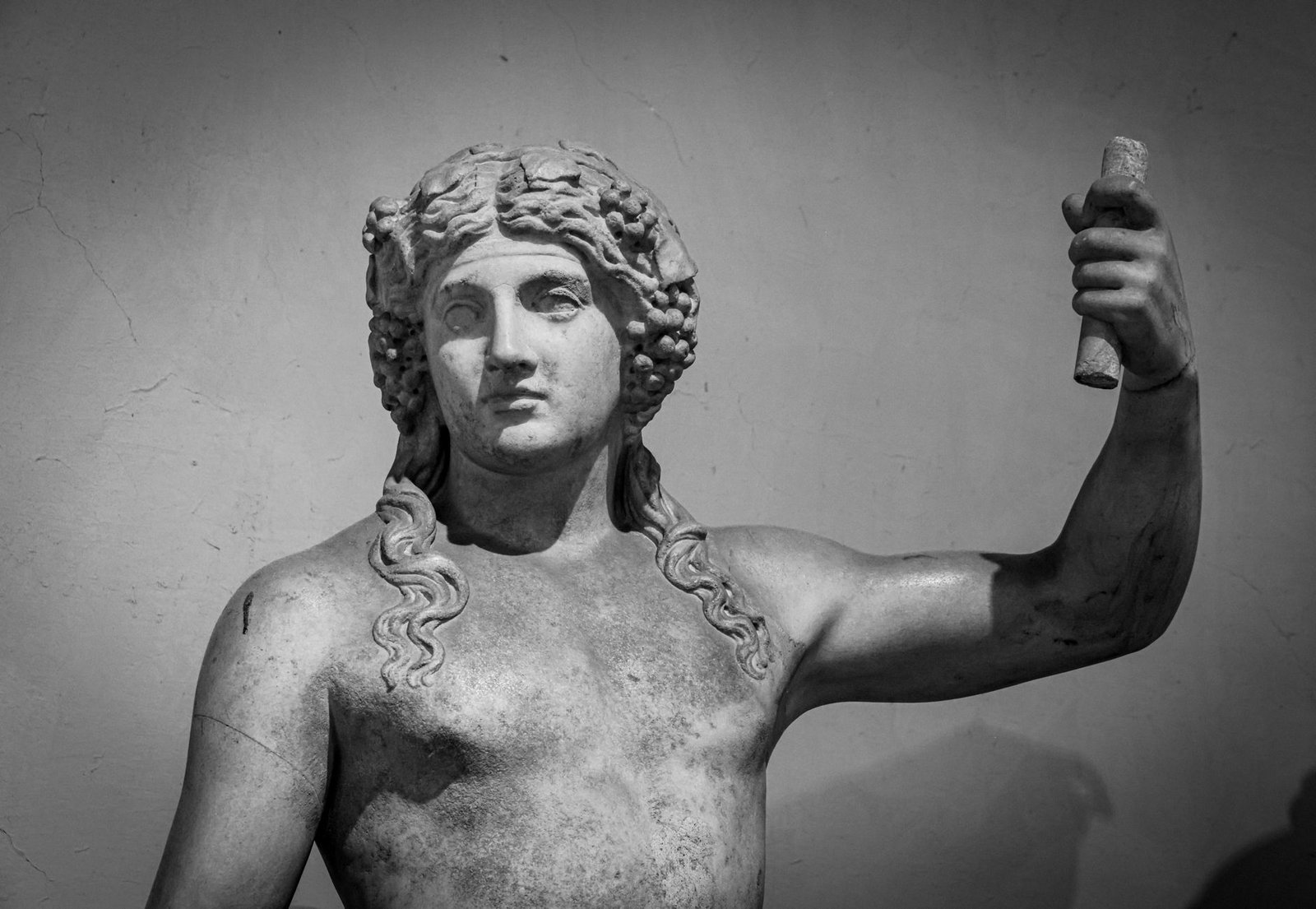
Pales: Definition, History, and Meaning
Pales is an ancient Roman pastoral deity linked to shepherds, flocks, livestock, and the protection of rural life, best known through the April festival of Parilia. Exploring Pales reveals how early Roman religion fused agriculture, seasonal ritual, and community welfare, while leaving intriguing questions about the deity’s origin, gender, and enduring cult.
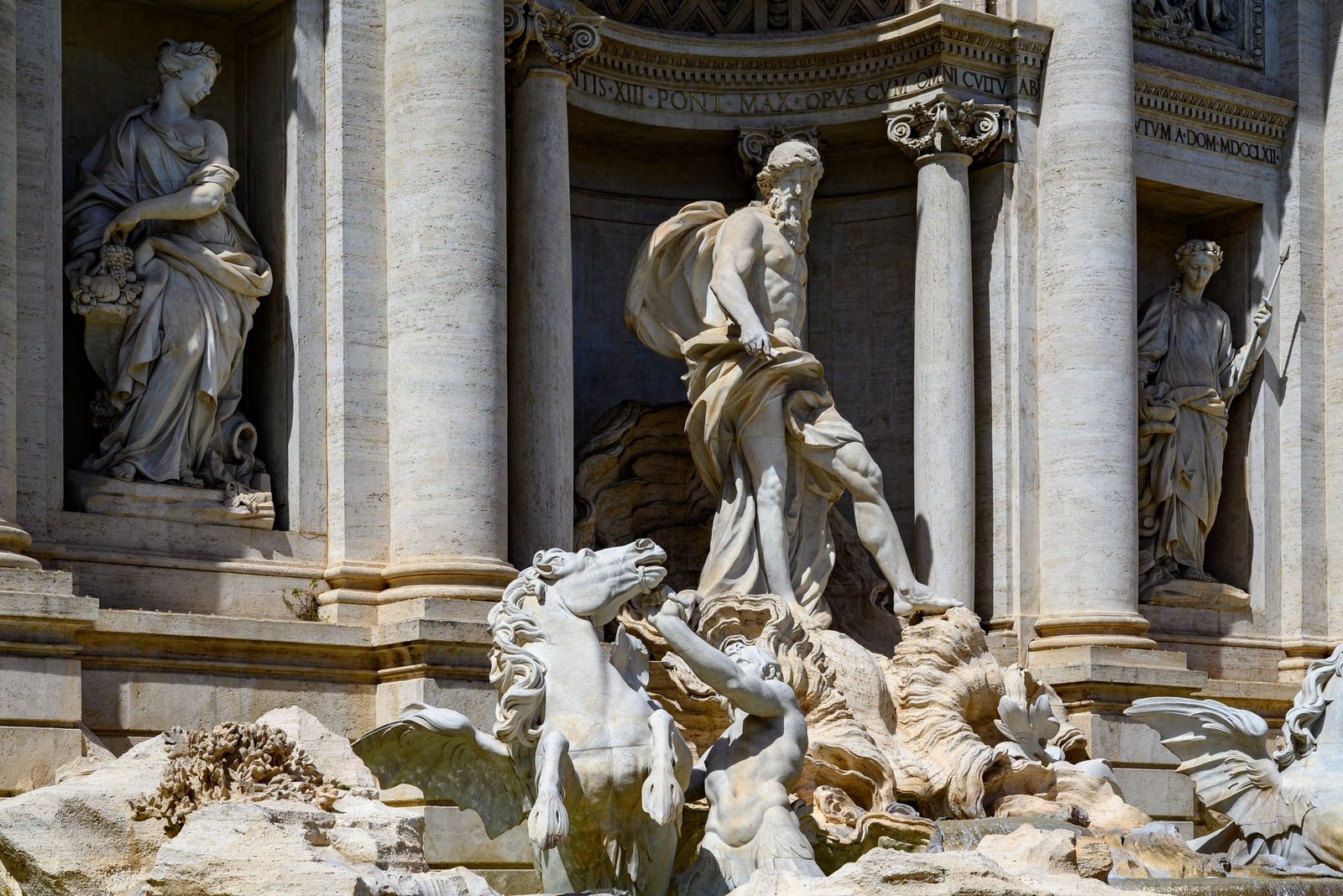
Sol: Meaning, Origin, and Cultural Significance
Sol is the Roman personification of the Sun, embodying daylight, cosmic order, and the steady cycle of time in ancient religion. From early solar worship to the rise of Sol Invictus under the Empire, his story reveals how Romans linked celestial power with myth, ritual, and political symbolism.
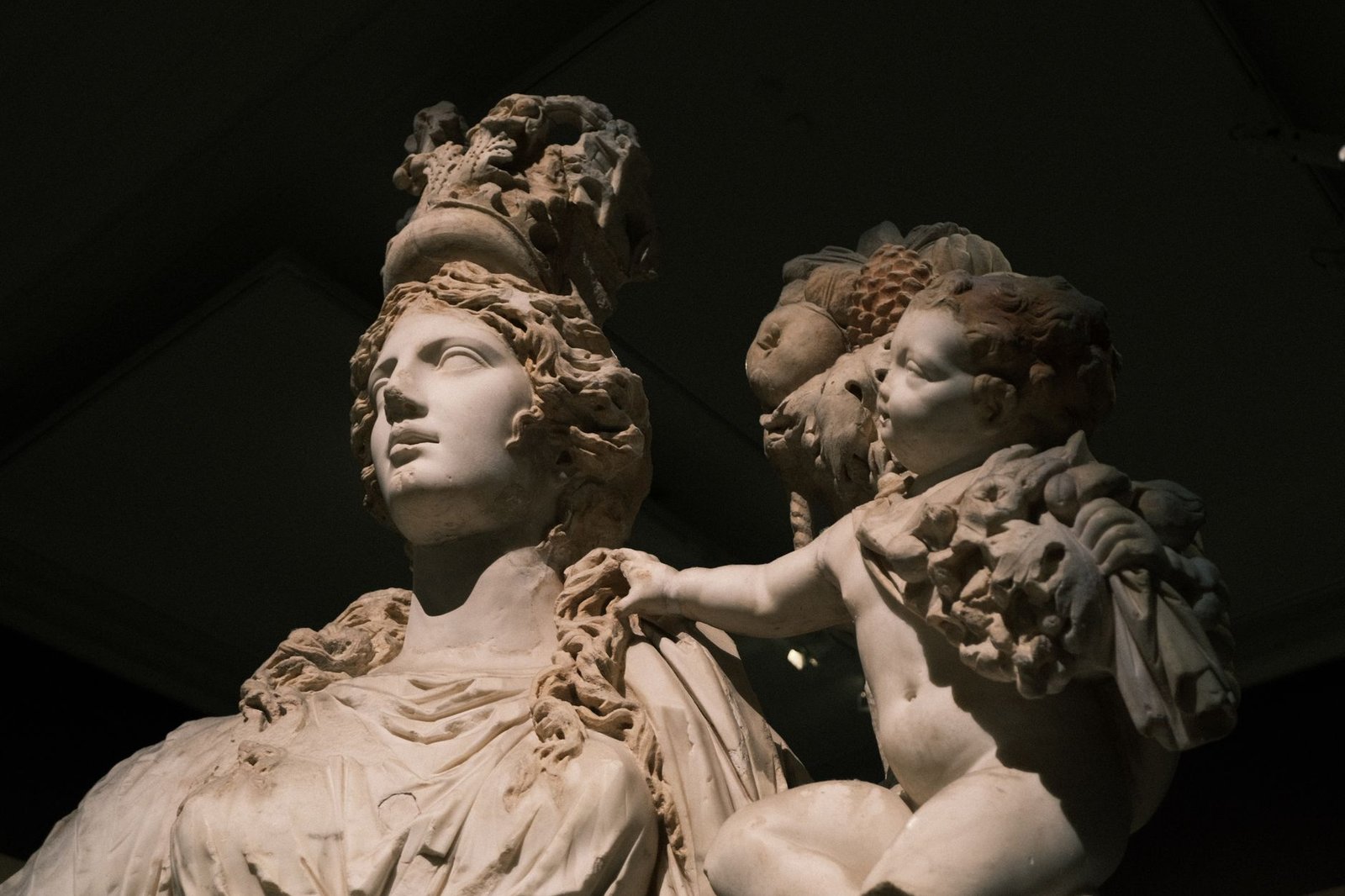
Aurora: Definition, Causes, and Types Explained
Aurora is the Roman goddess of dawn, the divine personification of the first light that ends night and announces the day. Rooted in ancient Indo-European tradition and mirrored by Greek Eos, she appears throughout classical poetry, art, and myth as a symbol of renewal—yet her story reveals far more than a simple morning image.
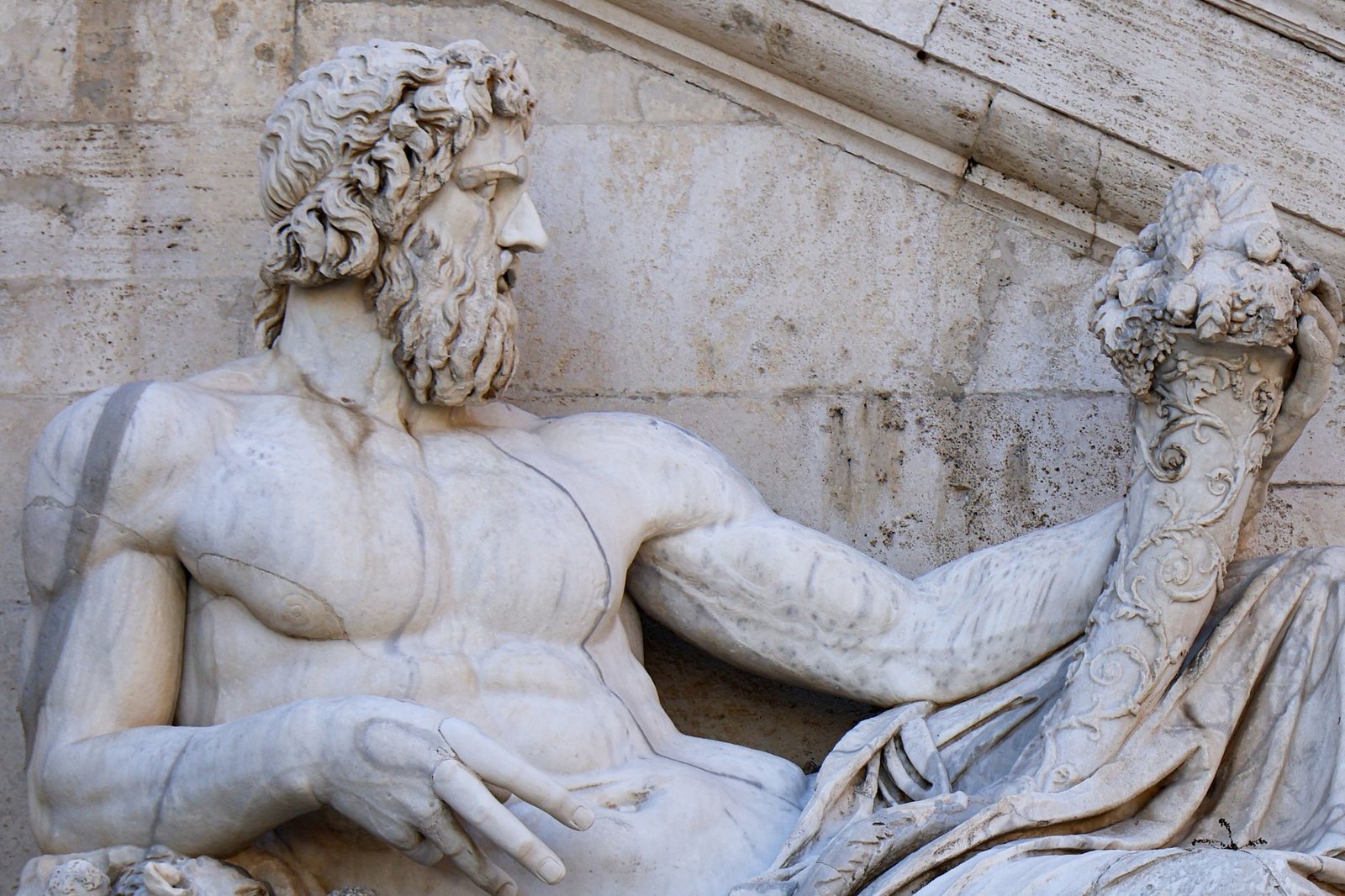
Pluto (Roman God): Roman God of the Underworld
Pluto, the Roman god of the underworld, the dead, and the hidden wealth beneath the earth, occupies a central place in ancient religion and myth. This article explores his origins, his relationship to Hades, and the enduring symbolism that links death, burial, and subterranean abundance.
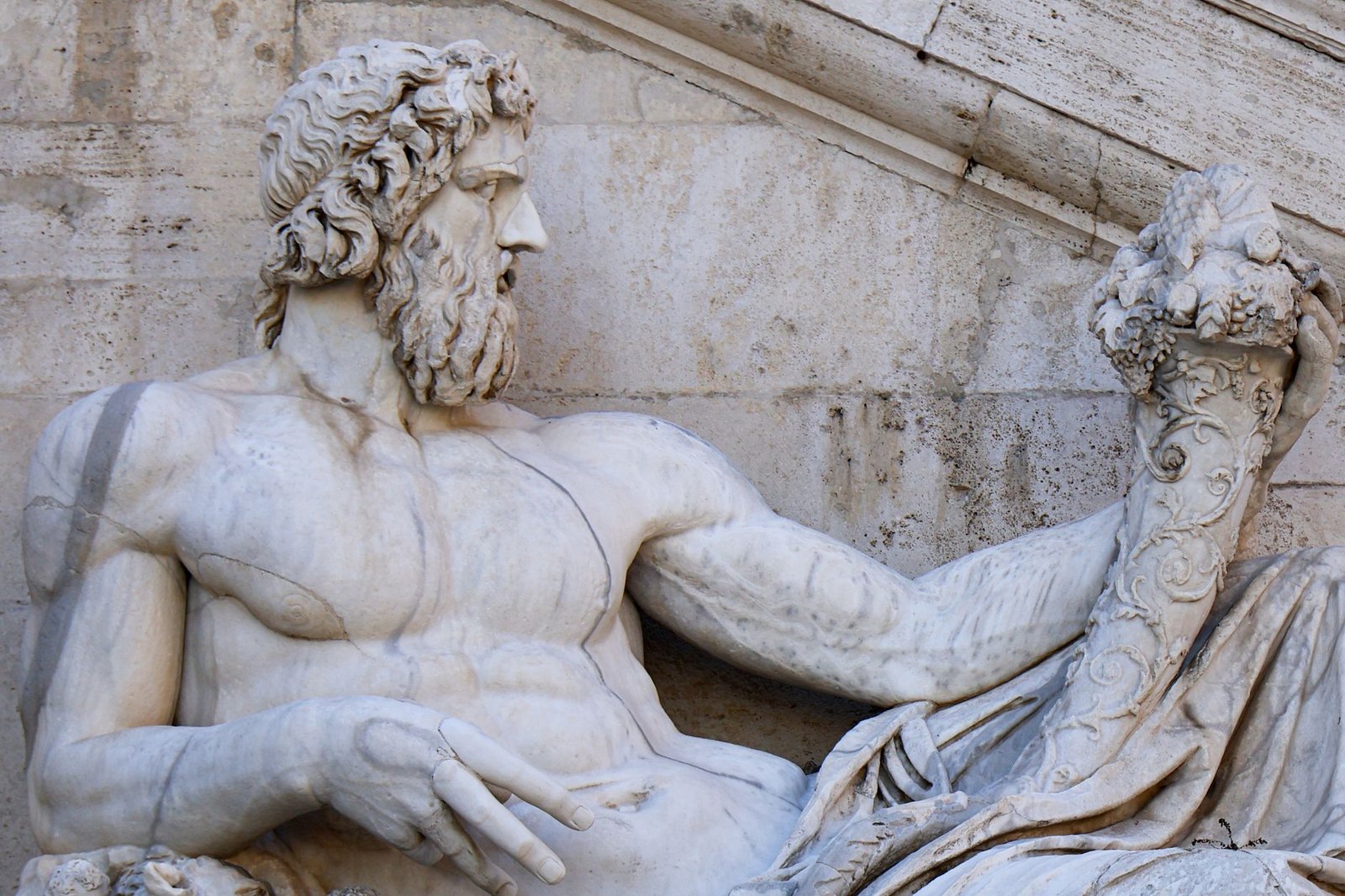
Saturn (Roman God): Roman Mythology and Agriculture
Saturn, the Roman god of agriculture, wealth, and time, stood at the center of some of Rome’s oldest religious traditions and its memory of a Golden Age of abundance. Often linked with Cronus yet rooted in Italian belief, Saturn’s cult, festivals, and uncertain origins reveal a deity far richer than later summaries suggest.
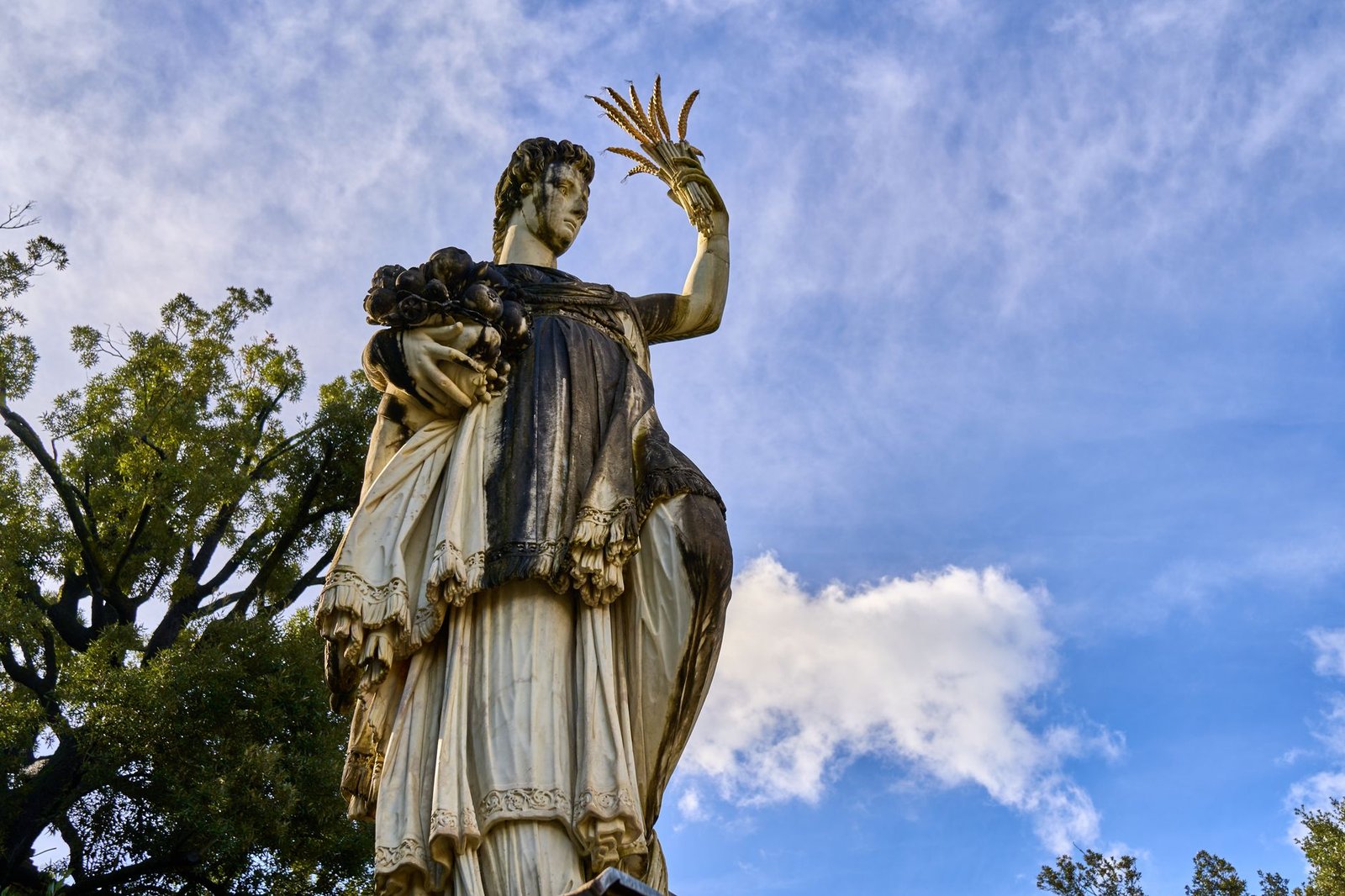
Ops: Definition, Meaning, and Uses in Computing
Ops is the Roman goddess of abundance, agricultural wealth, and the earth’s productive power, revered for the fertility, harvest, and prosperity that sustained Roman life. Closely linked with Saturn and the seasonal cycle, she also appears in rituals and festivals that reveal how deeply agriculture shaped Roman religion and civic identity.
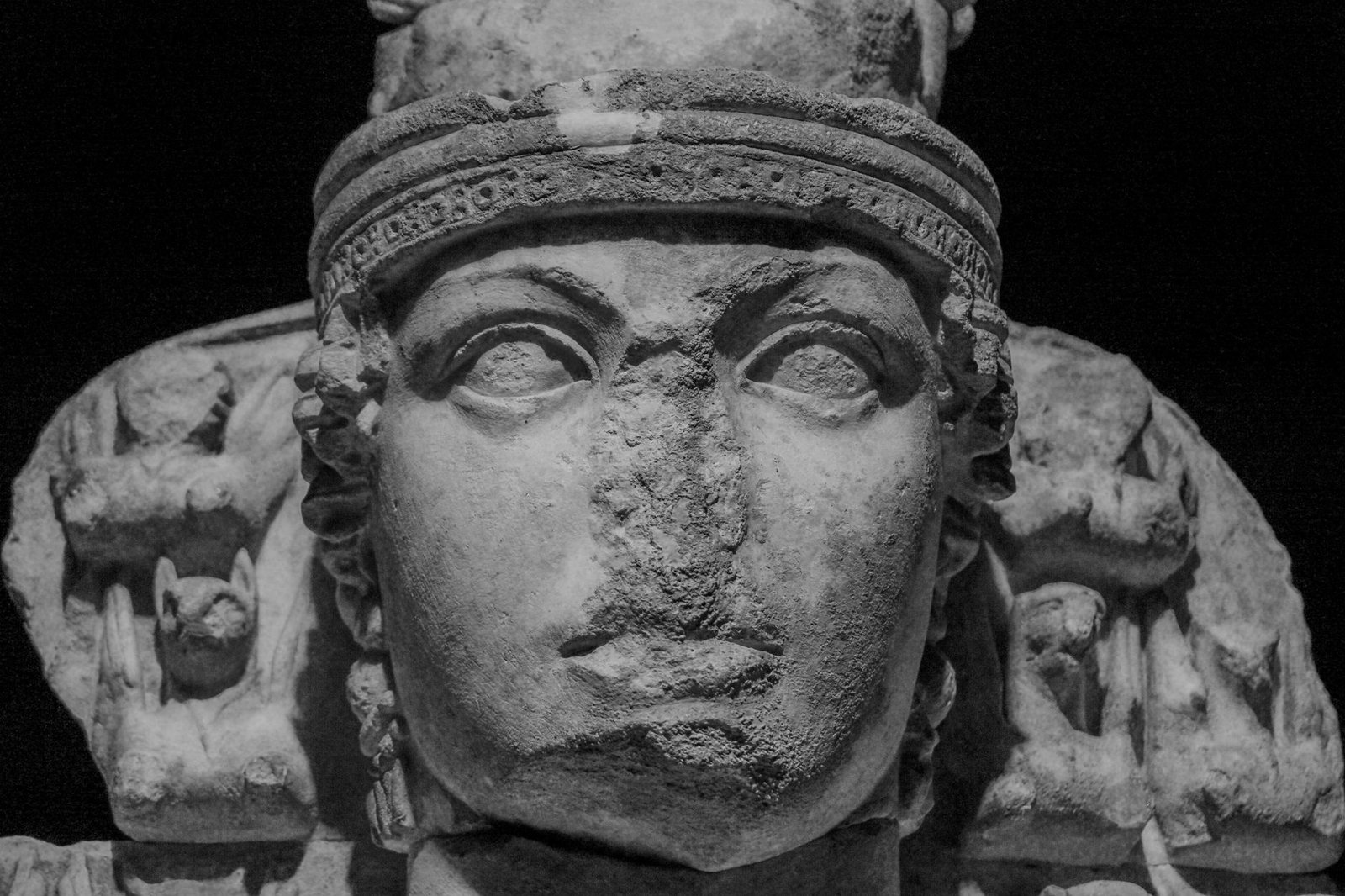
Janus: Roman God of Beginnings and Transitions
Janus is one of the most distinctive gods in Roman religion, presiding over beginnings, endings, thresholds, and passage. Often depicted with two faces and linked to doors, gates, and January itself, Janus reveals how the Romans understood time, ritual change, and the movement between one state and another.