Typhon
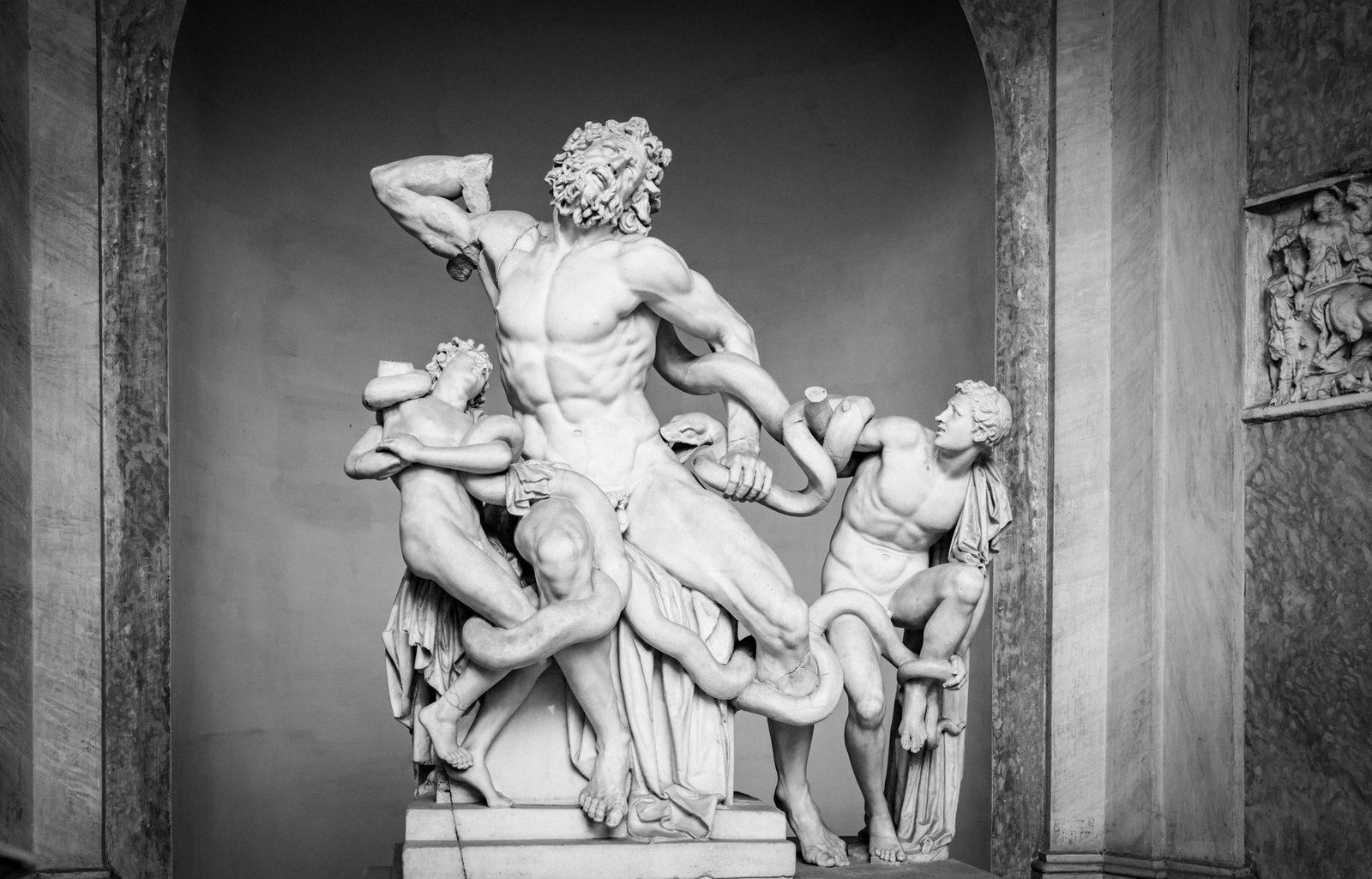
Typhon: Greek Mythology’s Monster of Chaos
Typhon is a central figure in Greek mythology, remembered as a terrifying embodiment of chaos, fire, and rebellion against divine order. This excerpt traces his uncertain origins, shifting ancient descriptions, and lasting influence on later literature and art, revealing why Typhon remains one of antiquity’s most enduring monsters.
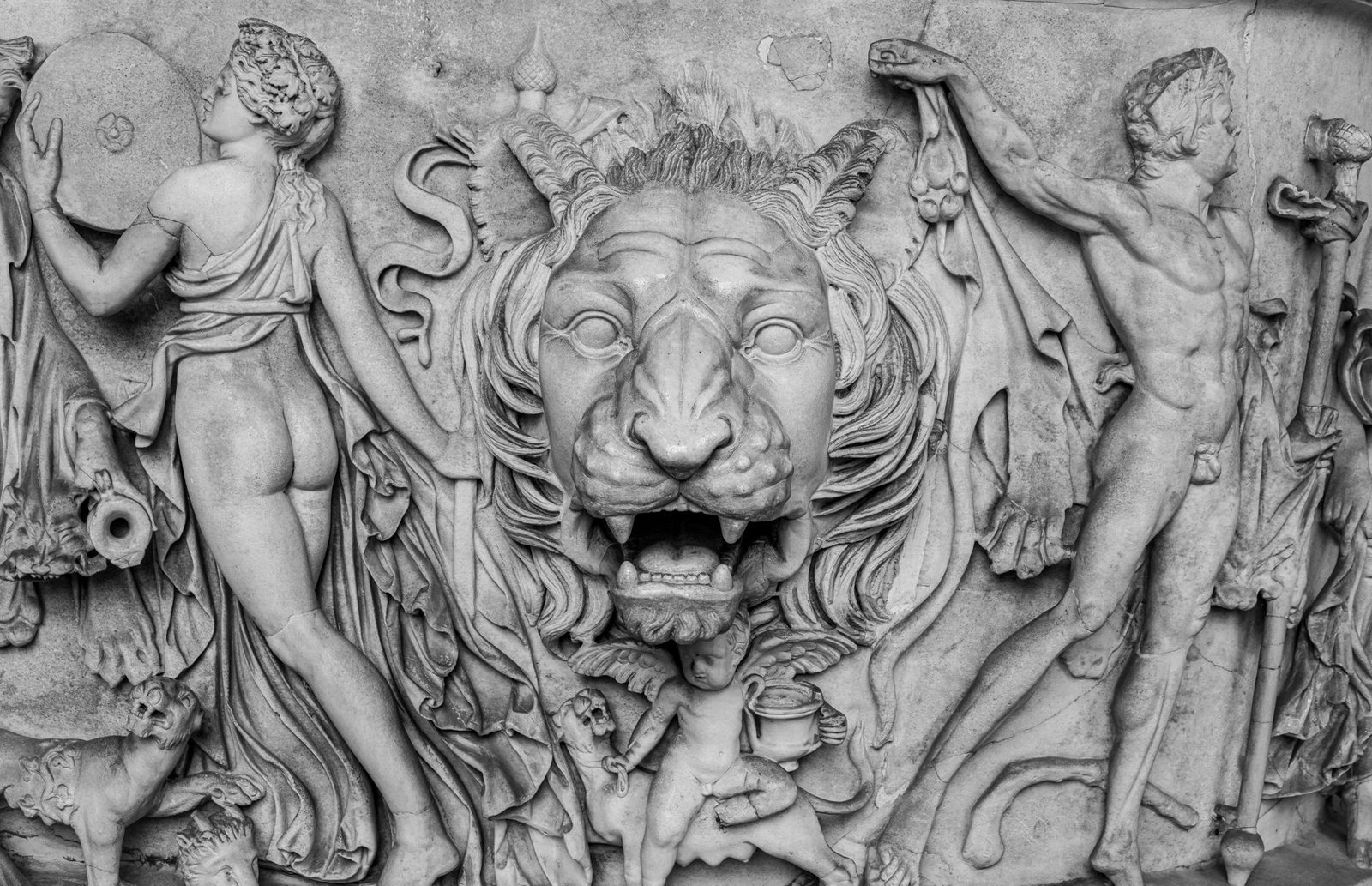
Nemean Lion: Greek Mythology, History, and Symbolism
The **Nemean Lion** is among the most enduring figures in Greek mythology, best known as the first labor of Heracles and the invulnerable beast that haunted Nemea until the hero subdued it by hand. Its story links myth, ritual, and artistic tradition, revealing why this monstrous lion became a powerful emblem of courage, wilderness, and heroic triumph.

Typhon and Echidna: Why So Many Monsters Descend From Them
In Greek mythology, the focus keyword explains how Typhon and Echidna came to be cast as the progenitors of a remarkable line of monsters, from Cerberus and the Hydra to the Chimera and beyond. Their family tree is more than a catalogue of horrors: it reveals how the Greeks gave shape, order, and meaning to chaos, and why these figures remained central to mythic storytelling.
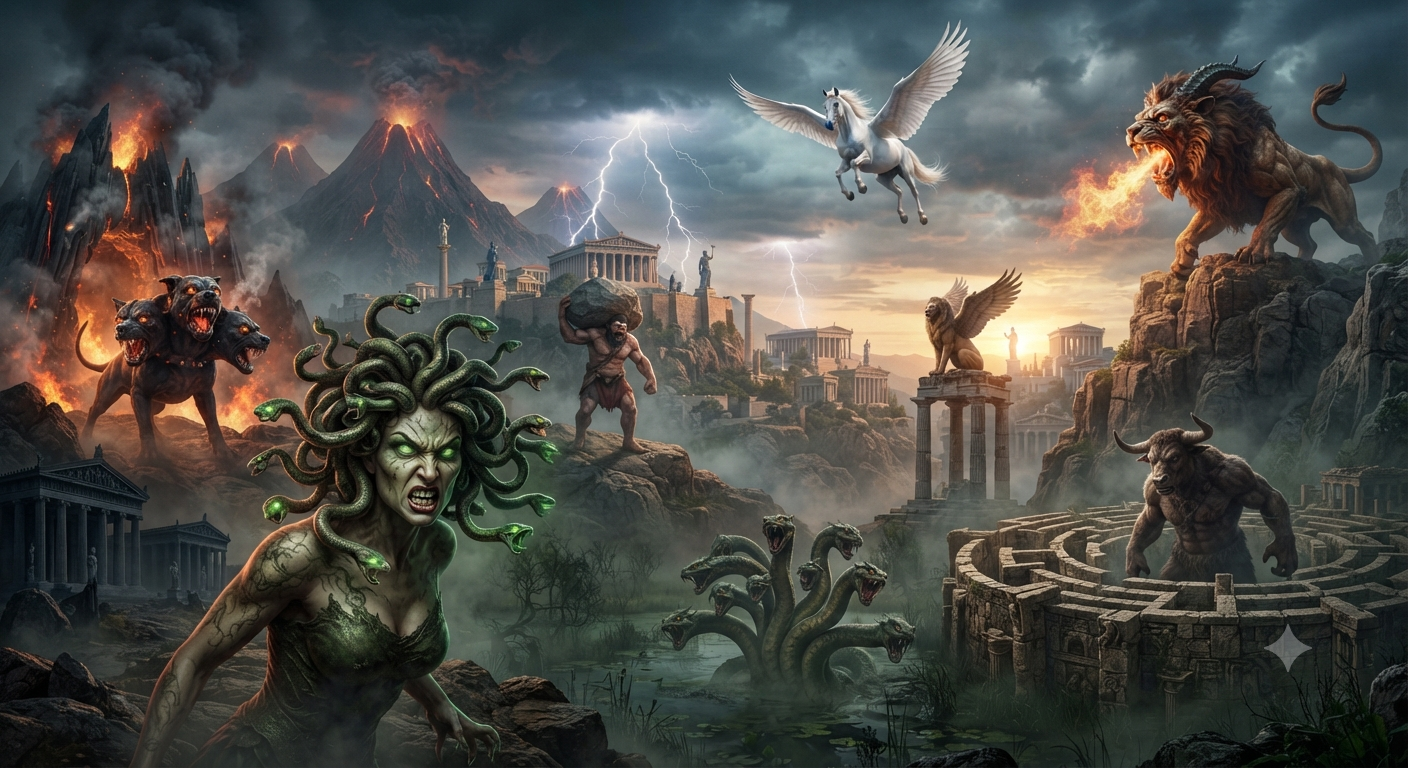
Greek Creatures and Monsters: The Complete Guide
Greek mythology’s monsters are more than obstacles for its heroes — they embody the chaos, danger, and wildness that civilization ...