underworld

Aeneas’s Descent Into the Underworld: Meaning and Summary
Aeneass Descent into the Underworld, a central episode in Virgil’s *Aeneid*, recounts the Trojan hero’s journey into the realm of the dead under the guidance of the Sibyl of Cumae. There he seeks Anchises’s counsel, and the encounter reveals Roman ideas of fate, duty, and imperial destiny while linking Troy’s fall to the future foundation of Rome.

Are the Furies the Same as the Erinyes? Explained
The Furies and the Erinyes are, in most contexts, the same figures: ancient Greek avenging spirits later known in Latin and English by a different name. This article traces their meanings, origins, and role in myth and tragedy, showing how these fearsome beings embodied justice, punishment, and the uneasy path from vengeance to order.

Charon: Definition, Mythology, and Significance
Charon, the grim ferryman of Greek mythology, carries souls across the boundary between the living world and the underworld, embodying passage, loss, and the finality of death. From ancient funerary beliefs to later literature and art, his enduring presence invites a closer look at how Greeks imagined the soul’s journey beyond life.
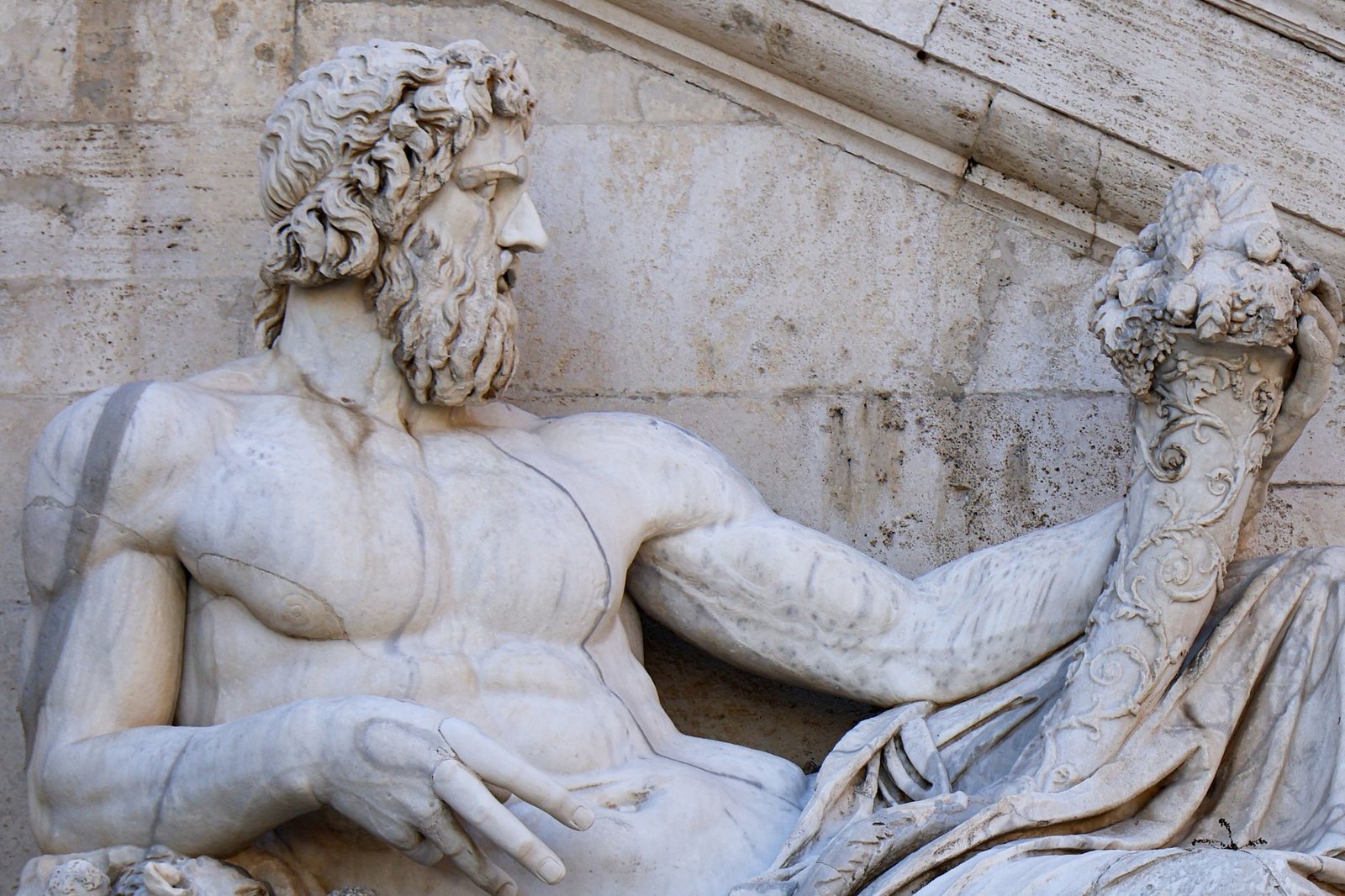
Pluto (Roman God): Roman God of the Underworld
Pluto, the Roman god of the underworld, the dead, and the hidden wealth beneath the earth, occupies a central place in ancient religion and myth. This article explores his origins, his relationship to Hades, and the enduring symbolism that links death, burial, and subterranean abundance.
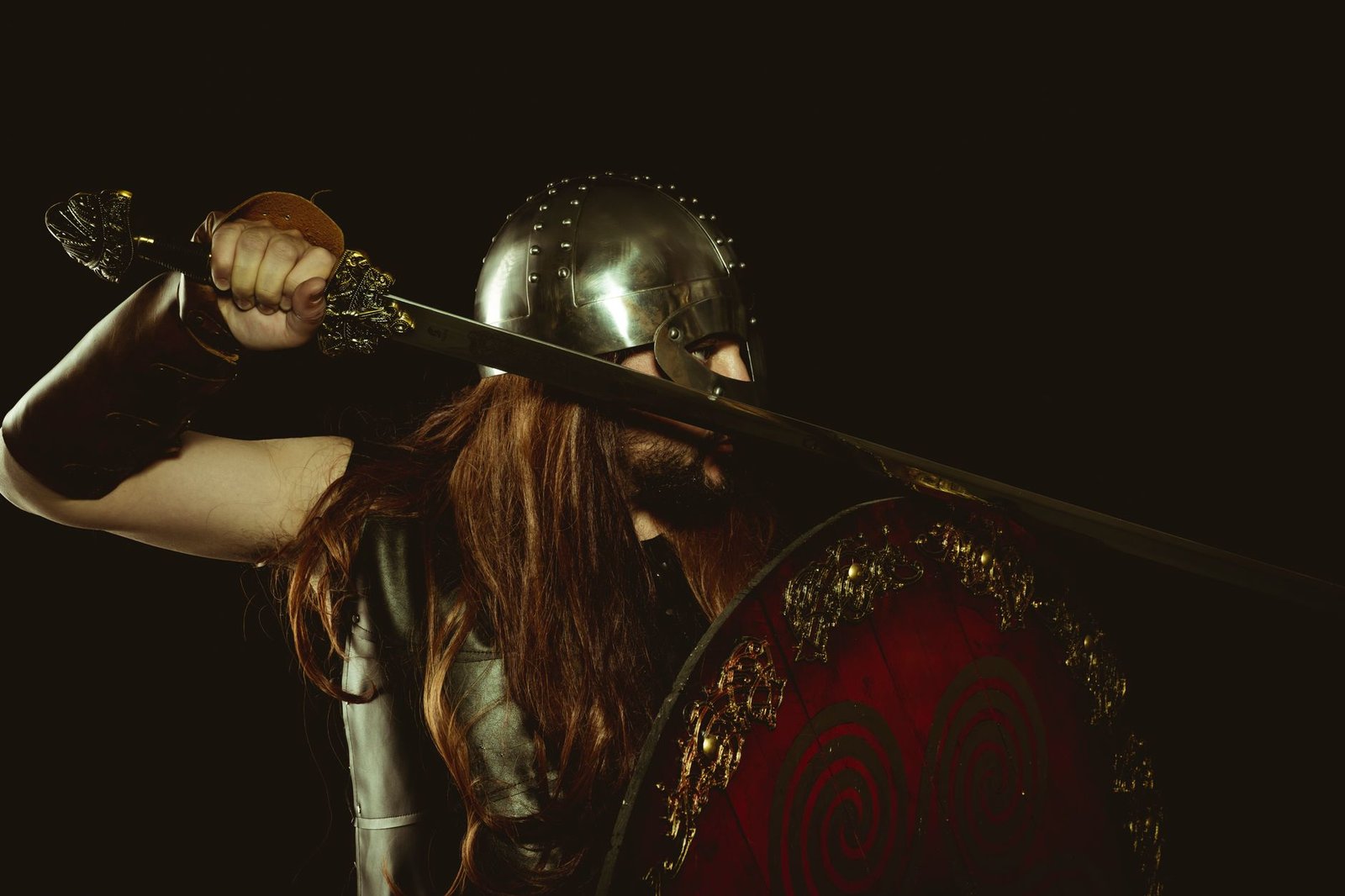
Helm of Darkness: Mythology, Origins, and Meaning
The Helm of Darkness is a legendary Greek mythic object best known as Hades’s invisibility helmet, a symbol of concealment, underworld power, and the boundary between the seen and unseen. Its shifting names, forms, and uses across ancient sources reveal a richer story of divine gifts, stealth, and hidden authority than its popular image suggests.
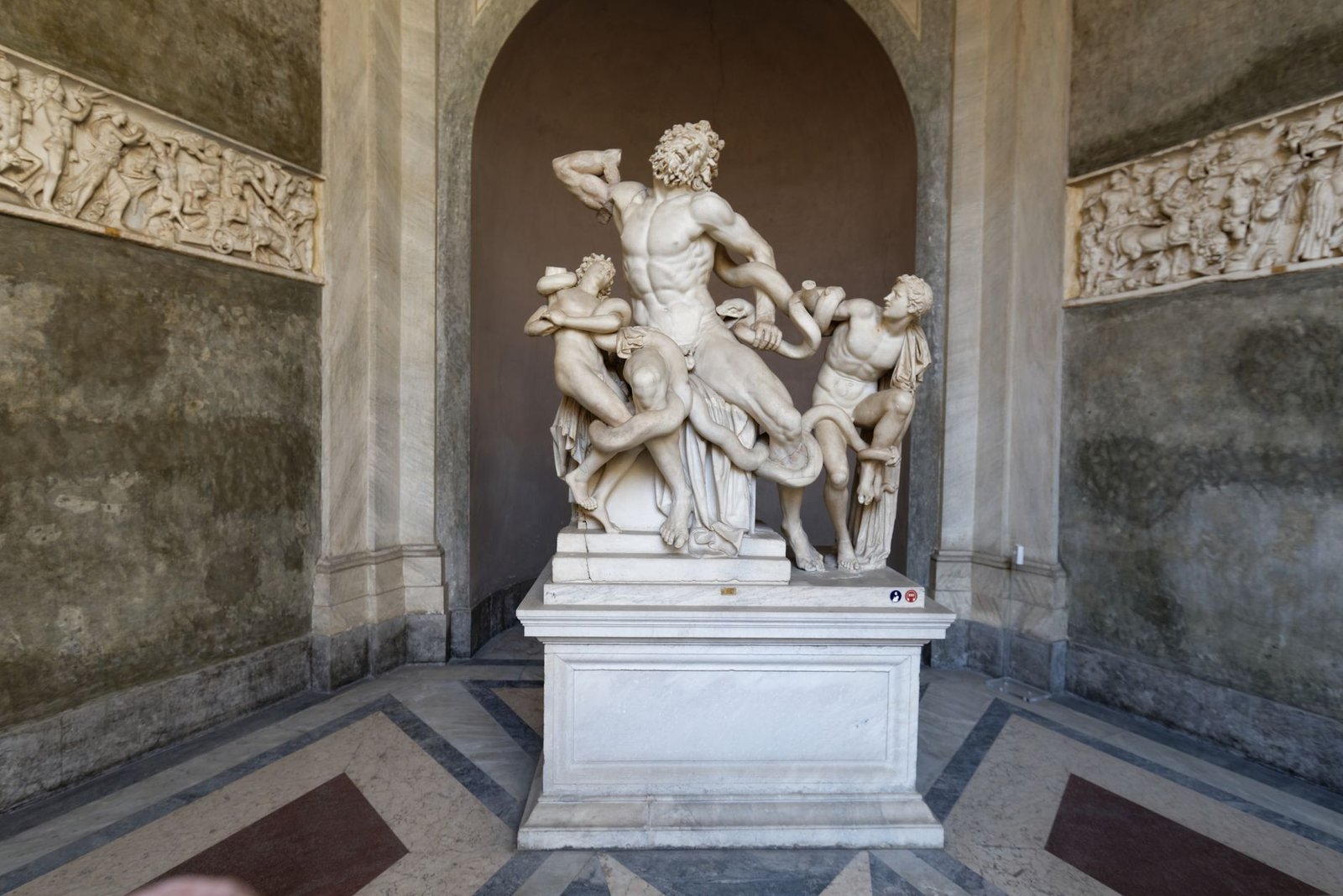
Cerberus: The Three-Headed Dog in Greek Mythology
Cerberus is the formidable watchdog of Greek mythology’s Underworld, famously guarding the threshold between the living and the dead. This encyclopedia article traces his origins, uncertain name, and enduring role in myth, art, and later culture, revealing why this terrifying guardian still captures attention today.

Ixion’s Punishment in Greek Mythology Explained
Ixion’s punishment is a central episode in Greek mythology, telling how the king Ixion incurred Zeus’s wrath by violating hospitality and attempting to seduce Hera. Condemned to an eternal spinning wheel of fire, his fate became a lasting symbol of divine justice, hubris, and the severe consequences of sacred transgression.

The Danaides’ Punishment in Greek Mythology Explained
The Danaides punishment is a classic Greek myth of eternal penance, in which the fifty daughters of Danaus are condemned in Hades to fill perforated jars with water, a labor doomed to fail. Beyond its striking image of futile effort, the story has shaped interpretations of divine justice, guilt, and the symbolic meaning of endless, meaningless work.