Wheel of Fortuna
The Wheel of Fortuna is one of the most enduring symbols in Western cultural history. Associated with the Roman goddess Fortuna, it represents the unpredictable turns of fate, the rise and fall of human fortune, and the unstable nature of worldly success. In classical antiquity, medieval philosophy, and later literature, the wheel became a powerful image for the changing conditions of life: those who are elevated today may fall tomorrow, and those who suffer may be raised up again.
Unlike many mythological figures, the Wheel of Fortuna is not tied to a single fixed story. Instead, it functions as a symbolic and philosophical concept that evolved across centuries. It appears in Roman religion, late antique thought, Christian medieval writing, art, and modern popular culture. Because of that long history, the Wheel of Fortuna remains important not only as a mythological motif but also as a reflection of how societies have understood luck, destiny, and human vulnerability.
Origin and Meaning
The name Fortuna comes from the Latin word fortuna, meaning “chance,” “luck,” “fortune,” or “prosperity.” It is related to the broader idea of events occurring beyond human control. In Roman religion, Fortuna was the personification of favorable or unfavorable fortune, and her influence extended to public life, private life, and military success.
The image of the wheel itself does not originate from a single early Greek or Roman myth in a fully developed form. Rather, it emerged gradually as a metaphor for the instability of human affairs. By late antiquity and especially the Middle Ages, the Wheel of Fortuna had become a standard emblem of fate’s unpredictability. The wheel suggests circular movement: rise, stability, decline, and collapse. It captures the idea that fortune turns without warning and that no earthly condition is permanent.
In modern English, the phrase is often associated with “the wheel of fortune,” a general expression for changing luck. In historical and literary contexts, however, the capitalized form Wheel of Fortuna usually points specifically to the mythic and philosophical symbol.
Historical Context
Roman Religion and Fortuna
In ancient Rome, Fortuna was a major deity with many local and functional forms. She was worshipped as a goddess of chance, abundance, fertility, and state success. Roman religion did not treat fortune as purely abstract. Instead, it was embedded in ritual, public sacrifice, and civic identity. Individuals and communities sought Fortuna’s favor for marriage, childbirth, commerce, travel, war, and political power.
Because Roman life was deeply concerned with the uncertainty of public and private affairs, Fortuna was an especially relevant divine figure. Her cult could express both gratitude for success and anxiety about loss. The wheel as a symbol later gave visual form to this Roman awareness of unstable prosperity.
Late Antiquity and Philosophy
In late antique philosophical and literary traditions, Fortuna became more than a goddess of worship. She also represented the instability of external goods. Philosophers and moral writers contrasted Fortune with virtue, arguing that wisdom should not depend on wealth, status, or success. This philosophical use of Fortuna helped prepare the way for the medieval understanding of the Wheel of Fortuna.
Medieval Christianity
The Wheel of Fortuna became especially influential in medieval Europe. Christian writers often used it to illustrate the mutability of earthly power and the dangers of pride. In this context, the wheel was not usually treated as a literal pagan object of worship, but as a moral symbol. Kings, nobles, and common people alike were subject to change. Earthly life was temporary, and salvation could not be built on worldly status.
This was one reason the image became so widespread in manuscripts, sermons, poems, and works of moral instruction. It was easily adapted to Christian teaching while preserving a classical visual language.
Renaissance and Beyond
During the Renaissance, the Wheel of Fortuna remained popular as a literary and artistic symbol. Humanists studied classical sources, while artists continued to use the wheel to depict the instability of human achievement. In later centuries, the symbol survived in emblems, philosophical writing, political commentary, and decorative art. It also influenced modern images of luck and fate, including the concept of a “wheel of fortune” in games and entertainment.
Main Characteristics
The Wheel of Fortuna is not a goddess in the narrow sense, but rather an emblematic structure associated with Fortuna’s power. Its main characteristics are symbolic rather than anatomical or narrative.
Core Features
- Circular motion: The wheel signifies cycles, reversals, and instability.
- Rising and falling figures: Human beings are often shown ascending, at the summit, descending, or cast down.
- Unpredictability: Fortune changes without moral certainty or warning.
- Impersonality: Fortuna may seem blind, indifferent, or only partially responsive to human wishes.
- Universality: The wheel applies to rulers and the poor alike, emphasizing that no one escapes change.
Visual Representation
In medieval art, the wheel is often shown with a central axis and human figures attached at different points. The four common positions correspond to a narrative sequence:
- I will reign
- I reign
- I have reigned
- I have no kingdom
These formulations vary across sources, but they capture the basic idea of ascent, possession, loss, and ruin.
Symbolic Meaning
The wheel warns against pride and complacency. It also offers a sober view of history: success is temporary, and failure is not always final. In some interpretations, it encourages humility, patience, and moral steadiness.
Family and Genealogy
Unlike Olympian or Roman deities with detailed genealogies, Fortuna does not have a single universally accepted family line. Ancient sources and later traditions vary.
Parentage
Fortuna’s parentage is not consistently defined in Roman religion. She is sometimes treated as an ancient, near-primordial divine force rather than a goddess with a clearly narrated birth. In some later literary or allegorical traditions, she is linked to other abstract divine powers such as Chance, Fate, or Necessity, but these relationships are interpretive rather than canonical.
Spouses and Children
There is no standard myth in which Fortuna has a fixed spouse or children comparable to other classical gods. In literary allegory, she may be associated with:
- Fate (Fatum)
- Chance
- Providence in philosophical or Christian reinterpretations
- Tyche, her Greek counterpart
These are conceptual relationships rather than a traditional family tree.
Divine Relatives and Equivalents
Because Fortuna overlaps with several ideas, she is sometimes placed near:
- Tyche in Greek tradition
- Nemesis, when fortune leads to punishment or reversal
- Providence, in later Christian thought
- Fate and Necessity, in philosophical writing
Symbols
The Wheel of Fortuna is itself the central symbol, but it is associated with a wider set of visual and conceptual signs.
| Symbol | Meaning |
|---|---|
| Wheel | Cycles of rise and fall, instability of fortune |
| Crown | Power, authority, success, and its fragility |
| Blindfolded or uncertain gaze | Unpredictability or impartiality of Fortune |
| Cornucopia | Abundance, prosperity, and generosity |
| Rudder | Guidance over life and fate in some iconography |
| Ball or sphere | Instability and the shifting nature of worldly goods |
Colors
Colors are not standardized across all traditions, but medieval and later art often used:
- Gold for wealth, royal power, and splendor
- Red for passion, ambition, or danger
- Blue or dark tones for uncertainty, loss, or solemnity
Because Fortuna appears in many contexts, color symbolism varies by region and period.
Sacred Animals
There is no universally fixed sacred animal for Fortuna in the way some ancient deities have clear animal associations. However, later traditions sometimes linked Fortuna with animals that symbolized speed, instability, or change.
Commonly Associated Animals
- Wheel-bearing horses or chariots in artistic representations of motion and power
- Birds, especially in symbolic art, for chance and sudden movement
- Cats or other unpredictable animals in later folklore, though not in a classical canonical sense
It is important to note that these associations are often artistic or interpretive rather than established in ancient Roman cult.
Sacred Plants
Fortuna does not have a universally recognized sacred plant. Nevertheless, some plants appear in related symbolic traditions because of their associations with prosperity, victory, or uncertainty.
Plants Sometimes Associated in Broader Symbolism
- Laurel: victory, honor, and public success
- Olive: peace and prosperity
- Wheat or grain: abundance and fertility
- Vines and ivy: growth, celebration, and cyclical renewal
These associations depend on artistic and literary context rather than fixed ritual doctrine.
Sacred Places
Fortuna was worshipped in many places across the Roman world, and several sanctuaries became especially notable.
Important Cult Sites
- Praeneste: One of the most famous centers of Fortuna worship, home to Fortuna Primigenia, associated with oracular practice.
- Rome: Multiple temples and cults honored Fortuna in different forms.
- Tibur (Tivoli): Another important location linked to Fortuna’s cult.
- Other Roman and provincial cities: Fortuna was widely worshipped throughout the empire.
Fortuna Primigenia at Praeneste
Praeneste was particularly important because of Fortuna Primigenia, a form of the goddess associated with first-born power, maternal protection, and oracular revelation. The sanctuary there was one of the most impressive religious complexes in the ancient world and became a major destination for divination.
The significance of these places lies not only in architecture but also in the social function of the cult: people sought divine guidance for uncertain outcomes.
Powers and Attributes
Fortuna’s powers were broad and flexible, reflecting the Roman understanding of chance and prosperity.
Main Domains
- Luck and chance
- Prosperity and wealth
- Military success
- Political elevation
- Travel and safe passage
- Birth and fertility
- Human destiny in its changing aspects
Attribute of Uncertainty
Fortuna’s defining trait is inconsistency. She can grant success and remove it just as quickly. This makes her different from gods associated with stable moral order. She is not always fair in a human sense, which is precisely why she became such a potent symbol.
Positive and Negative Fortune
Fortuna could be favorable or hostile. Roman tradition recognized both good fortune and bad fortune, and worshippers might appeal to her for:
- victory in battle
- recovery from danger
- safe childbirth
- business success
- social advancement
At the same time, people feared her reversals. The Wheel of Fortuna captures this duality.
Main Myths
There is no single canonical myth of the Wheel of Fortuna comparable to the story of Hercules or Perseus. Instead, the wheel appears in a series of literary and moral contexts.
Fortuna and Human Arrogance
One common theme is the rise of powerful people who forget the instability of their position. The wheel then turns, causing their downfall. This story pattern appears frequently in medieval and Renaissance writing.
The Four Stages of the Wheel
A standard medieval interpretation describes the wheel with four stages:
- Ascending: a person seeks power
- At the summit: a person enjoys success
- Descending: fortune begins to fade
- Fallen: ruin or loss follows
This sequence is not a single myth but a recurring allegorical structure.
Fortuna in Philosophical Literature
In philosophical works, Fortuna often serves as a reminder that external goods are not fully under human control. Writers use her to contrast material success with inner virtue and wisdom.
Fortuna in Literary Tradition
Poets and moralists frequently personified Fortuna as a force spinning the wheel without concern for human wishes. The image allowed writers to dramatize political instability, exile, defeat, and the fragility of empires.
Relationship with Other Mythological Figures
Fortuna interacts with a wide range of figures across Greek, Roman, and later traditions.
Tyche
The closest Greek equivalent is Tyche, the goddess of fortune, prosperity, and chance. Greek influence strongly shaped Roman ideas of Fortuna, although the two were not identical in every context. Tyche often appears as a city-protecting or civic deity, while Fortuna developed many Roman local forms.
Nemesis
Nemesis, goddess of retribution and balance, sometimes stands in contrast to Fortuna. Where Fortuna gives and takes unpredictably, Nemesis restores measure and punishes excess. In some literary settings, both figures help explain the fall of the proud.
Fatum and Providentia
- Fatum refers to destiny or what is decreed.
- Providentia represents foresight or divine providence.
These ideas are often contrasted with Fortuna. Some writers argue that fortune is random, while fate or providence is ordered. Others blend them, especially in late antique and Christian thought.
Deities of Fortune
Roman religion also included specialized forms of Fortuna, such as:
- Fortuna Primigenia
- Fortuna Virilis
- Fortuna Redux
- Fortuna Muliebris
These forms show how flexible the goddess was in Roman culture.
Worship and Cult
Fortuna was widely worshipped in the Roman world, but her cult varied greatly depending on place and function.
Ritual Practices
Worship could include:
- prayers for success or protection
- offerings at temples and shrines
- dedications after favorable outcomes
- consultation of oracles, especially at Praeneste
Because Fortuna was tied to uncertain outcomes, worshippers often approached her with both hope and caution.
Public and Private Devotion
Her cult was both public and private. Public officials could seek her favor for the state, while ordinary people prayed to her for daily concerns such as:
- safe childbirth
- trade
- marriage
- travel
- recovery from danger
Festivals
There were various festivals and cult observances tied to local forms of Fortuna. Exact dates and rituals varied by region and type of goddess. Since sources differ, no single universal festival can be assigned to all forms of Fortuna.
Oracular Worship
At Praeneste, Fortuna Primigenia was associated with oracular consultation. This made her cult especially important for decisions involving uncertainty. Such practices reinforced her identity as a goddess of hidden outcomes.
Ancient Sources
Fortuna and the Wheel of Fortuna appear in a range of classical and later sources. The exact development of the wheel as a symbol is gradual, so it is important to distinguish between direct attestations of Fortuna and later allegorical uses.
Notable Sources
- Cicero discusses Fortune and related philosophical ideas in several works, including reflections on chance and human success.
- Livy refers to Fortuna in historical and religious contexts.
- Ovid uses Fortuna and related motifs in poetic treatments of change and instability.
- Seneca often contrasts fortune with virtue and inner freedom.
- Pausanias mentions Greek cults relevant to Tyche and related divine figures.
- Apuleius and other late authors engage with allegorical and philosophical ideas about chance.
- Boethius, especially in The Consolation of Philosophy, is one of the most influential writers for the medieval Wheel of Fortuna, though he belongs to late antiquity rather than the classical Roman period.
Medieval Sources
The wheel becomes especially explicit in medieval literature and visual culture. Manuscripts and moral treatises show Fortune as a ruler of the wheel, underscoring the permanence of change.
Roman Equivalent
The Roman counterpart to the Greek Tyche is Fortuna. In Roman religion, however, Fortuna was not merely a translation of Tyche. She developed a rich and diverse identity with multiple local and functional forms.
Roman Adaptation
Roman Fortuna could be:
- a goddess of state success
- a protectress of women and childbirth
- a patron of travelers
- an oracle-giving power
- a symbol of luck and reversal
The Wheel of Fortuna is therefore a Roman-based symbol shaped by later philosophical and literary traditions. Its Roman equivalent is not a separate deity but the broader cult and concept of Fortuna herself.
Influence on Modern Culture
The Wheel of Fortuna has had a lasting impact on art, literature, and entertainment.
Literature
Writers continue to use the wheel as a metaphor for the instability of power, success, and fame. It appears in historical fiction, poetry, political commentary, and philosophical writing.
Art and Illustration
The image of the wheel remains popular in paintings, prints, tarot-inspired art, and book illustration. It is often used to symbolize destiny, change, or karmic reversal, even when the context is not strictly classical.
Games and Entertainment
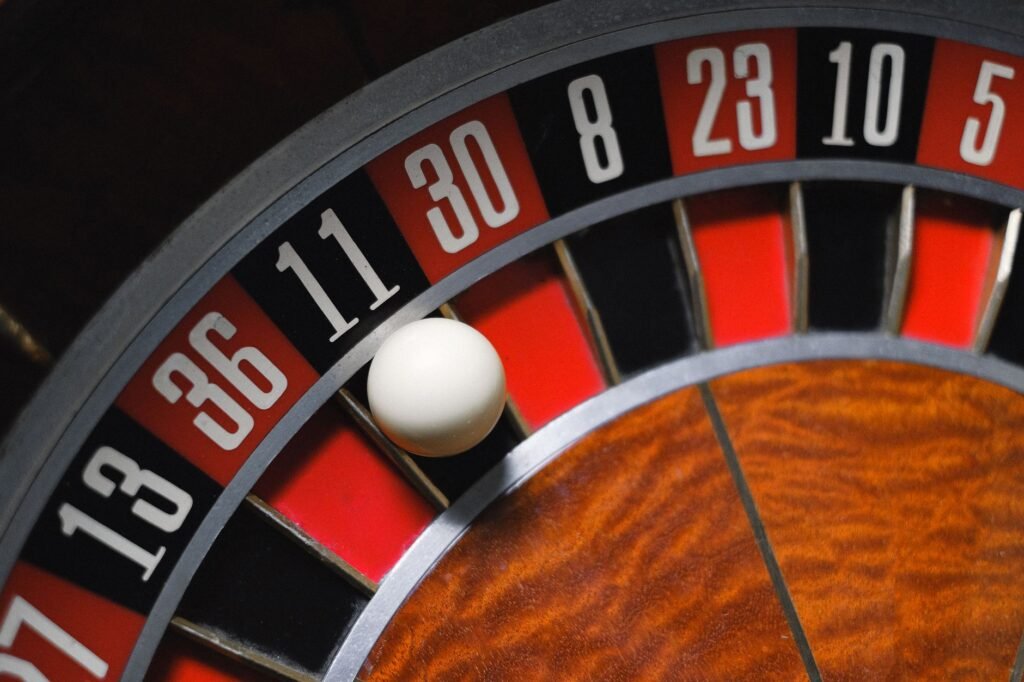
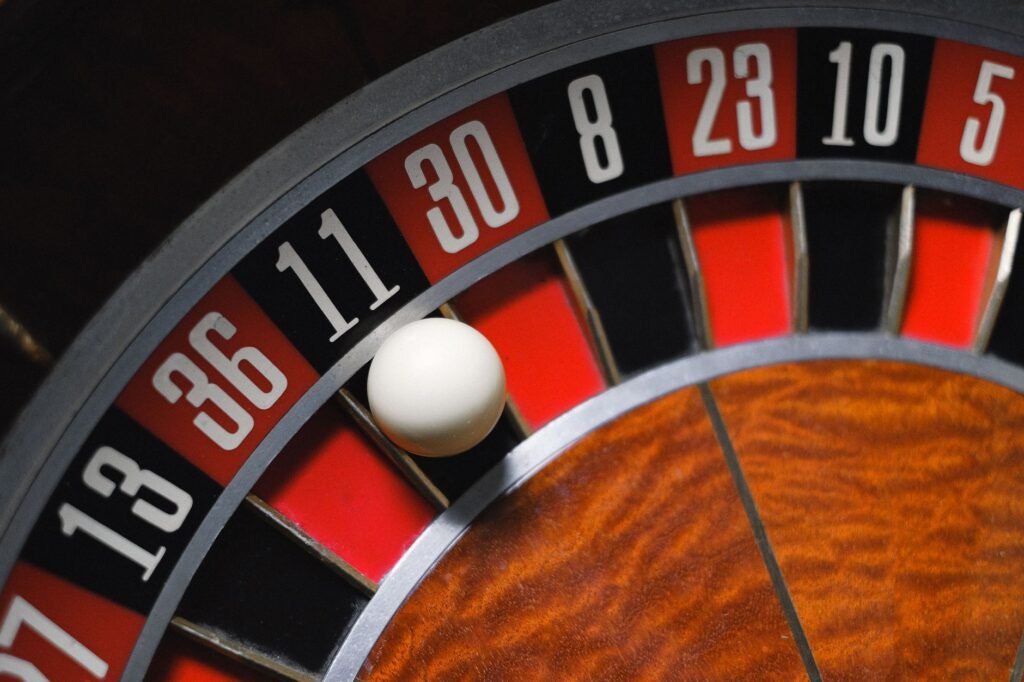
The modern phrase “wheel of fortune” has entered the vocabulary of game shows, gambling, and chance-based entertainment. In these contexts, the term emphasizes random reward, uncertainty, and anticipation.
Popular Symbolism
In modern culture, the wheel is often adapted to represent:
- life cycles
- economic rise and fall
- political instability
- career success and burnout
- luck in love or business
Its meaning is flexible, which helps explain its continued relevance.
Curiosities
- The Wheel of Fortuna is more famous as a symbol than as a myth with a single story.
- Medieval images often show Fortuna as both giver and destroyer, sometimes with a crown and sometimes with a broken king at the base of the wheel.
- The wheel became a moral warning against hubris, or excessive pride.
- In some texts, the wheel is less about random luck than about the limits of human control over worldly conditions.
- Fortuna could be worshipped in many specialized forms, making her one of the most adaptable deities in the Roman pantheon.
- The sanctuary at Praeneste was especially influential because it linked Fortuna with divination and oracular authority.
- The modern concept of “fortune” in everyday English still carries echoes of the ancient goddess’s domain.
Frequently Asked Questions
What is the Wheel of Fortuna?
The Wheel of Fortuna is a symbolic image of the rise and fall of fortune, associated with the Roman goddess Fortuna. It represents the instability of success and the changing nature of human life.
Is the Wheel of Fortuna the same as the Wheel of Fate?
They are related but not identical. The Wheel of Fortuna emphasizes luck, chance, and worldly change, while the broader idea of a wheel of fate can refer to destiny more generally.
Was Fortuna a Roman goddess?
Yes. Fortuna was an important Roman goddess of luck, prosperity, and chance, with many local and functional forms.
Did the ancient Romans actually use the wheel symbol?
The full medieval form of the Wheel of Fortuna developed later, but the underlying ideas of Fortune’s unpredictability and divine reversal were present in antiquity.
What does the wheel with four figures mean?
It usually represents the stages of rise, success, decline, and fall. This interpretation became common in medieval art and literature.
Who wrote about Fortuna most famously?
Many classical and later authors discussed her, but Boethius had a particularly strong influence on the medieval image of Fortune and her wheel.
Is Fortuna the same as Tyche?
Fortuna is the Roman counterpart of the Greek Tyche, though each developed distinct features in their own religious traditions.
Why is the Wheel of Fortuna still important today?
It remains a universal symbol of change, reminding people that wealth, power, and status are temporary and that life is subject to uncertainty.
Conclusion
The Wheel of Fortuna is one of the most powerful symbols inherited from the classical world. Rooted in the Roman goddess Fortuna and shaped by later philosophy and medieval thought, it expresses a timeless truth about human life: fortune changes, often suddenly and without warning. Whether seen as a divine force, a moral warning, or a literary metaphor, the wheel has remained compelling because it captures an experience shared across cultures and centuries—the fragility of success and the uncertainty of destiny.
Its influence extends from ancient religion to medieval manuscripts, from Renaissance art to modern idiom. As both a mythological image and a philosophical idea, the Wheel of Fortuna continues to speak to questions of luck, power, humility, and the unpredictable turns of history.

Orin Vale has spent the better part of two decades tracing the threads that connect the world’s oldest stories — from the halls of Asgard to the banks of the Nile, from Olympus to the jungles of the Maya. What began as a childhood fascination with flood myths and trickster gods grew into years of independent study across comparative mythology and ancient religion, always chasing the same question: what did these stories mean to the people who first told them? Orin writes for readers who want more than trivia — the ones looking for the beliefs, fears, and truths that myths were built to carry.