Difference between Greek and Roman Monster Traditions
Introduction
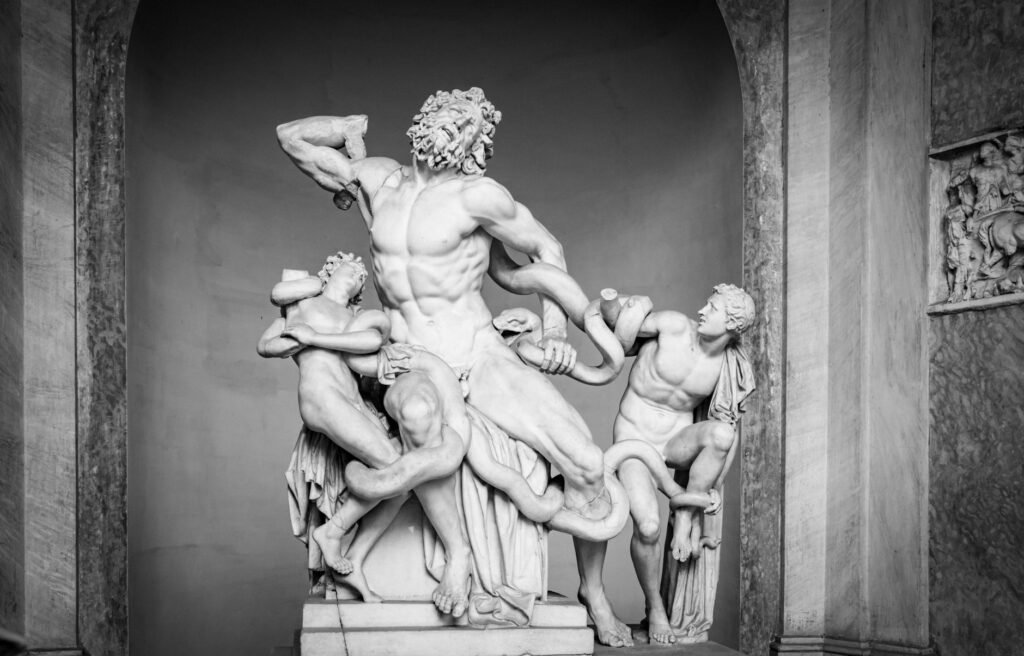
The difference between Greek and Roman monster traditions lies less in completely separate sets of creatures than in the distinct cultural settings that shaped how those creatures were imagined, named, and used in storytelling. Greek myth supplied many of the most famous monsters of the ancient Mediterranean, while Roman authors inherited, adapted, and sometimes reinterpreted them within Latin literature and Roman religious thought.
Greek monsters often appear as part of a highly local, poetic, and genealogical mythic world: they are born from divine lineages, live in remote landscapes, and test heroes in narratives preserved by poets and mythographers. Roman monster traditions, by contrast, are frequently filtered through translation, literary adaptation, and moral or political framing. Romans did create and preserve monster stories, but they often read Greek myths through their own language, values, and historical imagination.
Understanding this difference matters because monsters were not merely entertainment. They expressed ideas about chaos and order, civilization and wilderness, divine power, human limits, and the boundaries of the known world. Comparing Greek and Roman monster traditions also reveals how the Romans absorbed Greek culture while reshaping it to fit Latin literary forms and Roman identity.
Origin and Meaning
The word monster ultimately comes from the Latin monstrum, but its meaning in antiquity differs from the modern sense of a strange beast. In Latin, monstrum could mean an omen, prodigy, or divine sign—something that “shows” or warns. It was related to monere, “to warn.” Roman usage therefore often connected monstrous beings with portents, abnormal births, or signs of divine displeasure.
Greek mythology did not have one single equivalent term for “monster” in the modern general sense. Greek texts use a range of words, including:
- τέρασ / téras: a wonder, marvel, or portent
- δείνος / deinos and related adjectives: terrible, fearsome
- θηρίον / thērion: wild beast
- πέλωρ / pelōr: a huge or monstrous being
These terms do not map perfectly onto modern categories. A Greek “monster” could be a terrifying being, a hybrid creature, a divine punishment, or even a miraculous sign. Roman authors, writing in Latin, inherited Greek monsters but interpreted them through monstrum and related ideas of omen and deviation from the norm.
Historical Context
Greek Mythic Background
Greek monster traditions developed across many centuries in a fragmented world of city-states, local cults, oral poetry, and regional tales. The earliest surviving sources, especially Homer and Hesiod, already show a world filled with monsters at the edges of human experience.
Monsters in Greek myth often mark the boundaries of civilization:
- caves, deserts, islands, and remote mountains
- liminal spaces between human society and the wild
- places beyond normal rules of kinship and hospitality
They are commonly tied to divine genealogy. Many are children of primordial forces such as Gaia, Tartarus, Pontus, or sea deities. Others are born from divine punishment or miraculous transformation. Greek stories often focus on heroes defeating monsters as part of a broader myth of the establishment of order.
Roman Reception and Adaptation
Roman monster traditions emerged in a different cultural environment. Early Roman religion emphasized ritual correctness, omens, and civic duty. Roman literature later absorbed Greek myth on a large scale, especially from the third century BCE onward, when Roman writers translated and reworked Greek models.
Roman authors did not simply repeat Greek monster stories. They:
- Latinized Greek names and motifs
- aligned monsters with Roman morals, history, and political symbolism
- used monsters in epic, satire, moral exempla, and natural history
- treated monstrous births and prodigies as signs relevant to the state
As a result, Roman monster traditions often combine mythological creatures with omen theory, folklore, and literary display.
Main Characteristics
The main differences between Greek and Roman monster traditions can be summarized as follows:
| Aspect | Greek Monster Traditions | Roman Monster Traditions |
|---|---|---|
| Literary setting | Mythic and heroic narratives | Adapted myth, epic, satire, historiography, omen lore |
| Function | Tests of heroes; boundaries of cosmos | Literary inheritance, moral symbolism, state signs |
| Language | Greek terms with varied meanings | Latin monstrum and related terms |
| Origin stories | Often divine, primordial, or local | Often borrowed from Greece, reshaped in Latin culture |
| Emphasis | Genealogy, place, and mythic conflict | Translation, interpretation, and civic meaning |
Common Greek Features
Greek monsters often have:
- strong genealogical identity
- vivid physical hybridity
- a clear role in heroic narrative
- connection to a specific place or landscape
- association with divine or primordial powers
Examples include the Minotaur, Cyclopes, Sirens, Gorgons, Lernaean Hydra, and Typhon.
Common Roman Features
Roman monster traditions often emphasize:
- signs and prodigies
- literary inheritance from Greek myth
- transformation of monsters into moral or political symbols
- geographic expansion through imperial imagination
- integration with Roman historical writing and ritual practice
Roman literature preserves Greek monsters prominently, but also uses prodigies, omens, and hybrid beings in a way that reflects Roman religious concerns.
Family and Genealogy
Greek Genealogies
Greek monsters are often deeply embedded in divine family trees. This is one of the clearest differences from Roman usage, where genealogy may be less central unless inherited from Greek myth.
Common Greek monster lineages include:
- Gaia and Tartarus producing Typhon in some traditions
- Phorcys and Ceto as parents of sea monsters such as the Gorgons and Echidna
- Echidna and Typhon as parents of many famous monsters, including Cerberus, the Hydra, the Chimera, and the Sphinx in some accounts
These family ties make monsters part of the same cosmic system as gods and heroes. They are not merely random creatures but members of a vast mythic kinship network.
Roman Treatment of Genealogy
Roman authors usually preserve these genealogies when retelling Greek myths. However, Roman interest is often less focused on monster family trees than on narrative function or symbolic meaning. Latin poets may emphasize the monster as an image of disorder, imperial conquest, or poetic grandeur rather than as a member of an extended mythological household.
Notable Variations
Different ancient sources do not always agree on the parentage of monsters. For example:
- Typhon has multiple traditions concerning parentage and location
- the Sphinx may be treated differently in Greek and later Roman retellings
- some sea monsters and hybrids have variant genealogies depending on author and region
Because of these variations, any account of monster family relationships should be treated as tradition-specific rather than absolute.
Symbols
Monsters themselves are symbolic, but both Greek and Roman traditions also attach recurring objects and visual signs to them.
Greek Symbolic Patterns
Greek monsters are often associated with:
- snakes: chthonic power, danger, renewal, and earth forces
- multiple heads: exaggeration of threat and unnatural vitality
- wings: liminality and mobility beyond human control
- hybrid bodies: the collapse of natural categories
The meaning of a monster’s appearance usually depends on context. A creature combining human and animal features often signals a breach of normal order.
Roman Symbolic Patterns
Roman authors sometimes retain Greek symbolic elements, but they also reinterpret them in terms of:
- omens and prodigies
- state crisis
- moral corruption
- the dangers of excess and barbarism
In Roman literature, monstrous figures can become symbols of enemies, chaos, or even the uncontrolled forces that threaten Rome itself.
Sacred Animals
Monsters are not usually “sacred animals” in the strict cultic sense, but several animals recur strongly in both traditions.
In Greek Tradition
Common animal associations include:
- serpents: central to many chthonic and monstrous beings
- lions: linked to strength and predation, as in the Nemean Lion
- bulls: especially in the Minotaur and in Cretan myth
- birds: in the Sirens, Harpies, and other hybrid beings
- dogs: Cerberus, guardian of the underworld
These animals often symbolize more than physical traits. They evoke danger, liminality, wildness, or a boundary between worlds.
In Roman Tradition
Romans inherited these associations but also gave them new literary meanings. The wolf, for instance, is a major Roman symbolic animal in general, though not central to monster traditions in the same way as the serpent or bull. Roman authors often used animal imagery to intensify moral or political interpretation.
Sacred Plants
Greek and Roman monster traditions do not center on sacred plants in the way some deity cults do. However, plants sometimes appear in monster myths as part of the landscape or as markers of magical power.
Greek Context
Plants connected to monsters may include:
- vines and ivy in Dionysian contexts where ecstasy can become dangerous
- lotus in some far-off or exotic settings
- oak or wilderness flora in remote locales
Monster stories often place creatures in barren, strange, or uncultivated places rather than in sacred groves. The absence of cultivation itself becomes meaningful.
Roman Context
Roman authors, especially poets, often use vegetal imagery to heighten atmosphere. Wilderness plants, dark groves, and untamed landscapes mark regions where monsters or prodigies appear. The symbolic importance lies less in any single sacred plant than in the contrast between cultivated Roman space and wild, threatening nature.
Sacred Places
Greek Places
Monster traditions in Greece are strongly place-based. Many monsters belong to a particular landscape:
- Cave of the Cyclopes in Homeric and later traditions
- Lerna in the Hydra myth
- Crete in the Minotaur story
- Thebes in the Sphinx myth
- Colchis and other distant lands in tales of dragons and guardians
- the underworld for Cerberus and related beings
These places are often liminal, difficult to access, or situated at the edges of the Greek world.
Roman Places and Reframing
Roman monster traditions often relocate monsters into a broader Mediterranean and imperial imagination. Latin writers may preserve Greek geography, but they also connect monstrous prodigies with Roman civic spaces, temples, and historical events.
Important Roman contexts include:
- the city of Rome, where prodigies were recorded and interpreted
- temples and public rituals, especially in response to signs and omens
- poetic landscapes in epic literature, such as in Virgil and Ovid
The Roman distinction is important: monsters may remain mythic, but prodigies are also part of public religion and state interpretation.
Powers and Attributes
Greek Monster Powers
Greek monsters are usually defined by one or more of the following traits:
- exceptional strength
- invulnerability or regenerative power
- magical or hypnotic danger
- hybrid anatomy
- guarding treasures, thresholds, or forbidden places
- devouring humans or animals
- producing plague, poison, or destruction
The Hydra regenerates heads. Cerberus guards the underworld. Medusa’s gaze petrifies. Typhon threatens the gods themselves. Each monster has a specific narrative function that reflects some aspect of cosmic disorder.
Roman Monster Attributes
Roman literature retains these powers but often interprets them through a moral and civic lens. A monster may represent:
- uncontrolled passion
- foreign threat
- barbarity
- hubris
- the instability of empire or fortune
Roman writers were especially interested in monstrosity as deviation from proper form or proper order. The same creature could be mythological and symbolic at once.
Main Myths
Greek Monster Myths
Several myths became central to the Greek tradition:
The Minotaur
Born from the union of Pasiphaë and a bull, the Minotaur inhabits the Labyrinth on Crete and is slain by Theseus. The story combines royal guilt, divine punishment, and heroic escape.
Medusa and the Gorgons
Medusa is the best known of the Gorgons. In later tradition, Perseus kills her and uses her head as a weapon. The Gorgon image becomes a powerful sign of dread.
The Hydra
Heracles defeats the multi-headed Hydra of Lerna, though its regenerative heads make the struggle especially difficult.
Cerberus
Heracles’ descent to the underworld includes the capture of Cerberus, a dog-like guardian of Hades.
Typhon
Typhon is one of the great cosmic monsters, often associated with storm, chaos, and rebellion against Zeus.
The Chimera and Sphinx
Both are hybrid beings associated with destruction and riddling danger. The Sphinx is especially tied to the Theban myth cycle.
Roman Monster Myths and Retellings
Romans often retold these myths in works by Virgil, Ovid, Seneca, and others. The stories become part of Roman literary education and cultural prestige. Ovid, in particular, preserves many Greek myths in Latin poetic form, often emphasizing metamorphosis, irony, and narrative artistry.
Roman monster stories also include prodigies and portentous events recorded by historians such as Livy, where unusual births or signs may be treated as warnings for the state.
Relationship with Other Mythological Figures
In Greek Myth
Monsters in Greek tradition interact constantly with gods, heroes, and primordial beings:
- Heracles confronts several monsters as part of his labors
- Perseus defeats Medusa
- Theseus kills the Minotaur
- Bellerophon combats the Chimera
- Zeus struggles against Typhon
- Athena and Hermes assist heroes in some monster slayings
These interactions establish monsters as essential to heroic identity. The monster is not peripheral; it is a catalyst for heroism.
In Roman Myth and Literature
Roman literature retains these relationships but often recasts them as literary exempla. Monsters may serve to highlight Roman virtues such as courage, discipline, and endurance. In epic and tragedy, they can also symbolize the forces that oppose civilization or the Roman state.
Roman authors sometimes compare historical enemies or political disorder to monsters, using mythic language for contemporary effect. This is one of the most significant differences between Greek and Roman traditions: Roman monsters are often more openly metaphorical.
Worship and Cult
Greek Context
Monsters were not normally worshipped as gods, but they could be connected to local cult, ritual, or heroic remembrance. Some monster sites became places of ritual significance because of their mythic associations. For example, the landscape tied to a monster’s defeat might be integrated into local identity or sacred geography.
Roman Context
Roman religion paid special attention to prodigies and abnormal signs. A monstrous birth, an unusual animal, or an extraordinary event might require expiation through ritual action. In this sense, Roman monster tradition is closely connected to state religion.
Typical Roman responses to prodigies included:
- consultation of priests or diviners
- public sacrifice
- ritual expiation
- recording and interpreting the event as a warning
This is a major difference from Greek mythic storytelling, where monsters are usually narrative beings rather than administrative signs.
Ancient Sources
The study of Greek and Roman monster traditions depends on a wide range of ancient authors. Key sources include:
Greek Sources
- Homer, especially the Odyssey and Iliad, for early monstrous beings and dangers at the edges of the world
- Hesiod, especially the Theogony, for genealogies of monsters and cosmic conflict
- Apollodorus, for systematic mythographic summaries
- Pindar, for heroic and mythic retellings
- Euripides and other tragedians, for dramatic treatment of monstrous figures and transformations
- Pausanias, for local myth, cult, and regional traditions
Roman Sources
- Virgil, especially the Aeneid, for monsters in epic and symbolic form
- Ovid, especially the Metamorphoses, for transformed beings and mythic monsters
- Livy, for prodigies and state religion
- Seneca, for tragic and philosophical reinterpretation
- Pliny the Elder, for natural history and accounts of marvelous creatures
Different authors stress different aspects of monstrosity, which is why no single ancient source can define the entire tradition.
Roman Equivalent
There is no perfect Roman equivalent to “Greek monsters” because Rome largely inherited Greek mythology rather than creating a fully separate system of comparable depth. The closest Roman counterpart is the Latin concept of monstrum, along with related ideas such as prodigium, portentum, and ostentum.
Key Distinctions
- Greek monsters are primarily mythic beings within narrative traditions.
- Roman monsters are often mythic beings plus signs, omens, or literary symbols.
- Roman culture preserved Greek monsters but gave them Latin names and Roman significance.
- Roman prodigy lore extended the meaning of monstrosity beyond creatures to include abnormal events and births.
For this reason, the Roman equivalent is not one-to-one. Roman tradition is both an adaptation of Greek monster lore and an independent system of interpretation centered on signs and civic religion.
Influence on Modern Culture
Greek and Roman monster traditions continue to shape modern culture, but the Greek material has been especially influential in popular retellings.
Literature
Modern fantasy, historical fiction, and children’s literature draw heavily on Greek monsters such as the Minotaur, Medusa, Hydra, and Cerberus. Roman adaptations also matter because many readers encounter these stories through Latin literature, translation, and classical education.
Cinema and Television
Film and television frequently use Greek monster imagery for:
- heroic quests
- labyrinths and trials
- underworld journeys
- transformation and curse narratives
Roman monster concepts appear more indirectly, especially in stories involving omens, prophecy, and imperial decline.
Games and Comics
Tabletop and digital games often adapt Greek monsters as enemies, bosses, or mythic challenges. The Roman tradition contributes to worldbuilding through Latin terminology, empire imagery, and the use of prodigies or divine warnings.
Art and Popular Symbolism
Medusa’s head, the Sphinx, and Cerberus are enduring visual motifs. Roman influence is also visible in neoclassical art, where classical monsters are used to evoke antiquity, moral struggle, or heroic grandeur.
Curiosities
- The Latin word monstrum originally had a broader sense than “monster” and could mean an omen or divine warning.
- Greek myth often treats monsters as members of genealogies, while Roman writers are more likely to frame them as signs or literary symbols.
- Not all “monsters” in ancient sources are animals or hybrids; some are human figures made monstrous by deeds, punishment, or transformation.
- The same creature can appear differently in different ancient authors. For example, a monster may be a local terror in one account and a literary emblem in another.
- Roman writers such as Ovid often make Greek monsters part of a larger meditation on change, instability, and transformation.
- In Roman historiography, prodigies could be recorded with the seriousness of public events, showing how deeply the language of monstrosity entered civic life.
Frequently Asked Questions
1. What is the main difference between Greek and Roman monster traditions?
Greek monster traditions are primarily mythic and genealogical, while Roman monster traditions often reinterpret monsters as omens, literary symbols, or moral examples in addition to inherited mythic beings.
2. Did Romans create their own monsters?
Yes, but many of the best-known Roman monster figures come from adapted Greek myths. Roman tradition is strongest in the interpretation of prodigies, portents, and symbolic monstrosity.
3. Is the Latin word monstrum the same as a monster in modern English?
Not exactly. In Latin, monstrum could mean a portent, omen, or warning sign, not only a terrifying creature.
4. Why are Greek monsters so often linked to heroes?
Greek myth frequently uses monsters to define heroic identity. A hero proves worth by defeating a creature that represents chaos, danger, or the limits of human ability.
5. Which Roman authors are most important for monster traditions?
Important Roman authors include Virgil, Ovid, Livy, Seneca, and Pliny the Elder. Each treats monstrosity in a different literary or historical context.
6. Are Greek and Roman monsters always the same?
No. Many are shared through cultural borrowing, but their meanings, roles, and narrative functions can differ significantly between Greek and Roman sources.
7. What is a Roman prodigy?
A Roman prodigy is an unusual or extraordinary event, often interpreted as a divine warning. It may involve a strange birth, an eclipse, an unnatural animal, or another remarkable occurrence.
Conclusion
The difference between Greek and Roman monster traditions is rooted in the different ways each culture understood myth, religion, and narrative authority. Greek tradition presents monsters as richly genealogical beings embedded in heroic and cosmic stories. Roman tradition inherits those creatures but often reframes them through the Latin concept of monstrum, civic religion, historical record, and literary adaptation.
Rather than forming two completely separate systems, Greek and Roman monster traditions represent a continuum of reception and transformation. Greek myths supplied the creatures and many of their stories; Roman culture reshaped them, expanded their symbolic roles, and connected them to the language of omen and public life. Together, these traditions have left a lasting legacy in literature, art, and popular imagination, where monsters still represent the boundaries between the human and the extraordinary.

Orin Vale has spent the better part of two decades tracing the threads that connect the world’s oldest stories — from the halls of Asgard to the banks of the Nile, from Olympus to the jungles of the Maya. What began as a childhood fascination with flood myths and trickster gods grew into years of independent study across comparative mythology and ancient religion, always chasing the same question: what did these stories mean to the people who first told them? Orin writes for readers who want more than trivia — the ones looking for the beliefs, fears, and truths that myths were built to carry.