Introduction
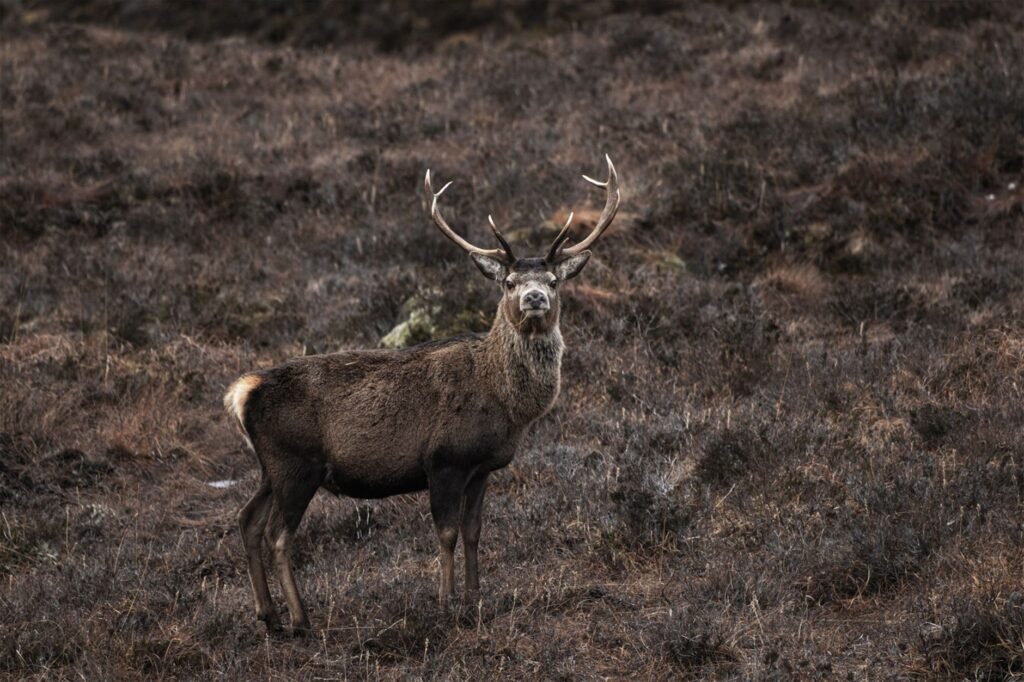
The Sacred Stag is a recurring sacred animal in world mythologies, especially in Greek and Celtic traditions, where the stag appears as a symbol of vitality, wilderness, royal authority, divine favor, and the boundary between the human and the divine. Because deer shed and regrow their antlers, the stag has long been associated with renewal, cyclical time, and the rhythms of nature. In many traditions, it is not a single named being but a ritually and symbolically important creature connected to gods, heroes, forests, and sanctuaries.
Unlike a fully individualized deity, the Sacred Stag is best understood as a mythic motif: a sacred animal with religious, literary, and artistic significance. It appears in hunting myths, seasonal rites, and emblematic representations of fertility and sovereignty. Its importance lies in the way it bridges several cultural domains—religion, kingship, the hunt, and the natural world.
Origin and Meaning
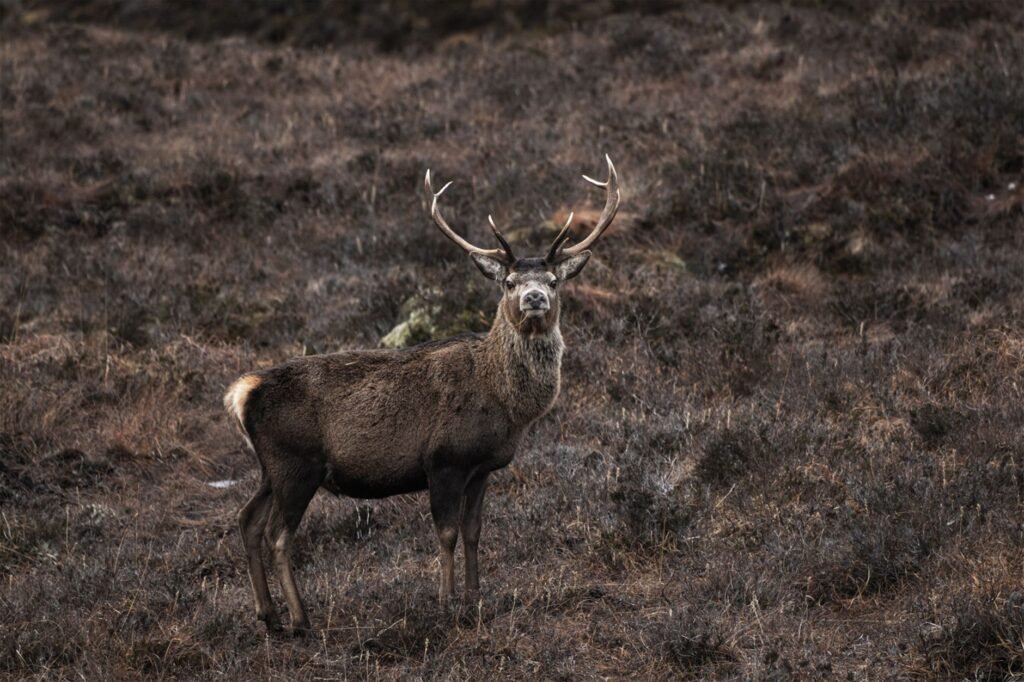
The English phrase “sacred stag” is descriptive rather than a single ancient proper name. It combines:
- sacred, meaning consecrated or set apart for divine use
- stag, meaning an adult male deer, especially one with antlers
In antiquity, the sacred character of the stag was expressed through specific local epithets, cult associations, or divine narratives rather than through one universal term.
Etymological and symbolic background
The stag’s sacred status likely arose from several observable features:
- its antlers, which are renewed annually
- its speed and alertness
- its association with the forest and mountains
- its role as a prized but difficult quarry
- its appearance in ritual and heroic hunting scenes
Across Indo-European cultures, deer and stags often symbolized the life force of nature, the changing seasons, and the authority of the hunt, which could be linked to aristocratic or royal identity.
Historical Context
The sacred stag is best known from ancient Greek religion and mythology, though deer symbolism also appears elsewhere in Europe and the ancient Mediterranean. In Greek culture, the stag was closely connected with:
- Artemis, goddess of the hunt, wilderness, and chastity
- Apollo in some local traditions
- heroic hunting narratives
- sanctuaries located in wild or liminal landscapes
The deer’s sacredness was especially visible in contexts where hunting was both religious and social. Hunting was not merely a practical activity; it could express discipline, status, and communion with the divine order of nature.
Cultural significance in antiquity
In Greek art and literature, the stag appears as:
- a prey animal of divine hunters
- a companion or emblem of deities
- a marker of sacred territory
- a test of heroic restraint or skill
In some traditions, killing a sacred deer constituted impiety and brought divine punishment. This tension between reverence and pursuit makes the stag a compelling mythic figure.
Main Characteristics
The Sacred Stag is identified by a cluster of symbolic and visual traits rather than a fixed biography.
Common characteristics
| Feature | Significance |
|---|---|
| Antlers | Renewal, vitality, seasonal change |
| Forest habitat | Wilderness, liminality, divine space |
| Speed and alertness | Freedom, untamed nature, vigilance |
| Elusiveness | Sacred distance, difficulty of capture |
| Seasonal shedding of antlers | Cyclic death and rebirth |
| White or unusual coloration in some myths | Divine exception, rarity, omen |
Typical mythic functions
The stag often serves as:
- a sacred beast protected by a deity
- a test of a hero’s devotion or restraint
- a sign from the gods
- an embodiment of fertility and natural abundance
- a symbol of royal or ritual hunting power
Family and Genealogy
As a symbolic creature, the Sacred Stag does not usually have a standardized genealogy. However, ancient myths sometimes describe individual sacred stags as offspring of divine or extraordinary parentage.
In Greek myth
One of the most famous sacred stags is the Ceryneian Hind associated with Hercules, though that animal is female and not a stag. It is frequently mentioned because it belongs to the same sacred deer complex. A comparable male deer appears in stories tied to Artemis and the hunt, but ancient sources vary in emphasis and detail.
In some mythic systems, deer are not given explicit parents but are instead treated as creatures of divine provenance.
Wider mythic pattern
In many traditions, sacred deer are understood as:
- animals owned by a god or goddess
- creatures born from the land itself
- beings with no ordinary genealogy because they belong to the divine wilderness
This lack of fixed family structure is itself significant: the stag stands outside ordinary domestic life.
Symbols
The Sacred Stag is associated with several recurring symbols and visual markers.
Key symbols
- Antlers: the most important symbol, linked to growth, renewal, and masculine vitality
- Moon and seasonal cycles: because antler growth often invites symbolic comparison with lunar and annual cycles
- Forest and woodland: the stag belongs to untamed, sacred nature
- Arrow and spear: symbols of the hunt and the dangerous encounter between humans and the sacred
- Gold or white coloration in some artistic traditions: purity, rarity, divine presence
- Crown-like antlers: a sign of sovereignty or elevated status
Symbolic interpretations
The stag may symbolize:
- fertility
- nobility
- speed
- restraint
- natural holiness
- transition between life stages
Because the stag can be both hunted and revered, it often carries an ambiguous meaning: it is at once prey and sacred presence.
Sacred Animals
The stag is part of a broader religious pattern in which certain animals are consecrated to a deity or ritual function.
Associated animals in Greek tradition
| Animal | Association |
|---|---|
| Doe / hind | Artemis, wilderness, purity |
| Dog | Hunt, pursuit, loyalty |
| Boar | Dangerous wilderness, heroic challenge |
| Bear | Artemis in some local cults |
| Swan | Apollo and other divine associations |
| Horse | Nobility, speed, sacrifice in some traditions |
Symbolic significance of animals
The stag’s sacredness is sharpened by contrast with other animals:
- hunting dogs represent human control and pursuit
- boars represent violent wilderness
- hinds often represent protected or consecrated femininity
- bears can symbolize the untamed and ritually transformed
In many cultures, the stag occupies a prestigious place because it is both a quarry animal and a creature of exceptional beauty and power.
Sacred Plants
The Sacred Stag is not consistently tied to one specific plant across all traditions, but several plants frequently appear in the same religious environments.
Plants connected by context
- oak: often linked to forests, strength, and divine presence
- laurel: associated with Apollo and sacred purification in Greek religion
- ivy and vine: more Dionysian than stag-centered, but part of woodland symbolism
- cypress: linked to sacred space, mourning, and boundaries
- grass and meadow plants: common in deer habitats and pastoral sacred landscapes
Importance of plant associations
These plants matter because the stag belongs to the wild sacred landscape, not to cultivated fields alone. In mythology, the forest and grove often function as places where:
- divine beings appear
- rites occur
- hunters cross into ritual danger
- nature itself becomes a holy domain
Sacred Places
The Sacred Stag is connected to places that reflect wilderness, sanctity, and transition.
Important types of locations
| Place type | Role in myth |
|---|---|
| Forests and groves | Natural habitat and sacred territory |
| Mountains | Elevated, liminal divine space |
| Riverbanks and springs | Transitional zones, often sacred |
| Sanctuaries of Artemis | Primary cultic context in Greek religion |
| Hunting grounds | Sites of ritualized encounter |
| Borderlands | Liminal spaces between civilization and wilderness |
Notable Greek contexts
The stag is especially associated with Artemis’ sanctuaries, which were often placed in remote or natural settings. Such locations expressed the goddess’s role as mistress of the wild.
The Ceryneian region is associated with one of the most famous deer narratives in Greek myth, though the creature there is commonly described as a hind rather than a stag.
Powers and Attributes
As a symbolic being, the Sacred Stag does not have a standardized set of supernatural powers in the way a god or hero would. However, it embodies several attributes and functions.
Main attributes
- renewal and regrowth
- wild freedom
- divine protection
- speed and agility
- fertility and abundance
- ritual power
- sovereign dignity
Mythic responsibilities
Depending on the tradition, the stag may:
- guard sacred spaces
- serve as a divine emblem
- test the virtue or obedience of hunters
- signal the presence of a god or goddess
- represent a seasonal or cosmic cycle
In a broader comparative sense, the stag often serves as a psychopompic or threshold creature, guiding attention toward the boundary between worlds, although this role is more pronounced in some later traditions than in classical Greek sources.
Main Myths
The Sacred Stag appears in many stories, but several are especially important in classical mythology.
Artemis and the deer
The strongest association is with Artemis, who is frequently described as a huntress accompanied by deer or drawing a deer-drawn chariot in later artistic traditions. The deer is sacred to her because it belongs to the wilderness she governs.
The Ceryneian animal in the labors of Hercules
One of the most famous deer-related myths is Hercules’ pursuit of the Ceryneian hind, which he had to capture as one of his Twelve Labors. This creature is usually described as a hind rather than a stag, but the story is often discussed in the same symbolic field because it shows how a deer can be sacred, elusive, and divinely protected.
The myth emphasizes:
- the impossibility of simply overpowering the sacred animal
- the need for endurance and skill
- the tension between heroic duty and divine ownership
Actaeon and the wild domain of Artemis
Although not a stag myth in the strict sense, the story of Actaeon, who sees Artemis bathing and is transformed into a stag before being torn apart by his own hounds, is one of the most powerful deer-centered myths in antiquity. It demonstrates the stag’s role in divine punishment and the boundary between human and sacred knowledge.
Other deer-related myths
In a number of local and later traditions, deer may appear:
- as omens
- as divine gifts
- as animals of sanctuary
- as transformations of humans or heroes
Ancient sources do not always agree on the details, and many deer stories are regionally specific.
Relationship with Other Mythological Figures
The Sacred Stag is most closely connected with deities and heroes who interact with the wilderness.
Artemis
Artemis is the central divine figure in the stag’s mythic life. She is the goddess most consistently associated with:
- hunting
- deer
- wilderness
- chastity
- the protection of young life
The stag belongs to her sphere and often functions as a visible sign of her authority.
Apollo
Apollo’s connection is more variable, but in some local traditions, deer and sacred hunting symbolism can appear in his sphere as well, especially where Apollo is linked to harmony, order, or particular sanctuaries.
Hercules
Hercules’ encounter with the sacred deer—especially in the labor involving the Ceryneian hind—shows a typical heroic pattern: the hero must capture without destroying, proving both strength and restraint.
Actaeon
Actaeon represents the tragic side of deer symbolism. In his myth, transformation into a stag leads to destruction by his own hunting dogs. The story underscores the danger of crossing sacred boundaries.
Other figures
The stag is also linked indirectly to:
- nymphs, who inhabit wild places
- forest deities
- local river and mountain gods
- heroes and kings, for whom the hunt may be a sign of legitimacy
Worship and Cult
The Sacred Stag was not usually worshiped as a standalone deity, but it played a role in cult practices and sacred symbolism.
Forms of worship and ritual context
- dedications of deer imagery in sanctuaries
- ritual hunting symbolism
- offerings to Artemis
- festivals involving the natural world
- votive sculptures and painted scenes
In Greek religion, animals connected to a deity could be treated as protected, especially within the deity’s own sacred territory.
Hunting and ritual
Hunting could carry religious significance when carried out within cultural rules and under divine patronage. The stag’s status as both quarry and sacred animal made it a natural subject for ritual storytelling.
Offerings and festival associations
Classical sources do not provide a single universal “stag festival,” but deer-related ritual elements appear in local cults of Artemis and in artistic dedications. Some regional traditions may have featured masked dances, processions, or animal symbolism, though evidence varies and should not be generalized without caution.
Ancient Sources
Several ancient authors preserve deer-related myths and sacred animal traditions. Their accounts do not always align perfectly.
Major sources
- Homer: deer appear in epic hunting and simile contexts
- Hesiod: less central for stag mythology, but important for the broader divine order
- Apollodorus: useful for mythographic summaries, including Hercules’ labors
- Pausanias: valuable for local cults, sanctuaries, and regional sacred traditions
- Ovid: especially important for transformation myths such as Actaeon
- Callimachus: significant for Artemis and wild nature imagery
- Euripides: relevant for dramatic depictions of divine punishment and ritual tension
Source limitations
Ancient texts often differ on:
- whether the animal is a stag or hind
- whether it belongs to a deity or a hero
- the precise geography of the story
- the animal’s coloration and extraordinary features
For an encyclopedia-style understanding, it is important to distinguish between the general sacred stag motif and specific local or literary variants.
Roman Equivalent
There is no perfect Roman equivalent to the Sacred Stag as a single figure. However, Roman religion adapted many of the same ideas through:
- Diana, the Roman counterpart of Artemis
- hunting imagery in Roman art and literature
- woodland and wilderness symbolism
- deer as sacred or emblematic animals
Roman adaptation
In Roman contexts, the stag or deer often appears in relation to:
- Diana’s hunt
- themes of chastity and purity
- pastoral and aristocratic ideals
- decorative art in villas, mosaics, and wall painting
Roman literature and art generally retained the deer’s association with the goddess of the hunt, though often with a more decorative or literary emphasis than in older Greek cult.
Influence on Modern Culture
The Sacred Stag continues to influence literature, visual art, fantasy, and popular culture.
In literature and mythic retellings
Modern authors often use the stag as a symbol of:
- nobility
- nature’s sovereignty
- spiritual quest
- transformation
- the untamed sacred
The image is especially common in retellings of classical myth and in fantasy literature inspired by pagan symbolism.
In art and visual culture
The stag appears in:
- classical revival art
- neoclassical sculpture and painting
- Celtic revival iconography
- heraldic devices
- contemporary environmental and spiritual imagery
In film, television, and games
The stag often functions as a visual sign of:
- mystery
- ancient power
- forest guardianship
- kingship or rightful rule
- supernatural presence
It appears frequently in fantasy media, where antlers can indicate a magical guardian, a woodland deity, or a liminal creature.
Broader cultural significance
The sacred stag also remains important in:
- conservation symbolism
- nature spirituality
- regional folklore
- seasonal festivals and winter imagery
Curiosities
- A stag’s antlers are among the most recognizable symbols of renewal in the natural world because they are shed and regrown.
- In many traditions, the stag’s sacred status comes from its distance from domestic life; it belongs to the forest rather than the farm.
- Greek myth often distinguishes between stag and hind, but modern retellings sometimes blur the difference.
- The stag is one of the few animals that can symbolize both royalty and wilderness at the same time.
- In some later European traditions, antlered figures were associated with fertility and the cycle of the year, though these are not identical to classical Greek myths.
- Deer imagery is common in sanctuary art because the animal visually communicates speed, grace, and sacred boundary.
- The act of chasing a sacred deer in myth often represents not just a hunt, but a test of human limits.
Frequently Asked Questions
What is the Sacred Stag?
The Sacred Stag is a mythic and symbolic deer, usually a male deer with antlers, associated with divine wilderness, hunting, renewal, and sacred authority.
Is the Sacred Stag a god?
No. In most traditions, it is not a god but a sacred animal connected to gods such as Artemis or Diana.
Why is the stag sacred?
It is sacred because of its antlers, wilderness habitat, beauty, and symbolic association with renewal, divine hunting, and natural cycles.
Which goddess is most closely linked to the Sacred Stag?
In Greek and Roman tradition, the stag is most closely linked to Artemis and her Roman equivalent Diana.
What myths involve a sacred deer or stag?
Important myths include the stories of Artemis’ wilderness domain, Hercules and the Ceryneian hind, and Actaeon’s transformation into a stag.
What do antlers symbolize?
Antlers commonly symbolize vitality, renewal, masculine power, seasonal growth, and royal dignity.
Is the Sacred Stag the same in all cultures?
No. Deer symbolism is widespread, but the specific meanings, rituals, and myths vary by culture and period.
Does the Sacred Stag appear in modern fantasy?
Yes. The stag remains a popular symbol in fantasy literature, games, and visual art because it suggests ancient power, woodland guardianship, and transformation.
Conclusion
The Sacred Stag is one of the most enduring animal symbols in mythology. Although it is not a single universally named deity, it carries a dense network of meanings: renewal, wilderness, purity, sovereignty, and divine protection. In Greek and Roman tradition, it is especially tied to Artemis and Diana, but its symbolic power extends far beyond classical antiquity.
Its importance lies in its dual nature. The stag is both hunted and holy, elusive and visible, mortal and emblematic of cycles larger than human life. For this reason, it continues to appear in literature, art, and religious imagination as a powerful image of the sacred in the natural world.

Orin Vale has spent the better part of two decades tracing the threads that connect the world’s oldest stories — from the halls of Asgard to the banks of the Nile, from Olympus to the jungles of the Maya. What began as a childhood fascination with flood myths and trickster gods grew into years of independent study across comparative mythology and ancient religion, always chasing the same question: what did these stories mean to the people who first told them? Orin writes for readers who want more than trivia — the ones looking for the beliefs, fears, and truths that myths were built to carry.