Aos Sí (Fairy Folk)
Introduction
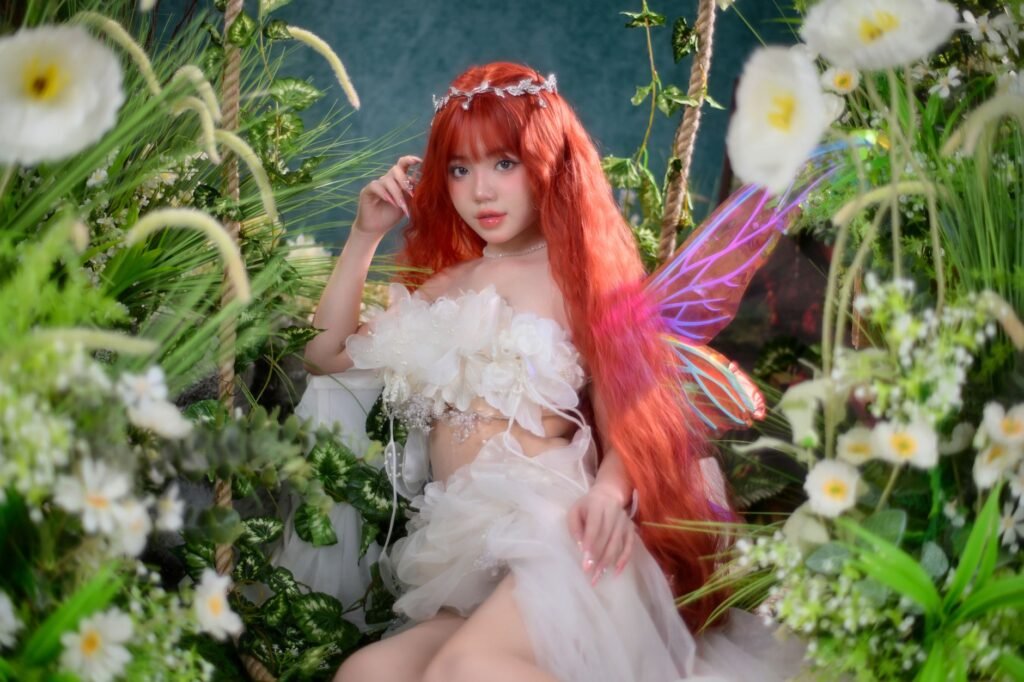
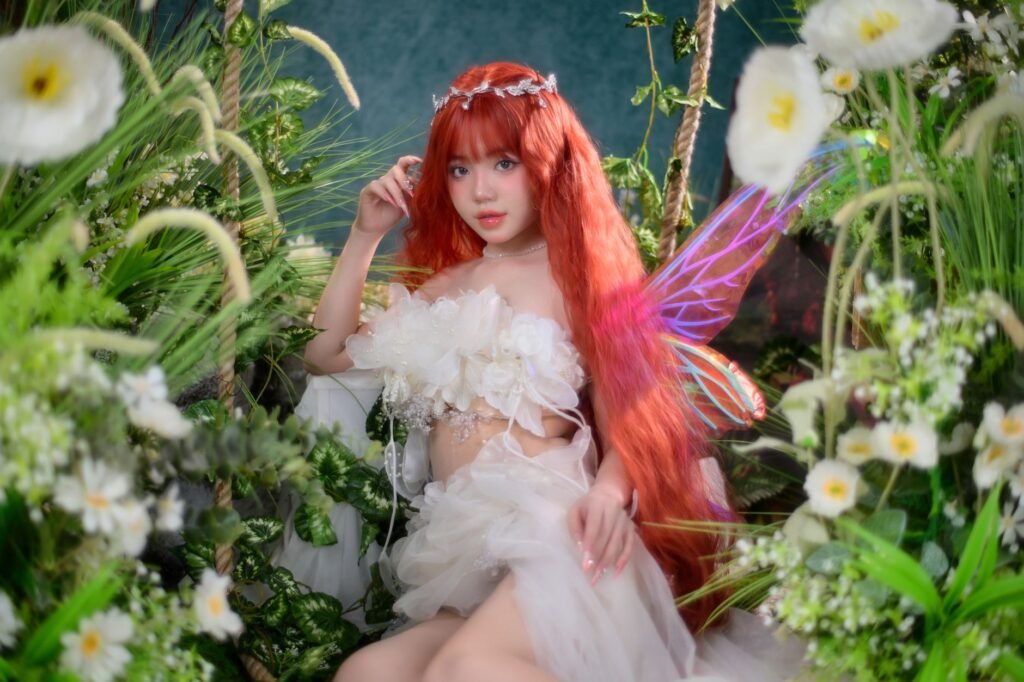
The Aos Sí—often rendered in English as the fairy folk—are among the most enduring figures in Irish and wider Celtic tradition. They belong to a broad body of mythic beings associated with ancient mounds, hollow hills, lakes, and other liminal places. In popular imagination they are sometimes treated as tiny winged fairies, but in older sources they are closer to an otherworldly people, powerful and dangerous as well as beautiful and enchanting.
The Aos Sí occupy an important place in the mythology and folklore of Ireland, Scotland, and the Isle of Man. They appear in medieval Irish literature, survive in oral tradition, and continue to influence modern culture. Because their nature changes across regions and periods, they are best understood not as a single fixed species but as a traditional supernatural category whose meaning developed over many centuries.
Origin and Meaning
The term Aos Sí comes from Irish Gaelic. It is usually translated as “people of the sídhe” or “people of the mounds.”
Etymology
- Aos means “people” or “folk.”
- Sí or sídhe is associated with ancient burial mounds, earthworks, and later with the supernatural realm believed to inhabit them.
The word síd in Old Irish referred to a mound, hill, or fairy palace. Over time, sídhe became linked both to the physical landscape and to the beings believed to dwell there. In modern Irish, Aos Sí refers to the supernatural people themselves, while in English they are often called fairies or the fairy folk.
Historical development of the name
Different traditions describe the Aos Sí in different ways:
- As deities or divine beings displaced in pre-Christian Ireland and later remembered as fairies.
- As a hidden race living in underground or otherworldly dwellings.
- As spirits connected to ancient burial mounds and sacred sites.
- As a general term for fairy beings in folklore, including many local types and classes.
Modern scholarship generally treats the Aos Sí as a complex folklore tradition shaped by pre-Christian beliefs, medieval literary reinterpretation, and later Christian-era folk practice.
Historical Context
The Aos Sí belong to a broad Celtic supernatural tradition, especially associated with Ireland. Their development reflects the interaction of several cultural layers:
- Pre-Christian Gaelic religion and belief
- Early medieval Irish literature
- Christian monastic recording of older traditions
- Local oral folklore in rural communities
- Modern literary and popular reinterpretations
In early Irish tradition
Medieval Irish texts often present the sídhe as dwellings of powerful beings connected to the landscape and to the ancient mythic past. These beings are not simply “small fairies” in the modern sense. They are frequently portrayed as noble, beautiful, perilous, and deeply tied to sovereignty, battle, fertility, and the cycles of the land.
Some medieval tales associate the otherworldly folk with the Tuatha Dé Danann, the supernatural race of Irish mythology. After defeat by the Milesians in later mythic chronology, they are sometimes said to have withdrawn into the hills and mounds, becoming the hidden people known as the Aos Sí.
In folk tradition
In later vernacular belief, the Aos Sí became part of everyday life. People in Ireland and Scotland often treated them with caution and respect. They were believed to:
- inhabit fairy forts, ringforts, and burial mounds
- cause illness or misfortune if offended
- reward or punish human behavior
- interfere with livestock, milk, crops, and infants
- require respect, secrecy, and proper etiquette
Such beliefs were not merely stories; they were embedded in social behavior, land-use customs, and household practices.
Christian influence
Christianity did not erase belief in the Aos Sí. Instead, it reshaped it. In some areas they were increasingly interpreted as fallen angels, nature spirits, dead humans, or beings outside salvation. In others they remained a distinct category of local supernatural residents. This ambiguity helped the tradition survive for centuries.
Main Characteristics
The Aos Sí are defined by a combination of beauty, danger, and otherworldliness. Their traits vary across traditions, but several features recur.
Common characteristics
- Liminal existence: They are associated with thresholds, boundary places, and hidden realms.
- Connection to mounds and forts: They are often said to live inside ancient earthworks.
- Superhuman power: They can influence weather, health, fertility, and luck.
- Dual nature: They may be helpful or harmful depending on human conduct.
- Temporal difference: Time may pass differently in their realm.
- Invisibility and enchantment: They may be unseen, glamoured, or able to alter appearance.
Appearance
Descriptions vary widely. In older sources they may appear as:
- radiant or noble figures
- human-sized otherworld beings
- hosts riding in procession
- invisible presences
- small fairy folk in later popular lore
The modern image of tiny winged fairies is largely a later development and does not reflect the fuller historical tradition.
Moral ambiguity
The Aos Sí are neither simply “good” nor “evil.” They are often portrayed as:
- proud and easily offended
- generous to those who respect them
- dangerous to those who disturb their places
- capable of theft, abduction, or trickery
- guardians of the landscape and its hidden powers
Family and Genealogy
The genealogy of the Aos Sí is not uniform across sources. Because the term can refer to many kinds of beings, lineage is often mythic rather than biological.
Associations with the Tuatha Dé Danann
In one major Irish tradition, the Aos Sí are linked to the Tuatha Dé Danann, a legendary supernatural people. According to some medieval accounts, after their defeat by the Milesians, they withdrew into the hills and became the hidden folk of the mounds.
This does not mean every Aos Sí is literally a Tuatha Dé Danann figure in all traditions, but the association is central in Irish mythic memory.
Family structures in folklore
In local folklore, the Aos Sí are often imagined as having:
- kings and queens
- households and courts
- children and servants
- livestock and possessions
- festive gatherings and feasts
Some stories describe fairy families that parallel human society, though usually with a more powerful and mysterious order.
Notable relationships in tradition
Frequently recurring relationships include:
- Queens and kings of the fairy host
- Human lovers or abducted spouses
- Mothers and changeling children
- Guardianship of households
- Rivalries with saints, mortals, and rival supernatural beings
Because traditions differ, no single genealogy can be treated as definitive.
Symbols
The Aos Sí are linked to symbols of hidden power, the earth, and enchanted beauty.
| Symbol / Object | Meaning |
|---|---|
| Mounds and ringforts | Entrances to the fairy otherworld |
| Hollow hills | Hidden dwellings and sacred spaces |
| Fairy rings | Thresholds, gathering places, or traces of activity |
| Milk and butter | Prosperity, household blessing, and offerings |
| Bread, cream, and food offerings | Hospitality and appeasement |
| Iron | Protective substance in many folk traditions |
| Red thread or garments | Protective or liminal significance in some customs |
| The color green | Strongly linked in later folklore, though not universal |
The importance of thresholds
A major symbolic theme is the boundary: doors, roads, wells, mounds, and twilight hours all function as zones where the human and fairy worlds may meet.
Fairy rings
Circular patches in grass, often caused by fungi, were traditionally understood as signs of fairy movement or dancing. They became one of the most recognizable symbols of fairy belief.
Sacred Animals
The Aos Sí are associated with a range of animals, though these associations vary locally.
Commonly linked animals
- Cattle: central in rural economies, often targeted for milk or health.
- Horses: connected to fairy riding, processions, and speed.
- Dogs: sometimes appear as fairy hounds or guardians.
- Cats: often treated as uncanny, watchful, and liminal.
- Hares: frequently linked to witchcraft, transformation, and fairy lore.
- Deer: associated with the otherworld and enchanted hunting.
Symbolic significance
Animals in fairy tradition often represent:
- fertility and abundance
- movement between worlds
- protection or warning
- shape-shifting and disguise
- the vulnerability of human livestock to supernatural interference
In some regions, white animals or unusual-colored beasts were especially likely to be interpreted as belonging to the fairy realm.
Sacred Plants
Plant associations with the Aos Sí are deeply rooted in folk practice. These plants were not always “sacred” in a formal religious sense, but they carried strong protective or supernatural meanings.
Notable plants
| Plant | Folkloric significance |
|---|---|
| Hawthorn | Strongly associated with fairy places and danger if cut |
| Rowan | Protective against harmful spirits and fairy mischief |
| Thorn bushes | Mark boundaries and sacred sites |
| Ash | Linked in some traditions to protection and otherworld power |
| Herbs in general | Used in charms, healing, and counter-magic |
Hawthorn
The hawthorn tree is especially important. Lone hawthorns standing near mounds or in fields were often regarded as fairy trees. Cutting them could bring bad luck or supernatural punishment in folk belief. This custom reflects reverence for places thought to be inhabited by the Aos Sí.
Protective use of plants
Farmers and householders sometimes used rowan or other protective branches to guard animals, homes, or infants. Such practices show how fairy belief was integrated into practical life.
Sacred Places
The Aos Sí are closely connected to specific places in the landscape. These are among their most important features.
Mounds and fairy forts
The most iconic locations are:
- sídhe mounds
- ringforts
- raths
- hilltops
- earthworks
- ancient burial mounds
These are often called fairy forts in English. Many were archaeological sites from earlier periods, later reinterpreted as supernatural dwellings.
Hollow hills and underground spaces
The Aos Sí are commonly believed to live beneath hills or inside the earth. These places serve as entrances to an otherworld with its own halls, feasts, and rulers.
Other significant locations
- springs and wells
- lakes
- woodlands
- coastal cliffs
- crossroads
- boundaries between fields
These places share a liminal character. They are not fully human, fully wild, or fully domestic.
Regional examples
Traditions vary by locality. Certain hills, forts, and stones in Ireland and Scotland became famous as fairy places in oral lore. Since these identifications are usually local, no universal list exists.
Powers and Attributes
The Aos Sí are credited with a wide range of supernatural abilities.
Common powers
- shape-shifting
- invisibility
- glamour or illusion
- weather influence
- health and illness causation
- fertility and barrenness
- guardianship of land and livestock
- abduction of humans
- exchange of changelings
- speed and supernatural travel
Control over prosperity
In rural societies, the fairy folk were often believed to influence:
- milk yield
- butter production
- grain success
- the health of calves and children
- household luck
A family might leave offerings to avoid offense and to preserve fortune.
Time distortion
A well-known feature of fairy lore is the distortion of time. A person who enters the fairy realm may return to find many years have passed, even if the experience seemed brief. This motif appears in many traditions of the broader Celtic world.
Main Myths
The Aos Sí appear in a wide range of myths and folktales. Because traditions are diverse, the following are among the most recurrent themes rather than a single canonical cycle.
Descent into the mounds
One central mythic pattern is that a powerful ancient people withdrew into the earth after a defeat or transformation. In this view, the Aos Sí are the hidden survivors of a mythic past.
Fairy abduction
Human beings, especially women and children, may be taken into the fairy world. Some are said to become servants, lovers, or replacements. Others are only temporarily removed and later returned.
Changelings
A common folktale tells of a fairy child being left in place of a human infant. The changeling motif reflects anxieties about illness, unexplained developmental differences, and infant mortality. It also reveals how fairy belief intersected with household fears.
Fairy revels and processions
The Aos Sí are often portrayed as traveling in glittering processions, especially at night or on certain seasonal dates. Humans who see such gatherings may suffer consequences if they speak of them or interfere.
Hospitality and taboo
Many tales stress that the Aos Sí respond to respect, silence, and correct behavior. Spilling milk, insulting the mound, or disturbing their home can invite retaliation. Conversely, offering food or leaving a place undisturbed may secure protection.
Encounters with mortals
A human may be invited to dance, feast, or marry in fairy company. Such stories often end with a warning about the unreliability of the otherworld and the cost of crossing its boundaries.
Relationship with Other Mythological Figures
The Aos Sí interact with a wide range of beings in Irish and Celtic tradition.
With the Tuatha Dé Danann
This is the most important mythic relationship. Some traditions effectively identify the Aos Sí with the Tuatha Dé Danann after their withdrawal from public mythic history into the hidden world.
With gods and ancestors
Scholars differ on whether the Aos Sí preserve memories of gods, ancestors, spirits, or a mixture of all three. Ancient and medieval sources do not always separate these categories in the modern way.
With saints and Christianity
Christian saints in Irish folklore sometimes confront, convert, or outwit fairy beings. In other cases, saints coexist with them in a landscape where old and new sacred geographies overlap.
With humans
The human-fairy relationship is marked by:
- dependence on respect and etiquette
- fear of theft or abduction
- reciprocal exchange through offerings
- occasional cooperation or blessing
- a strong sense that the fairy world is real but not fully controllable
With witches and other supernatural beings
In later folklore, the Aos Sí may overlap with beliefs about witches, ghosts, and malevolent spirits. However, they remain distinct in many traditions, especially where they are regarded as an ancient hidden people rather than mere spirits of the dead.
Worship and Cult
Whether the Aos Sí were “worshipped” depends on the period and the meaning of worship.
Pre-Christian possibilities
It is difficult to reconstruct exact pre-Christian practices. Some scholars have suggested that older reverence for local powers, mounds, wells, and landscape spirits contributed to later fairy belief. However, direct evidence for a formal cult of the Aos Sí is limited.
Folk practice
In historical and ethnographic records, people often practiced propitiation rather than worship. This could include:
- leaving milk or cream
- placing food at thresholds or stones
- avoiding certain trees or mounds
- not speaking disrespectfully of the fairies
- maintaining ritual caution during dangerous times, such as dusk or seasonal transitions
Seasonal customs
Fairy belief was often strongest at certain times of year, especially around:
- Samhain
- Beltane
- Midsummer
- twilight and midnight hours
These periods were thought to open the boundary between worlds.
Household customs
Domestic life could be shaped by fairy concerns. People might:
- keep fire, salt, or iron for protection
- avoid disturbing suspected fairy ground
- handle butter and milk with special care
- prevent infants from being left alone
- show courtesy toward the unseen
Ancient Sources
The Aos Sí are discussed indirectly or directly in a range of Irish textual traditions. Because the category developed over time, the sources do not always use the term in exactly the same way.
Important source traditions
- Medieval Irish tales connected with the Tuatha Dé Danann and the sídhe
- The Lebor Gabála Érenn tradition, which situates supernatural peoples in legendary history
- The Metrical Dindshenchas, preserving lore about places, mounds, and names
- The Book of Invasions and related saga literature
- Pagan and Christian-era folklore collections recorded in later centuries
Classical parallels
Greek and Roman writers do not describe the Aos Sí directly, since they belong to a different cultural tradition. However, modern readers sometimes compare them cautiously with:
- household spirits
- nymphs
- daimones
- genii loci
These are only approximate analogies and should not be treated as equivalences.
Folklore collectors
Much of what is known today comes from oral traditions recorded by scholars and collectors in the 19th and early 20th centuries. These sources are invaluable, but they reflect local variations and the historical context of collection.
Roman Equivalent
There is no direct Roman equivalent to the Aos Sí. They are an Irish and Gaelic tradition with no one-to-one counterpart in Roman religion.
That said, some scholars and popular writers have drawn loose comparisons with:
- genius loci: spirits of a place
- manes or ancestral spirits
- nymphs: local nature beings
- lares: household protective spirits
These comparisons can help explain general functions such as place-spirits or guardians of the household, but they do not capture the full cultural meaning of the Aos Sí.
Influence on Modern Culture
The Aos Sí have had a major impact on modern literature and fantasy culture, especially through the broader image of the Celtic fairy.
Literature
Irish writers and folklorists helped preserve and reinterpret fairy tradition. The Aos Sí appear in:
- retellings of Irish myths
- nationalist literature
- romantic poetry
- modern fantasy fiction inspired by Celtic themes
Film, television, and games
Modern media often adapts fairy folk in simplified or romanticized forms. The Aos Sí may appear as:
- elegant hidden people
- dangerous fae courts
- small magical creatures
- guardians of old forests and stones
Video games, fantasy novels, and television series often borrow the idea of the fairy realm as a parallel world with strict rules and ancient power.
Art and popular imagination
Visual culture frequently emphasizes:
- green hills and ancient mounds
- moonlit dances
- luminous figures
- enchanted circles in the grass
- an atmosphere of beauty mixed with threat
Although many modern images differ from older folklore, they continue to draw on the same underlying tradition.
Curiosities
- The modern “tiny winged fairy” image is much more recent than the older Irish conception of the Aos Sí.
- In some areas, people avoided damaging fairy forts even when they interfered with farming or construction.
- A lone hawthorn tree could be treated with nearly the same caution as a shrine.
- The fairy world is often described as socially organized, with courts, kings, queens, music, and feasts.
- Many fairy stories function as practical warnings about hazardous places, social humility, or respect for the land.
- The Aos Sí are one of the clearest examples of how ancient landscape features can remain culturally powerful long after their original use is forgotten.
- In folklore, silence can be as important as action; speaking about a fairy encounter was sometimes believed to reduce one’s protection or invite trouble.
Frequently Asked Questions
1. Are the Aos Sí the same as leprechauns?
No. Leprechauns are a separate fairy figure in Irish folklore. The Aos Sí is a broader term meaning the fairy folk or the people of the mounds.
2. Did people really believe in the Aos Sí?
Yes. In many historical rural communities, belief in the fairy folk was taken seriously and influenced everyday behavior, especially in relation to land, livestock, infants, and household protection.
3. Are the Aos Sí always harmful?
No. They are morally ambivalent. They may bless, protect, or enrich, but they can also steal, deceive, or harm if offended.
4. Do the Aos Sí come from pre-Christian religion?
Possibly in part, but the relationship is complex and debated. The tradition likely combines older local beliefs, mythic memory, medieval literary shaping, and later folk custom.
5. Why are ancient mounds connected to fairies?
Many prehistoric and early historic earthworks were no longer understood in their original context. Over time, people interpreted them as entrances to the otherworld and as homes of supernatural beings.
6. What should a person do in folklore if they encounter the Aos Sí?
Traditional advice varies, but common themes include showing respect, avoiding mockery, not disturbing their place, and not taking food or gifts lightly.
7. Are fairy rings really caused by the Aos Sí?
Scientifically, fairy rings are usually caused by fungi. In folklore, however, they were interpreted as traces of fairy dancing or movement.
8. Do similar beings exist outside Ireland?
Yes. Comparable supernatural peoples appear in Scottish, Manx, Welsh, and broader European folklore, though the details differ significantly from the Irish Aos Sí.
Conclusion
The Aos Sí are one of the most important and enduring figures in Irish and Celtic mythology. They stand at the meeting point of myth, landscape, folklore, and cultural memory. Far more than decorative fantasy beings, they represent a traditional understanding of the world as inhabited by hidden powers that demand respect, caution, and imagination.
Across centuries, the fairy folk have adapted to changing religious and social contexts while retaining their core identity as the people of the mounds. Their legacy remains visible in place-names, folklore, literature, and modern fantasy, making the Aos Sí a vital part of Ireland’s mythic inheritance and a lasting symbol of the mysterious relationship between humans and the unseen world.

Orin Vale has spent the better part of two decades tracing the threads that connect the world’s oldest stories — from the halls of Asgard to the banks of the Nile, from Olympus to the jungles of the Maya. What began as a childhood fascination with flood myths and trickster gods grew into years of independent study across comparative mythology and ancient religion, always chasing the same question: what did these stories mean to the people who first told them? Orin writes for readers who want more than trivia — the ones looking for the beliefs, fears, and truths that myths were built to carry.