Cú Sídhe
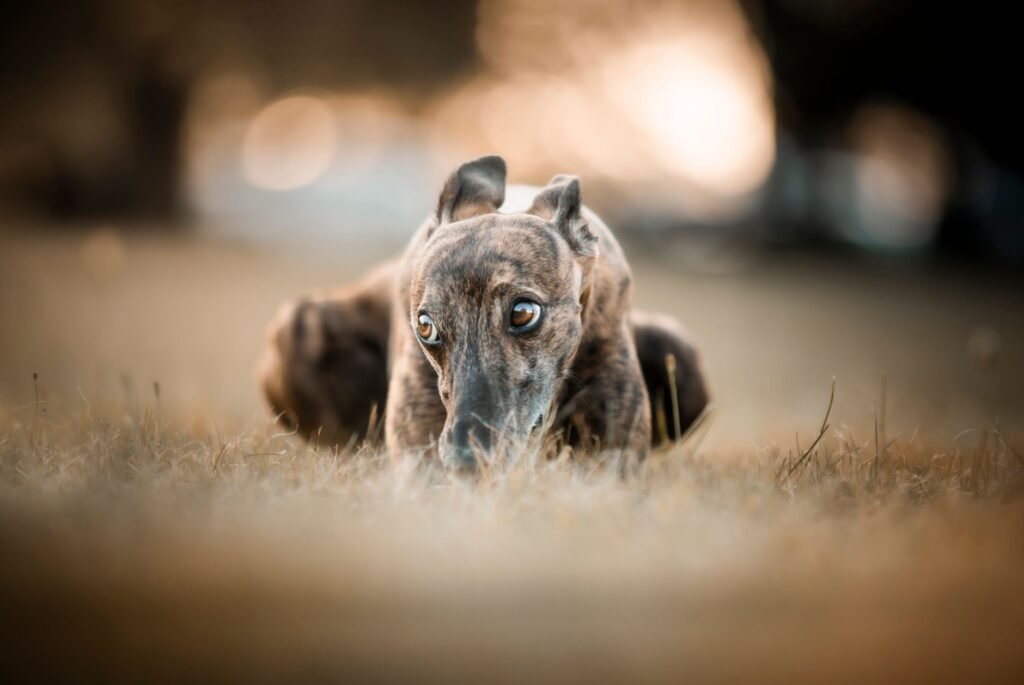
The Cú Sídhe is a major figure in Irish and wider Gaelic folklore: a supernatural hound associated with the Aos Sí, the otherworldly beings of pre-Christian and later folkloric tradition. Usually described as a large, fearsome fairy dog, the Cú Sídhe is both an omen and a guardian, linked to death, the otherworld, and uncanny warning cries heard across the landscape at night. It occupies an important place in Celtic mythology and folklore because it reflects a recurring Gaelic idea: that the natural world is inhabited by invisible powers, some protective and some dangerous, whose presence can be sensed through sound, sight, and narrative.
Unlike a single fixed deity with a stable genealogy, the Cú Sídhe belongs to the broad realm of Irish myth and oral tradition. Its stories vary by region and period, but the animal consistently appears as an extraordinary hound with supernatural speed, luminous or darkened appearance, and a terrifying howl. In modern times, the Cú Sídhe continues to appear in literature, fantasy, games, and popular retellings of Celtic folklore.
Origin and Meaning
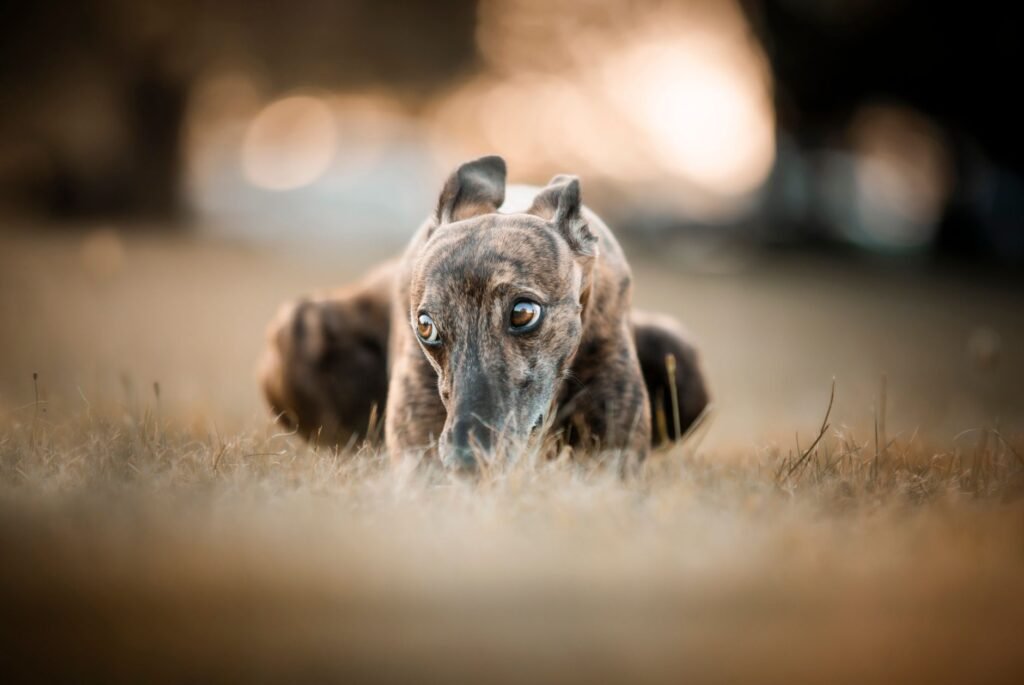
The name Cú Sídhe comes from Irish Gaelic:
- cú = hound or dog
- sídhe (or sí) = the fairy mound, otherworld, or the supernatural beings associated with those places
The phrase is commonly understood as “fairy hound” or “hound of the sídhe.” In Irish tradition, the sídhe are connected with ancient burial mounds, hillforts, and the hidden otherworld. As a result, the Cú Sídhe is not merely a ghostly dog but a creature belonging to a distinct supernatural order.
The etymology places the figure squarely within Gaelic belief systems that blurred the boundary between the human world and the otherworld. The Cú Sídhe is one of several beings whose identity is shaped by place, sound, and liminality.
Historical Context
The Cú Sídhe emerges from the broader religious and cultural environment of pre-Christian and early Christian Ireland, where oral tradition preserved stories of otherworld beings long after the conversion to Christianity. These traditions were not written down in a single canonical source; instead, they survived through folktales, annals, local lore, poetry, and later antiquarian collections.
Cultural background
In Gaelic society:
- the landscape was considered spiritually animated
- ancient burial mounds were often regarded as entrances to the otherworld
- hounds and hunting were socially important and symbolically charged
- omens, death warnings, and spirit animals formed part of a shared folklore system
The Cú Sídhe reflects these beliefs. It is often described as appearing at thresholds: crossroads, hills, moors, and night roads. In some traditions it is heard before it is seen, especially through a distinctive cry that can carry across great distances. Such features align it with a wide class of Irish and Scottish supernatural beings associated with warning, fate, and death.
Relation to Christianity and later folklore
As Christianity spread, older mythic concepts were not simply erased. Instead, they were often reinterpreted. The Cú Sídhe remained in circulation as a folkloric being rather than a formal religious figure. Later storytellers sometimes treated it as a fairy creature, sometimes as a death omen, and sometimes as a dangerous spirit of the wild.
Main Characteristics
The Cú Sídhe is most often described as a large, spectral hound with extraordinary speed and an eerie presence.
Common traits
- Size: often larger than an ordinary dog
- Color: frequently green, white, black, or dark in different regional accounts
- Sound: a deep, chilling bark or howl
- Movement: unusually swift, sometimes appearing and vanishing suddenly
- Behavior: may haunt roads, hills, or lonely places; may pursue travelers or announce deaths
Identifying features
Different traditions describe the Cú Sídhe in different ways. Some accounts emphasize:
- a shaggy coat
- glowing eyes
- a silent approach
- a haunting cry heard three times
- an association with night-time terror
- links to burial places or fairy mounds
The creature is often treated as both dangerous and liminal. It is not simply an animal, but a supernatural presence that marks boundaries: between life and death, safety and peril, visible and invisible worlds.
Distinction from ordinary hounds
Because Irish mythology also includes heroic hunting dogs and loyal hounds in heroic cycles, the Cú Sídhe should not be confused with mundane hunting dogs or with all mythic dogs generally. Its identity is specifically tied to the sídhe and to folklore surrounding the otherworld.
Family and Genealogy
Unlike gods or legendary heroes, the Cú Sídhe usually does not have a fixed genealogy in the sources. It is generally treated as a species or class of supernatural being rather than an individual character with named parents, spouse, or children.
Genealogical status
| Category | Status |
|---|---|
| Parents | Not consistently given |
| Spouse | Not recorded in standard tradition |
| Children | Not recorded in standard tradition |
| Descendants | Not recorded |
| Kinship with other beings | Often linked broadly to the Aos Sí |
In some oral traditions, a specific Cú Sídhe may behave like a singular spirit or guardian. However, this is not the same as a mythological family tree. The creature is better understood as belonging to the wider fairy host than as a named individual with a documented lineage.
Symbols
The Cú Sídhe is associated with several recurring symbols in folklore, though these vary by region and storyteller.
Common symbolic associations
| Symbol | Meaning |
|---|---|
| Hound | Loyalty, pursuit, warning, death |
| Dark roads | Liminality, danger, the unknown |
| Fairy mound | Otherworld presence |
| Three cries or barks | Omen, warning, supernatural threshold |
| Night | Mystery, death, invisibility |
| White or green color | In some traditions, otherworldliness or fairy connection |
Interpretive significance
The hound in Gaelic tradition can symbolize:
- protection, as in a guardian dog
- pursuit, as in a hunter or tracker
- death-warning, as in a psychopomp or omen-bearing creature
The Cú Sídhe combines these meanings. It can be a guardian of the otherworld, a roaming messenger of death, or a threatening embodiment of the fairy domain.
Sacred Animals
Because the Cú Sídhe itself is an animal-form being, it does not have “sacred animals” in the same sense as a deity might. However, several animals are closely associated with its symbolism and mythic environment.
The hound
The hound is central. In Irish culture, dogs were admired for hunting, protection, and companionship. In myth, hounds could be heroic, magical, or dreadful.
Other associated animals
- Deer: often connected to the otherworld and fairy chase traditions
- Horses: commonly linked to supernatural movement and boundary-crossing in Celtic lore
- Ravens or crows: sometimes present in death omens, though not uniquely tied to the Cú Sídhe
- Black livestock or shadowy animals: occasionally appear in later folklore as signs of uncanny presence
The Cú Sídhe belongs to a larger Irish mythological ecology in which animals are not merely symbolic but often agents of fate or contact with the supernatural.
Sacred Plants
There are no universally established sacred plants specifically tied to the Cú Sídhe in the way some deities are linked with particular herbs or trees. Still, several plants and trees appear in the broader fairy and otherworld traditions in which the Cú Sídhe is placed.
Plants in the wider tradition
- Hawthorn: strongly associated with fairy places and taboo
- Rowan: often used in protection against supernatural beings
- Elder: common in folklore around boundaries and spirit activity
- Yew: linked more broadly with death, graveyards, and sacred space
These associations are not exclusive to the Cú Sídhe, but they help explain the creature’s place in the folklore landscape. In stories of the fairy world, such plants often mark liminal spaces, protective boundaries, or sites of supernatural power.
Sacred Places
The Cú Sídhe is most often connected to wild, liminal, and ancient places rather than to built temples or formal shrines.
Places associated with the Cú Sídhe
| Place type | Significance |
|---|---|
| Fairy mounds (sídhe) | Principal otherworld dwelling place |
| Hills and knolls | Thresholds between worlds |
| Crossroads | Liminal, uncertain locations |
| Moorland and open country | Sites of eerie pursuit and night travel |
| Burial grounds | Linked to death and spirits |
| Remote roads | Common setting in folklore encounters |
Specific locales
No single universally accepted temple or sanctuary is dedicated to the Cú Sídhe. Instead, the creature is embedded in the mythic geography of Ireland and Gaelic regions. Particular hills, mounds, and local sites may be associated with fairy activity in regional tradition, but these vary from place to place.
The key point is that the Cú Sídhe belongs to an animate landscape rather than a centralized cultic space.
Powers and Attributes
The Cú Sídhe is not a god, but it has a set of supernatural attributes that make it a powerful folkloric being.
Common powers and domains
- Supernatural speed
- Ability to appear and vanish unexpectedly
- Powerful, unearthly howl or bark
- Connection with death omens
- Association with the otherworld
- Ability to terrify travelers and householders
- Possible guardianship of fairy territory
Areas of influence
The Cú Sídhe is especially linked to:
- night travel
- death warnings
- boundary spaces
- the fairy host
- the wild landscape
- uncanny sound
In some folktales, hearing the Cú Sídhe may foretell death in a community. In others, it functions as a wild otherworld dog that runs at impossible speed. These roles are not contradictory; in folklore, an entity may act as both omen and actor.
Main Myths
The Cú Sídhe appears in oral tradition rather than in a single large mythic cycle. As a result, its “main myths” are better understood as repeated story patterns.
1. The death-warning howl
One of the best-known motifs is that the Cú Sídhe’s bark or howl is heard as a warning of impending death. In some variants, the cry is heard three times. The sound may be so unnerving that listeners recognize it as a sign from the otherworld.
2. The chase across the landscape
Another common story involves the Cú Sídhe pursuing a person or moving at supernatural speed through fields, roads, or mountains. The creature may appear as a hunter, tracker, or pursuing spirit. This aligns it with the wider folkloric motif of the otherworld hunt.
3. Encounter at night
Travellers who venture out after dark may hear or see the Cú Sídhe. In such stories, the encounter often signals danger, taboo violation, or contact with the fairy world. Some accounts treat the event as a test of the traveler’s conduct; others present it simply as a frightening experience.
4. Guardian of the sídhe
In some interpretations, the Cú Sídhe serves as a guardian dog of fairy beings or fairy territory. This fits the broader role of dogs as protectors, watch-beasts, and threshold guardians.
Story patterns in summary
| Motif | Function |
|---|---|
| Three barks/howls | Omen or death warning |
| Night pursuit | Terror, liminality, danger |
| Fairy mound connection | Otherworld belonging |
| Sudden appearance | Supernatural presence |
| Fast movement | Otherworld power |
Because the Cú Sídhe is primarily folkloric, stories differ significantly. No single story is authoritative for all traditions.
Relationship with Other Mythological Figures
The Cú Sídhe is usually connected to the Aos Sí and to broader Irish supernatural tradition rather than to a fixed pantheon.
Connections
- The Aos Sí: the primary association; the Cú Sídhe is often treated as part of the fairy host
- The banshee: both can function as death omens, though they are distinct figures
- Heroic hounds: such as those of legendary warriors, but the Cú Sídhe is more ominous and supernatural
- Travellers and mortals: often the human subjects of its appearances
- Other fairy beings: it may accompany, guard, or serve them in some narratives
Comparisons and distinctions
The Cú Sídhe is sometimes compared with:
- the banshee, because both may announce death
- hellhounds in broader European folklore, though the Irish creature is rooted in specific Gaelic belief
- legendary hunting dogs, though the Cú Sídhe is less heroic and more uncanny
It should not be assumed that all of these are equivalent. The Cú Sídhe is a distinct figure within Irish tradition, even if it shares motifs with similar beings elsewhere in Europe.
Worship and Cult
There is no evidence of a formal worship cult devoted specifically to the Cú Sídhe in the way one might speak of a deity’s temple cult. The creature belongs to folklore, not organized religion.
Forms of interaction
Instead of worship, the tradition is characterized by:
- respectful avoidance
- taboo observance
- protective practices
- storytelling and warning
- local belief and ritual caution
Folkloric practices
In the wider fairy tradition, people might:
- avoid disturbing fairy places
- refrain from certain actions at night
- use protective charms or plants
- heed omens and warnings
- speak cautiously about supernatural beings
These practices were not specifically “Cú Sídhe worship,” but they formed the cultural environment in which belief in the creature lived.
Ancient Sources
The Cú Sídhe is not a major figure in the same textual way as characters from the Ulster Cycle or the Mythological Cycle. References are more often found in folklore collections, Irish oral tradition, and later antiquarian recordings than in the oldest extant medieval texts.
Important source types
- Irish folklore collections
- Gaelic oral narratives
- antiquarian accounts of fairy belief
- regional traditions recorded in the nineteenth and twentieth centuries
Primary source situation
Unlike figures such as those found in the Táin Bó Cúailnge or in classical Greek and Roman epic, the Cú Sídhe does not have a single well-defined classical bibliography. Its traditions are dispersed and local. This makes it important to distinguish between:
- medieval literary myth
- early modern belief
- modern folkloric recording
Comparative note
If classical authors are mentioned in encyclopedic discussions of mythology, it is usually for contrast rather than direct attestation. The Cú Sídhe is an Irish figure and should be understood in that cultural framework.
Roman Equivalent
There is no exact Roman equivalent to the Cú Sídhe.
Closest parallels
Some Roman or wider Greco-Roman beings share partial similarities, such as:
- psychopompic or death-associated creatures
- underworld hounds
- omens in animal form
However, these are only broad analogies. The Cú Sídhe is specifically embedded in Gaelic fairy belief and should not be reduced to a Roman counterpart.
If an approximation is needed for comparative mythology, the closest functional parallels are not direct equivalents but rather otherworld hounds, death omens, or guardian spirits in various European traditions.
Influence on Modern Culture
The Cú Sídhe has gained renewed visibility in modern Celtic-inspired fantasy, folklore retellings, and internet-based myth discussions.
Areas of modern influence
- Literature: appears in fantasy novels, folklore anthologies, and Celtic-themed fiction
- Tabletop and video games: used as a supernatural enemy, mount, or spirit hound
- Art and illustration: depicted as a luminous, spectral, or ominous dog
- Comics and graphic novels: often adapted as a fairy creature or guardian beast
- Online culture: widely discussed in lists of Celtic supernatural beings
Common modern interpretations
Modern creators often present the Cú Sídhe as:
- a ghostly black or green hound
- a protector of ancient places
- a death omen
- a magical companion
- a dangerous beast from the fairy realm
These depictions may simplify the original folklore, but they have helped keep the figure alive in popular imagination.
Curiosities
Here are some lesser-known points about the Cú Sídhe:
- The creature is often described as a fairy hound rather than a pet or domesticated dog.
- In some traditions, its bark is deeply distressing even when not seen.
- The Cú Sídhe belongs to the same broad imaginative world as many Irish fairy beliefs about hills, mounds, and taboo places.
- The figure illustrates how animals in Gaelic folklore can be supernatural agents, not merely symbols.
- The Cú Sídhe is sometimes blended in modern retellings with other Celtic ghost-dog traditions, even though the original folklore is more specific.
- Its stories often emphasize sound as much as sight, which is common in Irish supernatural lore.
- The creature’s association with death does not mean it is always malevolent; in some traditions, it is more accurately a warning presence than an evil one.
Frequently Asked Questions
What is a Cú Sídhe?
A Cú Sídhe is a supernatural hound from Irish and Gaelic folklore, associated with the Aos Sí or fairy folk. It is often described as a large, eerie dog that appears as a death omen or otherworldly guardian.
Is the Cú Sídhe evil?
Not necessarily. In folklore, it is usually dangerous or unsettling, but not always evil in a moral sense. Some traditions portray it as a warning being or guardian of fairy territory rather than a malicious spirit.
What does the name Cú Sídhe mean?
The name is commonly translated as “fairy hound” or “hound of the sídhe.” It combines the Irish words for hound and for the otherworld/fairy mound beings.
How is the Cú Sídhe different from a banshee?
Both are associated with death warnings, but they are different beings. The banshee is typically a female spirit who wails for impending death, while the Cú Sídhe is a hound-like supernatural creature whose bark or appearance may signal death.
Does the Cú Sídhe appear in ancient Irish texts?
It is more strongly associated with folklore and later recorded oral tradition than with a single canonical ancient text. Its presence is dispersed across Irish belief rather than concentrated in one medieval source.
What does the Cú Sídhe look like?
Descriptions vary. It is commonly portrayed as a large, spectral hound, sometimes dark, white, or green, with an uncanny presence and a frightening bark or howl.
Is the Cú Sídhe connected to the fairy world?
Yes. The creature is strongly linked to the sídhe, the fairy mound tradition and the otherworldly beings associated with it. That connection is central to its identity.
Why is the Cú Sídhe important in folklore?
It is important because it preserves key themes of Irish mythology: the otherworld, liminal space, omens, and the idea that animals can act as messengers or guardians between worlds.
Conclusion
The Cú Sídhe is one of the most evocative beings in Irish folklore: a supernatural hound tied to the fairy world, the landscape, and the fragile boundary between life and death. Though it does not belong to a formal pantheon and has no fixed genealogy, it occupies a powerful place in the mythic imagination of Gaelic culture.
Its significance lies in what it reveals about Irish tradition more broadly. The Cú Sídhe embodies a worldview in which the natural and supernatural are closely intertwined, where sound can carry warning, and where ancient places remain alive with unseen presence. From oral legend to modern fantasy, the fairy hound continues to capture attention because it is at once animal, omen, guardian, and mystery.

Orin Vale has spent the better part of two decades tracing the threads that connect the world’s oldest stories — from the halls of Asgard to the banks of the Nile, from Olympus to the jungles of the Maya. What began as a childhood fascination with flood myths and trickster gods grew into years of independent study across comparative mythology and ancient religion, always chasing the same question: what did these stories mean to the people who first told them? Orin writes for readers who want more than trivia — the ones looking for the beliefs, fears, and truths that myths were built to carry.