Are the Seven Lucky Gods all originally Japanese?
The Seven Lucky Gods—known in Japanese as the Shichifukujin—are among the most recognizable figures in Japanese popular religion and festive culture. They appear in New Year celebrations, folk art, business traditions, and temple pilgrimages, often carrying symbols of wealth, longevity, learning, or good fortune. Because they are so strongly associated with Japan, many people assume they are all indigenous Japanese deities.
The short answer to “Are the Seven Lucky Gods all originally Japanese?” is no. While the group as a collective is a distinctly Japanese cultural formation, the individual deities come from a mixture of Japanese, Buddhist, Hindu, Chinese, and Daoist traditions. In other words, the Seven Lucky Gods are a Japanese ensemble made from multiple religious and cultural lineages.
Origin and Meaning
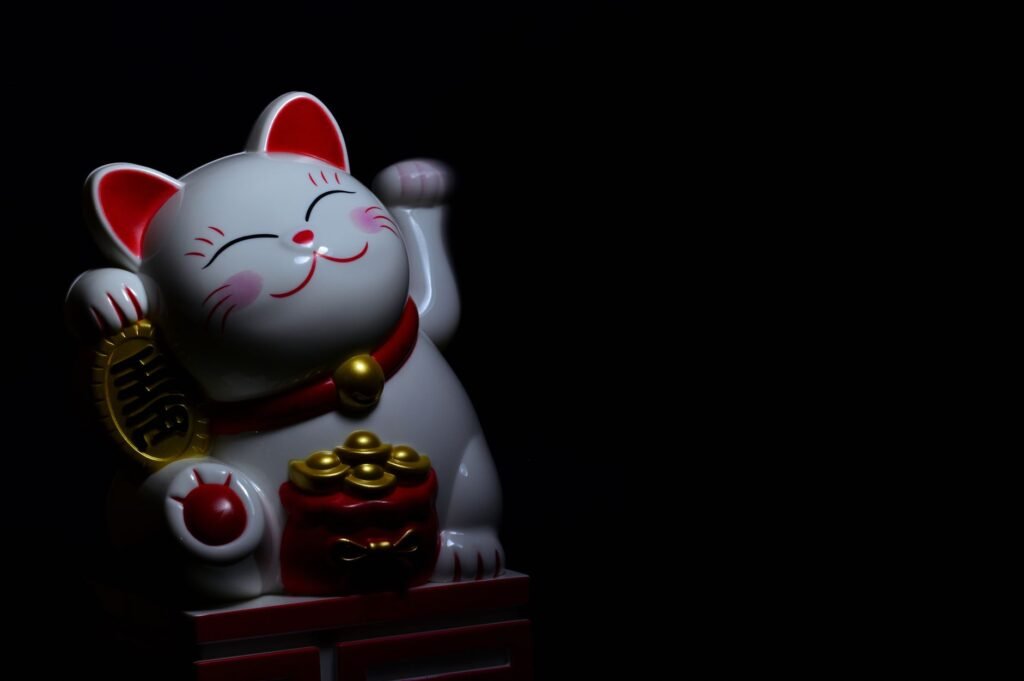
The name Shichifukujin means “Seven Deities of Good Fortune” or “Seven Lucky Gods.” The term refers not to a single ancient pantheon, but to a later grouping of seven figures who became popular in Japan as bestowers of luck, prosperity, health, and longevity.
The ensemble does not come from one unified ancient scripture. Instead, it developed gradually in Japan, especially from the Muromachi period onward, as different deities were grouped together for devotional, artistic, and social reasons. Their shared role in blessing ordinary life made them suitable for collective worship.
Are they all originally Japanese?
No. Their origins are mixed:
| Deity | Main Origin | Notes |
|---|---|---|
| Ebisu | Japanese | Often regarded as the most clearly native Japanese member |
| Daikokuten | Originally Indian | Derived from the Hindu god Mahākāla, later transformed in East Asia |
| Bishamonten | Indian via Buddhist tradition | Derived from Vaiśravaṇa, a guardian king in Buddhism |
| Benzaiten | Indian via Buddhist and later Japanese adaptation | Derived from Sarasvatī in origin, later associated with wealth, eloquence, and music |
| Fukurokuju | Chinese/Daoist tradition | Connected with Chinese ideas of longevity |
| Jurojin | Chinese/Daoist tradition | Another longevity figure from Chinese tradition |
| Hotei | Chinese-inspired | Based on the Chinese monk Budai, later worshipped as a god of contentment and abundance |
Thus, the Seven Lucky Gods are best understood as a Japanese religious synthesis, not as seven originally Japanese deities.
Historical Context
The formation of the Seven Lucky Gods reflects Japan’s long history of religious blending. Japanese religion has rarely existed as a single closed system. Instead, Shintō, Buddhism, Daoist ideas, folk religion, and continental East Asian influences often interacted and merged.
The Seven Lucky Gods became especially popular during periods when urban culture, merchant patronage, and commoner religiosity expanded. They were embraced by people seeking practical benefits in everyday life: commercial success, safety, fertility, academic advancement, artistic talent, and long life.
Several historical processes helped shape the group:
- Buddhism entered Japan from the Asian continent, bringing many foreign deities and protective figures.
- Chinese longevity cults influenced the imagery of some gods.
- Japanese local kami were identified with or merged into Buddhist and continental deities.
- Popular religion favored accessible figures who could be prayed to for worldly benefits.
The idea of grouping them into seven also resonated with symbolic patterns in East Asian culture, where the number seven frequently appears in ritual, folklore, and auspicious associations.
Main Characteristics
Although the Seven Lucky Gods are often depicted together, each has distinct characteristics, attributes, and visual signs.
The Seven Deities
1. Ebisu
Ebisu is the most clearly Japanese of the group and is usually associated with:
- Fishing
- Commerce
- Honest labor
- Prosperity
He is often shown smiling, holding a fishing rod and a large red sea bream.
2. Daikokuten
Daikokuten is associated with:
- Wealth
- The household
- Agriculture
- Prosperity and provision
He is often depicted standing or seated with a mallet and bales of rice.
3. Bishamonten
Bishamonten is linked to:
- Warriors
- Protection
- Victory
- Wealth as guarded treasure
He is often shown in armor, holding a spear and a pagoda or jewel.
4. Benzaiten
Benzaiten is associated with:
- Music
- Eloquence
- Learning
- Water
- Wealth and beauty
She is often portrayed with a lute-like instrument, commonly the biwa.
5. Fukurokuju
Fukurokuju is a deity of:
- Longevity
- Wisdom
- Good fortune
He is usually represented as an old man with an unusually high forehead.
6. Jurojin
Jurojin is also connected with:
- Longevity
- Wisdom
- Health
He is often depicted as an elderly sage accompanied by a deer and carrying a staff or scroll.
7. Hotei
Hotei represents:
- Contentment
- Abundance
- Cheerfulness
- Hospitality
He is widely recognized by his large belly, smiling face, and cloth sack.
These figures are not equal in origin or theology, but they are united in popular devotion by their beneficial roles.
Family and Genealogy
Because the Seven Lucky Gods come from different traditions, they do not form one single divine family. There is no shared genealogy in the strict mythological sense comparable to a Greek pantheon with lineages traced in classical texts.
Individual relationships
Ebisu
Ebisu’s origins are the most debated in detail. Different traditions identify him with a Japanese ancestral or sea-related deity, and in some stories he is associated with a divine child who became incomplete or transformed. However, no single universally accepted genealogy exists.
Daikokuten
Daikokuten’s history is tied to the Indian god Mahākāla, but in Japan he became associated with wealth and household prosperity. He is sometimes paired iconographically with Ebisu as a harmonious duo of prosperity, but this is not a family relationship in the mythological sense.
Bishamonten
Bishamonten belongs to the Buddhist world as one of the Four Heavenly Kings. In that context, he has a cosmic protective role rather than a family genealogy. His Japanese popularity grew through temple worship and warrior patronage.
Benzaiten
Benzaiten’s ancestry lies in the Indian goddess Sarasvatī, though her Japanese form absorbed new functions. In Japan she is sometimes portrayed as feminine and graceful, but her earlier religious forms were more varied.
Fukurokuju and Jurojin
These two longevity gods are often treated as separate figures, but their iconography overlaps significantly. In some popular traditions they are even confused or merged, since both symbolize long life and wisdom. Their “family” relationships are not traditionally emphasized.
Hotei
Hotei is not a deity in the original historical sense but a deified and folklorized figure based on the Chinese monk Budai. He has no established mythic family within the Seven Lucky Gods.
Collective grouping
The Seven Lucky Gods are sometimes pictured aboard the treasure ship at New Year, but this is a symbolic grouping rather than a family structure. Their unity is cultural and devotional, not genealogical.
Symbols
The Seven Lucky Gods are identified through a rich set of symbols, many of which indicate their powers and functions.
Common symbols by deity
| Deity | Key Symbols | Meaning |
|---|---|---|
| Ebisu | Fishing rod, sea bream | Abundance, honest gain, good catch |
| Daikokuten | Mallet, rice bales, treasure bag | Wealth, provision, food security |
| Bishamonten | Armor, spear, pagoda | Protection, martial power, victory |
| Benzaiten | Biwa, water, serpentine imagery | Music, speech, beauty, flowing blessings |
| Fukurokuju | Long head, staff, scroll | Longevity, wisdom, fate |
| Jurojin | Deer, staff, scroll | Long life, health, learned longevity |
| Hotei | Sack, fan, round belly | Contentment, generosity, happiness |
Shared symbolic themes
Across the group, the most common themes are:
- Prosperity
- Longevity
- Protection
- Domestic well-being
- Success in work or trade
The treasure ship is a major collective symbol. In many New Year customs, the gods sail in a boat loaded with treasures, expressing the hope that fortune will “arrive” in the coming year.
Sacred Animals
Several animals are associated with the Seven Lucky Gods, though these associations vary by deity and tradition.
Common animal associations
- Sea bream (tai): Associated with Ebisu, symbolizing celebration and good fortune because of its auspicious name and red color.
- Deer: Linked to Jurojin, often representing long life and sacred association with longevity and purity in East Asian iconography.
- Serpents or dragons: Sometimes connected with Benzaiten, especially in her water and fertility aspects.
- Crane and turtle imagery: While not exclusive to the Seven Lucky Gods, these animals often accompany them in Japanese lucky symbolism.
- Dogs or oxen: Daikokuten may be linked through iconography to the ox, especially in agricultural contexts, though this is not uniform.
It is important to note that these are mostly iconographic and folkloric associations, not fixed mythic companions in all sources.
Sacred Plants
The Seven Lucky Gods are not uniformly tied to specific sacred plants in the way some deities in other traditions are. Still, several plants appear in their symbolism and wider cultural surroundings.
Notable plant associations
- Rice: Strongly associated with Daikokuten, reflecting agriculture, food security, and economic prosperity.
- Lotus: Common in Buddhist imagery and therefore relevant to deities with Buddhist origins, especially Bishamonten and Benzaiten in their broader religious contexts.
- Pine and bamboo: Frequently used in New Year decorations and auspicious settings connected to the gods.
- Plum blossoms: Sometimes linked with endurance, renewal, and winter resilience in the broader context of lucky iconography.
These plants are important less as direct mythological properties and more as part of the seasonal and ritual atmosphere surrounding the gods.
Sacred Places
The Seven Lucky Gods are connected to many temples, shrines, and pilgrimage routes across Japan. There is no single universal holy place for all seven, because their cult developed through many local traditions.
Important types of sacred places
Temples and shrines
Individual gods are venerated at many Buddhist temples and Shintō shrines. Since the Seven Lucky Gods are a syncretic group, their worship often crosses institutional boundaries.
Pilgrimage routes
A major feature of devotion is the Shichifukujin pilgrimage, in which worshippers visit shrines or temples dedicated to each deity. This is especially popular during the New Year season and in urban neighborhoods.
Cultural centers
Certain cities have well-known Seven Lucky Gods routes, local festivals, or commercial districts where the deities are displayed in storefronts and community events.
Notable local variation
Because the cult is decentralized, different regions maintain their own versions of the Seven Lucky Gods. Some places substitute local figures or emphasize certain deities more strongly than others.
Powers and Attributes
The Seven Lucky Gods are valued because they address practical human concerns. Their “powers” are not abstract cosmic functions but direct blessings in ordinary life.
Core domains
- Prosperity and wealth
- Trade and business success
- Agricultural abundance
- Protection from misfortune
- Longevity and health
- Learning, eloquence, and artistic skill
- Happiness and contentment
Deity-specific attributes
- Ebisu: prosperity through honest work, especially fishing and commerce
- Daikokuten: wealth, food, and domestic abundance
- Bishamonten: military protection and victory
- Benzaiten: music, literature, eloquence, beauty, and sometimes wealth
- Fukurokuju: wisdom and long life
- Jurojin: longevity and health
- Hotei: happiness, generosity, and a carefree spirit
The gods’ popularity reflects the broad range of blessings people seek: not only money, but also health, family peace, education, and good fortune in daily life.
Main Myths
The Seven Lucky Gods do not share a single canonical myth cycle. Their “main myths” are therefore separate traditions that later converged into a group.
Ebisu and local Japanese origin traditions
Ebisu is often regarded as a native Japanese deity with multiple local origins. Some stories describe him as a childlike or impaired being who was later transformed into a prosperous god. However, source traditions differ, and no one version is definitive.
Daikokuten’s transformation
Daikokuten originates in South Asian religious history as Mahākāla, a deity with complex meanings in Indian and Buddhist contexts. In Japan, he was transformed into a beneficent household deity associated with rice and wealth. This change is one of the clearest examples of religious adaptation.
Bishamonten as a guardian
Bishamonten’s mythic role in Buddhism is protective. He guards the north and defends the Buddhist world order. In Japan, his warrior image made him popular among samurai and temple communities.
Benzaiten’s adaptation
Benzaiten derives ultimately from Sarasvatī, a Hindu goddess associated with speech, learning, and waters. In Japan she became associated with music, eloquence, and sometimes wealth. Her iconography and status changed substantially over time.
Chinese longevity gods
Fukurokuju and Jurojin reflect Chinese ideas about longevity and sage-like immortality. They are less known through dramatic myths than through symbolic narratives and iconography.
Hotei and the cheerful monk
Hotei is based on Budai, a Chinese monk and folkloric figure known for his large belly, smiling face, and sack. He became a symbol of abundance and happiness rather than a strict theological deity.
Relationship with Other Mythological Figures
The Seven Lucky Gods are deeply connected to larger Asian religious worlds.
Relationship with Shintō kami
Ebisu is especially close to Shintō categories and may be treated as a kami in many contexts. Some other gods were also localized or partially absorbed into Japanese shrine practice.
Relationship with Buddhism
Bishamonten and Daikokuten show strong Buddhist connections. Benzaiten also entered Japan through Buddhist transmission. Their cults illustrate how Buddhism helped carry and transform foreign deities.
Relationship with Chinese tradition
Fukurokuju, Jurojin, and Hotei show the strong influence of Chinese religious culture on Japanese popular belief. They are examples of how Chinese longevity and happiness symbolism entered Japan and became naturalized.
Relationship among the Seven
In popular culture, the seven are treated as companions on the treasure ship and as a collective source of blessings. But their relationship is not based on a single mythic kinship. It is a later devotional arrangement.
Worship and Cult
Worship of the Seven Lucky Gods has long been practical, popular, and seasonal rather than doctrinal.
Common forms of worship
- New Year visits and prayers
- Pilgrimages to shrines and temples
- Buying talismans and lucky charms
- Displaying prints, figurines, or amulets
- Offering rice, money, sake, flowers, or symbolic gifts
Festivals and customs
One of the best-known customs is the treasure ship image associated with the first days of the New Year. In some traditions, a picture of the ship carrying the Seven Lucky Gods is placed under a pillow on New Year’s Eve to invite good dreams and fortune.
Another common practice is the Shichifukujin pilgrimage, where devotees visit seven locations dedicated to the gods, often within walking distance in a city or district.
Social significance
Their cult has been especially strong among:
- Merchants
- Artisans
- Urban residents
- Families seeking prosperity and safety
- People interested in good luck during the New Year
The gods are also central to the visual culture of festivals, printmaking, and souvenir objects.
Ancient Sources
A strict list of “ancient sources” for the Seven Lucky Gods is difficult, because the group itself is a later Japanese synthesis. The individual deities, however, have earlier sources in several traditions.
Important source traditions
Buddhist sources
- Texts and iconography associated with Vaiśravaṇa for Bishamonten
- Buddhist transmission histories for Daikokuten and Benzaiten
Hindu origins
- Mahākāla as a source for Daikokuten
- Sarasvatī as the distant origin of Benzaiten
Chinese sources
- Chinese religious and folklore traditions concerning Budai for Hotei
- Daoist longevity symbolism for Fukurokuju and Jurojin
Japanese sources
- Local shrine and temple records for Ebisu
- Medieval and early modern Japanese devotional writings and visual materials for the collective cult
Unlike figures from Greek mythology such as Zeus or Athena, the Seven Lucky Gods are not best studied through one set of classical authors like Homer or Hesiod. Their history is instead reconstructed from religious transmission, temple records, devotional images, and later folklore.
Roman Equivalent
There is no exact Roman equivalent to the Seven Lucky Gods.
However, in broad functional terms, some Roman deities or concepts may resemble individual aspects:
- Fortuna for luck and fortune
- Mercury for commerce
- Pluto or household abundance deities for wealth-related aspects, though not directly equivalent
- Ceres for agricultural prosperity
- Minerva for wisdom
- Apollo and the Muses for artistic and musical associations
- Saturn or deified old-age figures for time and longevity, though this is only approximate
These comparisons are useful only as analogies. The Seven Lucky Gods belong to a distinctly East Asian religious environment and should not be reduced to Roman parallels.
Influence on Modern Culture
The Seven Lucky Gods remain highly visible in contemporary Japan and in global cultural representations of Japanese tradition.
Modern cultural presence
- New Year cards and decorations
- Manga and anime
- Video games
- Film and television
- Tourism and shrine pilgrimages
- Commercial branding
- Japanese souvenir art
- Contemporary folklore and urban festivals
Artistic influence
They appear frequently in:
- Ukiyo-e prints
- Netsuke and figurines
- Wooden dolls
- Modern commercial illustration
- Pop-art reinterpretations
Popular reinterpretation
Modern media often simplifies the Seven Lucky Gods into a colorful “lucky team.” While this makes them accessible, it can hide their complex cross-cultural origins. The question “Are the Seven Lucky Gods all originally Japanese” therefore remains important for correcting oversimplified assumptions about Japanese tradition.
Curiosities
- The Seven Lucky Gods are not a fixed “ancient pantheon”; their composition developed over time.
- Ebisu is the only member widely regarded as truly native to Japan.
- Daikokuten and Benzaiten show how Indian deities were radically transformed in Japan.
- Hotei is based on a historical or semi-historical Chinese monk, not a primordial god.
- The gods are often shown together on a treasure ship, especially in New Year imagery.
- Different regions of Japan may have different Seven Lucky Gods pilgrimages.
- The group’s popularity reflects practical religion: people pray to them for real-life benefits rather than abstract salvation alone.
- Their iconography has remained remarkably durable, making them recognizable even outside Japan.
Frequently Asked Questions
1. Are the Seven Lucky Gods all originally Japanese?
No. Only Ebisu is usually considered Japanese in origin. The others come from Indian, Buddhist, Chinese, or Daoist traditions that were adapted in Japan.
2. Why are they grouped together if they have different origins?
They were grouped because they were all associated with good fortune, and Japanese popular religion often combined useful deities from different traditions into a single devotional set.
3. Is there one official list of the Seven Lucky Gods?
The most common list is stable, but the exact historical formation of the group was not fixed from the beginning. Local traditions may vary slightly.
4. Which of the Seven Lucky Gods is the most Japanese?
Ebisu is generally considered the most clearly Japanese member of the group.
5. Which gods have foreign origins?
Daikokuten, Bishamonten, Benzaiten, Fukurokuju, Jurojin, and Hotei all have origins outside native Japanese mythology, though they were deeply localized in Japan.
6. Do the Seven Lucky Gods belong to Shintō or Buddhism?
They belong to a mixed religious tradition. Some are tied more strongly to Buddhism, some to Shintō, and some to Chinese or folk traditions.
7. When are the Seven Lucky Gods most commonly worshipped?
They are especially popular during New Year celebrations, when people seek blessings for the coming year.
8. Are they still important today?
Yes. They remain important in festivals, pilgrimage routes, art, souvenirs, and popular beliefs about luck and prosperity.
Conclusion
The Seven Lucky Gods are not all originally Japanese. Rather, they are a Japanese-made synthesis of diverse religious figures drawn from native belief, Buddhism, Hindu tradition, and Chinese folklore. This makes them a powerful example of how Japanese culture historically absorbed, reinterpreted, and localized foreign ideas.
Their enduring popularity comes from their practical appeal. They represent the hopes people have always carried: prosperity, safety, wisdom, health, and happiness. As a result, the Seven Lucky Gods remain one of the most vivid symbols of Japanese popular religion, while also standing as a reminder that cultural identity is often shaped through exchange rather than isolation.

Orin Vale has spent the better part of two decades tracing the threads that connect the world’s oldest stories — from the halls of Asgard to the banks of the Nile, from Olympus to the jungles of the Maya. What began as a childhood fascination with flood myths and trickster gods grew into years of independent study across comparative mythology and ancient religion, always chasing the same question: what did these stories mean to the people who first told them? Orin writes for readers who want more than trivia — the ones looking for the beliefs, fears, and truths that myths were built to carry.