Greek mythology
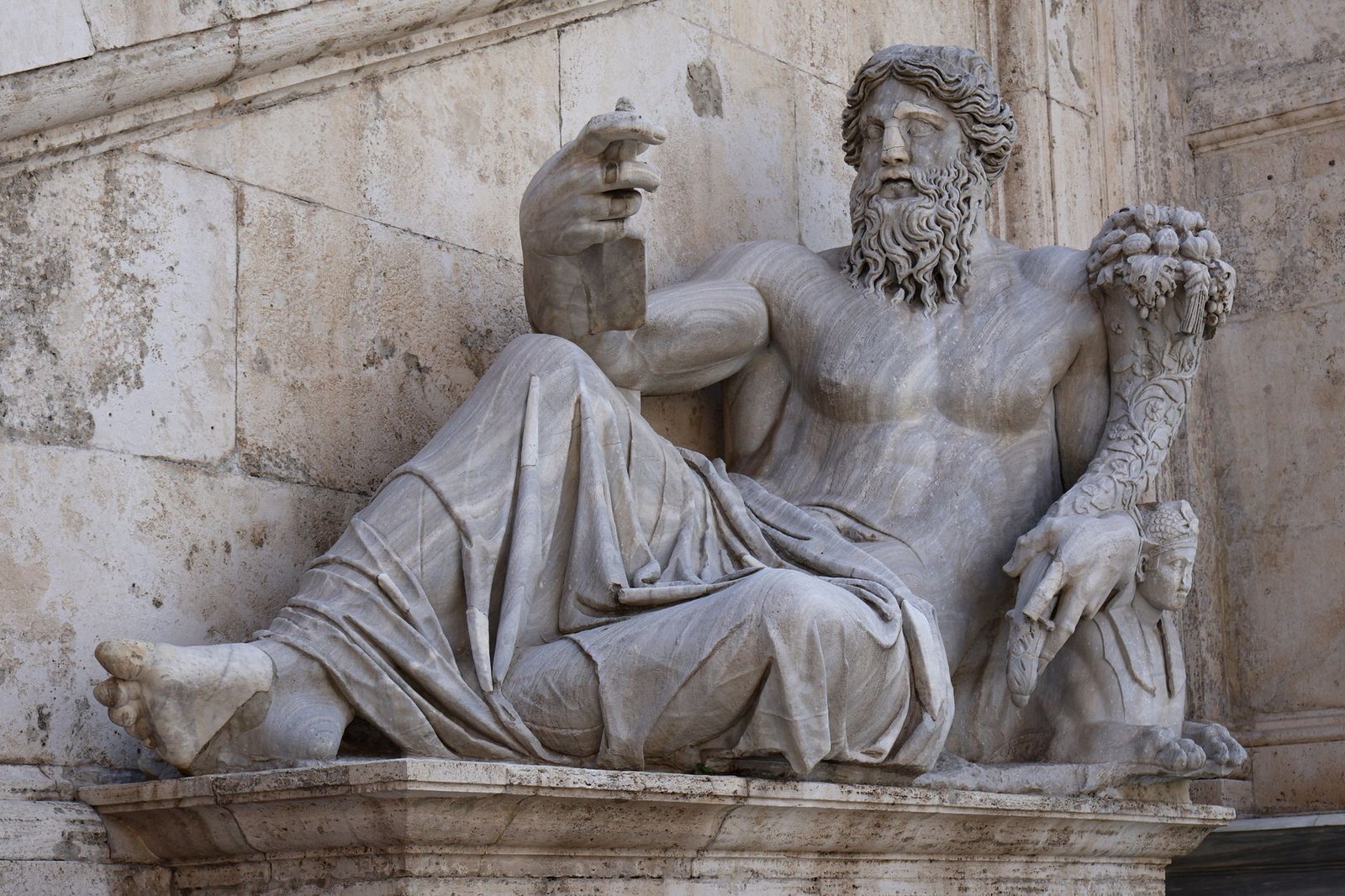
King of the Roman Gods: Jupiter in Roman Mythology
King of the Roman gods, Jupiter stood at the center of Roman religion as ruler of the sky, guardian of oaths, and protector of the state. This article traces his ancient origins, his role in law and power, and the lasting influence that made him one of Rome’s most enduring divine figures.
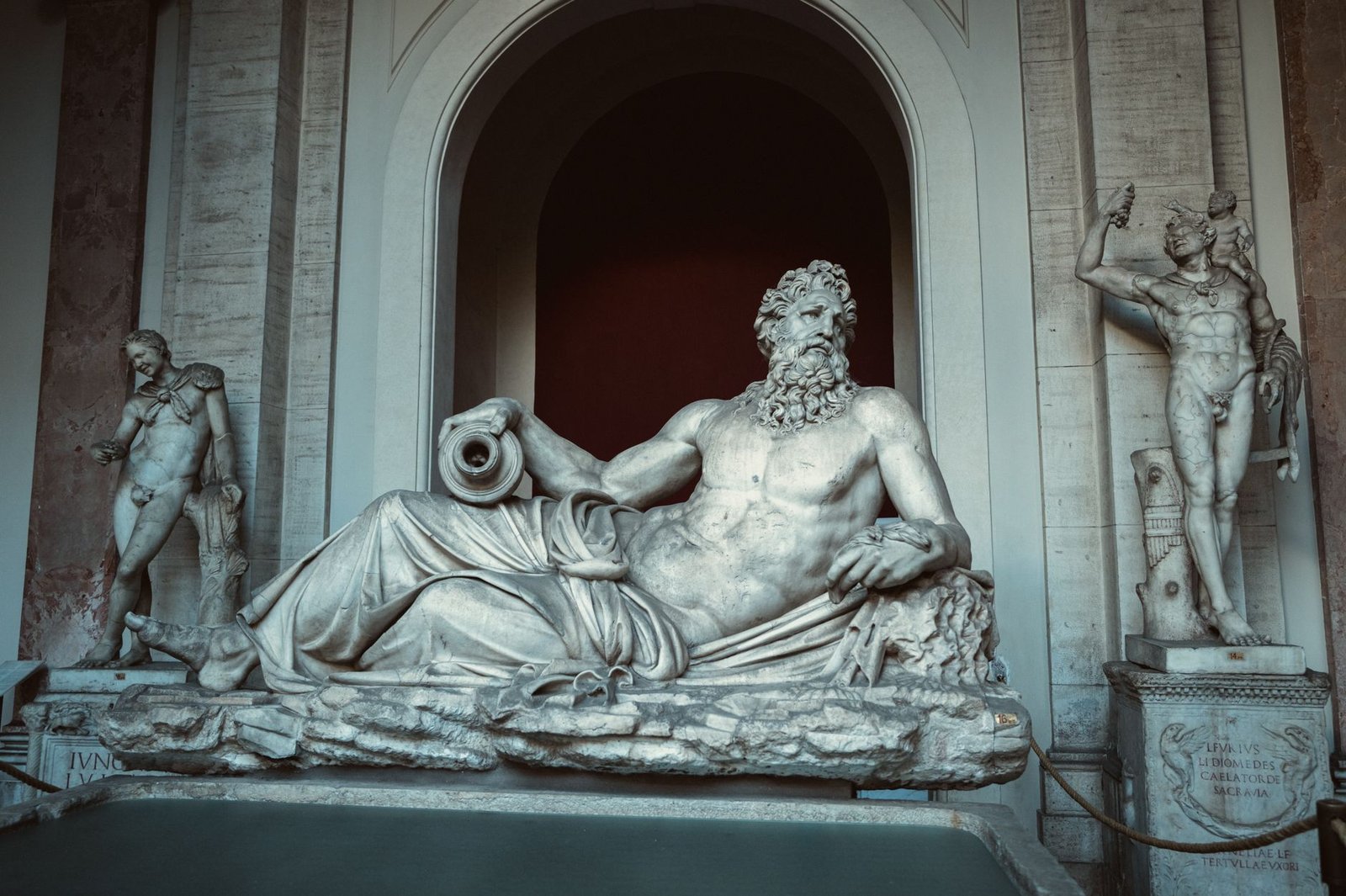
Roman vs Greek Gods: Key Differences Explained
The difference between Roman and Greek gods lies not only in their names but also in the religions that shaped them, from Greek city-state traditions to Rome’s highly organized civic cult. Although many deities were closely matched, their origins, functions, and cultural meanings reveal important distinctions that continue to intrigue historians and readers alike.

Di Indigetes vs. Di Novensiles: Roman Deities Explained
The contrast between Di Indigetes vs Di Novensiles reveals how Romans distinguished between ancestral gods rooted in their own tradition and deities introduced later into the pantheon. Exploring these categories sheds light on Roman ideas of religious authority, cultural continuity, and the adaptation of foreign cults.

What Is a Roman Numen? Definition, Meaning, and History
A Roman numen is the active divine power or presence Romans believed could dwell in a god, place, object, or community, shaping religious life through ritual and efficacy rather than personal myth. Exploring the term reveals how Roman religion understood sacred authority, from Jupiter’s will to the numen of emperors and the Roman people.

Jupiter vs. Zeus: Key Differences and Similarities
The difference between Jupiter and Zeus lies not only in name, but in the distinct Greek and Roman traditions that shaped each god’s role, symbolism, and religious meaning. Exploring their origins, epithets, and cultural functions reveals why these sky fathers are closely related yet far from identical.

Caduceus: Meaning, Symbolism, and History
The caduceus is an ancient symbol of Hermes and Mercury, shown as a staff entwined by two serpents and often topped with wings. Though now widely associated with medicine, its history is rooted in heraldry, commerce, diplomacy, and myth, raising questions about how its meaning shifted over time.

Staff of Asclepius: Meaning, Symbolism, and History
The Staff of Asclepius, a single serpent entwined around a wooden staff, is the ancient Greek emblem of healing, medicine, and the god Asclepius. Tracing its origins through temple worship, ritual practice, and later medical adoption, the symbol reveals a rich history often overshadowed by confusion with the caduceus.

Zeus’s Thunderbolt: Mythology, Meaning, and Origins
Zeuss Thunderbolt is one of the most enduring symbols in Greek mythology, embodying not only the king of the gods’ destructive weapon but also his authority over cosmos, justice, and legitimate rule. Tracing its origins in ancient literature and art reveals how this emblem of divine power shaped religious belief, political imagery, and later cultural traditions across the Mediterranean and beyond.

Poseidon’s Trident: Meaning, Origins, and Symbolism
Poseidons Trident is one of Greek mythology’s most enduring symbols, identifying the sea god as ruler of the oceans, earthquakes, and hidden marine forces. More than a weapon, it embodies divine authority and the unpredictable power of the deep, a legacy reflected in ancient art, literature, and modern culture.

Cornucopia: Meaning, Symbolism, and Origins
The cornucopia, or horn of plenty, is a lasting symbol of abundance, fertility, and prosperity rooted in Greek and Roman myth. This article traces its ancient origins, evolving meanings, and enduring presence in art, festivals, and civic imagery, revealing why the cornucopia remains one of the most recognizable emblems of seasonal bounty.