Hades
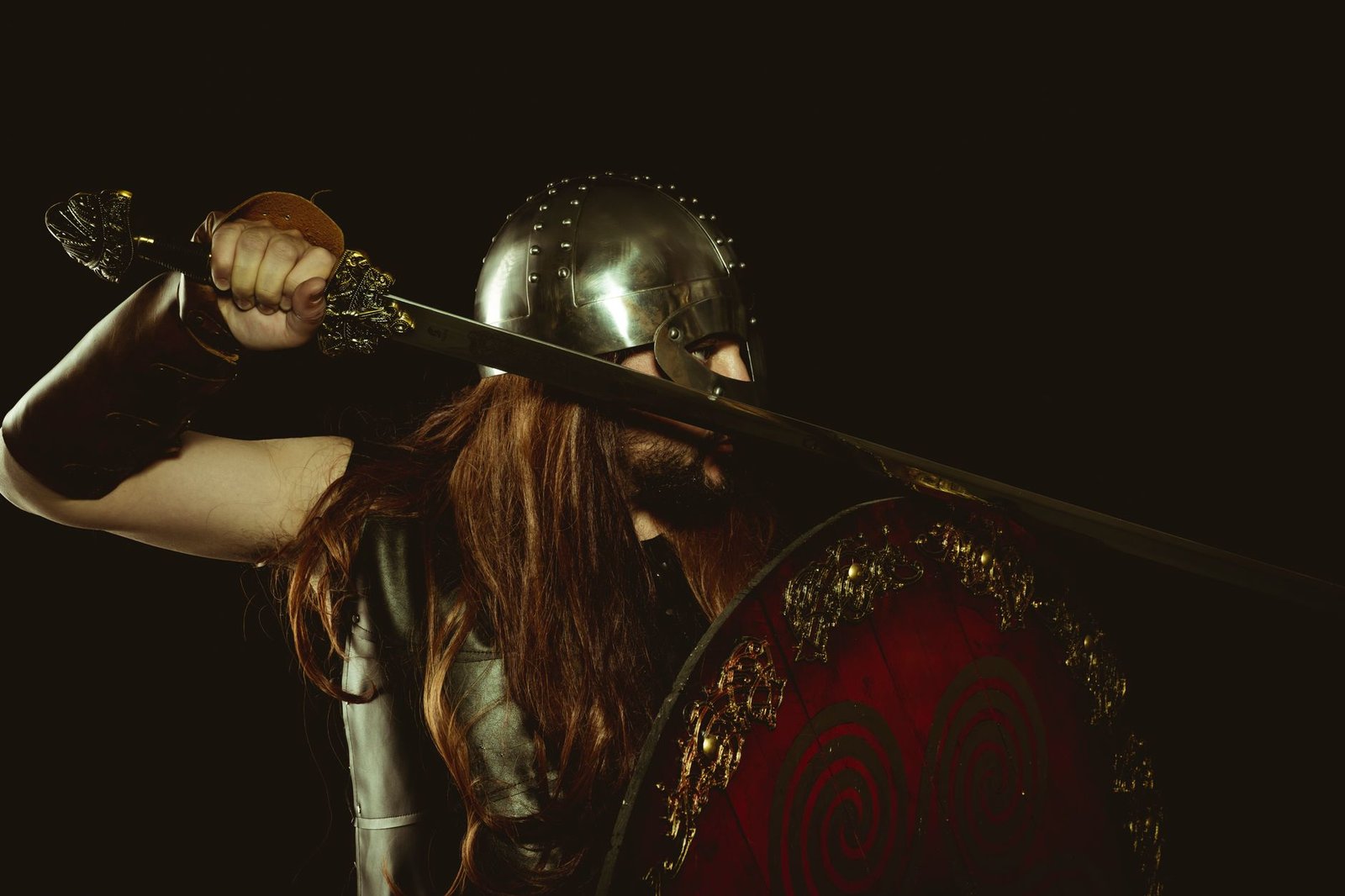
Helm of Darkness: Mythology, Origins, and Meaning
The Helm of Darkness is a legendary Greek mythic object best known as Hades’s invisibility helmet, a symbol of concealment, underworld power, and the boundary between the seen and unseen. Its shifting names, forms, and uses across ancient sources reveal a richer story of divine gifts, stealth, and hidden authority than its popular image suggests.
Cerberus: The Three-Headed Dog in Greek Mythology
Cerberus is the formidable watchdog of Greek mythology’s Underworld, famously guarding the threshold between the living and the dead. This encyclopedia article traces his origins, uncertain name, and enduring role in myth, art, and later culture, revealing why this terrifying guardian still captures attention today.

Sisyphus and His Eternal Punishment in Greek Mythology
Sisyphus and his eternal punishment have long symbolized the futility of repeated effort, drawing on the myth of a cunning Corinthian king condemned to roll a stone uphill forever. This article explores how his defiance, divine retribution, and fate in Hades shaped ancient Greek ideas about mortality, law, and the limits of human ingenuity.

The Danaides’ Punishment in Greek Mythology Explained
The Danaides punishment is a classic Greek myth of eternal penance, in which the fifty daughters of Danaus are condemned in Hades to fill perforated jars with water, a labor doomed to fail. Beyond its striking image of futile effort, the story has shaped interpretations of divine justice, guilt, and the symbolic meaning of endless, meaningless work.

Greek Myths and Legends: The Complete Guide
Greek mythology is built not only from its gods and monsters but from the stories that connect them — tales ...

Greek Gods and Goddesses: The Complete Guide
Greek mythology’s pantheon spans several generations, from the formless primordial forces at the very beginning of creation, through the Titans ...