Japanese culture and traditions
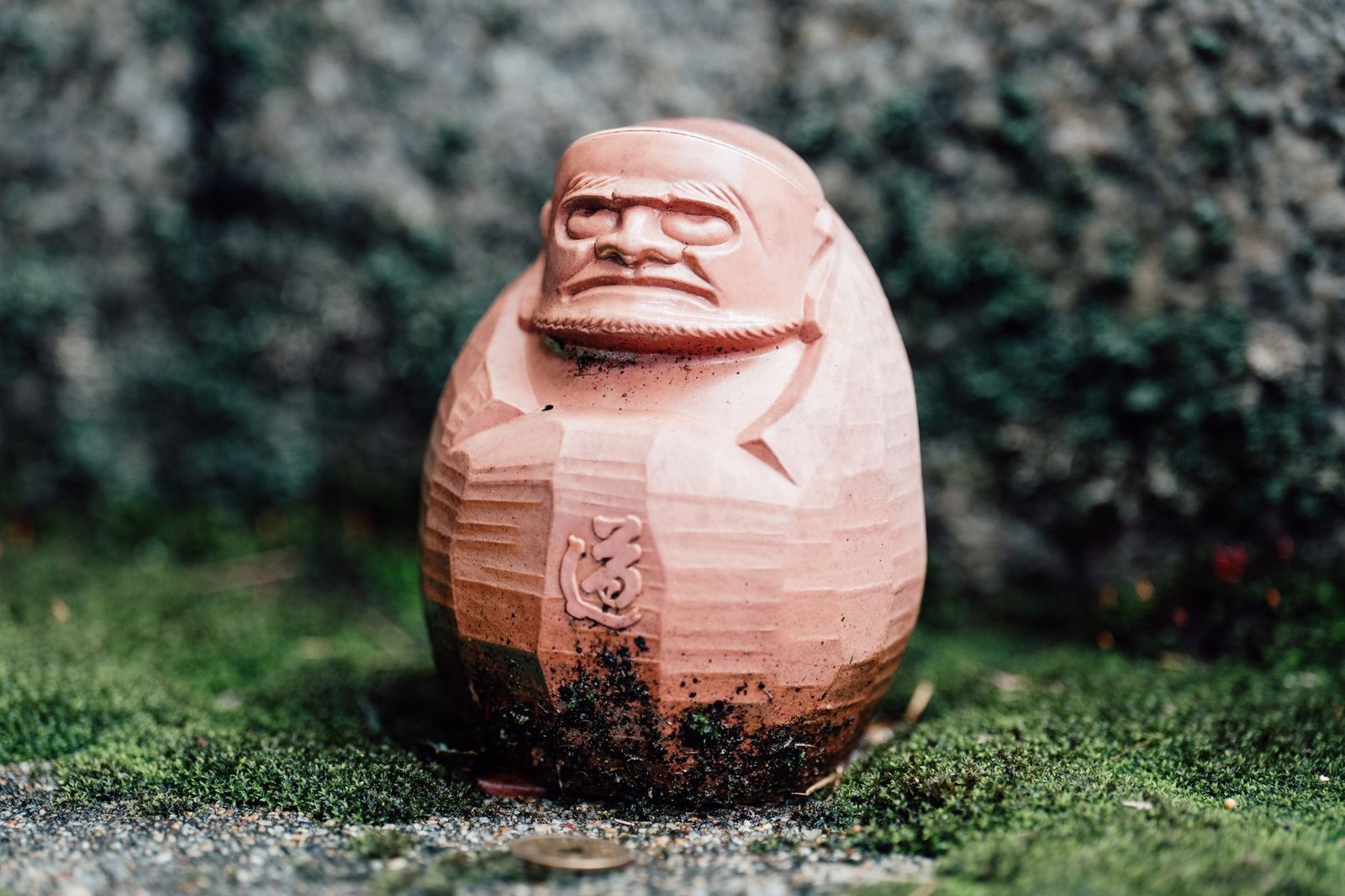
Hitotsume-Kozo: One-Eyed Yokai in Japanese Folklore
Hitotsume-kozo is a distinctive figure in Japanese folklore, a one-eyed childlike yokai often shown as a bald temple novice with a single eye in its forehead. Its image reflects the meeting of Buddhist symbolism, regional belief, and Edo-period storytelling, inviting closer study of how Japan imagined the uncanny.
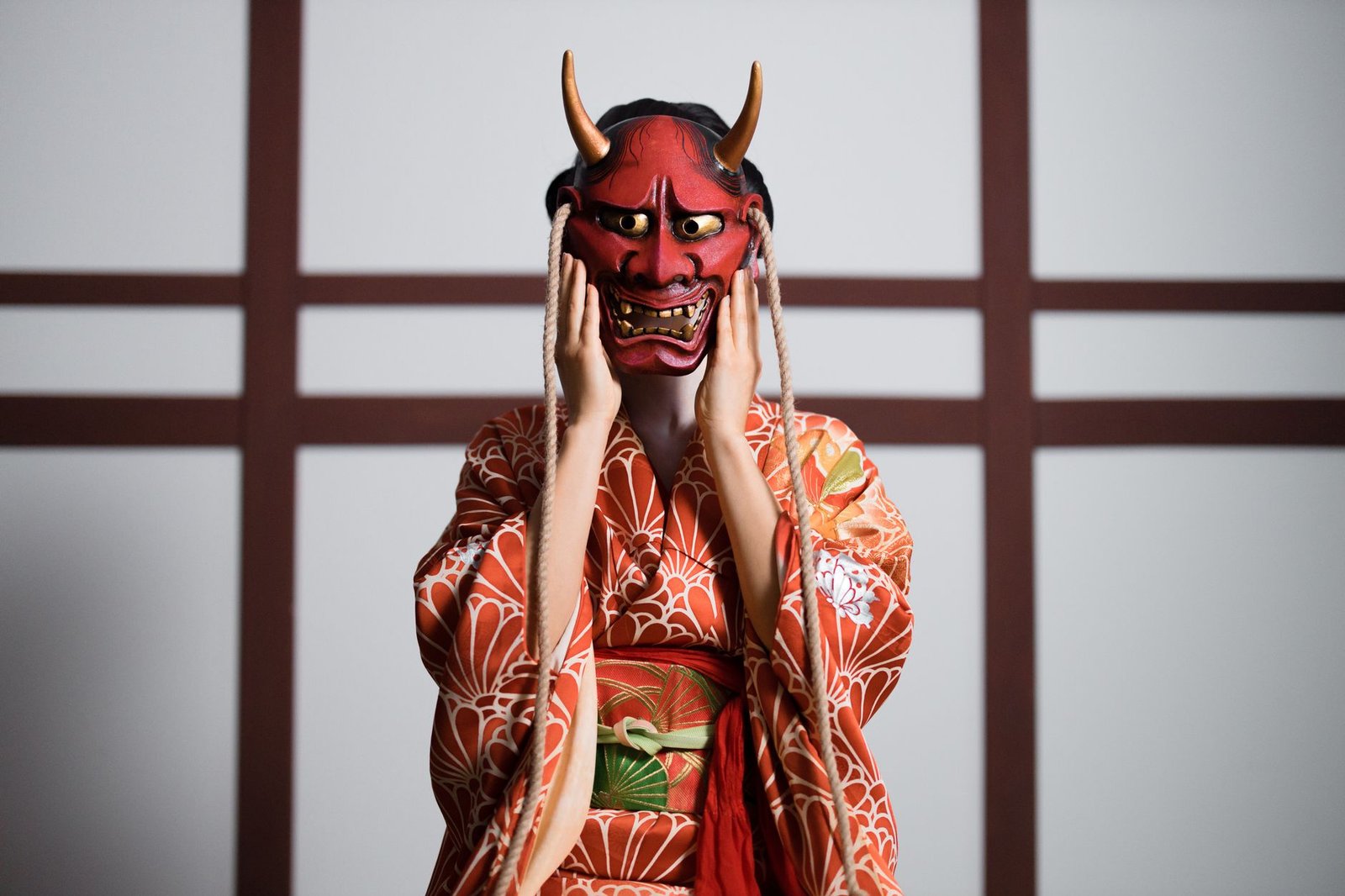
Oni: Japanese Demon Mythology and Folklore
Oni are some of the most enduring figures in Japanese folklore, but their meaning extends far beyond the familiar image of horned, red-skinned monsters. This encyclopedia article traces the evolution of the oni, from early spirits and symbolic forces to their roles in religion, ritual, art, and popular culture, revealing why they still fascinate readers today.
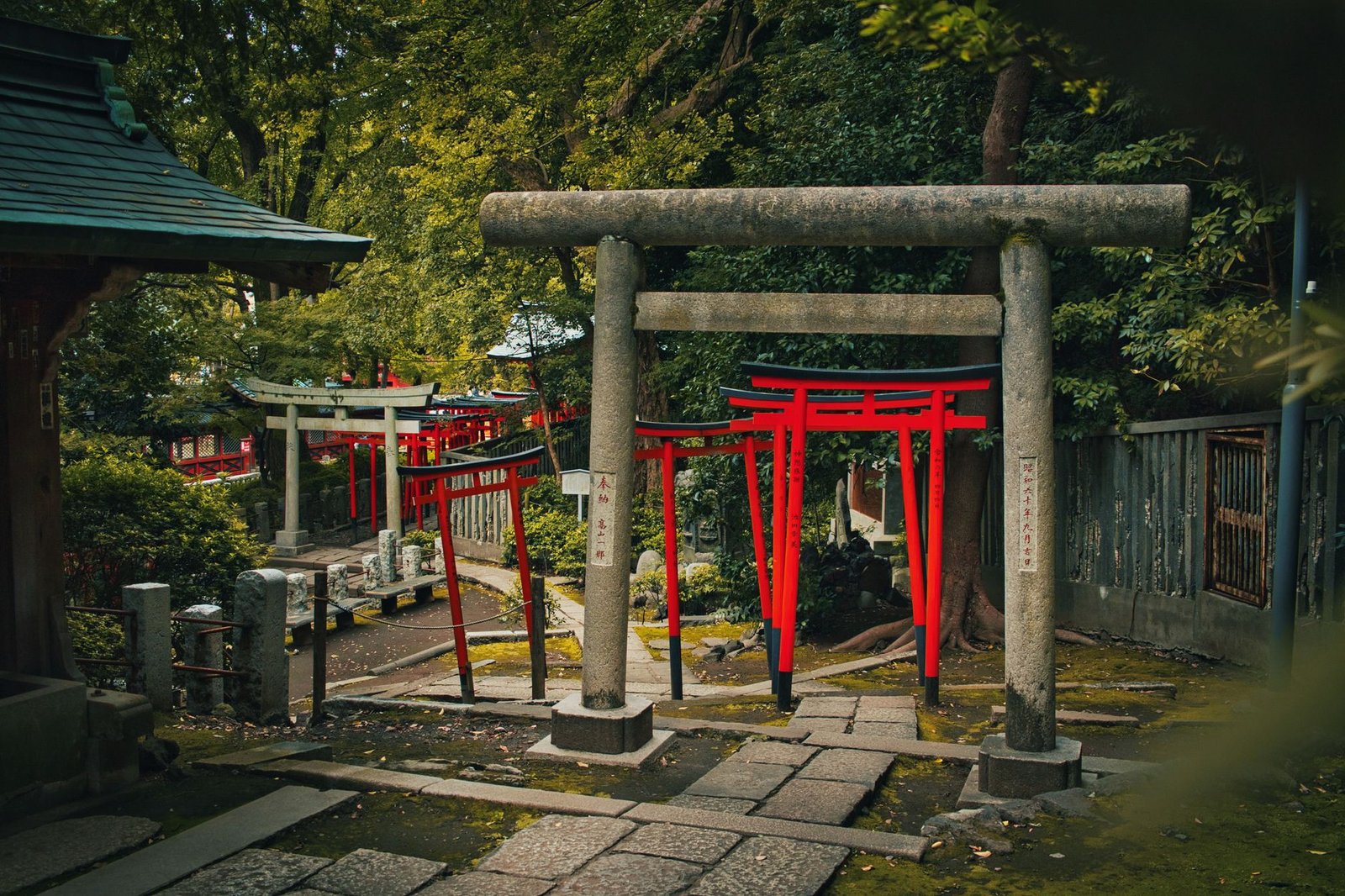
Torii Gate: Meaning, History, and Cultural Significance
A torii gate is one of Japan’s most recognizable symbols, marking the boundary between the ordinary world and a sacred Shinto space. Its origins, meanings, and architectural variations reveal a history that is both deeply religious and broadly cultural, inviting closer attention to how this simple form became so enduring.
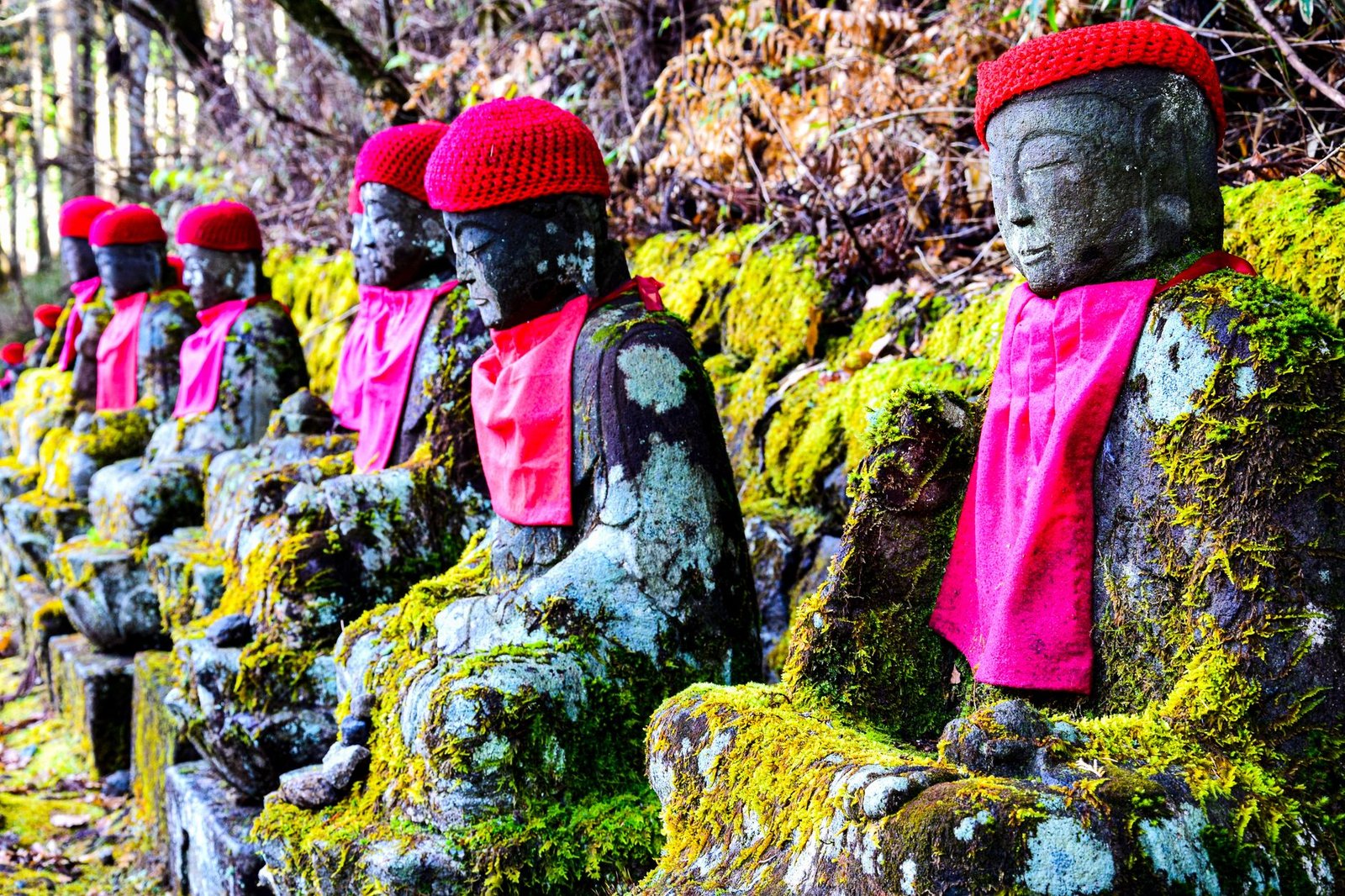
Difference Between Shinto Kami and Buddhist Deities in Japan
The difference between Shinto kami and Buddhist deities in Japan lies in their origins, functions, and religious meanings: kami are indigenous sacred presences tied to nature, ancestors, and place, while Buddhist figures such as Buddhas and bodhisattvas come from a continental tradition centered on enlightenment. Exploring how these beings were distinguished, blended, and reinterpreted in Japanese history reveals a complex spiritual landscape that still shapes shrine and temple culture today.